
Citation Style & Rights
Word List (Complete Overview)
All new words from the course in the order of their introduction, with thematic explanations.
Lesson 2
deva m. -- देव : Heavenly one, god; prince, king.
īśvara m. -- ईश्वर : Lord, ruler, god (monotheistic).
brāhmaṇa m. -- ब्राह्मण : Brahmin (priestly estate).
kṣatriya m. -- क्षत्रिय : Kṣatriya (noble and military estate).
vaiśya m. -- वैश्य : Vaiśya (agricultural and merchant estate).
śūdra m. -- शूद्र : Śūdra (service estate).
Die vier Stände (varna)
According to classical theory (e.g., Manusmṛti I, 88-91), the duties are distributed:
- of the Brahmins
- Study of the Vedas
- Teaching
- Sacrifice for oneself
- Sacrifice for others
- Giving
- Receiving gifts
- of the Kṣatriyas
- Protect the people
- Give gifts (to Brahmins)
- Sacrifice for oneself
- Study of the Vedas
- of the Vaiśyas
- Animal husbandry
- Agriculture
- Trade
- Money lending
- Sacrifice for oneself
- Give gifts (to Brahmins)
- Sacrifice for oneself
- Study of the Vedas
- of the Śūdras
- Serve the three upper estates
dvija m. -- द्विज : "Twice-born" (initiates of the upper three estates: Brāhmaṇa, Kṣatriya, Vaiśya).
varṇa m. -- वर्ण : Color, birth estate (aspiration).
The four estates (varṇa m.) are often confused with castes. However, the four estates are -- in contrast to castes -- not specifically Indian; in Europe, we also had (partly up to the First World War) an estate system, as the following illustration from the 15th century confirms:
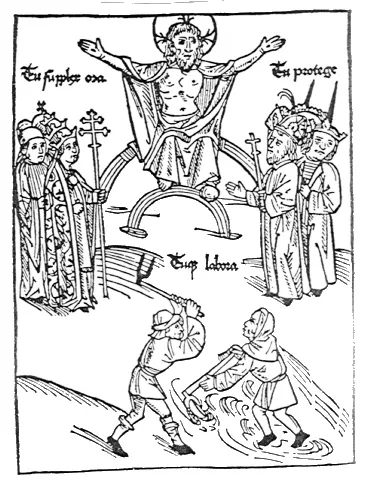
Fig.: Representation of the estate division of the European Middle Ages (woodcut from the late 15th century).
(Image source: Details)
Caption:
- Priestly estate (~Brāhmaṇa): Tu supplex ora = You pray earnestly!
- Noble estate (~Kṣatriya): Tu protege = You protect!
- Peasant estate (~Vaiśya/Śūdra): Tuque labora = And you work!
The three estates wear the respective estate attire. Above the -- thus designated as willed by God -- estates, Christ reigns.
Max Weber <1864 – 1920> defines estate as follows:
"Estate" should mean a multitude of people who, within an association, effectively
a) claim an estate-specific special estimation, - possibly also
b) estate-specific special monopolies.
Estates can arise
a) primarily, through their own estate-specific way of life, particularly through the type of profession (way-of-life or professional estates),
b) secondarily, hereditarily charismatic, through successful prestige claims based on estate-specific descent (birth estates),
c) through estate-specific appropriation of political or hierocratic lordships as monopolies (political or hierocratic estates).
The hereditary estate development is regularly a form of (hereditary) appropriation of privileges to an association or to qualified individuals. Any fixed appropriation of opportunities, particularly [of] lord [powers or occupational] opportunities, tends to lead to estate formation. Any estate formation tends to lead to the monopolistic appropriation of lordships and occupational opportunities.
While occupational classes grow on the ground of the market-oriented economy, estates arise and exist preferably on the ground of the monopolistically led liturgical or the feudal or the estate-patrimonial supply of associations.
»Estatal« is meant to describe a society when the social stratification occurs preferably by estates, »class-based«, when it occurs preferably by classes. The »estate« is closest to the »social« class among the »classes«, the »occupational class« is furthest away. Estates are often formed by property classes according to their focus.
Every estate-based society is conventional, ordered by rules of conduct, therefore creates economically irrational consumption conditions and hinders free market formation in this way through monopolistic appropriations and by excluding free disposal over one's own earning capacity.
[**Weber, Max <1864 – 1920>: Economy and Society : Outline of Understanding Sociology. – 5th, revised ed. – Tübingen : Mohr, 1976. – p. 625 ff.]
Varṇas are accordingly birth estates.
kavi m. -- कवि : poet.
agni m. -- अग्नि : fire, god Agni.
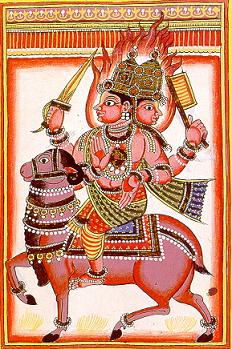
Fig.: God Agni, miniature, 18th century.
(Image source: Details)
sādhu 3 -- साधु : correct, good.
sādhu m. -- साधु : "holy" man, Sādhu.
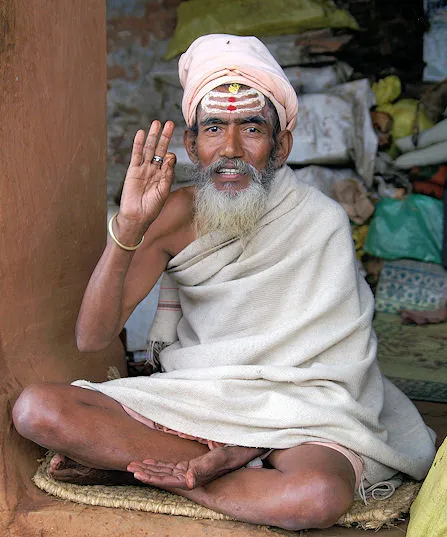
Fig.: Sādhu (साधु), Pashupatinath Temple, Kathmandu.
(Image source: Details)
guru 3 -- गुरु : heavy, significant, worthy of veneration
guru m. -- गुरु : worthy of veneration person: father, mother, older relative, esp. teacher, master
Lesson 3
Learn the following words:
śruti f. = श्रुति : hearing, the eternal tradition (designation for the Vedas and Brāhmaṇa's).
smṛti f. = स्मृति : recollection, memory, meditative recollection = mindfulness, tradition (counter-concept to śruti). Includes:
- the six vedāṅga n. (वेदाङ्ग)
- śikṣā f. (शिक्षा): correct pronunciation
- chandas n. (छन्दस्): meter
- vyākaraṇa n. (व्याकरण): grammar
- nirukta n. (निरुक्त) : word explanation, etymology
- jyotiṣa n. (ज्योतिष) : astronomy, calendar science
- kalpa m. (कल्प) : ceremonial
- śrautasūtra n. (श्रौतसूत्र) : treatises for the performance of the great sacrifices
- gṛhyasūtra n. (गृह्यसूत्र) : treatises for the ceremonies and sacrifices of daily life
- dharmasūtra n. (धर्मसूत्र) and dharmaśāstra n. (धर्मशास्त्र) : treatises on law and custom (right conduct)
- the great epics mahābhārata n. (महाभारत) and rāmāyaṇa n. (रामायण)
- the purāṇa n. (पुराण)
- nītiśāstra n. (नीतिशास्त्र) : treatises on worldly wisdom
smṛti is also particularly designation for Dharma treatises.
dhenu f. = धेनु : (milk) cow.
paśu m. = पशु : domesticated livestock, cattle (collective noun).
devatā f. = देवता : deity (abstract and concrete).
brāhmaṇī f. = ब्राह्मणी : Brahman woman.
kṣatriyā f. = क्षत्रिया : female Kṣatriya.
kṣatriyī f. = क्षत्रियी : wife of a Kṣatriya.
vaiśyā f. = वैश्या : female Vaiśya.
śūdrā f. = शूद्रा : female Śūdra.
śūdrī f. / śūdrāṇī f. = शूद्री शूद्राणी : wife of a Śūdra.
devī f. = देवी : goddess, esp. Durgā f. = दुर्गा, the consort of Śiva = शिव.
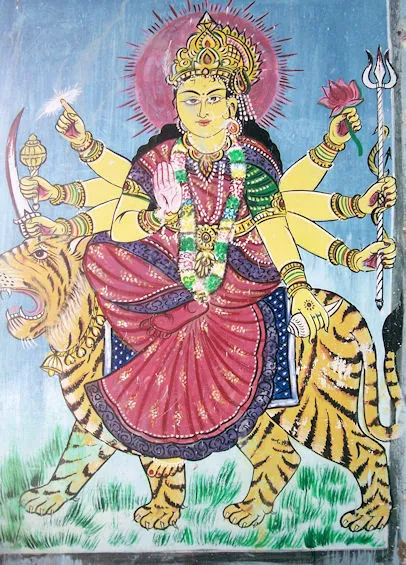
Fig.: Durgā = दुर्गा, Orissa
(Image source: Details)
sādhvī f. = साध्वी : fem. of sādhu.
gurvī f. = गुर्वी : fem. of guru.
asmitā f. = अस्मिता : "I-ness", i.e., the (false) belief: I am the one who sees, etc.
ānvīkṣikī f. = आन्वीक्षिकी : philosophy (the science that arrives at its conclusions through logically correct reasoning).
upekṣā f. = उपेक्षा : non-regard, equanimity.
karuṇā f. = करुणा : compassion, pity.
muditā f. = मुदिता : joy, specifically sympathetic joy (opposite of envy).
Lesson 5
Learn the following words:
abhiniveṣa m. = अभिनिवेष : inclination, tenacity, insistence; specifically: attachment to the body as if it were something belonging to oneself.
kāma m. = काम : desire, longing, desired gift, sensual pleasure, love; love god Kāma.
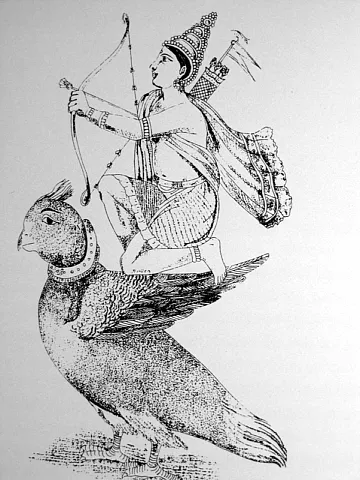
Fig.: God Kāma = kāmadeva = कामदेव, 18th century.
(Image source: Wikipedia, Public domain)
krodha m. = क्रोध : anger.
kleśa m. = क्लेश : affliction, torment.
trayī f. = त्रयी : triad; esp. the three Vedas (Ṛgveda, Sāmaveda, Yajurveda).
daṇḍanīti f. = दण्डनीति : politics (a Tatpuruṣa compound from daṇḍa m. = "staff, power, rule, punishment" and nīti f. = "right guidance").
dvijāti 3 / dvija 3 = द्विजाति / द्विज : twice-born.
dveṣa m. = द्वेष : hatred.
maitrī f. = मैत्री : friendship, friendliness, friendly goodwill.
rāga m. = राग : (red) color, passion, love.
lobha m. = लोभ : greed, avarice.
varṇa m. = वर्ण : color, genus, social class.
vārttā f. = वार्त्ता : livelihood, economics (economy).
vidyā f. = विद्या : knowledge, science.
avidyā f. = अविद्या : ignorance, non-knowledge.
ca = च : and.
(It is placed after the word it connects. When connecting multiple words, it ideally stands after the first word of the last connected element: brāhmaṇāḥ kṣatriyā vaiśyāḥ śūdrāś ca = ब्राह्मणाः क्षत्रिया वैश्याः शूद्राश्च).
ca ... ca = च ... च : both ... and.
Lesson 6
In Sanskrit, verbs are listed in the root form. The number following the root indicates the conjugation class.
- P: Root is only Parasmaipada
- Ā: Root is only Ātmanepada
- U: Ubhayapada ("both word forms"): Root is used in both Parasmaipada and Ātmanepada.
- (): In parentheses is the 3rd person singular present indicative (laṭ).
Learn the following words:
- yaj 1 U (yajati) यज् यजति : honor with a sacrifice, sacrifice
- bhū 1 P (bhavati) भू भवति : become, arise, be
- smṛ 1 P (smarati) स्मृ स्मरति : make present, remember
- nṛt 4 P (nṛtyati) नृत् नृत्यति : dance
- nī 1 U (nayati) नी नयति : lead
- man 4 Ā (manyate) मन् मन्यते : think
- muh 4 P (muhyati) मुह् मुह्यति : be confused
- yudh 4 Ā (yudhyate) युध् युध्यते : fight
- viś 6 P (viśati) विश् विशति : enter
- sṛj 6 P (sṛjati) सृज् सृजति : let go, release, emanate
Lesson 7
Learn the following words:
- aś 5 Ā (aśnute) अश् अश्नुते : reach, arrive at, attain
- āp 5 P (āpnoti) आप् आप्नोति : reach, attain
- kup 4 P (kupyati) कुप् कुप्यति : be angry
- krudh 4 P (krudhyati) क्रुध् क्रुध्यति : be angry
- khād 1 P (khādati) खाद् खादति : chew, eat
- śru 5 P (śṛṇoti !) श्रु शृणोति : hear (something: Accusative, someone: Genitive or Accusative; about: Accusative; from someone: Genitive, Ablative, Instrumental)
- su 5 U (sunoti) सु सुनोति : press out
- soma m. सोम : pressed drink, Soma; moon (Which plant Soma was pressed from remains disputed to this day).
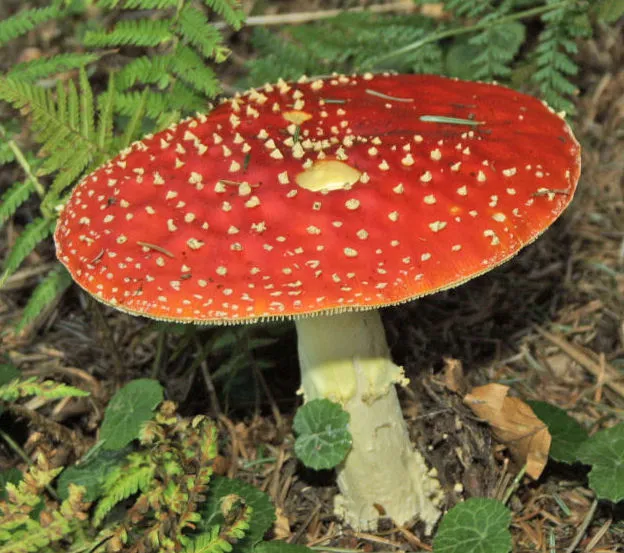
Fig.: Was this the Vedic Soma plant?: Fly agaric: Amanita muscaria (L.) Lam.
(Image source: Details)
- phala n. फल : fruit (also in a figurative sense: (karmic) fruit of an action)
- nṛtya n. नृत्य : dance
- svarga m. स्वर्ग : heaven
- naraka m. नरक : hell (according to a Hindu conception, the universe has the form of an egg (Brahmāṇḍa m.n. = ब्रह्माण्ड = "Egg of Brahmā"): above the earth are six heavens with increasing bliss, below the earth are seven so-called pātāla n. = पाताल, dwellings of the nāga m. = नाग (snakes) and other mythical beings, among them come 7 hells with increasing torments)
- aṅga n. अङ्ग : limb of the body, component; also = vedāṅga = वेदाङ्ग
- gam 1 P (gacchati) गम् गच्छति : go (According to the indigenous verb classification, it belongs to present class 1, but in reality it is a formation with a present stem formation suffix -ccha-: gam » Middle grade (gm ») ga-ccha-ti)
Lesson 8
Learn the following words:
- ji 1 P (jayati) जि जयति : triumph, conquer, defeat
- labh 1 Ā (labhate) लभ् लभते : grasp, obtain, seize
- tu तु : but (appears after the first word of the opposing sentence or sentence part)
- paś 4 P (paśyati) पश् पश्यति : see, behold (used as a present stem instead of the root dṛś 0 "see, behold")
- kṛ 8 U (karoti) कृ करोति : make, do
- tan 8 U (tanoti) तन् तनोति : stretch
- rakṣ 1 P (rakṣati) रक्ष् रक्षति : guard
- sārathi m. सारथि : charioteer, driver
- kapi m. कपि : monkey
- kumārī f. कुमारी : the girl, the maiden
- nāga m. नाग : the naked one, the elephant, the snake (Elephants and snakes have no fur, just like the "naked ape" human)
- gaja m. गज : elephant
- śuc 1 P (śocati) शुच् शोचति : mourn
- śuka m. शुक : parrot
- pat 1 P (patati) पत् पतति : fall, fly
- patrikā f. पत्रिका : letter
- likh 1 P (likhati) लिख् लिखति : engrave, write (originally with a stylus on a palm leaf, but then generally)

Fig.: likh (लिख्) : Indian steel stylus for incising palm leaves
(Image source: Details)

Fig.: likh (लिख्) : Writing stick of the Batak (Sumatra), as it was presumably also used in India
(Image source: Details)
- sukha n. सुख : happiness, well-being
- duḥkha n. दुःख : misfortune, suffering
Lesson 9
Learn the following words:
- adhyayana n. (अध्ययन) : learning, esp. Vedic study
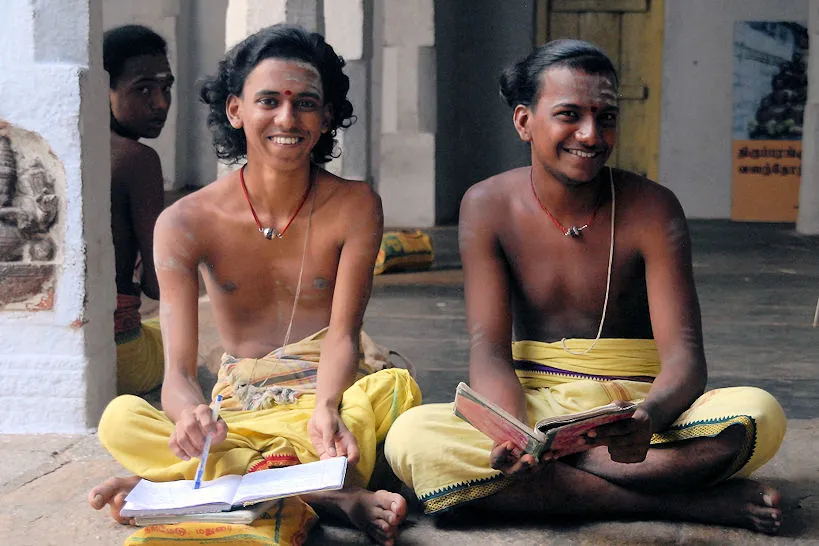
Fig.: adhyayana = अध्ययन, Sri Skandaguru Vidyalayam, Tiruparankundram near Madurai.
(Image source: Details)
- kāru m. / kāruka m. (कारु / कारुक) : craftsman
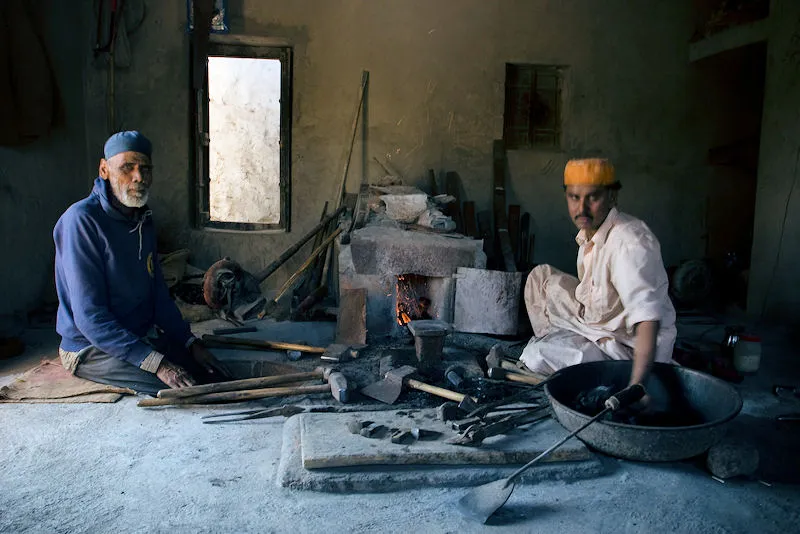
Fig.: kāru = कारु, Gujarat.
(Image source: Details)
- kuśīlava m. (कुशीलव) : (wandering) showman, actor, singer
- kusīda n. (कुसीद) : usury
- kṛṣ 1 P (karṣati) कृष् कर्षति : to pull
- kṛṣ 6 U (kṛṣati) कृष् कृषति : to plow
- from this: kṛṣi f. / kṛṣikā f. (कृषि / कृषिका) : agriculture
- dāna n. (दान) : giving, gift, generosity
- pratigraha m. (प्रतिग्रह) : receiving, gift
- pravacana n. (प्रवचन) : speech, (oral) instruction
- pāśupālya n. (पाशुपाल्य) : cattle keeping, cattle breeding
- to yaj 1 U:
- ijyā f. (इज्या) : sacrifice (from *yj » ij + suffix yā)
- yajana n. (यजन) : sacrifice on behalf of someone else
- rūpa n. (रूप) : appearance, form, beautiful form, nature, essence
- vāṇijya n. / vāṇijyā f. / vaṇijyā f. (वाणिज्य / वाणिज्या / वणिज्या) : trade
- śuśrūṣā f. (शुश्रूषा) : obedience, obedient service
Lesson 10
Learn the following words:
gṛha n. गृह : house
grāma m. ग्राम : village
nagara n. नगर : city
For city and village life, see Basham, Wonder, Chapter 6.
- yajña m. यज्ञ : sacrifice
In India, sacrifice is primarily an act of reverence towards the deity as a guest. By this, one obligates oneself to the deity.
Word formation: yaj 1 U + kṛt suffix -na-.
- puṇya n. पुण्य : good deed, merit
By which one earns well-being and good rebirths.
- pāpa n. पाप : evil deed, evil (opposite of puṇya)
satya n. सत्य : truth
In India, the true word was attributed with magical power; indeed, the entire cosmic order is maintained and created by the true word. For this important concept, see the fundamental work:
Lüders, Heinrich <1869 - 1943>: Varuna / Heinrich Lüders. Edited from the estate by Ludwig Alsdorf. - Göttingen : Vandenhoeck & Ruprecht. -- Vol. 2: Varuna and Ṛta. -- 1959. -- XXIII pages, pp. 340 - 764
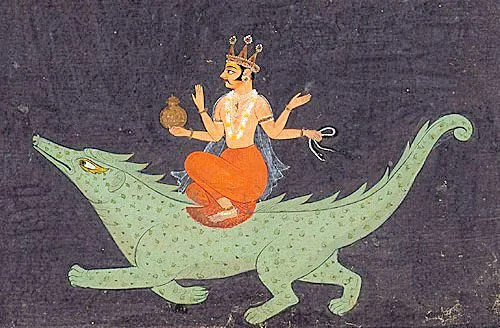
Fig.: वरुणः
(Image source: Details)
anṛta n. अनृत : untruth, lie (opposite of satya)
Word formation an- ("un-") + ṛta n.
ṛta is a central concept in the Veda, whose translation is disputed: "truth" (Lüders, Thieme), "order" (Renou).
- ṛṣi m. ऋषि : Vedic sage, author of Vedic songs
The names of these ṛṣis are mentioned in the Brāhmaṇas as well as in separate lists of the Vedas. All Brahmins trace their origin to such ṛṣis, after whom their gotra (गोत्र) are named. For the concept gotra see Basham, Wonder, Chap. 5.
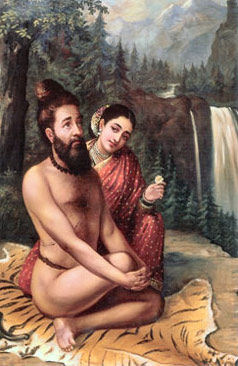
Fig.: विश्वामित्रः
(Image source: Details)
- vad 1 P (vadati) वद् वदति : to say, to speak
- prach 6 P (pṛcchati !) प्रच्छ् पृच्छति : to ask (someone: Acc.; about something: Acc.)
- saha सह : together with, jointly with (also in "to fight with" etc.) (postposition with instrumental)
Lesson 11
Learn the following words:
iti इति : thus
- Stands after the formulation of a thought, wish, utterance, quote, so to speak as quotation marks (").
- e.g. sādhavaḥ svargaṃ gacchantīti brāhmaṇā vadanti "Brahmins say: 'The righteous go to heaven'" = "Brahmins say that the righteous go to heaven".
- In Sanskrit there is no indirect speech; formations with iti often need to be rendered in German in indirect speech.
- ... (quote) ... iti śrutiḥ = "thus the Veda".
- Often a verb of thinking is to be added after iti: "thinking: '...' he does that". Render idiomatically in German (e.g. "Because he is hungry, he goes...").
evam एवम् : thus (adverbial, e.g. evaṃ jayati "thus he wins").
na न : not
- Negates individual words (stands immediately before it: na sādhuḥ "a not good one") or entire sentences (stands at the beginning or immediately before the verb).
putra m. पुत्र : son (In India it was necessary to beget a son who could perform the sacrifices for the ancestors.)
dharma m. धर्म : ("that which is firm", i.e.) right, law, custom, character.
- Corresponds most closely to natural law/moral law. Everyone has his own duties (svadharma) according to varṇa and āśrama (stage of life).
adharma m. अधर्म : injustice (opposite of dharma).
iṣ 6 P (icchati) इष् इच्छति : to wish (iṣ-ccha-ti).
Some nominal formations:
- vad 1 P वद् : to say
- vāda m. वाद : utterance, statement, word
- vadana n. वदन : speaking; speaking instrument: mouth, face
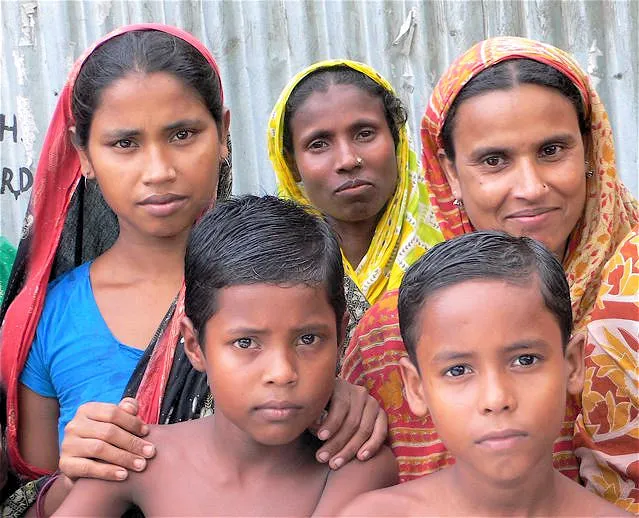
Fig.: vadanāni = वदनानि
(Image source: Details)
prach 6 P प्रच्छ् : to ask
- praśna m. प्रश्न : question (suffix -na as in yaj-ña)
iṣ 6 P इष् : to wish
- iṣṭi f. इष्टि : wish (iṣ + -ti)
Lesson 12
- budh 4 Ā (budhyate) / 1 U (bodhati), PPP buddha बुध् बुध्यते बोधति बुद्ध : to awaken, to awaken to knowledge, to recognize; PPP buddha 3 awakened, hence Buddha = "the Awakened" (not: the Enlightened)
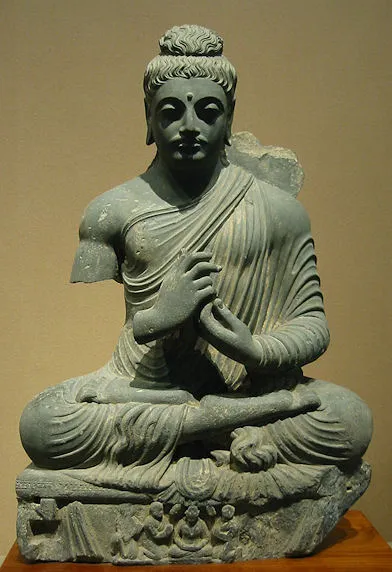
Fig.: गौतमो बुद्धः
(Image source: Details)
- dah 1 P (dahati), PPP dagdha दह् दहति दग्ध : (to) burn
- sah 1 Ā (sahate), PPP soḍha सह् sahate soḍha : to manage, to endure, to bear patiently = to forgive
- mṛga m. मृग : wild animal
- mārga m. मार्ग : path (paths were often game trails)
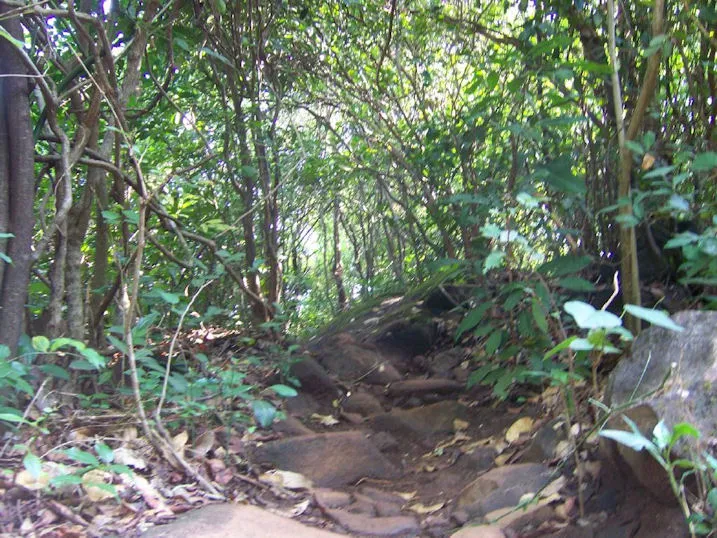
Fig.: मार्गः
(Image source: Details)
- api अपि : also (postposed)
Indigenous grammarians count some roots for the 6th conjugation class that form the present stem with a nasal infix and thematic vowel a, e.g.:
- muc 6 U (muñcati), PPP mukta मुच् मुञ्चति मुक्त : to unfasten, to let go, to liberate; to liberate from the cycle of rebirths (saṃsāra m.) = to redeem
- sic 6 U (siñcati), PPP sikta सिच् सिञ्चति सिक्त : to sprinkle
Regarding word formation:
- muc: mokṣa m. मोक्ष : release, liberation, redemption
- sic + abhi-: abhiṣeka m. अभिषेक : sprinkling of a king during the royal consecration, royal consecration
- budh: bodhi m./f. बोधि : awakening (through which a Buddha or Jina attains liberating insight)
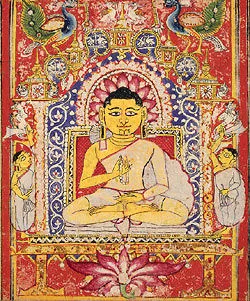
Fig.: महावीरो जिनः
(Image source: Details)
- buddhi f. (budh + -ti) बुद्धि : insight, organ of insight.
12.5.1. Passive and PPP of the roots learned so far
| Root धातु | Passive Present 3. sg. Indicative यक् लट् | PPP क्त |
|---|---|---|
| aś 5 Ā अश् | aśyate अश्यते | aṣṭa अष्ट |
| āp 5 P आप् | āpyate आप्यते | āpta आप्त |
| as 2 P अस् | — | bhūta भूत |
| bhaj 1 U भज् | bhajyate भज्यते | bhakta भक्त |
| bhū 1 P भू | bhūyate भूयते | bhūta भूत |
| budh 4 Ā / 1 U बुध् | budhyate बुध्यते | buddha बुद्ध |
| dah 1 P दह् | dahyate दह्यते | dagdha दग्ध |
| div 4 P दिव् | dīvyate दीव्यते | dyūta द्यूत |
| dṛś दृश् | dṛśyate दृश्यते | dṛṣṭa दृष्ट |
| gam 1 P गम् | gamyate गम्यते | gata गत |
| grah 9 U ग्रह् | gṛhyate गृह्यते | gṛhīta गृहीत |
| hṛ 1 U हृ | hriyate ह्रियते | hṛta हृत |
| i 2 P इ | īyate ईयते | ita इत |
| iṣ 6 P इष् | iṣyate इष्यते | iṣṭa इष्ट |
| jan 4 Ā जन् | janyate जन्यते | jāta जात |
| ji 1 P जि | jīyate जीयते | jita जित |
| kath 10 U कथ् | kathyate कथ्यते | kathita कथित |
| khād 1 P खाद् | khādyate खाद्यते | khādita खादित |
| kṛ 8 U कृ | kriyate क्रियते | kṛta कृत |
| krudh 4 P क्रुध् | krudhyate क्रुध्यते | kruddha क्रुद्ध |
| kup 4 P कुप् | kupyate कुप्यते | kupita कुपित |
| labh 1 Ā लभ् | labhyate लभ्यते | labdha लब्ध |
| man 4 Ā मन् | manyate मन्यते | mata मत |
| mṛ 6 Ā मृ | mriyate म्रियते | mṛta मृत |
| muc 6 U मुच् | mucyate मुच्यते | mukta मुक्त |
| nī 1 U नी | nīyate नीयते | nīta नीत |
| paś पश् | (dṛśyate) दृश्यते | (dṛṣṭa) दृष्ट |
| pat 1 P पत् | patyate पत्यते | patita पतित |
| prach 6 P प्रच्छ् | pṛcchyate पृच्छ्यते | pṛṣṭa पृष्ट |
| pūj 10 U पूज् | pūjyate पूज्यते | pūjita पूजित |
| rakṣ 1 P रक्ष् | rakṣyate रक्ष्यते | rakṣita रक्षित |
| ram 1 Ā रम् | ramyate रम्यते | rata रत |
| sah 1 Ā सह् | sahyate सह्यते | soḍha सोढ |
| sic 6 U सिच् | sicyate सिच्यते | sikta सिक्त |
| śru 5 P श्रु | śrūyate श्रूयते | śruta श्रुत |
| su 5 U सु | sūyate सूयते | suta सुत |
| svap 2 P स्वप् | supyate सुप्यते | supta सुप्त |
| tyaj 1 P त्यज् | tyajyate त्यज्यते | tyakta त्यक्त |
| uch उछ् | — | uṣita उषित |
| vad 1 P वद् | udyate उद्यते | udita उदित |
| vas 1 P वस् | uṣyate उष्यते | uṣita उषित |
| vadh वध् | vadyate वद्यते | hata हत |
| yaj 1 U यज् | ijyate इज्यते | iṣṭa इष्ट |
| yudh 4 Ā युध् | yudhyate युध्यते | yuddha युद्ध |
Lesson 13
Learn the following words:
- eva एव : emphasizes the preceding word
- asura m. असुर : demon
ASURA. 'Spiritual, divine.'
In the oldest parts of the Ṛgveda this term is used for the supreme spirit, and is the same as the Ahura of the Zoroastrians. In the sense of 'god' it was applied to several of the chief deities, as to Indra, Agni, and Varuṇa. It afterwards acquired an entirely opposite meaning, and came to signify, as now, a demon or enemy of the gods.
The word is found with this signification in the later parts of the Ṛgveda, particularly in the last book, and also in the Atharvaveda. The Brāhmaṇas attach the same meaning to it, and record many contests between the Asuras and the gods. According to the Taittirīya Brāhmaṇa, the breath (asu) of Prajapati became alive, and "with that breath he created me Asuras." In another part of the same work it is said that Prajāpati "became pregnant. He created Asuras from his abdomen." The Śatapatha Brāhmaṇa accords with the former statement, and states that "he created Asuras from his lower breath." The Taittirīya Āraṇyaka represents that Prajāpati created gods, men, fathers, Gandharvas, and Apsarases from water, and that the Asuras, Rakṣasas, and piśācas sprang from the drops which were spilt. Manu's statement is that they were created by the Prajāpatis.
According to the Viṣṇu Purāṇa, they were produced from the groin of Brahma (prajāpati). The account of the Vāyu Purāṇa is: "Asuras were first produced as sons from his (Prajāpati's) groin. Asu is declared by Brāhmaṇa to mean breath. From it these beings were produced; hence they are Asuras." The word has long been used as a general name for the enemies of the gods, including the Daityas and Danavas and other descendants of Kaśyapa, but not including the Rakṣasas descended from Pulastya.
In this sense a different derivation has been found for it: the source is no longer asu, 'breath,' but the initial a is taken as the negative prefix, and asura signifies 'not a god;' hence, according to some, arose the word sura, commonly used for 'a god.'"
[Source: Dowson, John <1820-1881>: A classical dictionary of Hindu mythology and religion, geography, history, and literature. -- London, Trübner, 1879. -- s.v. ]
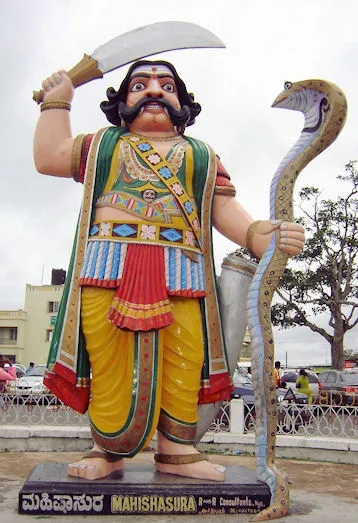
Fig.: महिषासुरः
(Image source: Details)
- guṇa m. गुण : thread, cord; quality, good quality
- pad 4 Ā (padyate), Pass.: padyate, PPP panna पद् पद्यते पद्यते पन्न : to go, to arrive at
- as 2 P (asti) अस् अस्ति : to be, to exist
- as 4 P (asyati), Pass.: asyate, PPP asta अस् अस्यति अस्यते अस्त : to throw, to hurl (away)
- i 2 P (eti), Pass.: īyate, PPP ita इ एति ईयते इत : to go
- pā 2 P (pāti), Pass. pāyate, PPP pāta पा पाति पायते पात : to protect, to guard
pā 1 P (pibati), Pass. pīyate, PPP pīta पा पिबति पीयते पीत : to drink (traditionally counted in the 1st class)
- dviṣ 2 U (dveṣṭi), Pass. dviṣyate, PPP dviṣṭa द्विष् द्वेष्टि द्विष्यते द्विष्ट : to hate, to be hostile towards
- ad 2 P (atti), Pass. adyate, PPP anna अद् अत्ति अद्यते अन्न : to eat, to consume
- anna n. अन्न : food (from PPP: *ad-na: that which is eaten)
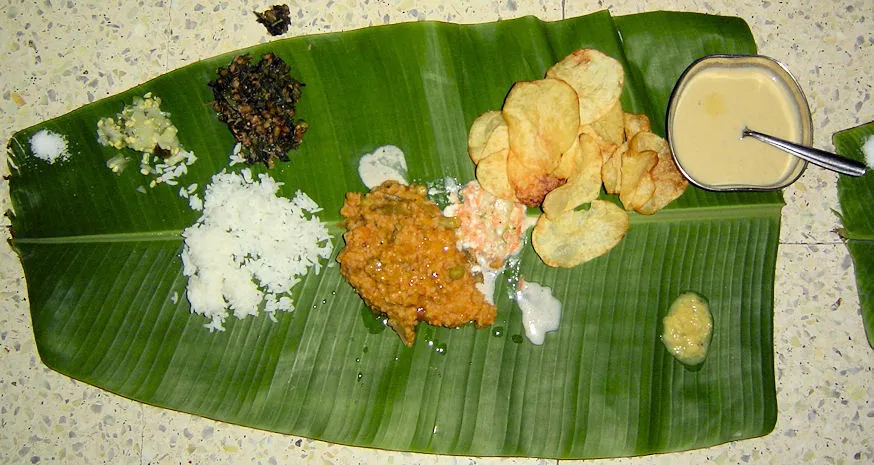
Fig.: अन्नम्
(Image source: Details)
Word formation:
pad 4 Ā:
pada n. पद : step, position, place
pāda m. पाद : foot, a quarter, verse line
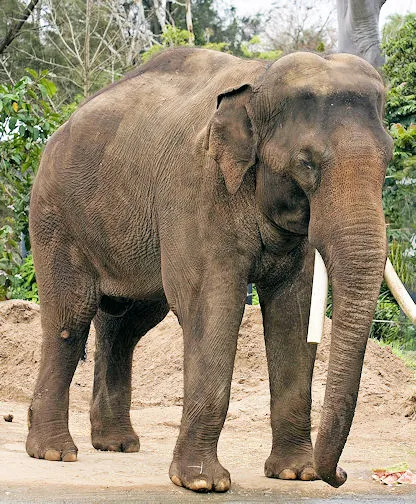
Fig.: चत्वारः पादाः : गजः
(Image source: Details)
dviṣ 2 U:
dveṣa द्वेष : hatred
Lesson 14
- śīla n. (शील) : (good) character, morality
- bhūṣ-aṇa n (भूषण) : ornament
- dīpa m. (दीप) : lamp
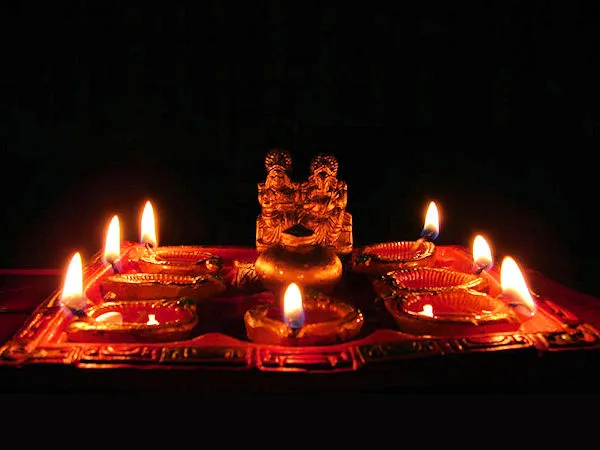
Fig.: दीपाः
(Image source: Details)
- bala n. (बल) : violence, power, strength; military force, army
- bāla 3 (बाल) : young, childish, foolish; m. boy
- bālā f. (बाला) : young girl
- nara m. (नर) : man, human being
- śatru m. (शत्रु) : enemy
- loka m. (लोक) : world; Sing. and Plur.: the people, the humans, the public
- jala n. (जल) : water
- jan 4 Ā (jāyate), Pass. janyate / jāyate, PPP jāta (जन् जायते जन्यते जायते जात) : to be born, to arise, to appear
- jan-a m. (जन) : creature, human being, people
- vac 2 P (vakti, no 3rd plural!), Pass. ucyate, PPP ukta (वच् वक्ति उच्यते उक्त) : to say, to speak to (accusative)
- uk-ti f. (उक्ति) : utterance, word
- vac-ana n. (वचन) : speaking, the word
- vāk-ya n. (वाक्य) : word, speech
Lesson 15
पुष्कल 3: splendid, magnificent, abundant
वा : or (postposed)
अथवा : or (preposed)
चतुर्थ 3 (f.: चतुर्थी): fourth
विद् "to find" 6 U विन्दति ; Pass. विद्यते ; PPP विन्न / वित्त
विद् "to know" 2 P वेत्ति ; Pass. विद्यते ; PPP विदित
पत् "to fly, to fall" 1 P पतति ; Pass. पत्यते ; PPP पतित
अर्ध 3: half, m.n. half
पूजा f.: honor, honorable reception, religious worship (Pūjā)
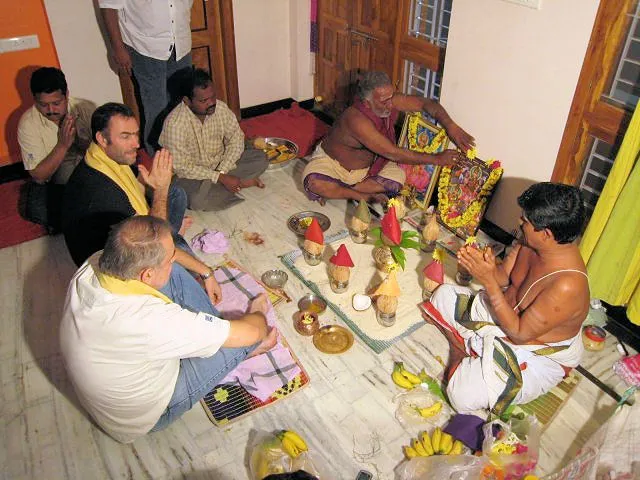
Fig.: पूजा
(Image source: Details)
कुल n.: herd, multitude, race, descent, family
इन्द्र m.: prince, first, best among ; king of gods Indra
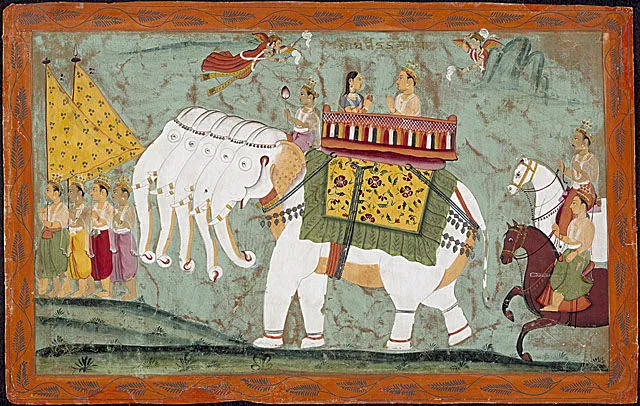
Fig.: इन्द्रः
(Image source: Details)
दास m.: slave, serf, servant
दासी f.: slave, serf, servant
काल m.: time, (right) moment ; fate, death ; death god Kāla
काल 3: black, bluish-black, dark
पुरुष m.: human, man, servant
-जन as the second member of Tatpuruṣas often expresses the plural
स्तु 2 स्तौति ; Pass. स्तूयते ; PPP स्तुत : to praise, to extol
therefrom:
स्तुति f.: praise, hymn of praise
स्तोत्र n.: (means of praise =) hymn of praise, hymn
सिंह m.: lion (Panthera leo persica)
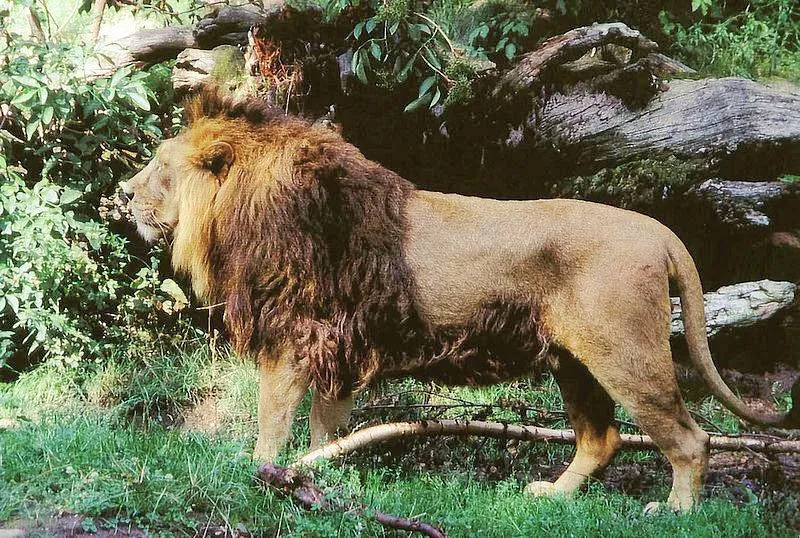
Fig.: सिंहः
(Image source: Details)
व्याघ्र m.: tiger (Panthera tigris tigris) (lit.: yawner)
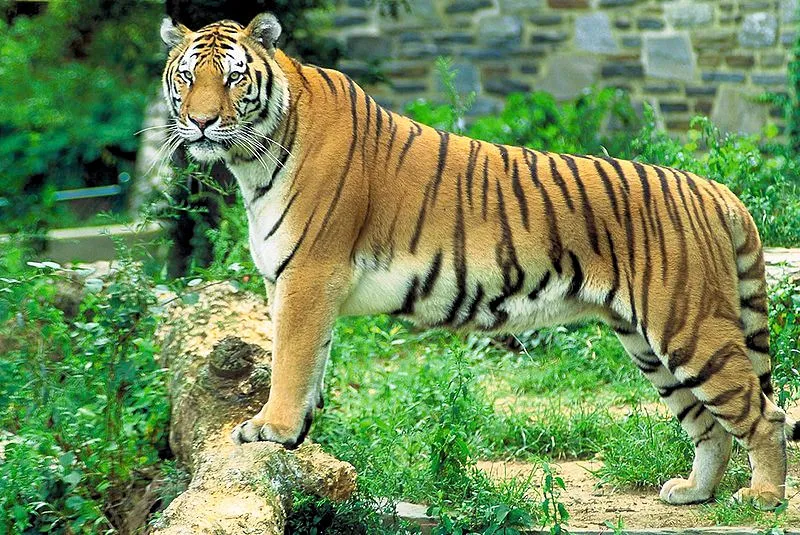
Fig.: व्याघ्रः
(Image source: Details)
इव (postposed): as if, like (in comparisons: व्याघ्र इव पुरुषः = "a man like a tiger", "a tiger-like man"
एव (postposed): emphasizes the preceding, in German often corresponds to emphasis, a kind of emoticon \<!\>, e.g. सत्यमेव जयति "only the truth prevails", "precisely the truth prevails", "the truth prevails"
अरि m.: enemy (according to Thieme, Der Fremdling im Ṛgveda: originally = foreigner)
आर्य 3: Aryan, noble ; m. Aryan (self-designation of the Sanskrit-speaking ancient Indians, literally: hospitable (Thieme)) ; noble, gentleman
to जन्
जाति f.: birth, kind, caste (to जाति as caste see Basham, Wonder, p. 148ff.)
मृ 4 Ā म्रियते ; Pass. म्रियते ; PPP मृत : to die (according to Indian grammarians: 6 Ā)
therefrom:
मरण n.: dying, death
मृति f.: dying, death
मृत्यु m.: death ; personified: death god
Lesson 16
अध्यापन n.: teaching, instruction
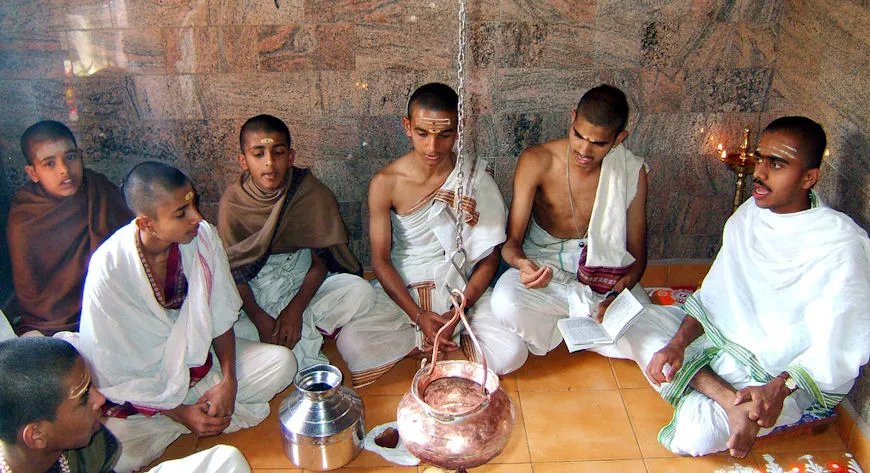
Fig.: अध्यापनम्
"This is a special ceremony in a small temple in Satara (सातारा). It is performed by the students of the Swami Muktananda Vedashala on the celebration of Mahāśivarātri. This is a vedic school, where children by heart the sacred texts called the Vedas. This school teaches the Krishna Yajurveda and some portions of the Samaveda. I'm doing my master's thesis on this school."
(Image source: Details)
अनसूया f.: non-murmuring, envylessness
नृशंस्य n.: malice, baseness
therefrom:
अनृशंस्य n.: non-maliciousness
जीव् 1 P जीवति ; Pass. जीव्यते ; PPP जीवित : to live
therefrom:
आजीव m.: livelihood
क्षमा f.: patience, forbearance, leniency
क्षेम n.: rest, peace, well-being, secure possession
चित्त n.: consciousness, thinking, mind
निरोध m.: stopping, bringing to a standstill
- bhūta n. (भूत) (PPP to bhū): being, ghost
योग m.: yoking, connection, union, acquisition ; Yoga
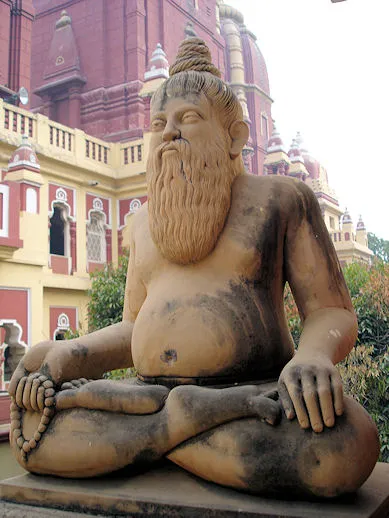
Fig.: योगी
Birla Mandir, Delhi
(Image source: Details)
वृत् 1 Ā वर्तते ; Pass. वृत्यते ; PPP वृत्त : to turn, to turn oneself, to be (somewhere), to dwell
शस्त्र (śastra) n.: cutting tool, cutting weapon, sword, weapon
शौच n.: purification, purity
साधन m.,n. साधनी साधना f.: leading to the goal, effective
अहिंसा f.: non-injury to anyone, non-violence, non-harming

Fig.: अहिंसा
"The hand with a wheel on the palm symbolizes the Jain Vow of Ahimsa. The word in the middle is "ahimsa". The wheel represents the dharmacakra which stands for the resolve to halt the cycle of reincarnation through relentless pursuit of truth and non-violence."
(Image source: Details)
Lesson 17
हन् 2 P हन्ति, घ्नन्ति Pass. हन्यते PPP हत : to strike, to kill, to slay
therefrom:
घात m.: killing
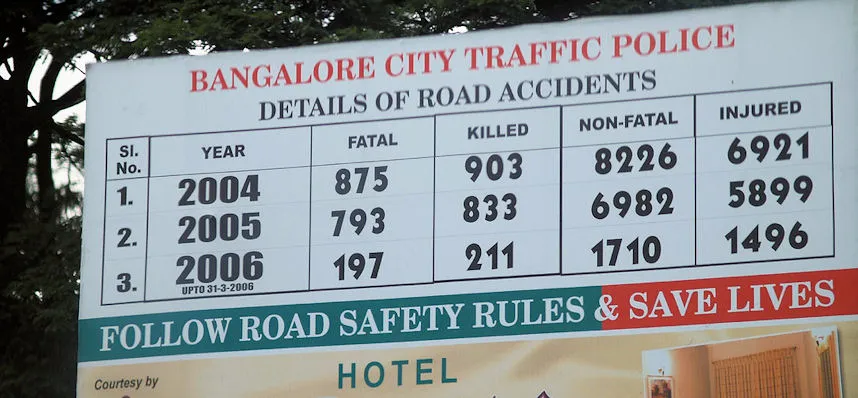
Fig.: घाताः
Bangalore = ಬೆಂಗಳೂರು
(Image source: Details)
आस् 2Ā आस्ते Pass. आस्यते PPP आसित : to sit
therefrom:
आसन n.: the sitting, seat; also: sitting positions of the yogin
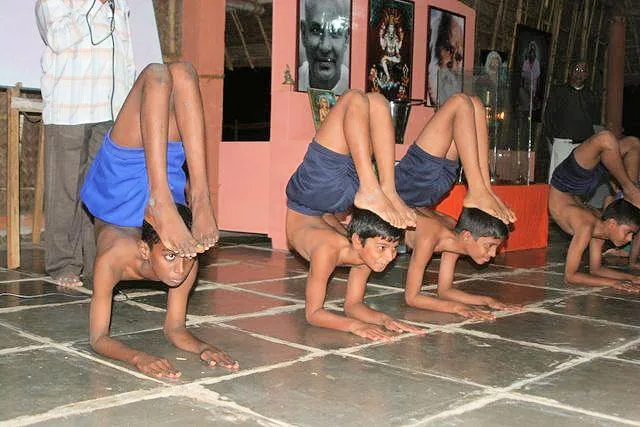
Fig.: योगासनम्
(Image source: Details)
रुद् 2 P रोदिति Pass. रुद्यते PPP रुदित : to weep, to howl
therefrom:
रुद्र m.: (the howler =) the storm god Rudra
ब्रू 2 U ब्रवीति Ā ब्रूते no passive and PPP: to speak, to say (something to someone: double accusative)
दुह् 2 U दोग्धि Pass. दुह्यते PPP दुग्ध : to milk
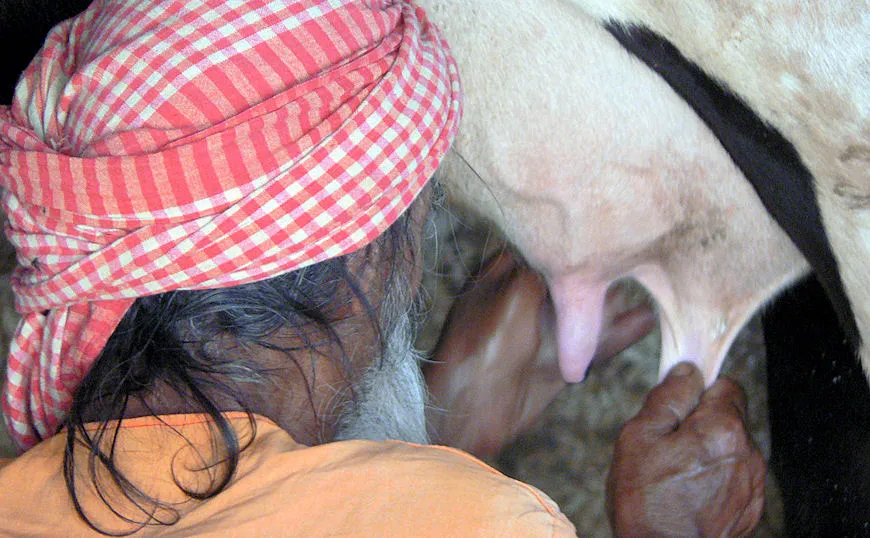
Fig.: दोग्धि
(Image source: Details)
दिश् 6 U दिशति Pass. दिश्यते PPP दिष्ट : to show, to instruct, to command
therefrom:
दिष्टि f.: instruction, fortunate circumstance
दिष्ट्या Instr.: (lit.: by a fortunate circumstance) O fortunate circumstance (exclamation of joy and bliss)
Lesson 18
सुष्टु 3: highly praised, excellent, good
शोभन 3: brilliant, magnificent, splendid, beautiful, good
सम 3: equal, even, similar (with instrumental)
व्याधि m.: illness
रिपु m. = शत्रु , fraudster
वह्नि m. = अग्नि
ज्ञान n.: knowledge
शूर 3: brave, heroic; m.: hero
शब्द m.: sound, tone, signal sound: word
उदक n.: water
अन्त m.: end, boundary
आदि m.: beginning
दण्ड m.: stick, club, punishment
मात्रा f. मात्र n.: measure, limitation
सहित 3: united, provided with
हस्त m.: hand
प्रभृति f.: beginning
Lesson 19
अर्थ m.: purpose, goal, meaning (of a word), wealth, property, assets. अर्थम् (acc.), अर्थेन (instr.) with gen. or as the second member of a tatpuruṣa compound: for the sake of ..., in order to.
अर्थ is one of the three aims of life (पुरुषार्थ), as described in secular and religious literature:
धर्म m.: acquisition of merit through doing what is right, or at least avoiding evil, which would result from non-observance of dharma
अर्थ m.: purpose-rational behavior, attainment of prosperity
काम m.: sensual pleasure, esp. also in the sexual sphere
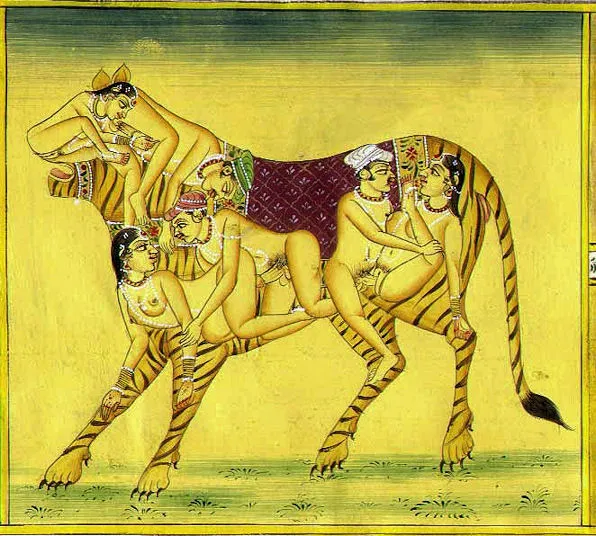
Fig.: कामः
Illustration to कामसूत्र
(Image source: Details)
स्था 1 P तिष्ठति Pass. स्थीयते PPP. स्थित : to stand, to remain, to persist, to be located. (Traditionally counted among the 1st present class, although it is a reduplicating thematic present class, as पा 1 पिबति)
स्था + उप 1 U उपतिष्ठति : to step forward, to place oneself in a reverent posture before someone
स्था + प्र 1 Ā प्रतिष्ठते : to break up, to go away
from स्था :
स्थान n.: place, (right) location, site
स्थिति f.: staying, steadfastness, persistence
गर्भ m.: womb, lap, interior, embryo / fetus. At the end of a Bahuvrīhi often: "interior", e.g.
धनगर्भ 3: "whose interior is money = in which money is located"
गर्भगृह n.: the innermost shrine room of a Hindu temple, which contains the most important deity image of the temple (for the structure of Hindu temples see: Volwahsen, A.: India: Buildings of the Hindus, Buddhists and Jains. -- Munich, 1968)
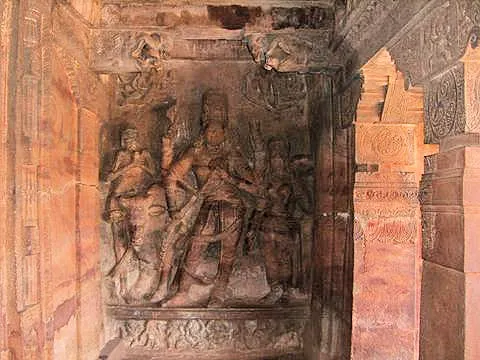
Fig.: गर्भगृहम्
Badami (ಬದಾಮಿ)
(Image source: Details)
वारिद m.: water-pourer = rain cloud
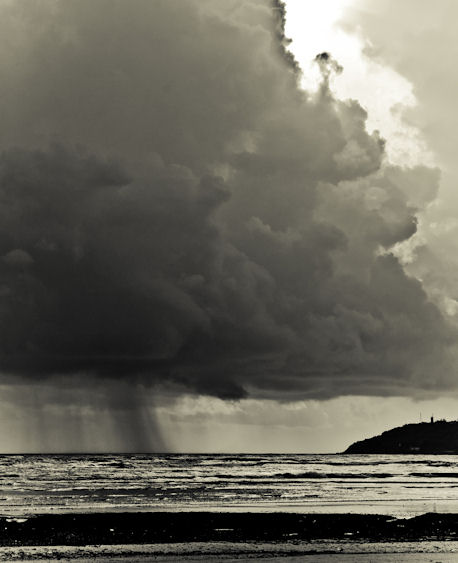
Fig.: वारिदः
Goa (गोंय)
(Image source: Details)
वा 2 P वाति Pass. वायते PPP. वान / वात : to blow
thereof:
वात m.: wind
वह् 1 U वहति Pass. उह्यते PPP ऊढ : to lead, to drive (trans.)
छत्त्र n.: parasol, umbrella
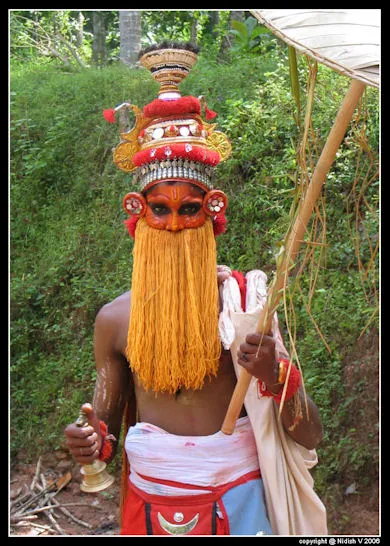
Fig.: छत्त्रम्
"Onappottan (ഓണപ്പൊട്ടന്), in traditional costume is a custom in sourthern parts of Kerala. Onappottan visists houses during the onam and gives blessings. Off late onappottan has become a rare sight, confined to villages."
(Image source: Details)
पण्डित m.: scholar, sage ; 3: clever, knowledgeable (in)
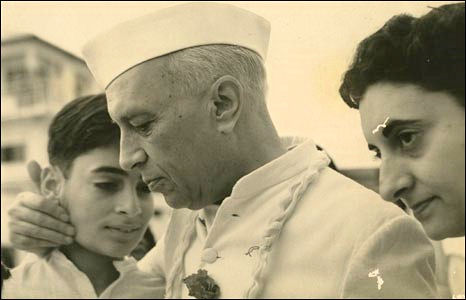
Fig.: पण्डितः जवाहरलाल नेहरू
१९५९
(Image source: Details)
सेव् 1 Ā सेवते Pass. सेव्यते PPP सेवित : to reside with, to inhabit (Acc., Loc.) ; to visit, to go to (Acc.) ; to serve, to tend, to worship ; to practice, to use ; to cohabit, to have sexual intercourse
नि prefix: down, into
सेव् + नि 1 Ā निषेवते : to reside with, to inhabit, to visit
अमुत्र : there, in the hereafter
इह : here, in this world
विद् 6 U विन्दति Pass. विद्यते PPP विन्न / वित्त : to find
भार्या f.: that which is to be preserved = wife
प्रिय 3: dear, pleasant
मित्र n. (!): friend
बान्धव m.: relative
हि : for, indeed (must never stand at the beginning of a sentence)
Lesson 20
वा : or
आश्रम m., n.: hermitage, stage of life, phase of life (namely as ब्रह्मचरिन्, गृहस्थ, वनप्रस्थ and possibly as सन्न्यासिन् ; see Basham, Wonder p. 159f.)
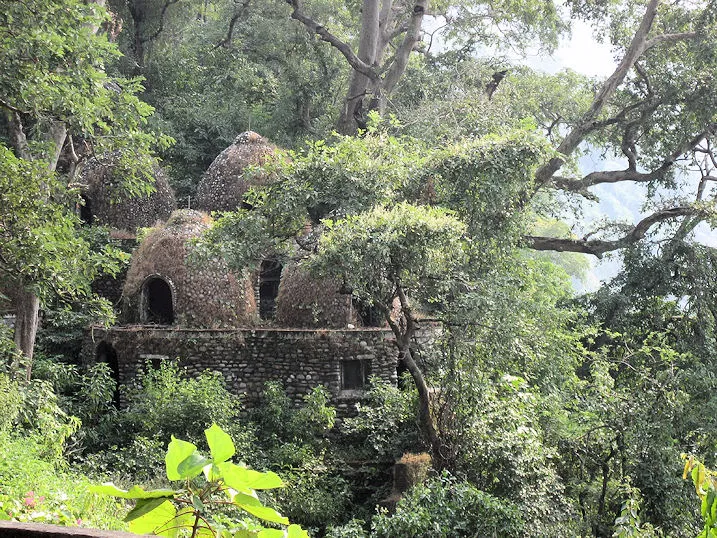
Fig.: आश्रमः
Rishikesh = ऋषिकेश. "This is actually part of the Ashram in Rishikesh where the Beatles stayed. This specific part was not there when they were there, but it does look cool."
(Image source: Details)
कर ३ f. करी । करा : doing, making, causing
कर m.: hand (to कृ 8)
कर m.: payment, tribute, tax (not to be confused with कृ, but probably a loanword from Tamil - தமிழ்)
क्रिया f.: action, sacred action, sacrificial action, ceremony (to कृ 8)
अधि prefix: over, on, up, with reference to
गम् +अधि 1 P अधिगच्छति : to encounter, to reach, to attain
तनूकृ 8 U तनूकरोति : to reduce, to weaken
दायक ३ f.: दायिका : giving, bestowing
नृप m.: "protector of men" = king
प्रणिधान n.: application, effort, attention against, helpfulness, reflection, vow
बाधना f.: distress, plague, torment
भार्या f.: "that which is to be maintained" = wife
भावना f.: meditative unfolding (to भू causative)
मही f.: earth, ground, soil
लक्षण n.: feature, sign, attribute
विप्र m.: "trembler" = poet, singer, priest, Brahmin
विषय m.: area, region, object, sense object
अपवर्ग m.: end, liberation
नि prefix: downwards, down, into, backwards
वृत् + नि 1 Ā निवर्तते : to turn around, to return
सद् 1 P सीदति (!) Pass. सद्यते PPP सन्न : to sit, to settle
सद् + प्र 1 P प्रसीदति : to sit, to be seated (in a figurative sense) = to become composed, calm, cheerful; to be gracious to someone (Genitive षष्ठी)
समाधि m.: inner collection, highest attention, meditative "absorption"
स्वाध्याय m.: "self-study", recitation (especially of the Veda), Vedic study
परलौकिक ३ : pertaining to the beyond, otherworldly
तनु ३ : slender
मध्य ३ : middle; n. middle
पृथु ३ (पृथ्वी) : wide, broad, large
श्रोणि । श्रोणी f.: hip
रक्त ३ : colored, red
ओष्ठ m.: lip
असित ३ : dark, black
ईक्ष् 1 Ā ईक्षते Pass. ईक्ष्यते PPP ईक्षित : to see
नम् 1 P नमति Pass. नम्यते PPP नत : to bend
उद् prefix: up, upward, out, out-
नाभि f.: navel
वपुस् n.: beauty, form, body (declension see later)
स्त्री f.: woman
स्तन m.: breast
दरैद्र ३ : poor
ऋध् 5 P ऋध्नोति Pass. ऋध्यते PPP ऋद्ध : to thrive
ऋध् + सम् : to thrive; PPP: successful, rich
विचित्र ३ : colorful, diverse, beautiful, wonderful, strange
विधि m.(!): arrangement, law, regulation; creation, fate
चेष्ट् 1 Ā चेष्टते Pass. चेष्ट्यते PPP चेष्टित : to stir
Lesson 21
भज् 1 U भजति Pass. भज्यते PPP भक्त : to allot to someone (Acc.) something, to grant, to love someone, to honor, to revere
thereof:
भक्ति f.: devotion, loyalty, love (in the religious sphere: love and respect for a personal god. see also Basham, Wonder pp. 332f.)
भाग m.: share, part
भग m.: (good) share, fortune, well-being, dignity
भगवन्त् 3: fortune-having, dignity-having (epithet of विष्णु – कृष्ण)
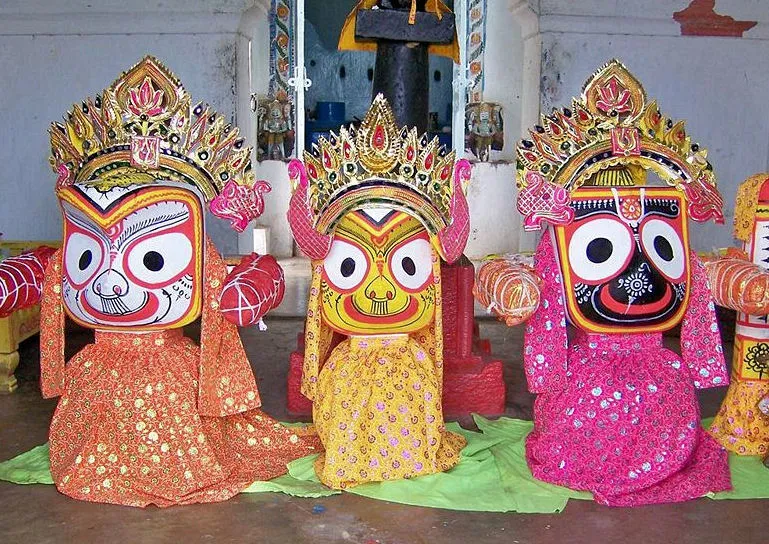
Fig.: भगवान्कृष्णः
भगवान्कृष्णः as जगन्नाथ (right) with his half-sister सुभद्रा (center) and his older brother बलराम, Orissa = ଓଡ଼ିଶा
(Image source: Details)
भगवद्गीता f.: "Song (गीता) of the Venerable One (कृष्ण)"
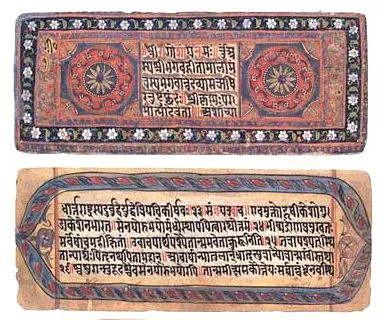
Fig.: भगवद्गीता
भगवद्गीता - Manuscript, 19th century
(Image source: Details)
भिक्ष् 1 Ā भिक्षते Pass. भिक्ष्यते PPP भिक्षित (actually a desiderative of भज्: to wish that one participates): to beg
from which:
भिक्षु m.: beggar, monk
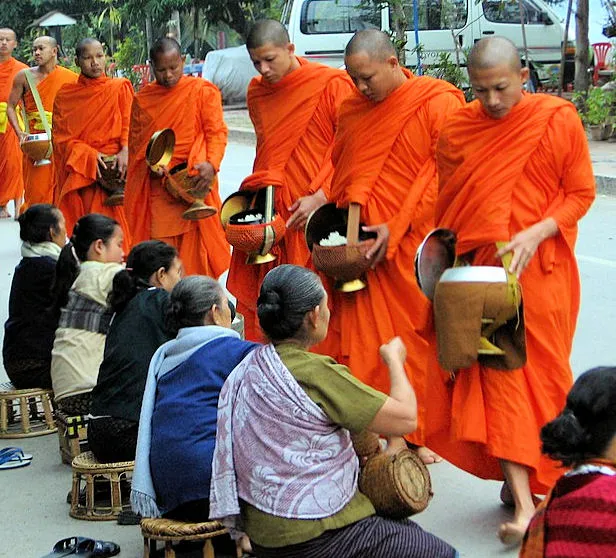
Fig.: भिक्षवः
Luang Prabang = ຫລວງພະບາງ, Laos = ປະເທດລາວ
(Image source: Details)
दुष् 4 P दुष्यति Pass. दुष्यते PPP दुष्ट : to spoil (intransitive), to go bad, to be disgraced
दोष m.: error
पच् 1 U पचति Pass. पच्यते (no PPP, instead पक्व 3: cooked, fermented) Absol. पक्त्वा : to cook (transitive) = to boil, to roast, to toast, etc.
Lesson 22
काम m.: wish, desire; desired gift, sensual pleasure, love, god of love
कामम् Acc. adverbially: according to wish, according to one's heart's desire
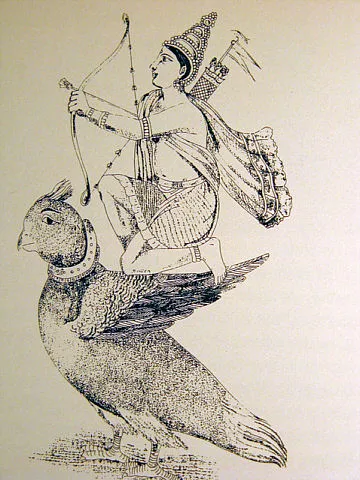
Fig.: कामदेवः
19th century
(Image source: Details)
शक् 5 P शक्नोति Pass. शक्यते PPP शक्त Inf. शक्तुम् : to be able, to be capable
from which:
शक्ति f.: ability, power, capability, strength; also: divine power, personified as female companion esp. of शिव
शक्र m.: the Powerful (epithet of इन्द्र)
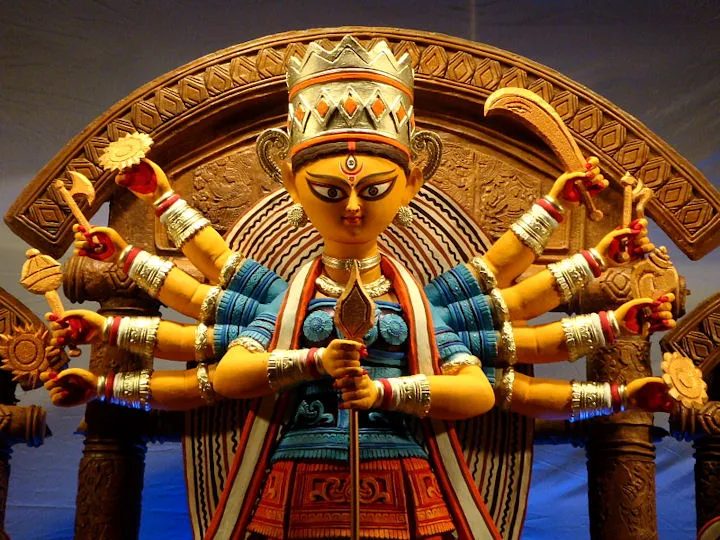
Fig.: दुर्गाशक्तिः
Kolkatta = কলকাতা
(Image source: Details)
अर्ह 1 P अर्हति Pass. अर्ह्यते PPP अर्हित Inf. अर्हितुम् : to deserve (to be worthy of something), to be allowed, to be obliged to, should (in the 2nd person, अर्ह् + infinitive is often used as a mild command: "You should")
अर्हन्त् 3 Pres. Part. P: a Venerable One. In Buddhism and Jainism: someone who has attained final liberation
व्रत n.: vow, religious duty, religious observance (one promises something to the deity in order to obtain something from it. Example: a mother promises to dedicate her daughter as a temple prostitute (देवदासी) if her daughter recovers. Important व्रत today: fasting; abstinence from foods one loves; sexual abstinence; reading sacred texts; performing certain rituals; feeding Brahmins, etc. Briefly on व्रत: Walker, Hindu World Vol. II, p. 581f. Detailed: P. V. Kane: History of Dharmaśāstra Vol. 5,1 p. 1 - 462. There p. 253 - 462 list of व्रत and religious festivals ("the following list ... does not claim to be thoroughly exhaustive" !!!)
चर् 1 P charati Pass. charyate PPP charita Inf. charitum (Sanskrit: चर् 1 P चरति Pass. चर्यते PPP चरित Inf. चरितुम्) : to graze, to wander, to stir, to move, to act, to exercise, to perform (e.g. व्रतं चर्: to practice a vow, esp. sexual abstinence)
davon:
चर ३: mobile; n.: the mobile = animals (as opposed to plants)
चरण n., m.: foot
चरित n.: way of life, life deeds
ब्रह्मचर्य n.: performance of the Veda (ब्रह्मन्) = study of the Veda in the first stage of life (that of the ब्रह्मचारिन्), which requires strict sexual abstinence; therefore also: sexual abstinence, celibate way of life
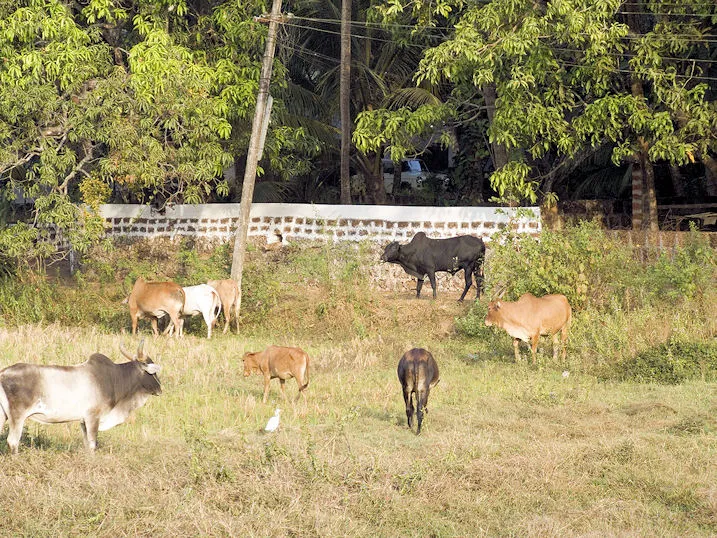
Fig.: धेनवश्चरन्ति
Goa = गोंय
(Image source: Details)
Lesson 23
समान ३: equal
सामान्य n.: equality, agreement
अधिक ३ : superfluous, additional, greater, better, extraordinary
विशेष m.: peculiarity, specification, differentia specifica
Lesson 24
अलम् Adverb: enough, sufficient, (someone, something) equal to ; with Dative: enough for, sufficient for, equal to ; with Instrumental: enough with, desist from , e.g. अलं क्रोधेन = "enough with anger = desist from anger!"
In the same way as अलम् with Instrumental is used:
कृतम् : कृतं क्रोधेन = "It is done with anger = desist from anger!"
अलम् + कृ 8U अलंकरोति : to adorn
अलंकार m.: ornament, means of adornment (in poetry)
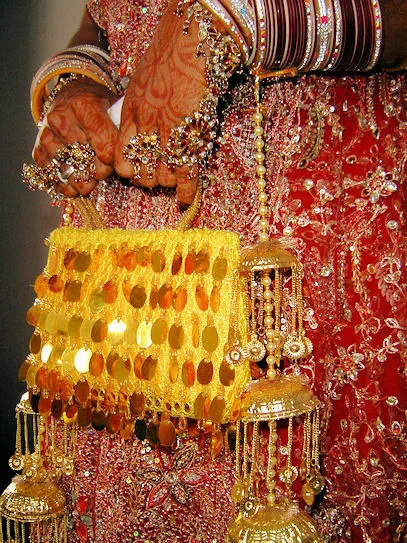
Fig.: अलंकारः
(Image source: Details)
हेतु m.: impulse, motivation, cause, reason ; हेतुना, हेतोस्, हेतवे with Genitive or as the second member of a compound = "for the sake of ..., because of"
प्रतिमा f.: image, likeness
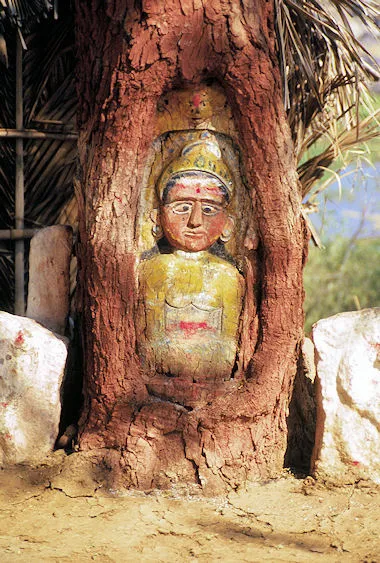
Fig.: देवीप्रतिमा
Hampi = ಹಂಪೆ, Karnataka = ಕರ್ನಾಟಕ
(Image source: Details)
वृत् + प्र 1Ā प्रवर्तते : to occur, to happen, to arise
From वृत्:
वृत्ति f.: behavior, activity, way of life
वृत्त n.: behavior
अभि Preverb: be-, after - towards, to - towards, to - towards, against, in - into, in relation to, on, over, at
नि Preverb: downwards, down, into, backwards
आ Preposition / Postposition: before Ablative or after Accusative: up to, up to ; with Ablative: from, from, since
अतस् Indeclinable: from there, then, therefore, hence (Pronominal stem a- "this" + Ablative suffix -tas)
अध्यक्ष m.: supervisor, department head ; eyewitness
इन्द्रिय n.: power, sense organ
ऊह m.: consideration, argumentation
thereof
अपोह m.: negation (अप + ऊह)
ऊहापोह m.: discussion of the pros and cons
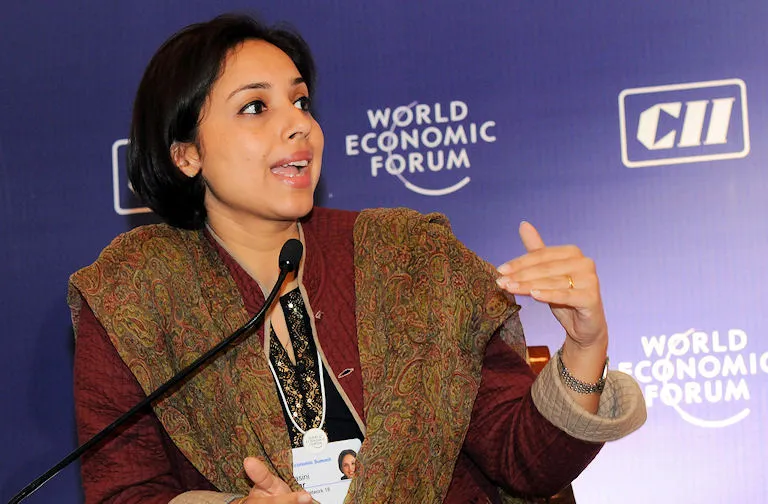
Fig.: ऊहापोहः
"NEW DELHI/INDIA, 16NOV08 - Suhasini Haidar, Deputy Foreign Editor, CNN-IBN Network 18, India, moderates a panel discussion at the World Economic Forum's India Economic Summit 2008 in New Delhi."
(Image source: Details)
औपकारिक 3 f.: -ई : useful
कुप्य n.: forest product, metal (not precious metal)
ख्या 2P ख्याति PPP ख्यात : to see, to become visible ; to name, to explain, to communicate
ख्या + आ 2P आख्यात : to tell
of:
आख्यान n.: narrative
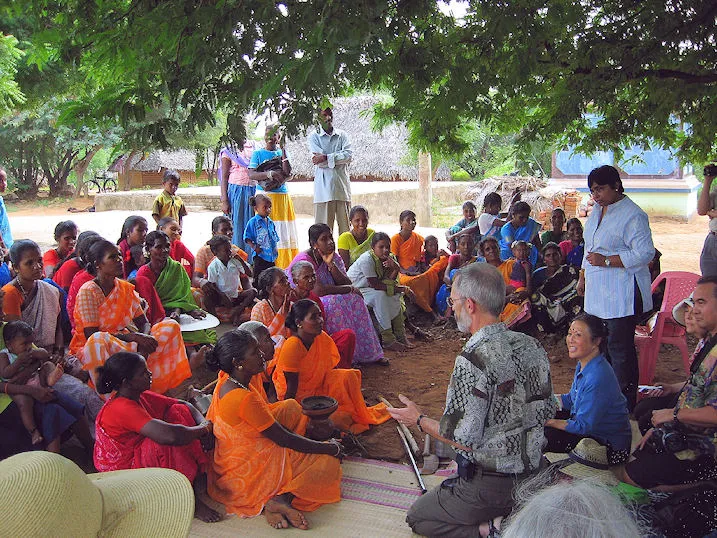
Fig.: आख्यानम्
"San Francisco storyteller Jeff Byers shares a story with the residents of Chenneri, an Irula village. Storyteller Jeeva Raghunath translates into Tamil for the villagers."
(image source: Details)
ख्या + सम् 2P संख्याति : to count, to calculate
of:
संख्या f.: counting, enumeration; सांख्य n.: one of the six philosophical systems (short: Basham, Wonder p. 326f.)
ग्रहण n.: grasping
चौल n.: ceremony (संस्कार) of hair cutting (at the age of 3 years)
तत्त्व n.: true nature, truth, reality (तद् + त्व = this-ness)
स्वस्ति f.: happiness, salvation (nominal formation from सु अस्ति = "it is good")
नमस् n.: bowing, reverence, greeting (declension later). Greeting formula: नमो नमः
of:
कृ + नमस् 8 नमस्करोमि : to bow, to revere, to greet
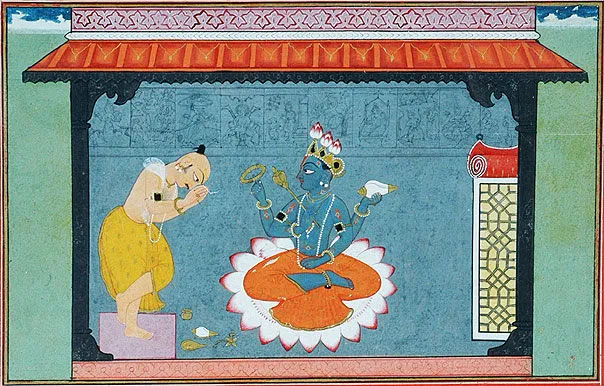
Fig.: जयदेवकविर्विष्णुं नमस्करोति
Manuscript of the गीतगोविन्द, 1730 CE
(image source: Details)
स्वागत n.: welcome (from su-ā-gata)
तृण n.: blade of grass
पुनर् Adverb: again, back, but
Lesson 25
त्यज् 1P त्यजति to leave, to abandon, to leave behind
Fut. त्यक्ष्यति
Pass. त्यज्यते
PPP त्यक्त
Inf. त्यक्तुम्
Absol. 2: -त्यज्य
of:
त्याग m.: abandonment, renunciation, avoidance
दार m. pl. (!!!): wife
द्रव्य n.: object, property, material possession, money
धान्य n.: threshed grain
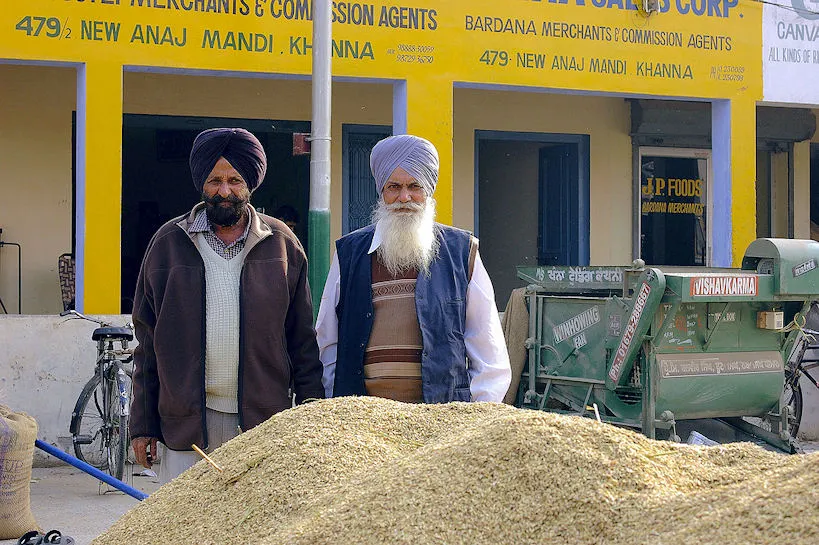
Fig.: धान्यम्
(image source: Details)
धृ 1U धरति : to hold, to hold fast
Fut. धरिष्यति
Pass. ध्रियते
PPP धृत
Inf. धर्तुम्
Absol. 2: -धृत्य
of:
धर्म m.: that which is firm and holds fast = Dharma
नित्य ३ : constant, enduring, eternal
नित्यम् Adv.: always, constantly, ever
प्रज्ञा f.: wisdom, knowledge
प्रदान n.: giving, donation; gift, donation
मद् 4 P माद्यति (!) : to rejoice, to be intoxicated by something (Instr., Gen., Loc.)
Fut. मदिष्यति
Pass. मद्यते
PPP मत्त
Inf. मदितुम्
of:
मद m.: intoxication, sensual intoxication = sensual pleasure
मान m.: assessment, reputation, fame, honor, pride, conceit, sense of inferiority; (one measures oneself against others)
यदि Conjunction: if
न्याय m.: rule, principle, method, judgment (juridical), logic (from ni + i +a)
अन्यथा Adv.: otherwise, wrongly, incorrectly
या 2P याति, यान्ति = गम्
Pass. यायते
PPP यात
Inf. यातुम्
Absol. 2: -याय
दारिद्र्य n. = दरिद्रस्य भावः
प्रदान n. = दान
शास् 2P शास्ति, शासति (3. pl.) : to command, to teach, to punish
Pass. शिष्यते
PPP शिष्ट ३ : taught
Absol 1.: शासित्वा / शिष्त्वा
of:
शिक्षा f.: science, instruction; phonetics
स्तेन m.: thief
स्तेय n.: theft
किल्बिष n.: guilt, insult, sin
विना Postposition: without, except (with Acc., Instr., Abl.)
मूल n.: root
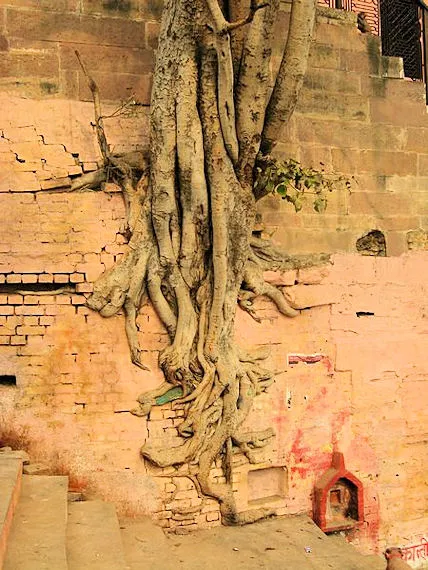
Fig.: मूलानि
(Image source: Details)
लिप् 6U लिम्पति (!): to smear, to anoint
Fut. लेप्स्यति
Pass. लिप्यते
PPP लिप्त
Inf. लेप्तुम्
therefrom:
लिप्ति f.: smearing, writing, script
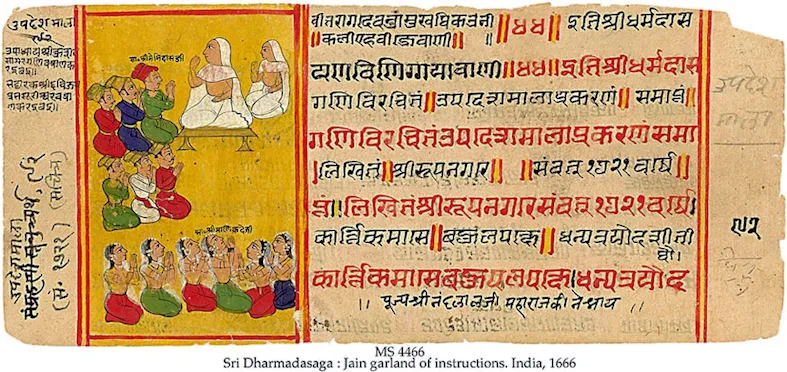
Fig.: लिप्तिः
(Image source: Details)
वर्ष n.,m.: rain, rainy season, year
वह् 1U वहति : to lead, to drive, to blow (wind)
Fut. वक्ष्यति
Pass. उह्यते
PPP ऊढ
Inf. वोढुम्
Absol 2: -उह्य
वह् + वि 1P विवहति : to lead away (namely the bride from her parents' house) = to marry
therefrom:
विवाह m.: leading away, marriage of a woman (Instr., saha) (for marriage see Basham, Wonder pp. 166-171)
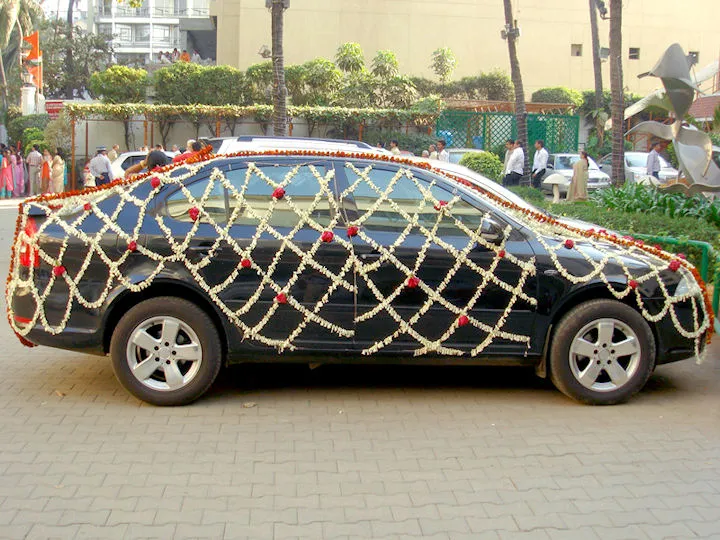
Fig.: विवाहः
(Image source: Details)
नी + वि 1U विनयति : to lead away, to instruct, to educate
therefrom:
विनय m.: removal, education, discipline, buddhist.: monastic discipline, monastic law
विज्ञान n.: knowledge, cognition
विष्टि f.: work, corvée
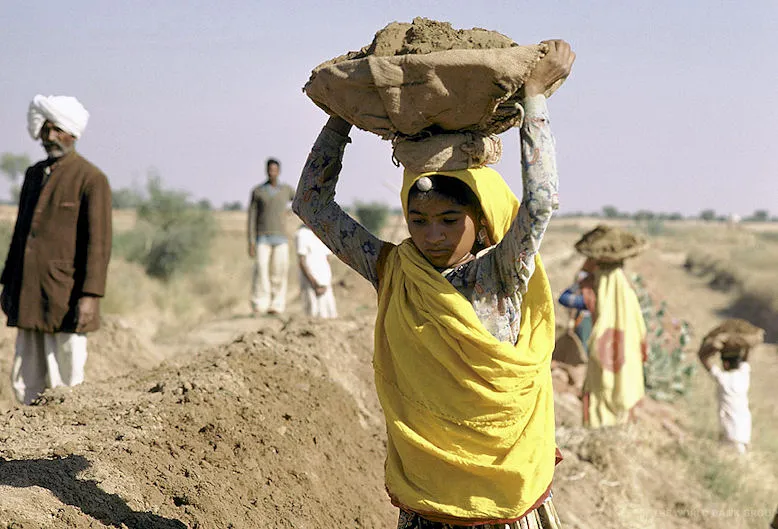
Fig.: विष्टिः
(Image source: Details)
वृध् 1Ā वर्धते : to grow, to become larger
Fut. वर्धिष्यते
Pass. वृध्यते
PPP वृद्ध : grown, old, increased
Inf. वर्धितुम्
therefrom:
वृद्धि f.: growth, increase, guṇa stage (from: vṛdh-ti)
सामर्थ्य n.: that which corresponds to its purpose
स्वभाव m.: being, nature, character
हर्ष m.: (raising of the body hair), joy
हिरण्य ३ : golden; n.: gold, money, wealth
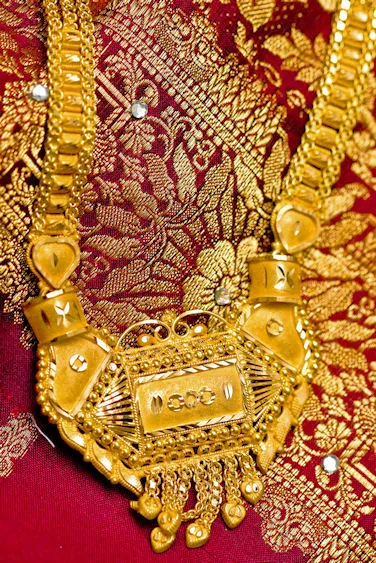
Fig.: हिरण्यम्
(Image source: Details)
अणु ३ : thin, fine, very small; m.: atom
गोदान n.: giving of cows / of a cow; second hair-cutting ceremony (a संस्कार)
Lesson 27
वस् 1P (वसति): to stay, to dwell (with locative of the person with whom one dwells)
Fut.: वत्स्यति:br Pass.: उष्यते:br PPP: उषित:br Inf.: वस्तुम्
therefrom:
वस्तु n.: seat, place; reality, real thing, actuality, object
वस्तुतस्: in reality, actually
वस् 2Ā (वस्ते): to put on (clothing), to wear (clothing)
Fut.: वसिष्यते:br PPP: वसित:br Inf.: वसितुम्
therefrom:
वस्त्र n.: means to put on = garment, robe, fabric
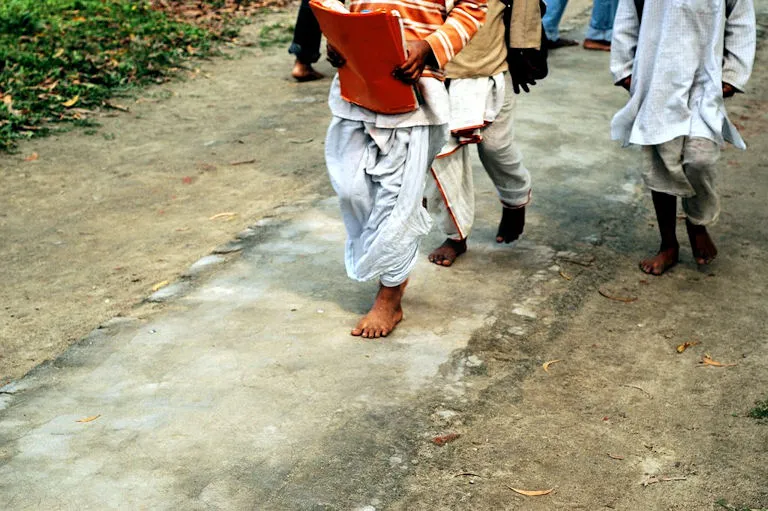
Fig.: वस्त्राणि
Vastrāṇi. Majuli, Assam.
(Image source: Details)
वस् 6P (उच्छति): to shine forth (this root is important due to the nominal formations:)
वसु n.: wealth, treasure, property, possession
वसन्त m.: ("shining" =) spring (March to May)
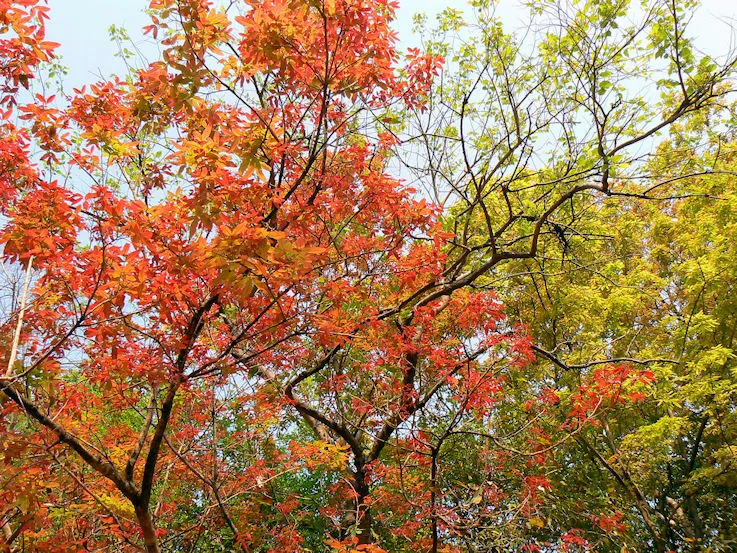
Fig.: वसन्तः
Vasanta (Schleichera oleosa), Khopoli, Maharashtra, 2007-04-07.
(Image source: Details)
हृ 1U (हरति): to hold, to carry; to fetch, to take away, to plunder
Fut.: हरिष्यति:br Pass.: ह्रियते:br PPP: हृत:br Inf.: हर्तुम्
from this:
हर 3: taking away; m.: the Destroyer = epithet of Śiva
Counterpart to हर:
हरि 3: blond, yellow, green; m. epithet of Viṣṇu (does not belong to the root हृ 1)
हरिहर m.: Viṣṇu and Śiva united as a single deity.
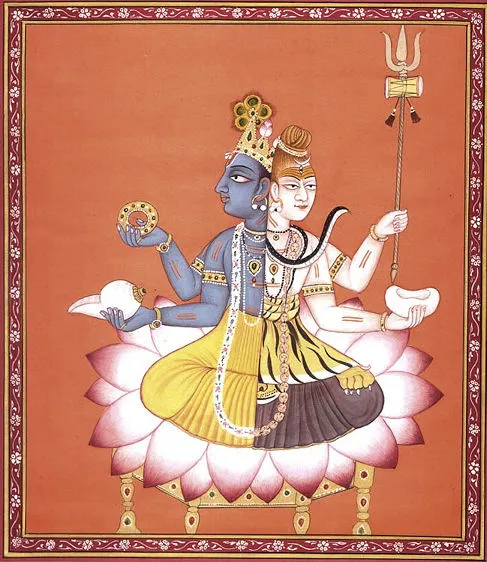
Fig.: हरिहरः
Harihara (left: Viṣṇu, right: Śiva).
(Image source: Details)
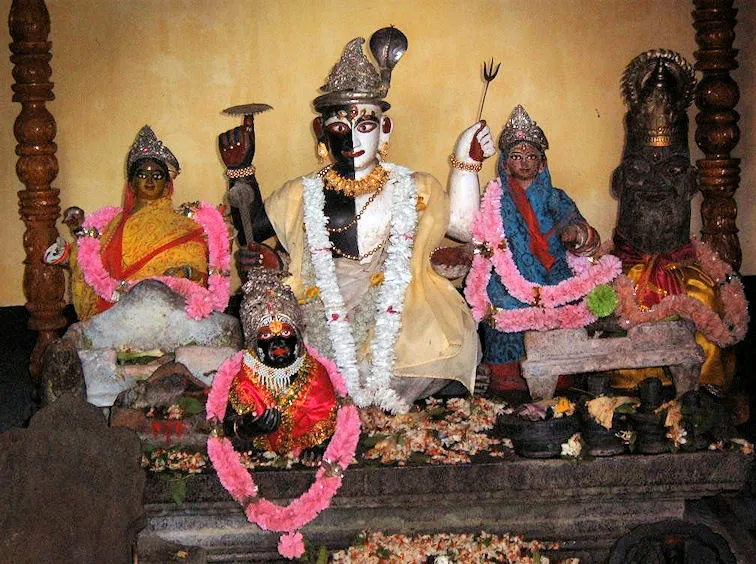
Fig.: हरिहरः
Harihara (left: Viṣṇu, right: Śiva). Godrumdwip, West Bengal.
(Image source: Details)
Lesson 28
विद् 2P वेत्ति, विदन्ति: to know, to recognize
Fut. vediṣyati
Pass. vidyate
Caus. vedayati
PPP vidita
Inf. vediṣyum
from this: vidyā f., veda m.
विद् 6U विन्दति (!): to find
Fut. vediṣyati / vetsyat
Pass. vidyate: there is, it exists
Caus. vedayati
PPP vinna / vitta
Inf. vediṣtum / vettum
i + adhi 2Ā adhīte, adhīyate: to study, to memorize
Caus. adhyāpayati: to cause to study, to teach
from this: adhyayana n.: study (esp. of the Veda); adhyāya m.: lesson, chapter (section for memorization)
कम् 10Ā कामयते: to love
Fut. kāmayiṣyate / kamiṣyate
Pass. kāmyate
Caus. kāmayati
PPP kānta (!)
Inf. kāmayitum / kamitum
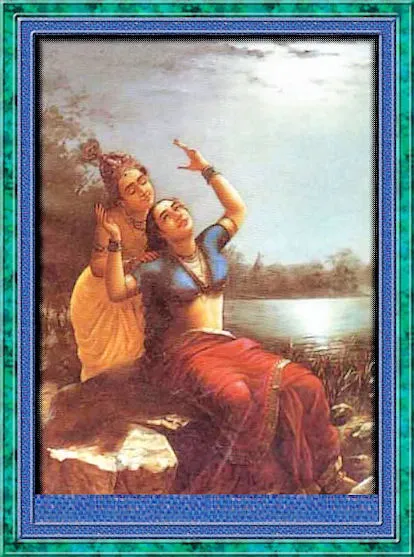
Fig.: कृष्णो राधां कामयति
Painting by राजा रवि वर्मा (1848 - 1906)
(Image source: Details)
चुर् 10 चोरयति: to steal
Fut. corayiṣyati
Pass. coryate
Caus. corayati
PPP corita
Inf. coritum
Remember especially the meaning of the causatives of the following verbs:
dṛś — darśayati: to show
man — mānayati: to esteem, to honor (but is probably a denominative from māna "honor")
vac — vācayati: also: to read aloud (to cause a text to be spoken)
vad — vādayati: also: to cause a musical instrument to speak = to play a musical instrument
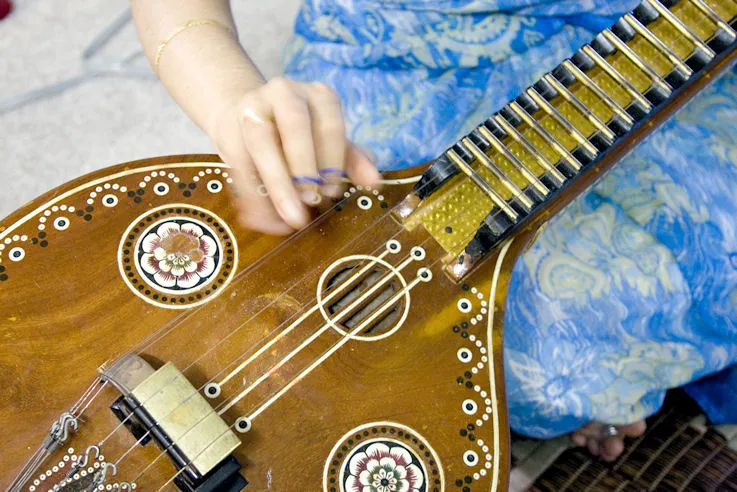
Fig.: वीणां वादयति
Vīṇā-Spielerin.
(Image source: Details)
भार m.: burden
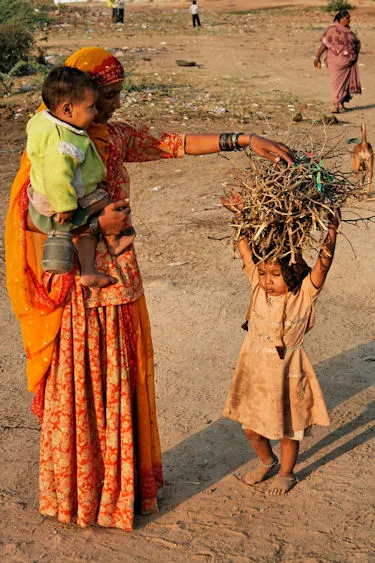
Fig.: बाला भारं हरति
Girl carrying burden. Near Ahmedabad.
(Image source: Details)
भृत्य m.: subordinate, servant
Lesson 29
Prefixes:
उद्° : up, upward, aloft, out, out-
परि° : around, about (place, time), about
भू + परि 1P परिभवति : (to become around someone = to encircle =) to master, to conquer; to disregard, to despise
अवज्ञान n.: disregard
गुप्त 3: protected, guarded
गृहस्थ 3: located in the house; m. householder (someone who is in the 2nd आश्रम)
ग्रस् 1Ā ग्रसते : devour, eat voraciously
Fut. ग्रसिष्यते
Pass. ग्रस्यते
Kaus. ग्रासयति
PPP ग्रस्त
Inf. ग्रसितुम्
तीक्ष्ण 3: "wild", sharp, pointed, strict, fierce, sharp-tongued
न्याय m.: norm, rule, right manner; method, logic (from इ + नि)
परिव्राजक m.: wanderer, wandering monk, pilgrim
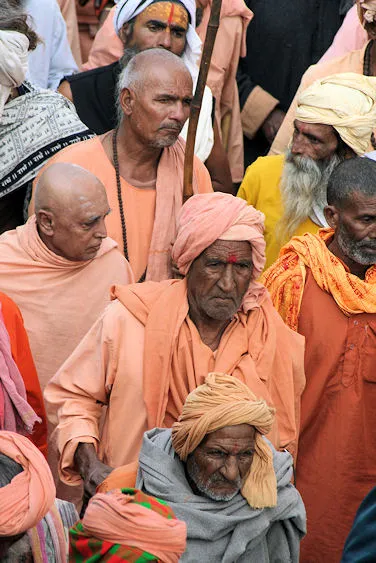
Fig.: परिव्राजकाः
Pushkar = पुष्कर
(Image source: Details)
पालयति : also synonymous with पाति
पुनर् Indecl.: again, again and again, back, once more ; however, but (before voiced sounds except r-: पुनर्)
प्रजा f.: procreation, birth, offspring
मत्स्य m.: fish
therefrom:
मात्स्य 3: belonging to the fish (to fish)
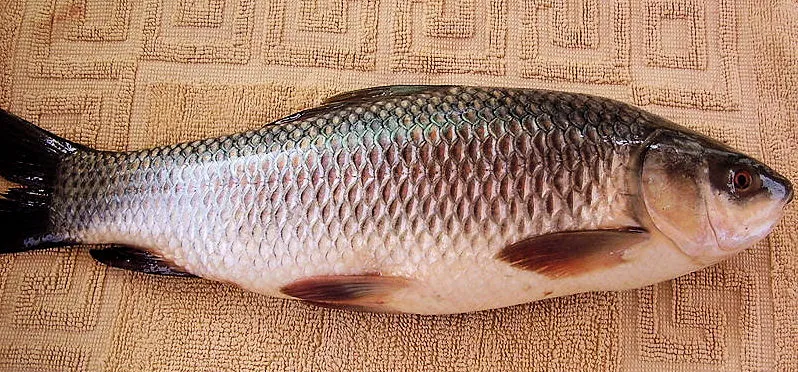
Fig.: मत्स्यः
रोहू मछली = Labeo rohita Hamilton
(Image source: Details)
मृदु 3 (f.: मृद्वी): gentle, mild, soft ; slow, weak
यथा Adv.: how, as if
रम् 1Ā रमते : stand still, rest, linger ; take pleasure, delight
Fut. रंस्यते
Pass. रम्यते
Kaus. रमयति
PPP रत
Inf. रन्तुम्
वानप्रस्थ m.: forest hermit (one who is in the 3rd आश्रम)
शुचि 3: shining, gleaming, fine ; m.: purity
पूज् 10P पूजयति : honor, revere
PPP पूजित
Lesson 30
क्री 9U क्रीणाति : buy
Fut. क्रेष्यति
Pass. क्रीयते
PPP क्रीत
Inf. क्रेतुम्
क्री + वि 9Ā विक्रीणीते : sell
Absol. विक्रीय
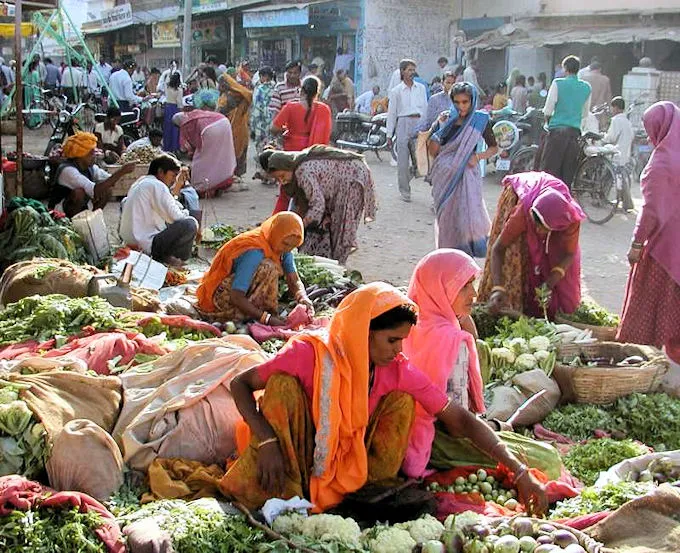
Fig.: क्रीणन्ति विक्रीणते च
Bundi = बुन्दी, Rajasthan = राजस्थान
(Image source: Details)
ज्ञा 9U जानाति : know, recognize, know, understand
Fut. ज्ञास्यति
Pass. ज्ञायते
Kaus. ज्ञापयति
Kaus. PPP ज्ञप्त / ज्ञापित
PPP ज्ञात
Inf. ज्ञातुम्
therefrom:
ज्ञाति m.: (blood) relative (relatives are those whom one knows!)
ज्ञान n.: knowledge, wisdom, understanding (esp. of the "higher" truths in religion and philosophy)
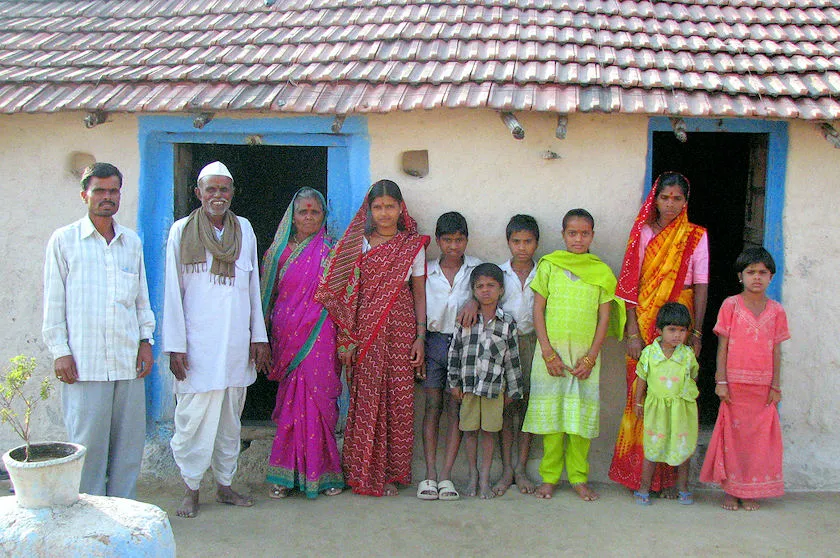
Fig.: ज्ञातयः
Darewadi, Ahmed Nagar District = अहमदनगर, Maharashtra = महाराष्ट्र
(Image source: Details)
पू 9U पुनाति : purify
Fut. पविष्यति
Pass. पूयते
Kaus. पावयति
PPP पूत
Inf. पवितुम्
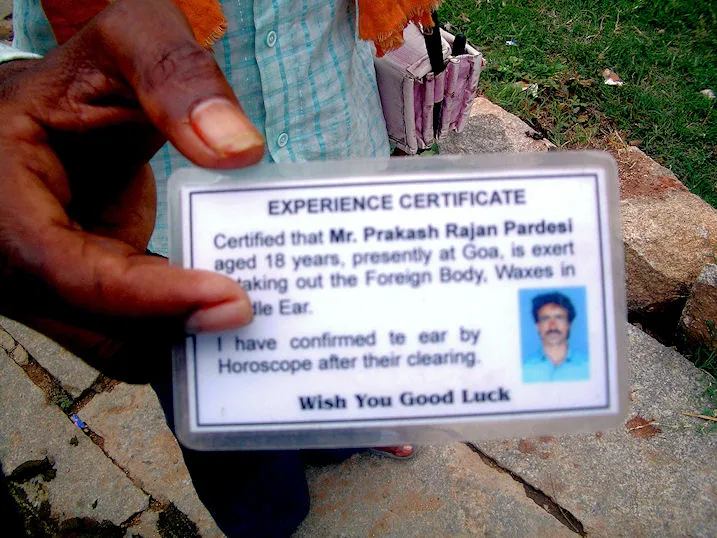
Fig.: श्रोत्राणि पुनाति
(Image source: Details)
अश् 9P अश्नाति : eat, devour
Fut. अशिष्यति
Pass. अश्यते
Kaus. आशयति
PPP अशित
Inf. अशितुम्
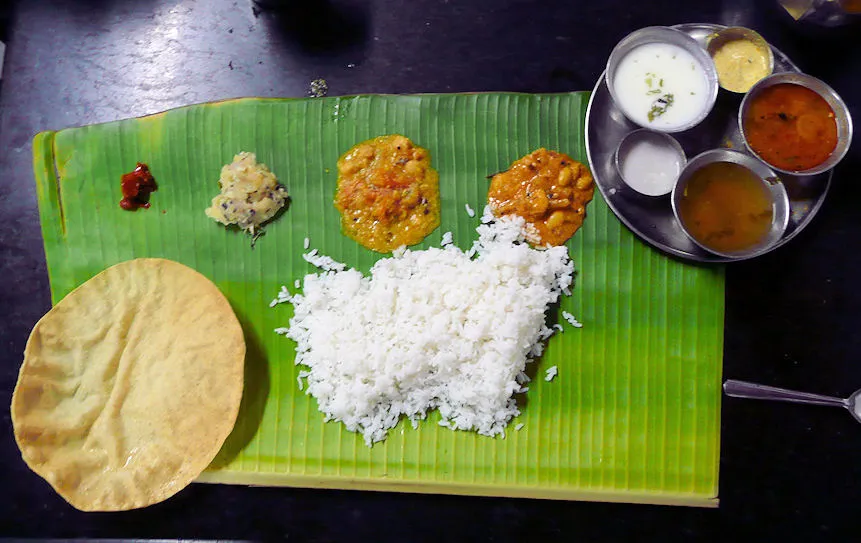
Fig.: अश्नीयात्
थाली, South India
(Image source: Details)
प्रिय ३: dear, loving, friendly

Fig.: प्रिया
(Image source: Details)
चेत् Conjunction: if; provided that (never stands at the beginning of a sentence)
न चेत् : if not
यदि Conjunction: if
यद्यपि : even if, although
यद्येवम् : if it is so, under these circumstances
पुनर् : again, repeatedly, back, once more, on the contrary, but
पुनः पुनर् : repeatedly
thereof:
पुनर्भव m.: rebirth
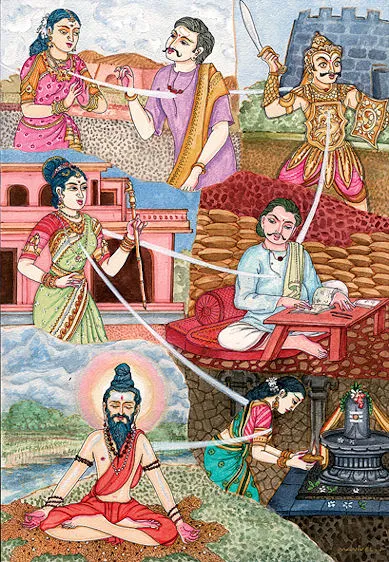
Fig.: पुनर्भवः
(Image source: Details)
जीव् 1P जीवति : to live
Fut. जीविष्यति
Pass. जीव्यते
Caus. जीवयति
PPP जीवित : living
Inf. जीवितुम्
thereof:
जीव m./n.: life, individual soul
सनातन ३ fem.: सनातनी : eternal, imperishable, constant
Lesson 31
युज् 7U युनक्ति : to yoke, to hitch, to fasten; Ā also: to strain (= to exert oneself), to connect with, to concentrate on (Locative, सप्तमी)
Fut. योक्ष्यति
Pass. युज्यते
Caus. योजयति
PPP युक्त
Inf. योक्तुम्
thereof:
युग n. → युग n.: yoke, pair, age (there are four ages:
- कृत
- त्रेता
- द्वापर
- कलि
The कलियुग began around 3102 BC, the year of the महाभारत war. For more details, see Basham, Wonder p. 323)
योग m.: "yoking, straining", exertion, connection, Yoga (see Basham, Wonder pp. 327ff.)
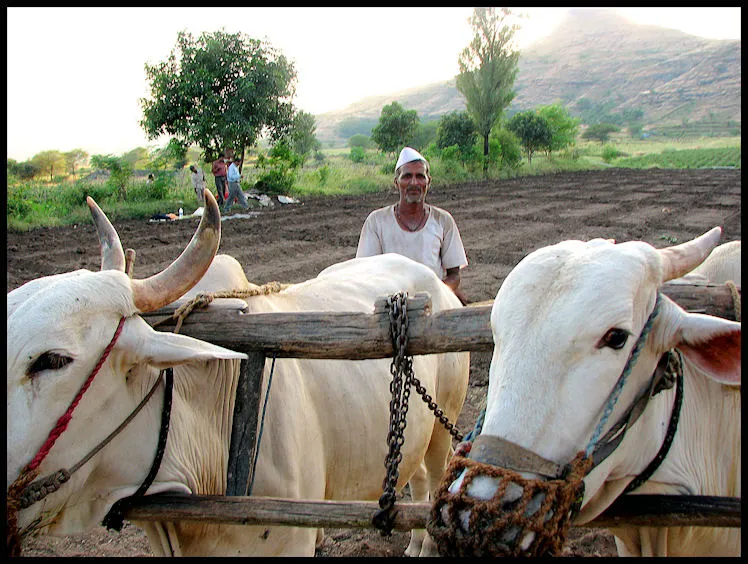
Fig.: योगः
Yoga depiction.
(Image source: Details)
रुध् 7U रुणद्धि : to stop, to bring to a standstill, to hold back = to enclose, to cover
Fut. रोत्स्यति
Pass. रुध्यते
Caus. रोधयति
PPP रुद्ध
Inf. रोद्धुम्
छिद् 7U छिनत्ति : to cut off
Fut. छेत्स्यति
Pass. छिद्यते
Caus. छेदयति
PPP छिन्न
Inf. छेत्तुम्
भञ्ज् 7P भनक्ति : to break (something)
Fut. भङ्क्ष्यति
Pass. भज्यते
PPP भग्न
अञ्ज् 7P अनक्ति : to anoint, to smear
Fut. अङ्क्ष्यति । अञ्जिष्यति
Pass. अज्यते
Caus. अञ्जयति
PPP अक्त
Inf. अञ्जितुम् । अङ्क्तुम्
अञ्ज् + vi → अञ्ज् + वि 7Ā व्यङ्क्ते : to smear apart = to apply makeup, to distinguish oneself
PPP व्यक्त : distinguished, unfolded
thereof:
व्यञ्जन n.: means of distinction = makeup, spice, sign, consonant (that which distinguishes meanings)
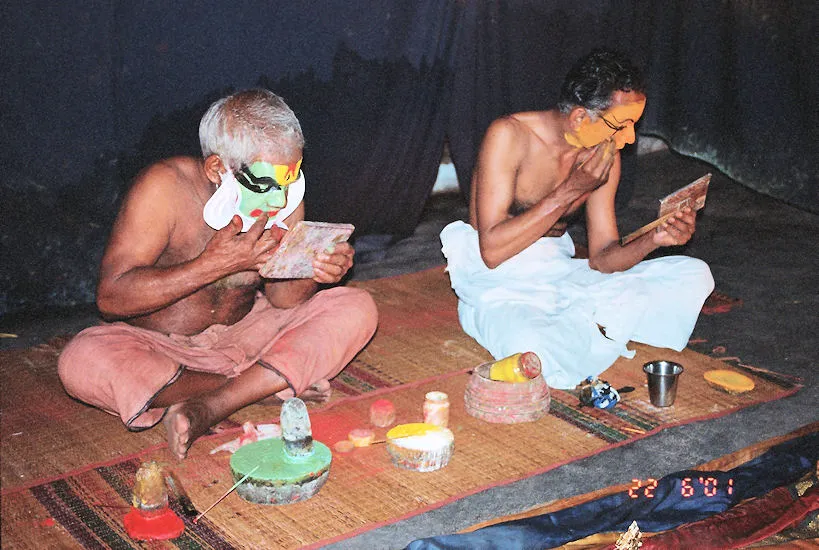
Fig.: व्यञ्जनम्
Preparation for Kathakali dance, Kochi.
(Image source: Details)
भिद् 7U भिनत्ति : to split
Fut. भेत्स्यति
Pass. भिद्यते
Caus. भेदयति
PPP भिन्न
Inf. भेत्तुम्
भुज् 7U भुनक्ति : to enjoy (e.g., food; "to enjoy the earth" = to rule the earth)
Fut. भोक्ष्यति
Pass. भुज्यते
Caus. भोजयति
PPP bhukt → PPP भुक्त
Inf. भोक्तुम्
of it:
भोग m.: enjoyment, eating, pleasure, benefit, tax, fee
बन्ध् 9P बध्नाति (!): to bind, to tie
Fut. भन्त्स्यति
Pass. बध्यते
Caus. बन्धयति
PPP बद्ध
Inf. बद्धुम्
of it:
बन्धन n.: binding, fetter
ज्ञा + प्र 9U प्रजानाति : to recognize, to understand
of it:
प्रज्ञा f.: wisdom, knowledge
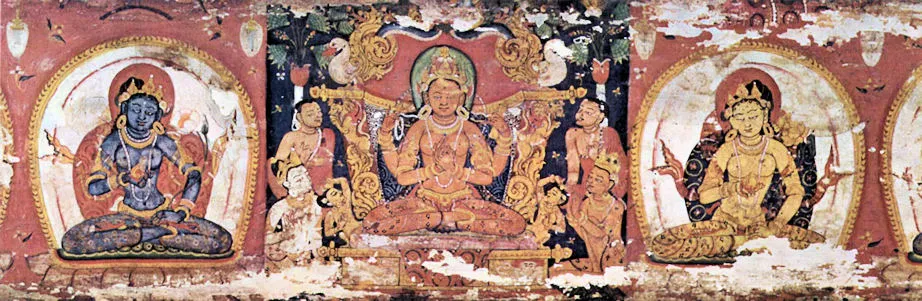
Fig.: प्रज्ञापारमिता
Aus einem Prajñāpāramitā-Manuskript.
(Image source: Details)
भू + सम् 1P सम्भवति : to arise, to exist
शरीर n.: body, physical body
Lesson 32
अग्र n.: tip, extreme end
मही f.: earth, ground and soil (lit.: the Great One)
एकदा
श्रम् श्राम्यते
श्रमिष्यते:br
श्रम्यते:br
श्रमयति:br
श्रान्त:br
श्रमित्वा । श्रान्त्वा:br
-श्रम्य:br
श्रमितुम्
पार्श्व
चूत
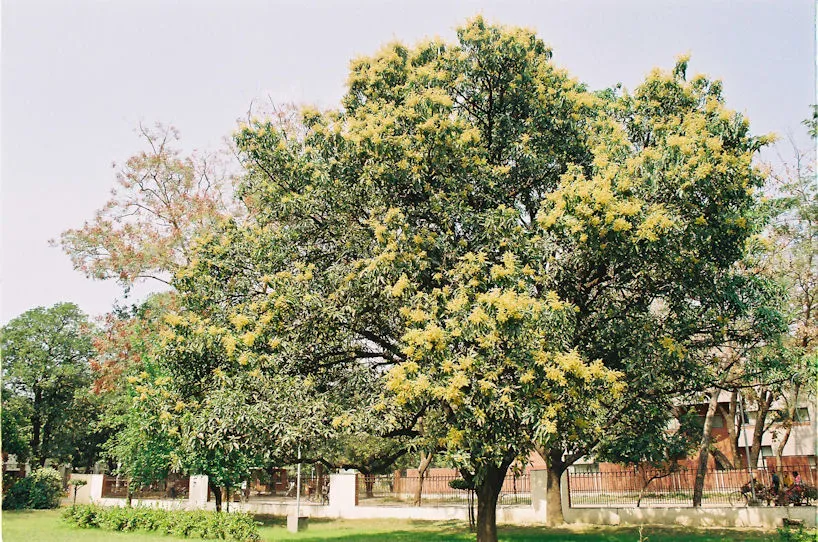
Fig.: चूतः
Mango tree, Kanpur.
(Image source: Details)
तरु वृक्ष
पचेलिम
स्पृहा
परम्
रुह् रोहति
रोक्ष्यति:br
रुह्यते:br
रोहयति । रोपयति:br
रूढ:br
-रुह्य:br
रोढुम्
ग्रह् गृह्णाति
ग्रहीष्यति (!):br
गृह्यते:br
ग्राहयति:br
गृहीत:br
-गृह्य:br
ग्रहीतुम् (!)
वानर कपि
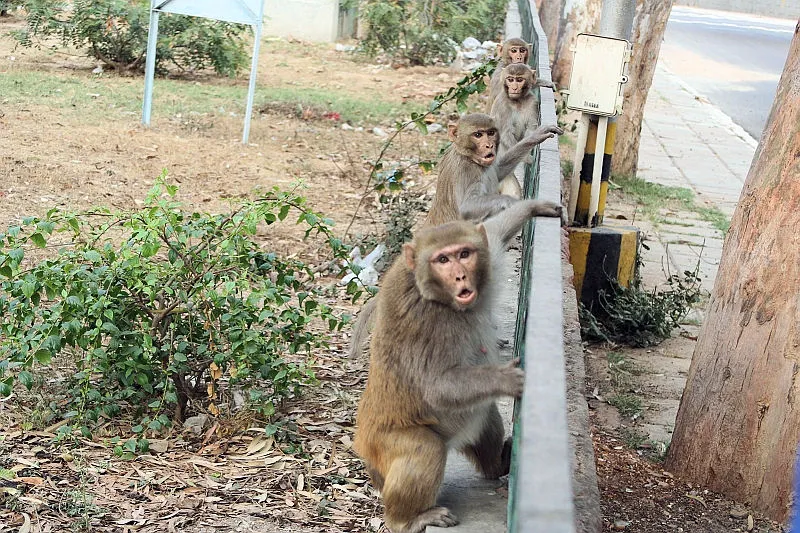
Fig.: वानराः
Monkeys (rhesus macaques) in Delhi.
(Image source: Details)
लोक् लोकयति
लोकयिष्यति:br
लोक्यते:br
लोकित:br
-लोक्य:br
लोकितुम्
प्रहर्ष
कति
उपल
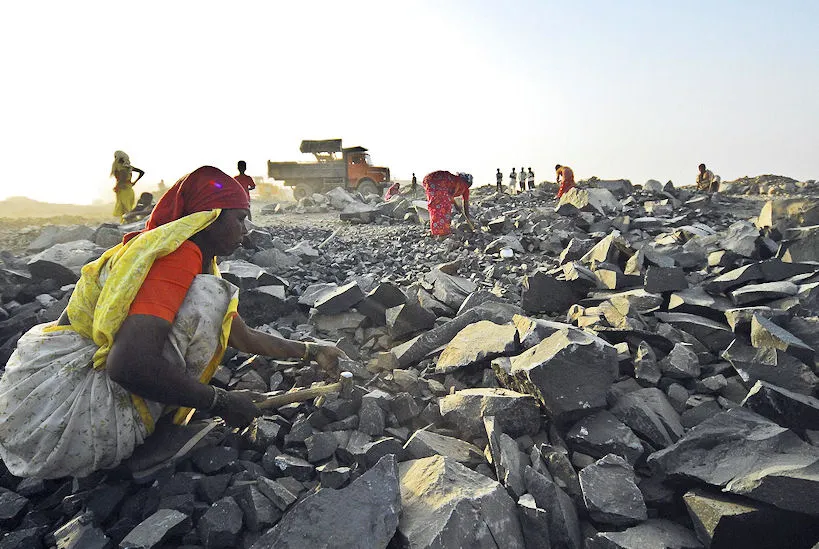
Fig.: उपलाः
Stone quarry south of Pune, Maharashtra.
(Image source: Details)
लक्ष्य
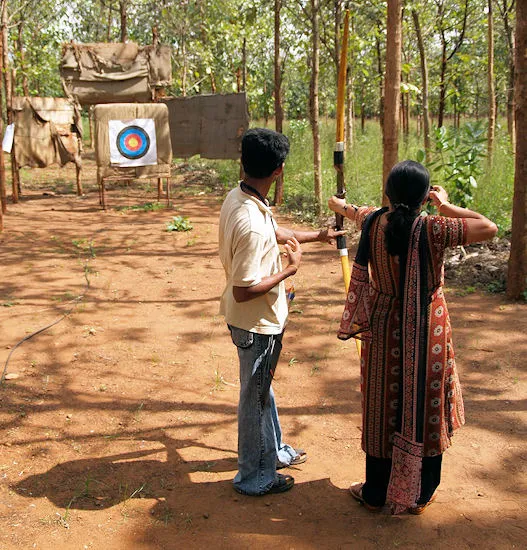
Fig.: लक्ष्यम्
Target practice / arrow target, Karnataka.
(Image source: Details)
क्षिप् क्षिपति
क्षेप्स्यति:br
क्षिप्यते:br
क्षेपयति:br
क्षिप्त:br
-क्षिप्य:br
क्षेप्तुम्
चि चिनोति
चेष्यति:br
चीयते:br
चाययति:br
चित:br
-चित्य:br
चेतुम्
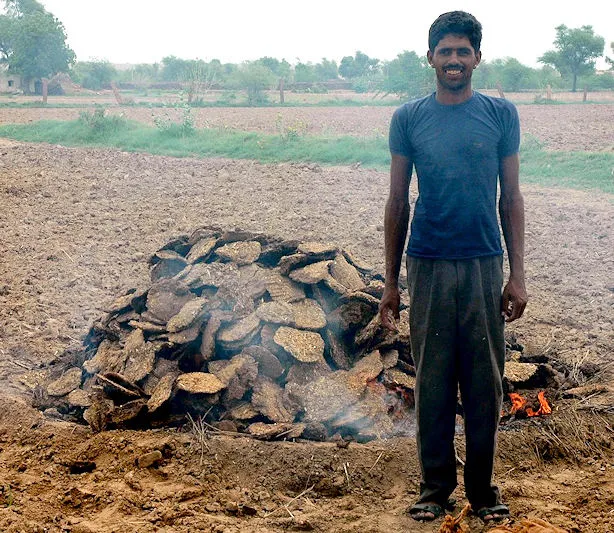
Fig.: चितं गोमयं दहति
Burning cowdung patties in Rajasthan.
(Image source: Details)
चि अव
प्रति
अहो
कौशल कुशल
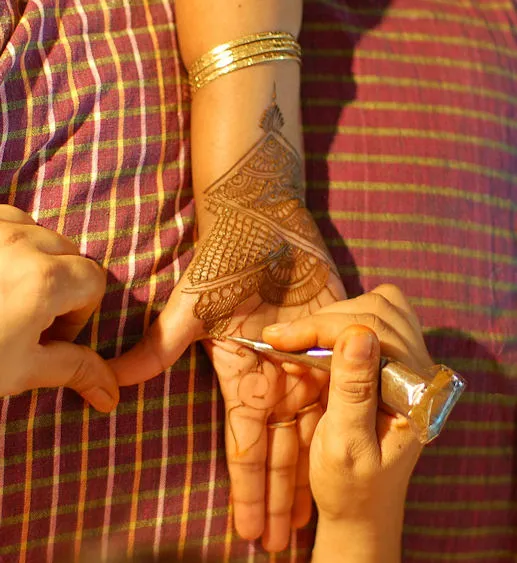
Fig.: कौशलम्
Mehndi painting on hands in Mumbai.
(Image source: Details)
Lesson 33
दा 3U ददाति: to give
Fut. दास्यति
Pass. दीयते
Caus. दापयति
PPP दत्त
Inf. दातुम्
of it:
दान n.: giving, gift, generosity
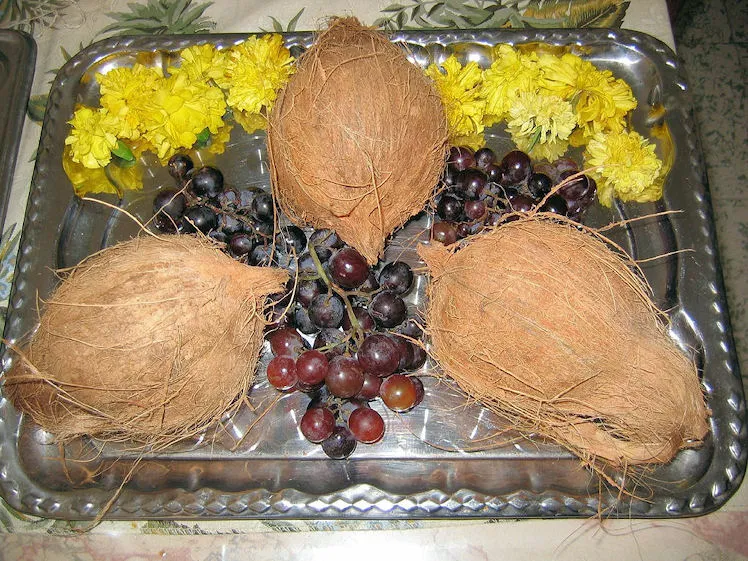
Fig.: दानम्
(Image source: Details)
दा + आ 3Ā अदत्ते: to (receive) take, to take possession of, to take along
Absol. आदाय: with Acc.: in the company of, with
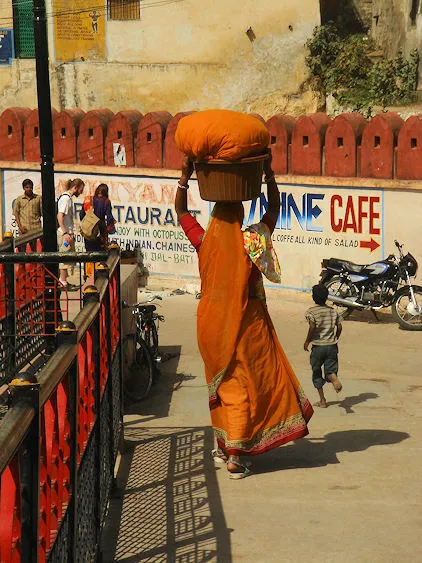
Fig.: सा पुत्रमादाय भारं बिभ्रती गच्छति
(Image source: Details)
धा 3U दधाति: to set, to fix, to allot
Fut. धास्यति
Pass. धीयते
Caus. धापयति
PPP हित (!!)
Inf. धातुम्
धा + सम् + आ 3U समादधाति: to direct one's full attention to something, to collect oneself
from this:
समाधि m.: inner collection, highest attention
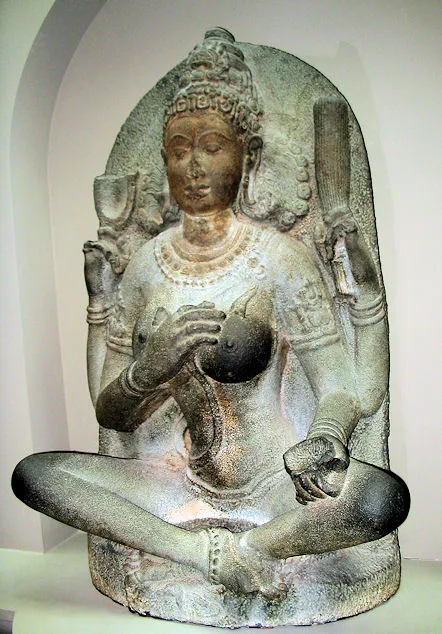
Fig.: समाधि
(Image source: Details)
पॄ 3P पिपर्ति: to fill, to fulfill
Note:
3.pl.P पिपुरति
3.sg.Impf.P अपिपर् (from: *apipart)
3.pl.Impf.P अपिपरुर्
3.sg.Opt.P पिपूर्यात्
Fut. परिष्यति / परीष्यति
Pass. पूर्यते
Caus. पूरयति / पारयति
PPP पूर्ण / पूर्त / पूरित
पॄ + सम् only Pass. सम्पूर्यते and Caus.: to fill completely
भी 3P बिभेति: to fear (Abl., Gen.)
Fut. भेष्यति
Pass. भीयते
Caus. भाययति
PPP भीत
Inf. भेतुम्
from this:
भय n.: fear, dread; danger (the subjective and the objective side)

Fig.: भयम्
(Image source: Details)
भृ 3U बिभर्ति: to carry, to bring; to sustain, to nourish
Fut. भरिष्यति
Pass. भ्रियते
Caus. भारयति
PPP भृत
Inf. भर्तुम्
from this:
भार m.: burden
मा 3Ā मिमीते: to measure
Fut. मास्यति / मास्यते
Pass. मीयते
Caus. मापयति
PPP मित
Inf. मातुम्
मा + उप 3Ā उपमिमीते: to compare
from this:
उपमा f.: comparison
प्रतिमा f.: image
हा 3P जहाति: to leave
Fut. हास्यति
Pass. हीयते
Caus. हापयति
PPP हीन: left by, lacking, deficient
Inf. हातुम्
from PPP हीन:
हीनयान n.: the deficient vehicle (of Buddhism): derogatory term used by the proponents of the "great vehicle", the महायान; the deficient path (यान to या 2: to go, to travel). The expression हीनयान should no longer be used. The form of the old Buddhism that still exists today is called थेरवाद.
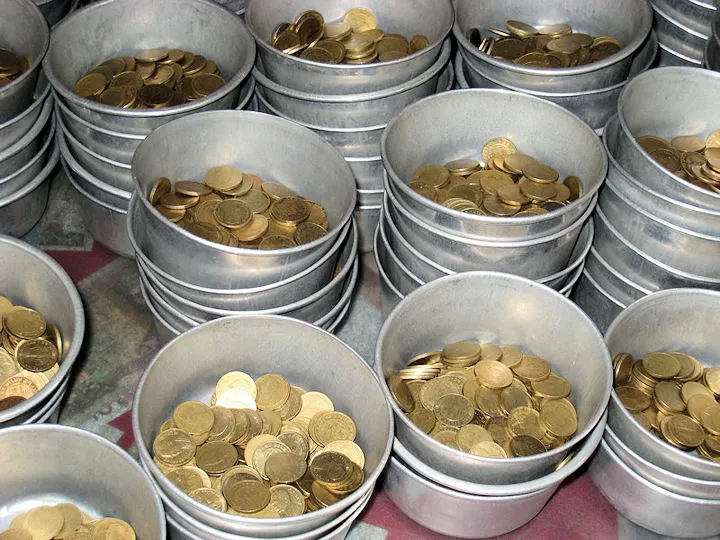
Fig.: हीनयानमेव
(Image source: Details)
हु 3P जुहोति: to pour into fire (as an offering, esp. melted butter)
Fut. होष्यति
Pass. हूयते
Caus. हावयति
PPP हुत
Inf. होतुम्
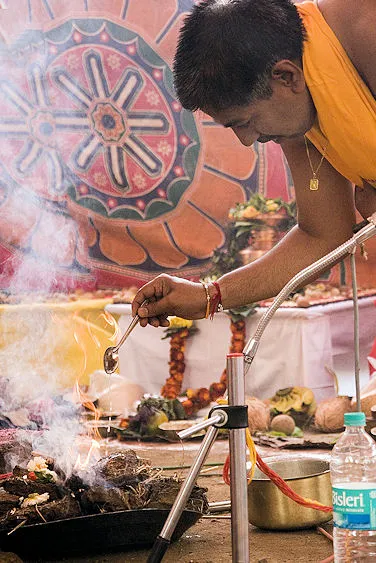
Fig.: घृतमग्नौ जुहोति
(Image source: Details)
घृत n.: melted butter, ghee (घी / گھی / ঘী)
"Ghee is made by simmering unsalted butter in a large pot until all water has boiled off and protein has settled to the bottom. The cooked and clarified butter is then spooned off to avoid disturbing the milk solids on the bottom of the pan. Unlike butter, ghee can be stored for extended periods without refrigeration, provided it is kept in an airtight container to prevent oxidation and remains moisture-free. Texture, colour, or taste of ghee depends on the source of the milk from which the butter was made. In India, ghee is usually made with water buffalo's milk as it tends to be whiter than cow's milk."
[Source: http://en.wikipedia.org/wiki/Ghee. -- Accessed on 2008-12-26]
Lesson 34
क्षिति f. = पृथ्वी = मही = भूमी
शस्य = सस्य n. sg. u. pl.: seed, crop, grain
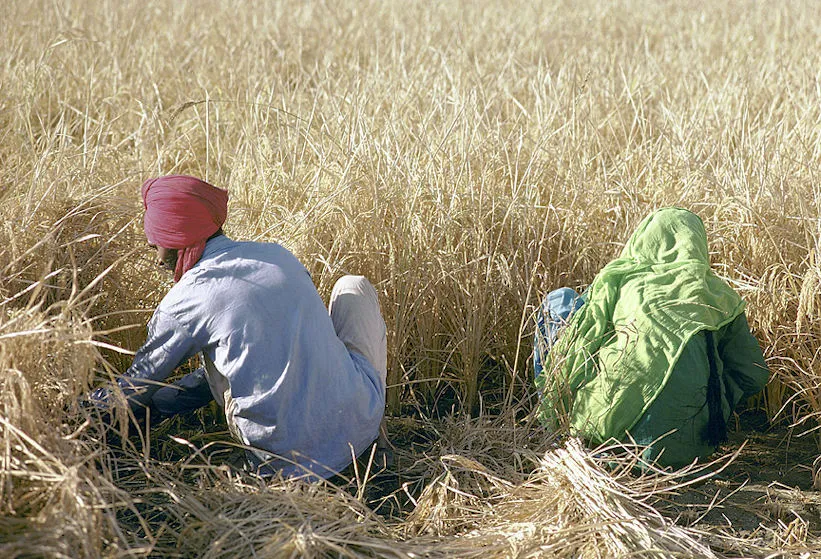
Fig.: सस्यम्
Rice field in India.
(Image source: Details)
यावत् : how long, how big
तावत् : so long, so big
उत्तम 3: highest
द्वीप m.n.: island, continent
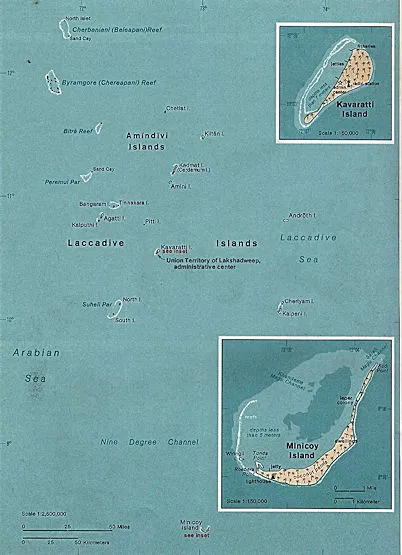
Fig.: लक्षद्वीपाः
Lakshadweep Islands Map.
(Image source: Details)
मर्त्य 3: mortal (to मृ)
तिल m.: sesame(seed) (Sesamum indicum L.)
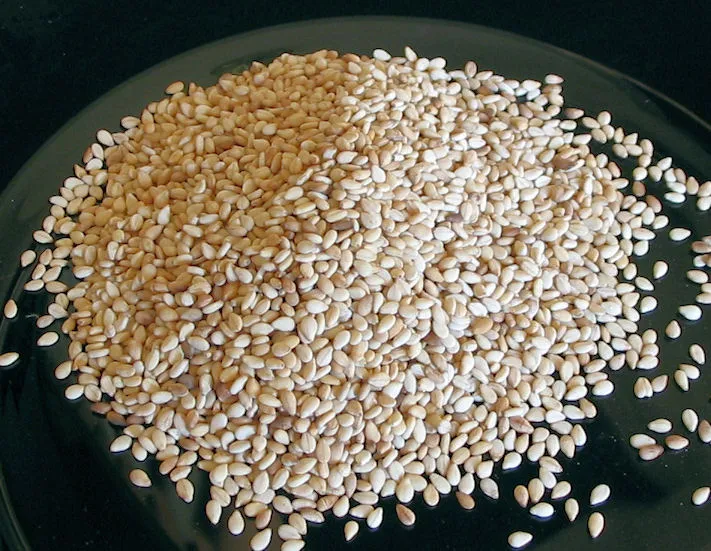
Fig.: तिलाः
Sesame seeds.
(Image source: Details)
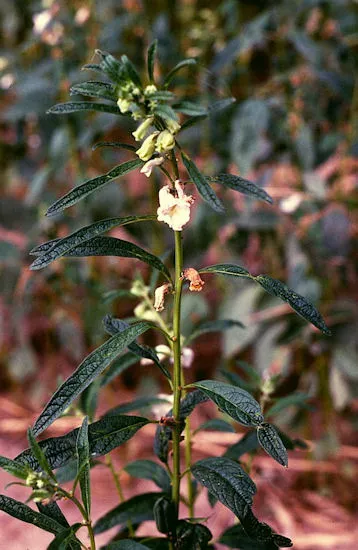
Fig.: Sesamum indicum L.
Sesame plant flowering.
(Image source: Details)
स्वर्ण n.: (beautifully colored =) gold
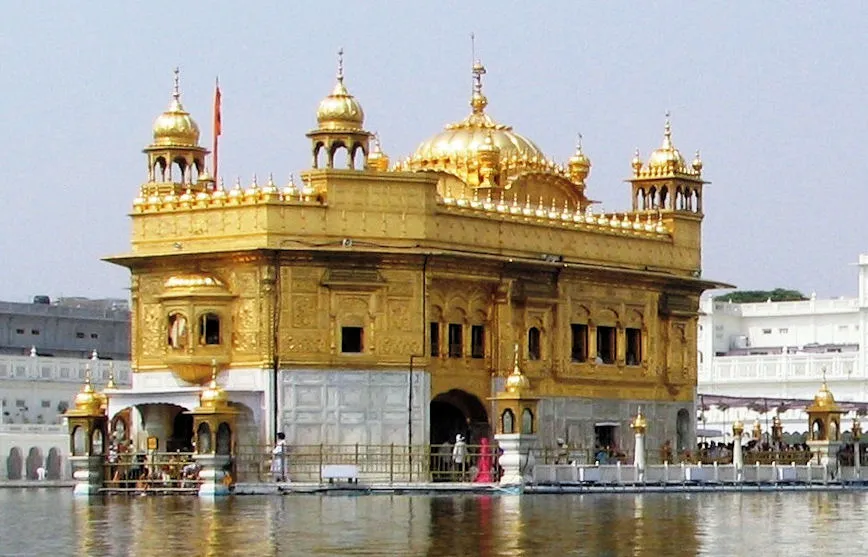
Fig.: स्वर्णम्
Golden Temple (Harmandir Sahib), Amritsar.
(Image source: Details)
निकेतन n.: dwelling, temple
कोटि f.: tip; 10 million
श्रेष्ठ 3: best
तल m.n.: plain, area
ऋषभ m.: bull
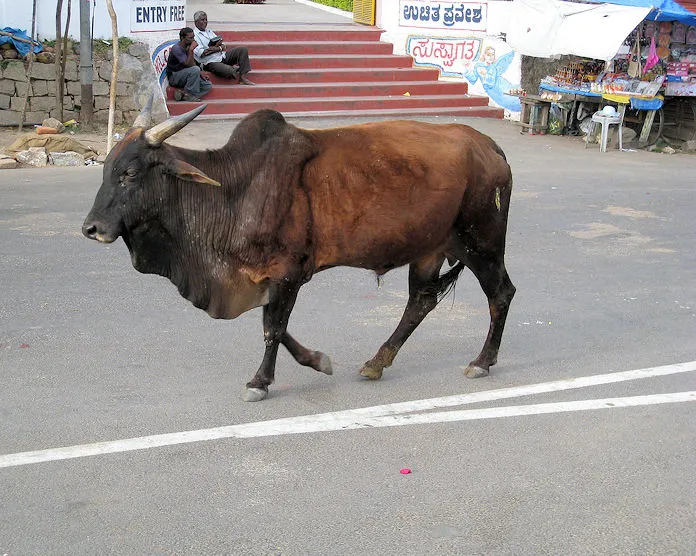
Fig.: ऋषभः
Nandi Bull statue, Chamundi Hills, Mysore.
(Image source: Details)
यम् 1P यच्छति : restrain, hold, offer, grant
यम् + प्र 1P प्रयच्छति : hold out, offer, deliver
या 2P याति : go, travel
कन्या f.: girl, maiden
Lesson 35
नश् 4P नश्यति : perish, be lost, disappear
Perf. Vb ननाश, नेशुर् :br
Fut. नशिष्यति । नङ्क्ष्यति :br
Caus. नाशयति :br
PPP नष्ट
नश् + प्र 4P प्रणश्यति** : disappear, be lost, perish
क्रम् 1U क्रामति, 4P क्राम्यति : stride, go
Perf. Vc चक्राम, चक्रमुर् :br
Fut. क्रमिष्यति :br
Pass. क्रम्यते :br
Caus. क्रमयति :br
PPP क्रान्त :br
Inf. क्रमितुम् :br
Absol. क्रमित्वा । क्रन्त्वा । क्रान्त्वा
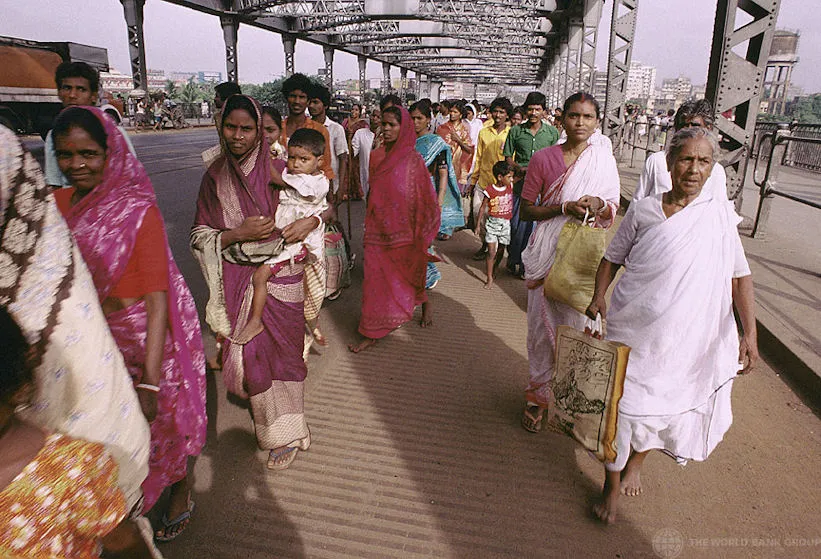
Fig.: क्रामन्ति
People walking, Senegal.
(Image source: Details)
गै 1P गायति (gai + a-ti): sing, recite in a singing tone, proclaim in verse
Perf. IV जगौ, जगुर् :br
Fut. गास्यति :br
Pass. गीयते :br
Caus. गापयति :br
PPP गीत :br
Inf. गातुम्
thereof:
गीता f.: song, chant
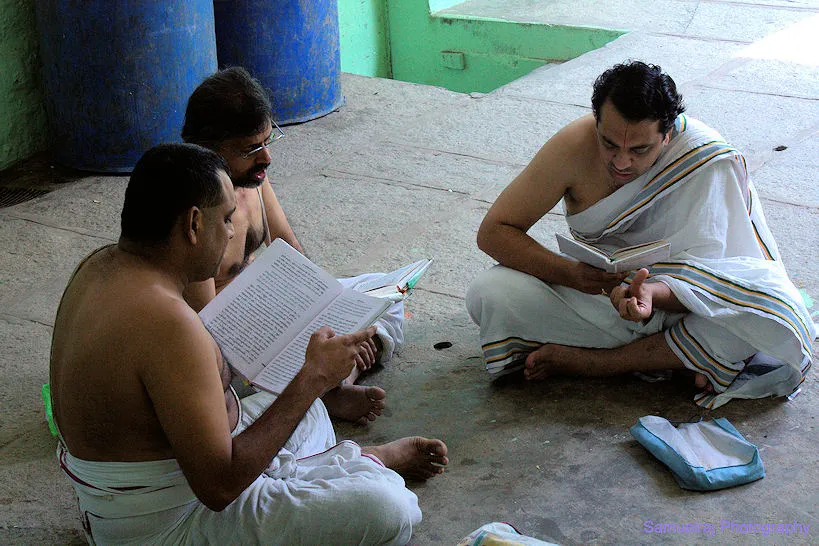
Fig.: जगुः
Temple musicians Kaadu Malleswara Temple Bangalore.
(Image source: Details)
Lesson 36
अह् P only Perfekt with present meaning आह, आहुर् : say, speak
अह् प्र P only Perfekt with present meaning प्राह : say, speak
ईक्ष् 1Ā ईक्षते : see, (dis)cover, observe
Perf. ईक्षां चक्रे
Fut. ईक्षिष्यते
Pass. ईक्ष्यते
Kaus. ईक्षयति
PPP ईक्षित
Inf. ईक्षितुम्
चि 5U चिनोति : pile up, collect
Perf. चिकाय । चिचाय
Fut. चेष्यति
Pass. चीयते
Kaus. चाययति । चापयति
PPP चित
Inf. चेतुम्
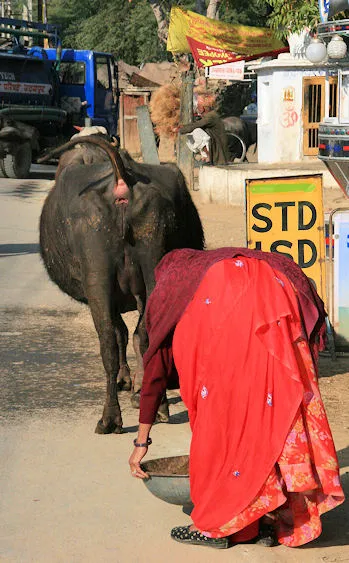
Fig.: गोमयं चिकाय
(Image source: Details)
व्रज् 1P व्रजति : stride, go, go away
Perf. Vc वव्राज, वव्रजुर्
Fut. व्रजिष्यति
Pass. व्रज्यते
Kaus. व्राजयति
PPP व्रजित
Inf. व्रजितुम्
व्रज् + प्र 1P प्रव्रजति : go away (esp. leaving home for homelessness as an ascetic = becoming a monk)
अगार n.। आगार n.: house, home
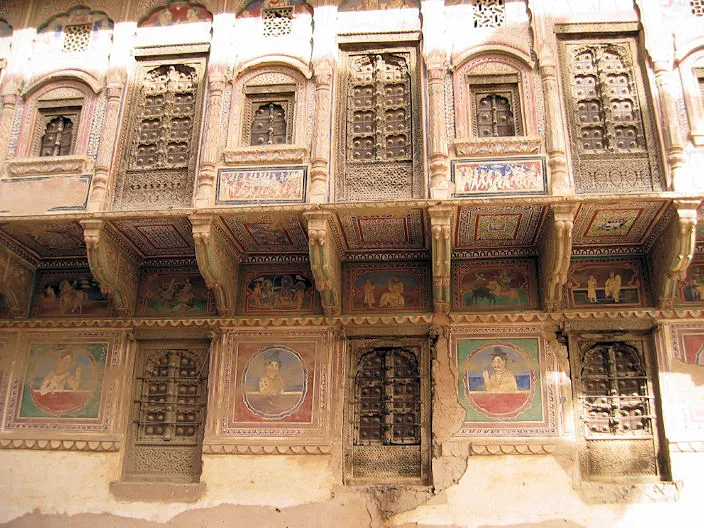
Fig.: अगारम्
(Image source: Details)
from that:
अनगार्य n. । अनगारika f.: homelessness of a Buddhist monk or novice
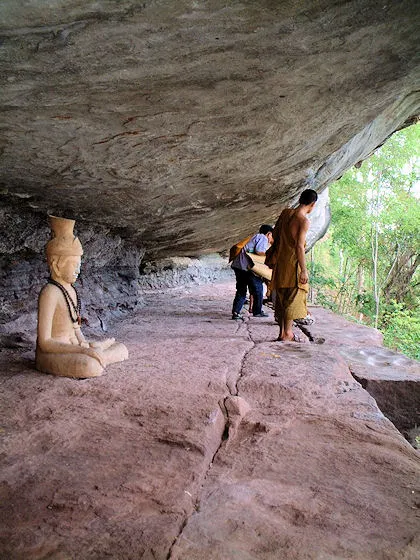
Fig.: अनगार्यम्
(Image source: Details)
अञ्जलि m.: The two hands placed high together in reverence
आदृत 3: esteemed
उपाध्याय m.: teacher
पृथिवी f.: earth
पृष्ठ n: back, rear side
पृष्ठम् : behind
प्रजापति m.: lord of creatures, creator god
अनु Preverb: after, along, over - hin, along, according to, towards, behind - her
e.g.
अनुकृ : imitate, do after
अनुगम् : follow someone, go along
अभि : be-, after - hin, to - her, to - hin, against, in - into, with regard to, on, over, at
e.g.
अभिगम् : go towards, approach
वद् + अभि Causative Ā अभिवादयते : formally greet, address
ग्लै 1P ग्लायति : feel reluctance, fade away
Perf. IV जग्लौ
Fut. ग्लास्यति
Pass. ग्लायते
Kaus. ग्लापयति । ग्लपयति
PPP ग्लान
Inf. ग्लातुम्
Absol. -ग्लाय
घ्रा 1P जिघ्रति : smell something
Perf. IV जघ्रौ
Fut. घ्रास्यति
Pass. घ्रायते
Kaus. घ्रापयति
PPP घ्रात । घ्राण
Inf. घ्रातुम्
Absol. -घ्राय
प्री 9U प्रीणति : delight, please; love, be inclined towards someone
प्री 4Ā प्रीयते : rejoice
Perf. IIIa पिप्राय, पिप्रिये
Fut. प्रेष्यति
Pass. प्रीयते
Kaus. प्रीणयति
PPP प्रीत
Inf. प्रेतुम्
स्पृश् 6P स्पृशति : touch
Perf IIa पस्पर्श, पस्पृशुर्
Fut. स्पर्क्ष्यति । स्प्रक्ष्यति
Pass. स्पृश्यते
Kaus. स्पर्शयति
PPP स्पृष्ट
Inf. स्पर्ष्तुम् । स्प्रष्तुम्
Absol. -स्पृश्य
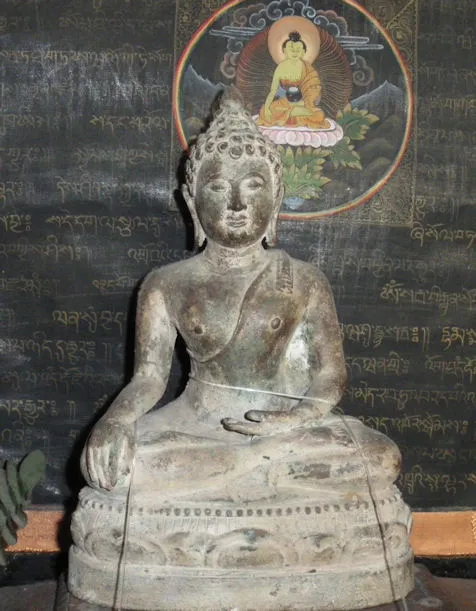
Fig.: सुगतो भूमीं पस्पर्श
(Image source: Details)
हृष् 4P हृष्यति : become stiff: bristle (hair), rejoice over (Instr., Acc., Loc.)
Perf II जहर्ष
Fut. हर्षिष्यति
Pass. हृष्यते
Kaus. हर्षयति
PPP हृषित

Fig.: लोमहर्षः
(Image source: Details)
स्वक 3: own (mine, yours ...) ; m.: member
Lesson 37
मूर्ख 3: stupid, foolish, dumb m. fool
मुनि m.: sage, (silent) ascetic
शाक्यमुनि m.: ascetic from the lineage of शाक्य (Kṣatriyas from कपिलवस्तु) = Buddha Gautama
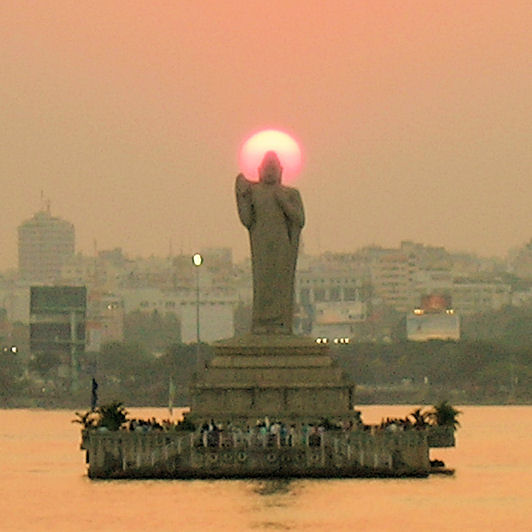
Fig.: शाक्यमुनिः
(Image source: Details)
दिन n.: day
वृक्ष m.: tree
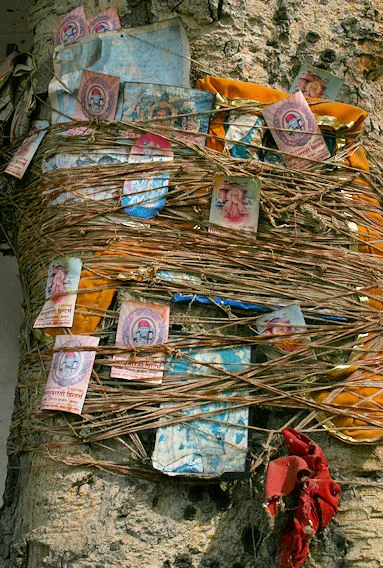
Fig.: वृक्षः
(Image source: Details)
मुख n.: mouth, face, front part, beginning
Lesson 38
सूर्य m.: sun, sun god Sūrya
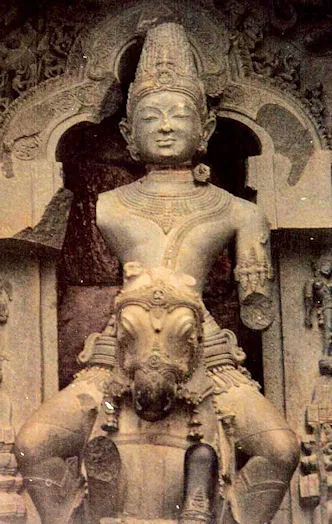
Fig.: सूर्यः
(Image source: Details)
उदक n.: water
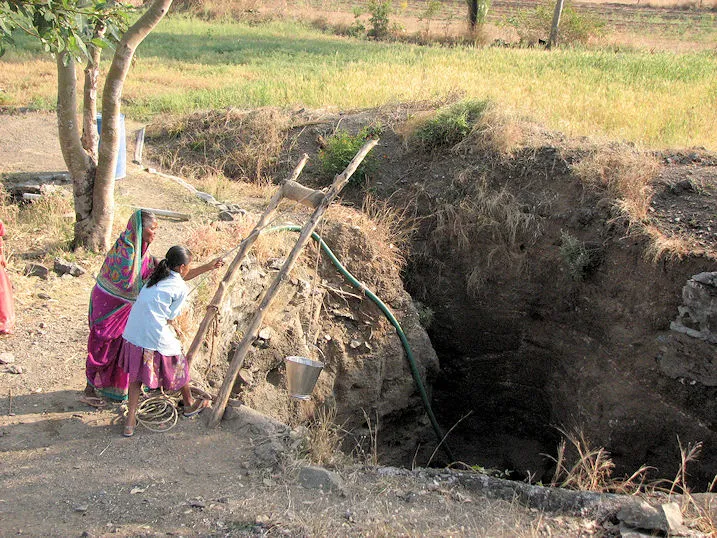
Fig.: उदकम्
(Image source: Details)
वा 2P वाति : blow, breathe
Fut. वास्यति
Perf. IV ववौ
Pass. वायते
Caus. वापयति
PPP वान । वात
Inf. वातुम्
thereof:
वात m.: wind
वा + निस् 2P निर्वाति : blow, scatter, extinguish
thereof:
निर्वाण n.: extinction, Nirvana
परिनिर्वाण n.: perfect extinction, perfect liberation (at the end of life of a Buddha or Arhant)
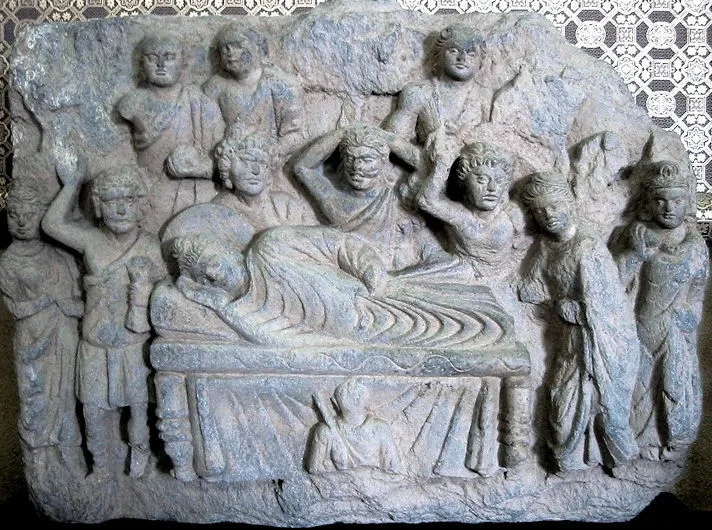
Fig.: गौतमबुद्धस्य महापरिनिर्वाणम्
(Image source: Details)
मिह् 1P मेहति : urinate, piss, ejaculate
Fut. मेक्ष्यति
Perf. II मिमेह, मिमिहुर्
Pass. मिह्यते
Caus. मेहयति
PPP मीढ
thereof:
मेघ m.: cloud ("seicher")
सुत m.: son
राजन् m.: king (for information on kingship in India see Basham, Wonder pp. 82-94). As a final member of a compound (esp. तत्पुरुष) usually: -राज m. (like देव)
Feminine:
राज्ञी f.: queen, wife of a king
from राज :
राज्य 3: royal; n. kingdom, kingship, rule
नामन् n.: name
सीमन् f.: border
आत्मन् m.: self, own person, innermost essence. Philosophical and in liberation doctrines: the Absolute in the individual, of which, however, the individual is not necessarily conscious (v. Stietencron)
ब्रह्मन् n.: the Absolute, the Veda (according to Thieme originally: the formulated truth, from which ब्राह्मण "formulator of truth")
ब्रह्मन् m.: the personally conceived creator god Brahmā
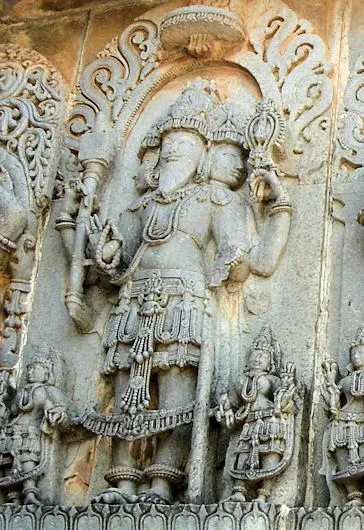
Fig.: ब्रह्मा
(Image source: Details)
कर्मन् n.: to कृ 8U: action, deed, work; sacred work, sacrificial act; Karma: past action, which later brings its fruits (e.g. in rebirth)
कर्मविपाक m.: ring of deeds = the good and bad consequences of deeds in previous existences (to वि-पच्)
हस्तिन् m.: elephant (Elephas maximus)
मनु m.: human, man; name of the father of the human race (to मन् 4Ā)
thereof:
मनुष्य m.: human
शुच् 1P शोचति : (to flame, to shine); to mourn, to lament
Perf II शुशोच, शुशुचुर्
Fut. शोचिष्यति
Pass. शुच्यते
Caus. शोचयति
Inf. शुचितुम्
Absol. शोचित्वा । शुचित्वा
thereof:
शुचि 3: shining, pure, clear
शोक m.: mourning, grief
अशोक 3: free from grief; Ashoka-tree = Saraca asoca (Roxb.) Wilde; name of the emperor Aśoka (देवानांप्रिय प्रियदर्शी) (ca. 304 – 232 BCE)
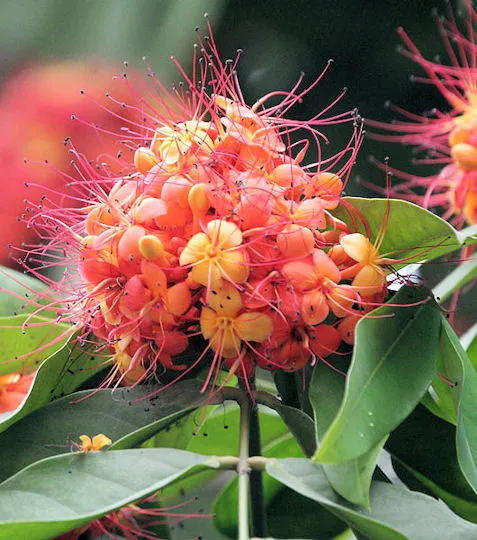
Fig.: अशोकवृक्षः
(Image source: Details)
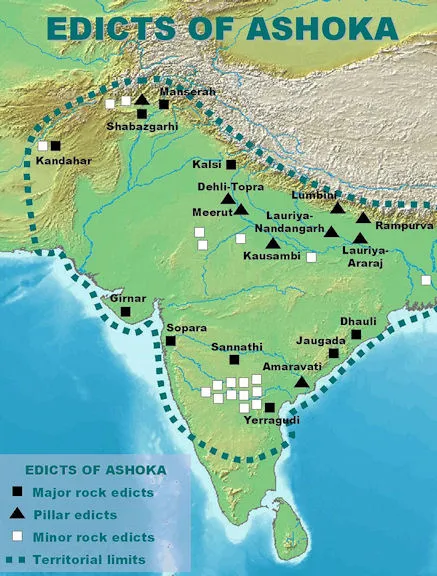
Fig.: अशोकसाम्राज्यम्
(Image source: Details)
Lesson 40
पात्र n.: venerable, master, worthy
मेधा f.: wisdom, intellect, thought
पुस्तक m.n.: manuscript, book
कॢप् 1Ā कल्पते : to be in proper order, to fit (Loc.); to take shape, to form; to resolve to, to condescend to (Dat.)
Perf. II चकॢपे facultative अनिट्
Fut. कल्पिष्यते । कल्प्स्यते
Caus. कल्पयति : to put in order, to create, to form in the imagination, to imagine
PPP कॢप्त
Inf. कल्पितुम् । कल्प्तुम्
thereof:
कल्पना f.: mental formation, assumption of something non-existent in reality, fiction
कॢप् + वि Caus. विकल्पयति : (to imagine differently =) to question, to doubt
thereof:
विक्ल्प m.: alternative, doubt
तुद् 6U तुदति : to strike
Perf. II तुतोद, तुतुदुर्
Fut. तोत्स्यति
Pass. तुद्यते
Caus. तोदयति
PPP तुन्न (tud + na)
Inf. तोत्तुम्
तॄ 1P तरति : to cross over, to transcend, to save oneself from someone (Acc. = to cross over someone)
Perf. IIIb ततार, ततरुर् । तेरुर्
Fut. तरिष्यति । तरीष्यति
Pass. तीर्यते
Caus. तारयति
PPP तीर्ण
Inf. तरितुम् । तरीतुम्
thereof:
तीर्थ n.: ford, sacred bathing place, pilgrimage site
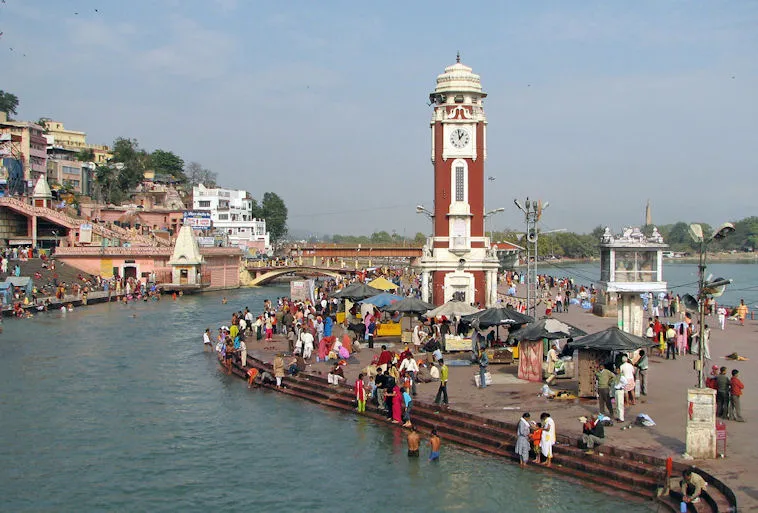
Fig.: हरिद्वारे तीर्थम्
(Image source: Details)
तीर्थङ्कर m. (from: तीर्थम्+ कृ): ford-maker (across suffering) = the 24 teachers of the Jains
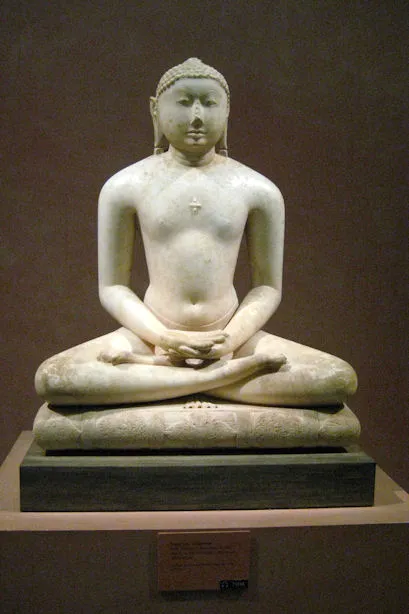
Fig.: तीर्थङ्करः
(Image source: Details)
अव prefix: down, downward, away, off-
तॄ + अव 1P अवतरति : to descend
thereof:
अवतार m.: (descender, descent) incarnation of a god, esp. of Viṣṇu's 10 incarnations (see Basham, Wonder pp. 304 - 309)
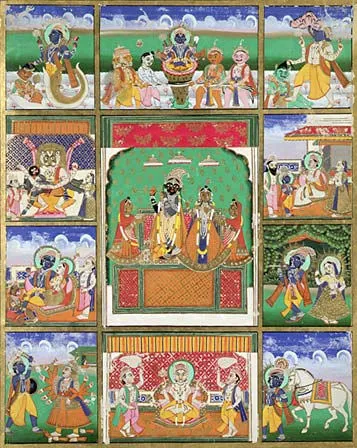
Fig.: विष्णोर्दशावताराः
(Image source: Details)
स्वप् 2P स्वपिति, स्वपन्ति : to sleep, to go to sleep
Impf. अस्वपीत् । अस्वपत्
Perf. सुष्वाप, सुषुपुर्
Fut. स्वप्स्यति
Pass. सुप्यते (from *svp-ya-te)
Caus. स्वापयति
PPP सुप्त
Inf. स्वप्तुम्
thereof:
स्वप्न m.: sleep, dream
सुप्ति f. (from *svp-ti): sleep, esp. deep sleep
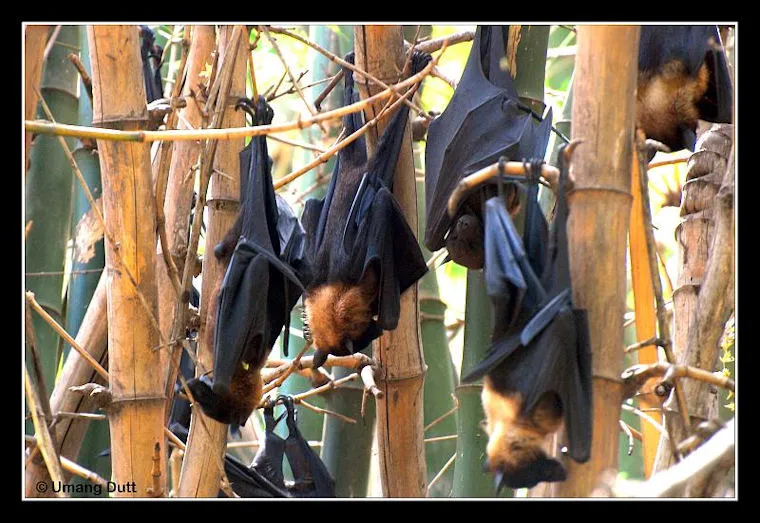
Fig.: स्वपन्ति
(Image source: Details)
Lesson 41
मूर्ख m = मूढ
भुजङ्ग m.: snake
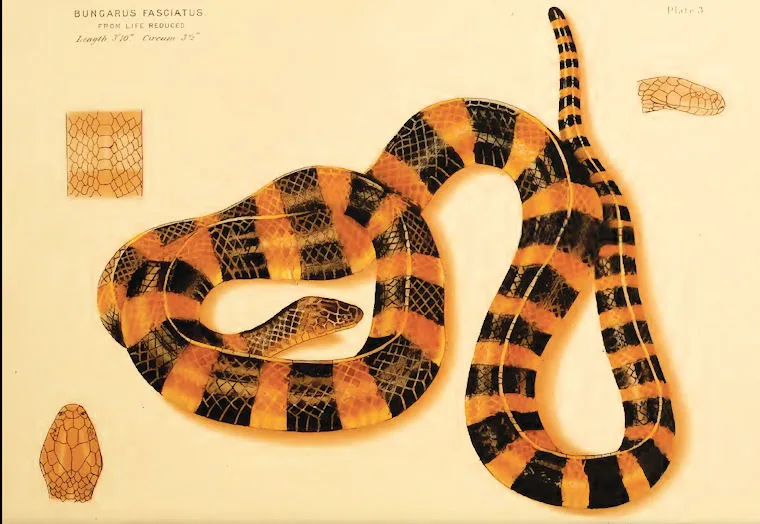
Fig.: भुजङ्गः
(Image source: Details)
केवलम् Adv.: only, alone, completely
विष n.: poison
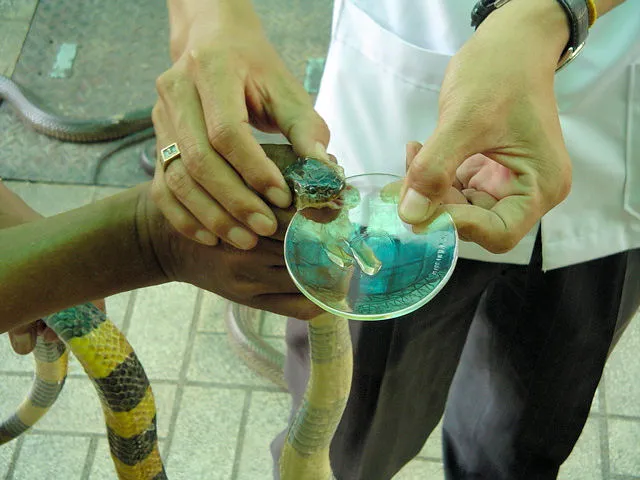
Fig.: भुजङ्गस्य विषम्
(Image source: Details)
शास् 2P शास्ति : to reprove, to control, to command, to teach
has the weak present stem शिष् : शिष्मस्, but the 3rd pl. P. has the strong stem: शासति (!! ending -ati) alongside occasional शासन्ति. अशासुर्. Also the entire आत्मनेपद has, insofar as it occurs, the strong stem: शास्ते
Perf I शशास, शशासुर्
Fut. शासिष्यति
Pass. -शास्यते । शिष्यते
PPP शिष्ट : taught, wise
Inf. शासितुम्
Absol. -शिष्य । -शास्य
thereof:
शासना f.: royal edict, teaching, religion
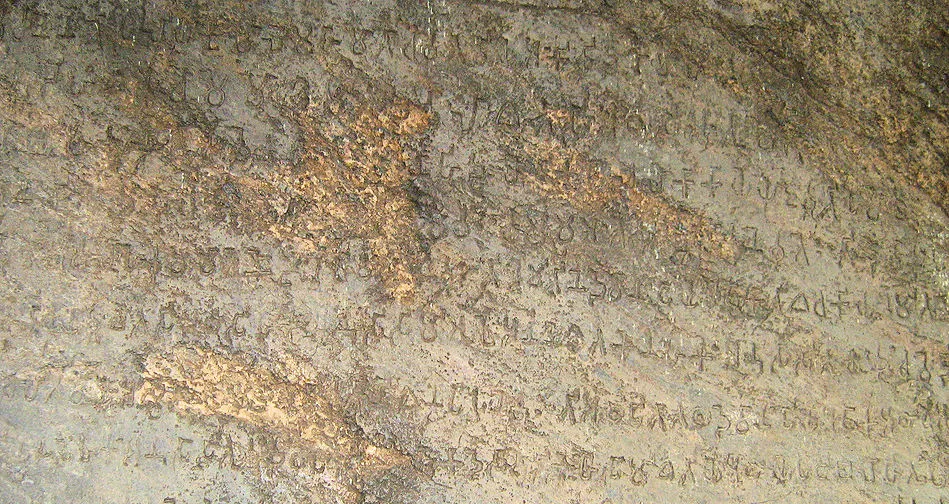
Fig.: शासना
(Image source: Details)
शास्त्र n.: teaching, treatise
शास्त्रिन् m.: learned, scholar
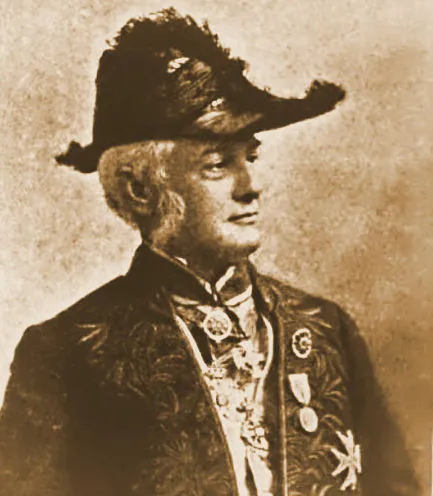
Fig.: शास्त्री
(Image source: Details)
शिष्य 3: one to be instructed = student
शरण 3: protecting, shielding; n. protection, refuge, taking refuge
सङ्घ n.: (to सम्-हन् : to strike together): group, crowd, community (e.g. Buddhist)
see also:
Payer, Alois <1944 - >: Vinayamukha : Basic Concepts of the Monastic Rules and Monastic Law of the Theravāda. -- Part I. -- (Materials on the Basic Concepts of Buddhism). -- URL: http://www.payer.de/buddhgrund/vinaya01.htm
कन्या f.: young girl, daughter, maiden
अति prefix: over, beyond (in space, in time, in number, in quantity, in order, in power, in intensity), exceedingly
इ + अति 2P अत्येति : to pass by
PPP अतीत : n. past
see also:
Payer, Alois <1944 - >: Vinayamukha : Basic Concepts of the Monastic Rules and Monastic Law of the Theravāda. -- Part I. -- (Materials on the Basic Concepts of Buddhism). -- URL: http://www.payer.de/buddhgrund/vinaya01.htm
कन्या f.: young girl, daughter, maiden
अति prefix: over, beyond (in space, in time, in number, in quantity, in order, in power, in intensity), exceedingly
इ + अति 2P अत्येति : to pass by
PPP अतीत : n. past
see also:
Payer, Alois <1944 - >: Vinayamukha : Basic Concepts of the Monastic Rules and Monastic Law of the Theravāda. -- Part I. -- (Materials on the Basic Concepts of Buddhism). -- URL: http://www.payer.de/buddhgrund/vinaya01.htm
कन्या f.: young girl, daughter, maiden
अति Preverb: over, over -way, over -beyond (in space, in time, in number, in quantity, in order, in power, in intensity), exceedingly
इ + अति 2P अत्येति : to pass by
PPP अतीत : n. past tense
Lesson 42
प्रकृति f.: (to कृ + प्र) basic form, natural state, nature; prime matter, primal substance
अर्जुन m. proper name: Arjuna, one of the five sons of पण्डु. Hero in the महाभारत (see Basham, Wonder pp. 409 - 414)
स्था + अव 1Ā अवतिष्ठते : to abstain from, to refrain from, to keep away, to remain, to stand
PPP अवस्थित 3: standing, located
पुरा Adv.: once, formerly
अनेक 3: many (not some)
कुमार m.: prince
दूत m.: messenger, envoy
इष् (1,4,9) Caus. इषयति : to send
सकाश m.: presence, presence
शर m.: arrow-shaft, arrow
बाण m.: arrow, target
ज्ञा + प्रति 9U प्रतिजानाति : to approve, to promise; Ā: to answer, to confirm, to assert, to recognize
चल् 1P चलति : to get into motion
Fut. चलिष्यति
Perf. Vb चचाल, चेलुर्
Pass. चल्यते
Caus. चलयति । चालयति
PPP चलित
Absol. -चल्य
Inf. चलितुम्
अधिपति m. = राजन्
आटोप m.: vanity, pride
चिन्तापर 3: absorbed in thought
अन्तरे Adv.: meanwhile
लीला f.: jest, play
यावत् Adv.: how long, during
तावत् Adv.: as long
द्विधा । द्वेधा Adv.: twofold, in two parts
शंस् 1P शंसति : to praise, to command
Fut. शंसिष्यति
Perf. I शशंस
Pass. शस्यते
Caus. शंसयति
PPP शस्त
Absol. शसित्वा । शस्त्वा
Inf. शंसितुम्
हृदय n.: heart
42.2.1. Some kinship terms
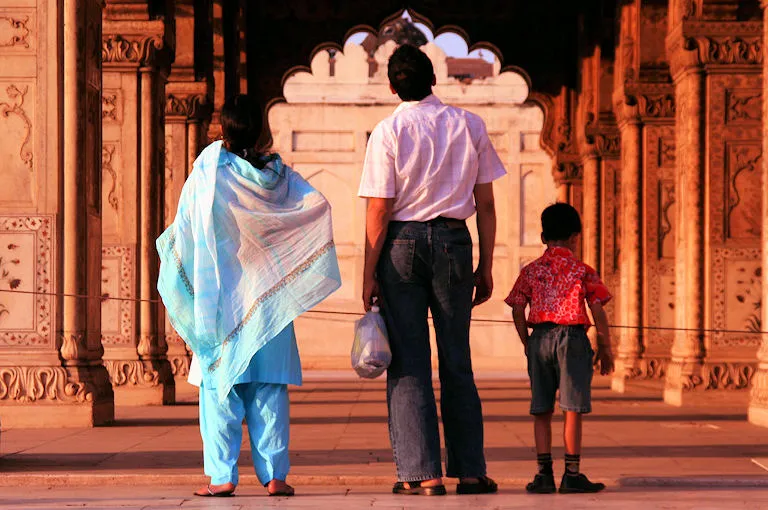
Fig.: माता, पिता, पुत्रकः
(Image source: Details)
भर्तृ m. (to भृ "to carry, to sustain"): sustainer, provider, husband
भार्या f., जाया f. पत्नी f.: wife (भार्या = gerundive to भृ : to be carried, to be sustained, entitled to support)
पितृ m.: father
पितृ m. plural: the deceased male ancestors, i.e.
- father, grandfather, great-grandfather
- the ancestral fathers of humanity
Rites are performed for both, so-called श्राद्ध n. Daily, three male ancestors (paternal and maternal) are offered water and on certain occasions rice balls or flour balls (पिण्ड m. "balls"). This is so that the ancestors receive food. The performance of this ceremony is one reason why a man should father a son. Those who are connected through this पिण्ड-gift are called सपिण्ड (to whom पिण्ड is common). सपिण्ड encompasses six generations: three backwards (to the great-grandfather) and three forwards (to the great-grandson).
तात m.: papa
मातृ f.: mother
पुत्र m.: son
दुहितृ f. सुता f.: daughter
नप्तृ m.: grandson
भ्रातृ m.: brother
स्वसृ f., भगिनी f.: sister
देवृ m.: brother of the husband (brother-in-law of the wife)
यातृ m.: husband's brother's wife
ननान्दृ f.: husband's sister
श्वसुर f.: father-in-law (in ancient times: only of the woman)
श्वस्रू f.: mother-in-law (declension follows later)
मातुल m.: mother's brother (maternal uncle)
मातुलानी f.: wife of mother's brother (maternal uncle's wife)
पितृव्य m.: father's brother (paternal uncle)
पितामह m.: paternal grandfather
पितामही f.: paternal grandmother
मातामह m.: maternal grandfather
मातामही f.: maternal grandmother
Lesson 43
ज्ञा + आ causative आज्ञापयति : to command, to order
आपण m.: market
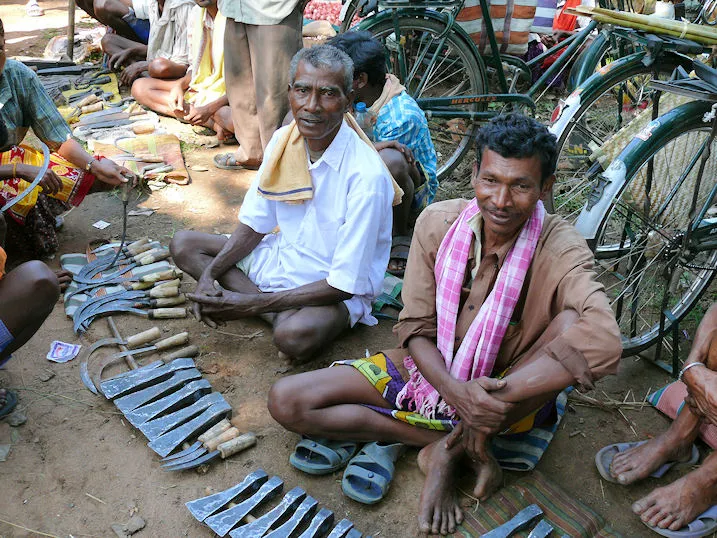
Fig.: आपणः
(Image source: Details)
सत्वर 3: fast, hurried
पण्य 3: for sale; n.: goods, trade
![]/images/lekt4303.webp
Fig.: पण्यानि
(Image source: Details)
आम् : yes
सम m. = वर्ष n.
-आयुत 3: provided with
भद्र 3: good, happy; vocative: my dear!
समय m. (from सम्-इ): agreement, contract, deadline, date, time
निश्चित 3: decided, fixed
नोचेत् : if not, otherwise
विलम्ब n.m.: delay, lateness
विपणि f.: shop
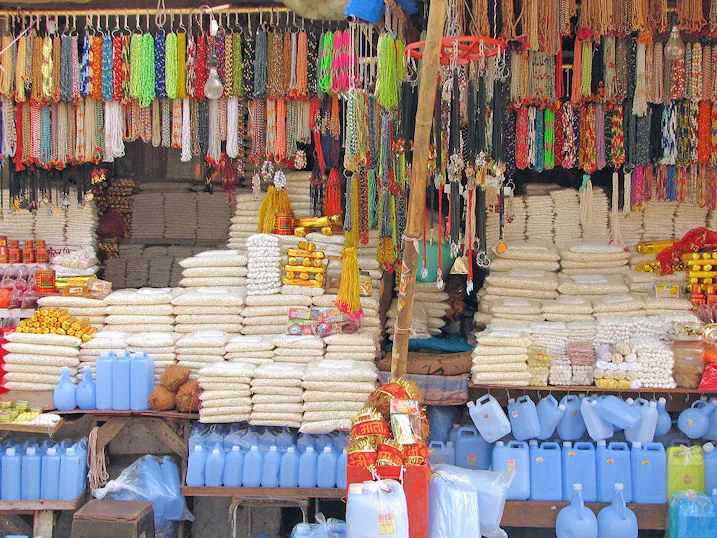
Fig.: विपणिः
(Image source: Details)
वणिज् m.: merchant
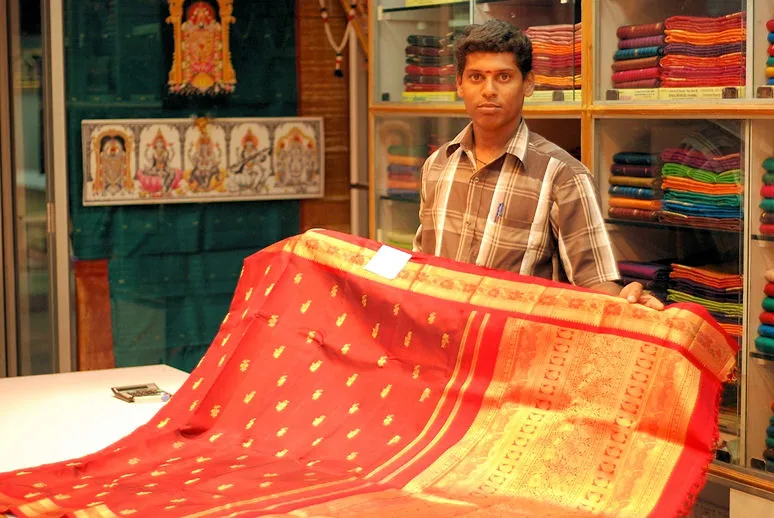
Fig.: वणिक्
(Image source: Details)
वर 3: best
शीघ्र 3: fast, quick
वत्स m.: calf, young, child; voc.: my dear
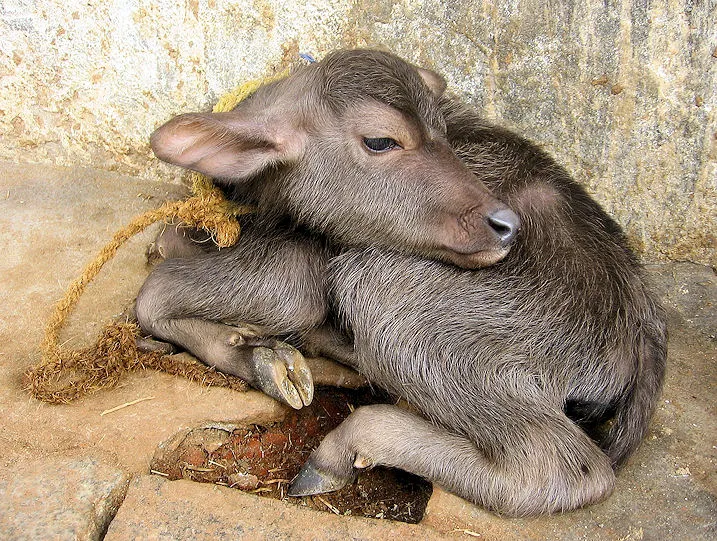
Fig.: वत्सः
(Image source: Details)
उत्तम 3: highest, best
अल्प 3: small, little
मूल्य n.: value, price
कियत् 3: how big
शर्करा f.: sugar (the German "Zucker" goes via Italian zucchero, from there via Arabic sukkar - سكر and Persian šakkar - شکر back to the Sanskrit शर्करा!)
अधिक 3: additional, surplus, extraordinary
तर्हि : then, at that time; therefore, thus
तुल् 10 तुलयति । तोलयति : to weigh
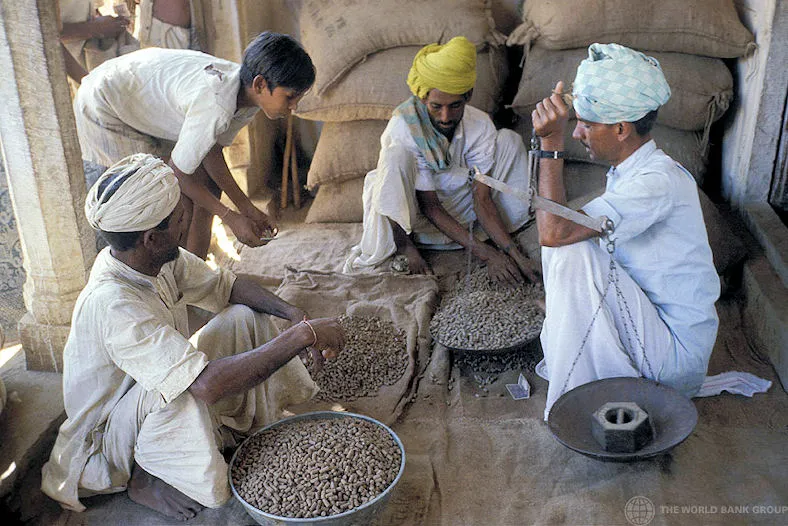
Fig.: तोलन्ति
(Image source: Details)
कर्गल n.: paper
संपुट m.: box (here: package, bundle)
पुरतस् : in front, before, prior
श्रेष्ठिन् m.: wealthy merchant
जव 3: fast, hurried
द्रु 1P द्रवति to run
Perf. IIIa दुद्राव, दुद्रुवुर्
Fut. द्रोष्यति
Pass. द्रूयते
Caus. द्रावयति
PPP द्रुत
Absol. -द्रुत्य
Inf. द्रोतुम्
रे Interjection: Hey! You there!
अन्यद् 3: another (declension like यद् )
वञ्चक m.: fraudster
पश्चात्ताप m.: regret
इत्थम् Adv.: in this way, thus
दिन n.: day
जन्मन् n.: birth
आनन्द m.: bliss, joy
Lesson 44
प्रति prefix: back, against, towards - away
e.g.
हन् + प्रति 2P प्रतिहन्ति : to strike back
वद् + प्रति 1P प्रतिवदति : to say back = to answer
ख्या + प्रति + आ 2P प्रत्याख्याति : to reject, to spurn
या 2P याति : to go, to travel
Perf. IV ययौ
Fut. यास्यति
Pass. यायते
Caus. यापयति
PPP यात
Inf. यातुम्
from which:
यान n.: going, path, vehicle
Fig.: रेल्यानम्
(Image source: Details)
शी 2Ā शेते : to lie. This root has in all forms of the present stem strong grade: 1.sg.Ind.Pres.Ā शेये (śe + e). The following forms are particularly noteworthy: 3.pl.Ind.Pres.Ā शेरते, 3.pl.Impf.Ā अशेरत
Perf. IIIa शिश्ये (śi-śī + e)
Fut. शयिष्यते
Caus. शापयति
PPP शयित
Inf. शयितुम्
from which:
शयन n.: couch, bed
Fig.: योगी शयने शेते
(Image source: Details)
नन्द् 1P नन्दति : to rejoice in (तृतीयया)
Perf. I ननन्द
Fut. नन्दिष्यति
Pass.: नन्द्यते
Caus. नन्दयति
PPP नन्दित
Inf. नन्दितुम्
Absol. -नन्द्य
Gerundive नन्द्य
from which:
नन्दिन् 3: characterized by (special) joy, joyful; m. name of the mount (वहन) of the शिव (a bull)
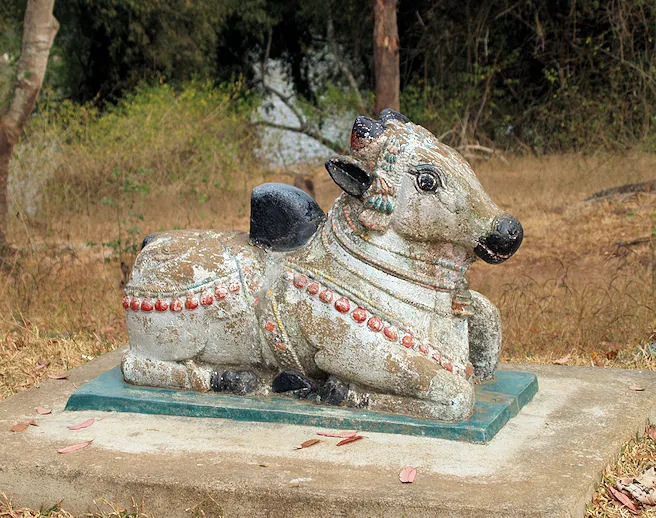
Fig.: नन्दी
(Image source: Details)
नन्द् + अभि 1P (1Ā) अभिनन्दति : to have one's joy in (द्वितीयया), to greet someone joyfully, to welcome
यम् 1P यच्छति : to hold, to carry; to offer, to grant; to hold together, to restrain, to bridle, to subdue
Perf. Vb ययाम, येमुर्
Fut. यंस्यति
Pass. यम्यते
Caus. यामयति but: नियमयति
PPP यत
Inf. यन्तुम्
Absol. -यम्य
यम् + आ 1U आयच्छति : to stretch, to extend
PPP आयत 3: stretched out long
Fig.: आयतो मरुः
(Image source: Details)
यम् + प्र 1P प्रयच्छति : to offer, to present, to hand over
यम् + सम् 1P संयच्छति : to bind together, to tie up, to subdue
यत् 1Ā यतते : to strive for (सप्तमी, चतुर्थी, द्वितीया)
Perf. Vb येते
Fut. यतिष्यते
Pass. यत्यते
Caus. यातयति
PPP यत्त
Inf. यतितुम्
from which:
यत्न m.: effort, exertion
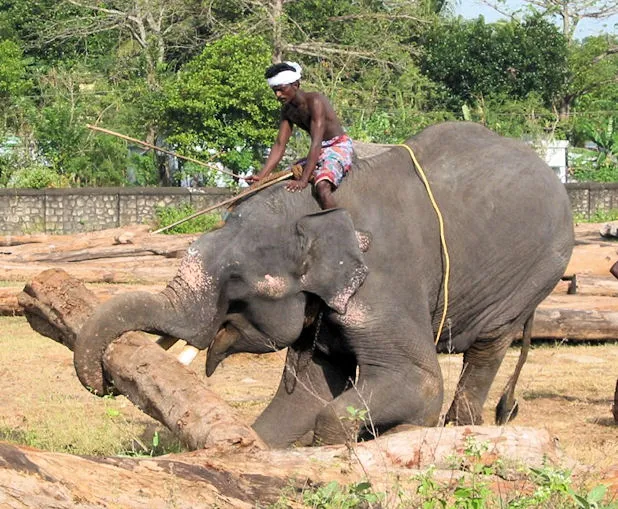
Fig.: यत्नेन
(Image source: Details)
रभ् 1Ā रभते (variant form to लभ्): to grasp
Perf. Vb रेभे
Fut. रप्स्यते
Pass. रभ्यते
Caus. रम्भयति
PPP रब्ध
Inf. रब्धुम्
Absol. -रभ्य
रभ् + आ 1Ā आरभते : to touch, to begin, to undertake
प्रव्रज्या f. (to प्र-व्रज्): the going forth from home into homelessness; ceremony by which one becomes a Buddhist novice (Pali: पब्बजा)
See:
Payer, Alois <1944 - >: Vinayamukha : Basic Concepts of the Monastic Rules and Monastic Law of the Theravāda. -- Part I. -- (Materials on the Basic Concepts of Buddhism). -- URL: http://www.payer.de/buddhgrund/vinaya01.htm
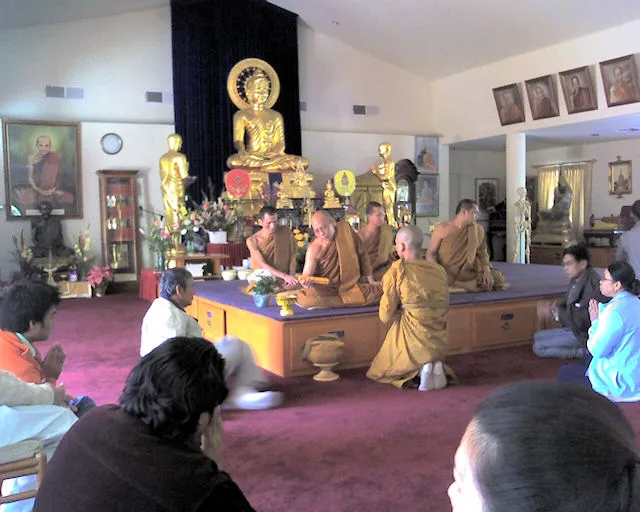
Fig.: प्रव्रअज्या / पब्बजा
(Image source: Details)
See:
Payer, Alois <1944 - >: Vinayamukha : Basic Concepts of the Monastic Rules and Monastic Law of the Theravāda. -- Part I. -- (Materials on the Basic Concepts of Buddhism). -- URL: http://www.payer.de/buddhgrund/vinaya01.htm
Fig.: प्रव्रअज्या / पब्बजा
(Image source: Details)
See:
Payer, Alois <1944 - >: Vinayamukha : Basic Concepts of the Monastic Rules and Monastic Law of the Theravāda. -- Part I. -- (Materials on the Basic Concepts of Buddhism). -- URL: http://www.payer.de/buddhgrund/vinaya01.htm
Fig.: प्रव्रअज्या / पब्बजा
(Image source: Details)
Lesson 45
वा ... वा : either ... or
Lesson 46
सम 3: equal, same, similar
from this:
समम् Adv.: in the same way, at the same time (तृतीयया), evenly
समता f.: equanimity
विषम 3: unequal, uneven, evil
ग्रह् 9U गृह्णाति (gṛh-ṇā-ti) : to seize, to grasp, to catch
Perf Va (!) जग्राह, जगृहुर्
Fut. ग्रहीष्यति
Pass. गृह्यते
Caus.ग्राहयति
PPP गृहीत
Inf. ग्रहितुम्
Absol. -ग्राह्य
from this:
ग्रह m.: grasping, gripper, crocodile, wandering star
नवग्रह m.: the nine wandering stars (not planets!) (see Basham, Wonder p. 493):
- सूर्यः = Sun
- चन्द्रः = Moon
- मङ्गलः = Mars
- बुधः = Mercury
- बृहस्पतिः = Jupiter
- शुक्रः = Venus
- शनिः = Saturn
- राहुः
- केतुः
Regarding राहु and केतु see:
Payer, Alois <1944 - >: Dharmashastra : Introduction and Overview. -- 10. Sacraments and Transition Rites (samskara). -- Appendix C: Rahu and Ketu, the invisible wandering stars . -- URL: http://www.payer.de/dharmashastra/dharmash10c.htm
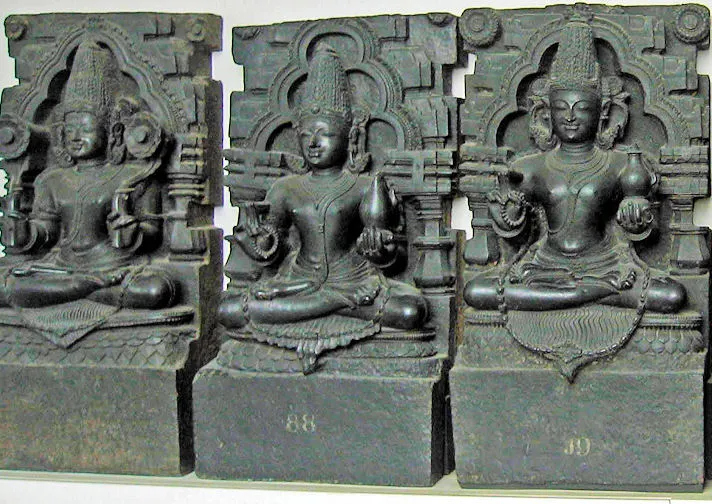
Fig.: सूर्यः, चन्द्रः, मङ्गलः
(Image source: Details)
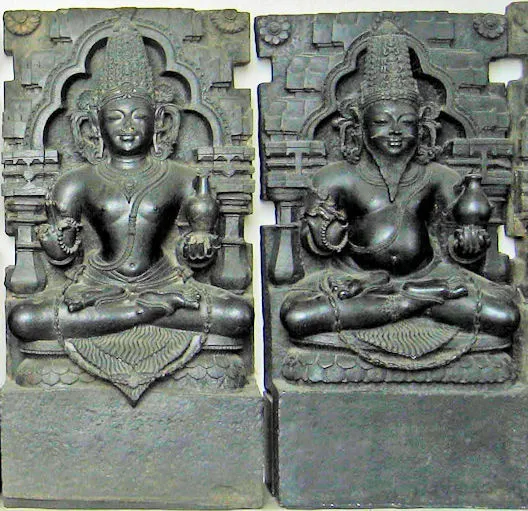
Fig.: बुधः, बृहस्पतिः
(Image source: Details)
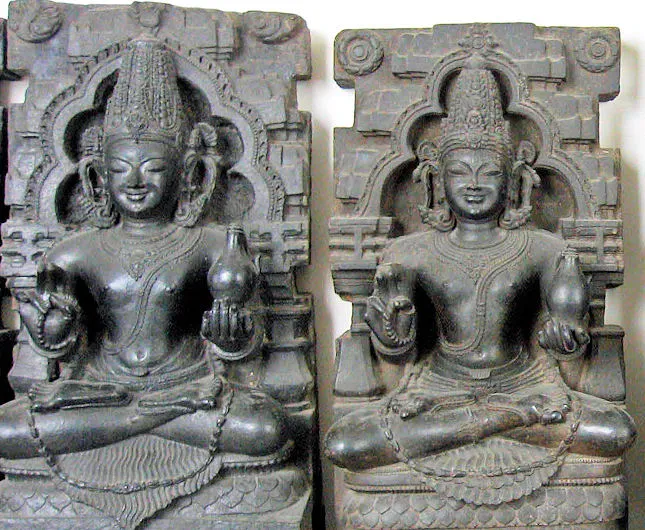
Fig.: शुक्रः, शनिः
(Image source: Details)
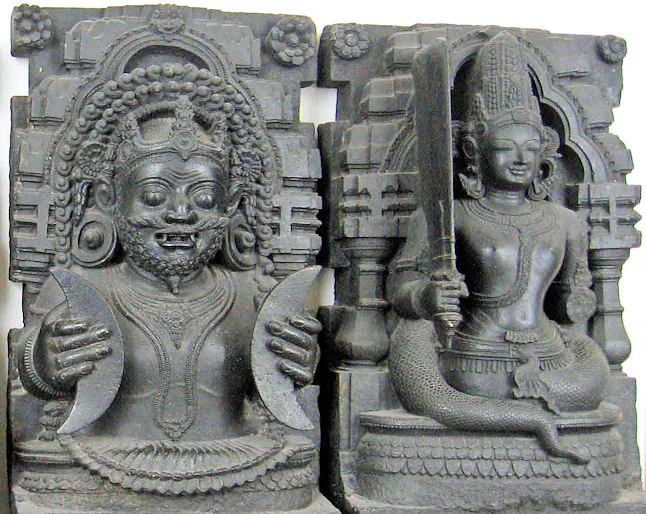
Fig.: राहुः, केतुः
(Image source: Details)
तुष् 4P तुष्यति : to be content, to be satisfied with (षष्ठ्या, चतुर्थ्या, तृतियया, सप्तम्या)
Perf. II तुतोष, तुतुषुर्
Fut. तोक्ष्यति
Pass. तुष्यते
Caus. तोषयति
PPP तुष्ट
Inf. तोष्टुम्
नम् 1P नमति : to bend, to bow, to incline, to prostrate
Perf. Vb ननाम, नेमुर्
Fut. नंस्यति
Pass. नम्यते
Kaus. नमयति । नामयति
PPP नत
Inf. नन्तुम्
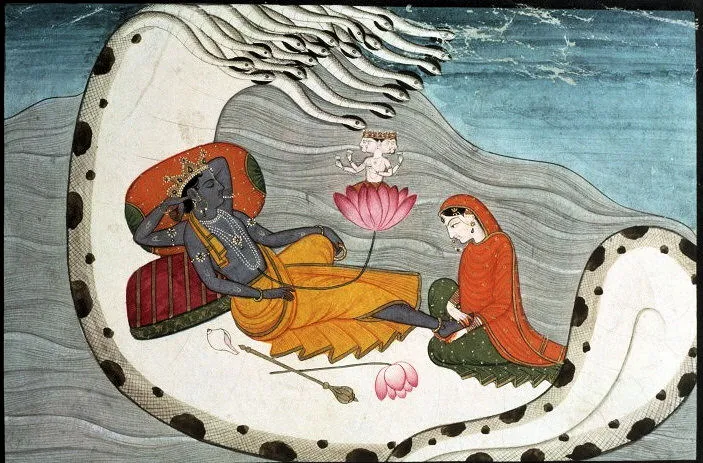
Fig.: नारायण तुभ्यं नमामि
(Image source: Details)
रुह् 1P रोहति : to conquer, to climb
Perf. II रुरोह, रुरुहे
Fut. रोक्ष्यति
Pass. रुह्यते
Kaus. रोहयति । रोपयति
PPP. रूढ
Inf. रोढुम्
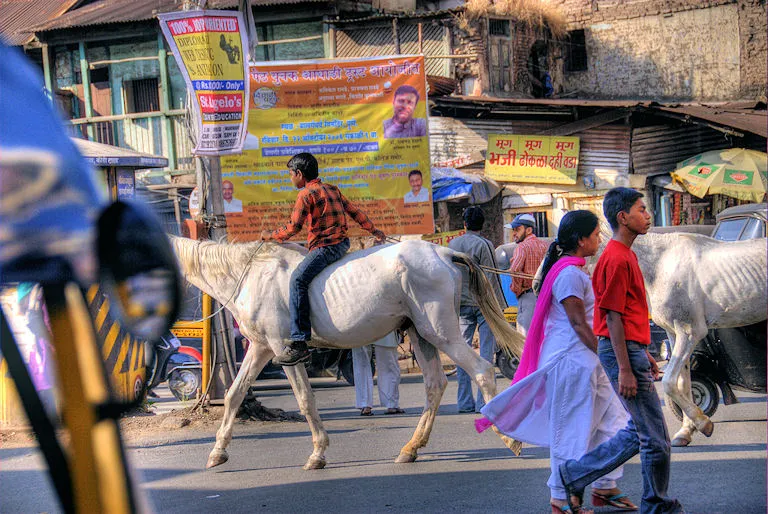
ह्वे । हू 1U ह्वयति : to call, to summon
Perf. IIIa जुहाव, जुहुवे
Fut. ह्वास्यति
Pass. हूयते
Kaus. ह्वाययति
PPP हूत
Inf. ह्वातुम्
Absol. -हूय
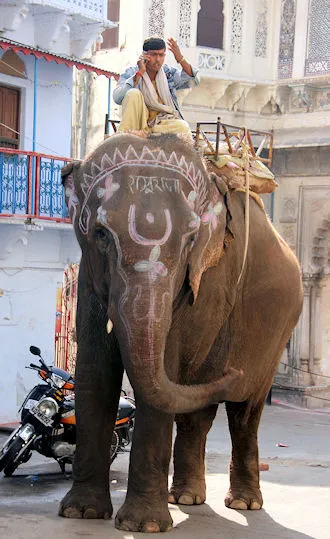
Fig.: महामात्र कं चरिष्णुदूरशब्देनाह्वयसि
(Image source: Details)
1 महामात्र m. "Mahout"; चरिष्णु 3 "mobile", दूरशब्द m. "long-distance call, telephone" » चरिष्णुदूरशब्द "mobile phone" (word formation: A. Payer)
विभ्रम m.: the going back and forth
भ्रंश m.: the falling away
श्रम् 4P श्राम्यति : to toil, to become tired
Perf. Vc शश्राम, शश्रामुर्
Fut. श्रमिष्यति
Pass. श्रम्यते
Kaus. श्रमयति । श्रामयति
PPP श्रान्त
Inf. श्रमितुम्
Absol. श्रमित्वा । श्रान्त्वा
thereof:
आश्रम m.n.
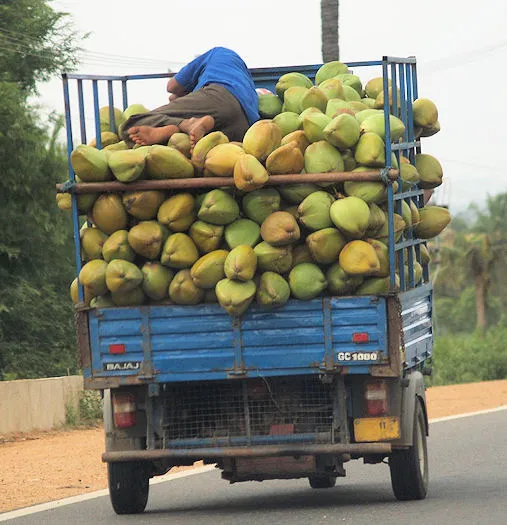
श्रि 1U श्रयति : to lean, to lean against, to find support, to go to someone (द्वितीयया, सप्तम्या)
Perf. IIIa शिश्राय, शिश्रिये
Fut. श्रयिष्यति
Pass. श्रीयते
Kaus. श्राययति
PPP श्रित
Inf. श्रयितुम्
सञ्ज् 1P सजति : to attach, to cling to (सप्तम्या)
Perf. I ससञ्ज, ससञ्जुर्
Fut. संक्ष्यति
Pass. सज्यते
Kaus. सञ्जयति
PPP सक्त
Inf. संक्तुम्
thereof:
सङ्ग m.: the attaching to, contact with (तृतीयया)
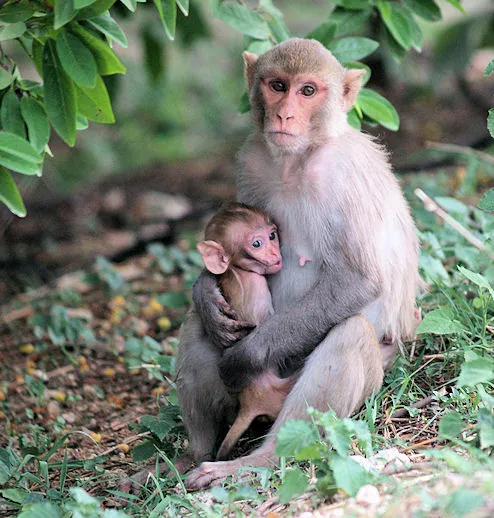
द्रु 1P द्रवति : to run, to hasten
Perf IIIa (अनिट्) दुद्राव, दुद्रुवुर्
Fut. द्रोष्यति
Pass. द्रूयते
Kaus. द्रावयति
PPP द्रुत
Inf. द्रोतुम्
Absol. -द्रुत्य
भ्रम् 1P भ्रमति । 4P भ्राम्यति : to wander, to roam
Perf. Vc बभ्राम, बभ्रमुर् । Vb भ्रेमुर्
Fut. भ्रमिष्यति
Kaus. भ्रमयति
PPP भ्रान्त
Inf. भ्रमितुम्
Absol. -भ्रम्य
thereof:
विभ्रम m.: wandering, confusion, error
लम्ब् 1Ā लम्बते : to hang down from (सप्तम्या), to hang on (सप्तम्या)
Perf. I ललम्बे
Fut. लम्बिष्यते
Pass. लम्ब्यते
Kaus. लम्बयति
PPP लम्बित
Inf. लम्बितुम्
Absol. -लम्ब्य
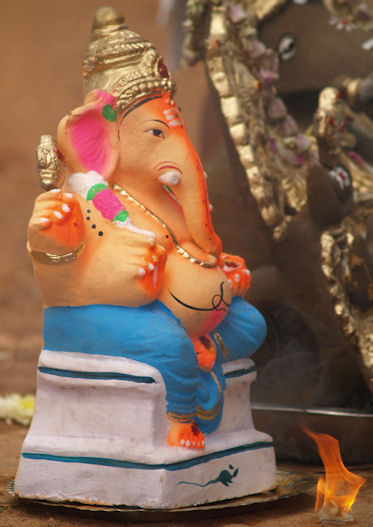
Fig.: लम्बोदर नमस्तुभ्यम्
(Image source: Details)
लम्ब् + आ 1Ā आलम्बते : to hang on (द्वितीयया)
यदि Conjunction: if
भू + परि 1P परिभवति : to encircle, to master, to conquer
PPP परिभूत 3: conquered, humiliated, degraded
नि Prefixed verb: downwards, down, into, backwards
e.g.
सद् + नि 1P निषीदति : to sit down
भोस् Vocative particle: exclamation of address, e.g.: hey, heda, oh, ei, hello, hi! often not to be translated. This particle has a special Sandhi: before all voiced sounds, it is भो.
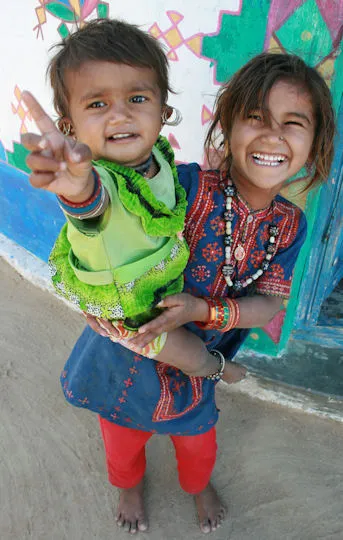
Lesson 48
श्वस् : tomorrow
अद्य : today
लघु 3: light (not heavy, not difficult), fast, short (in expression)
व्याकरण n.: Grammar (to व्याकृ)
तन्त्र n.: String ; Loom, warp, fabric ; Basis, norm, rule ; Doctrine, textbook ; Tantra ; Magic formula ; Means, trick, medicine ; Government, authority
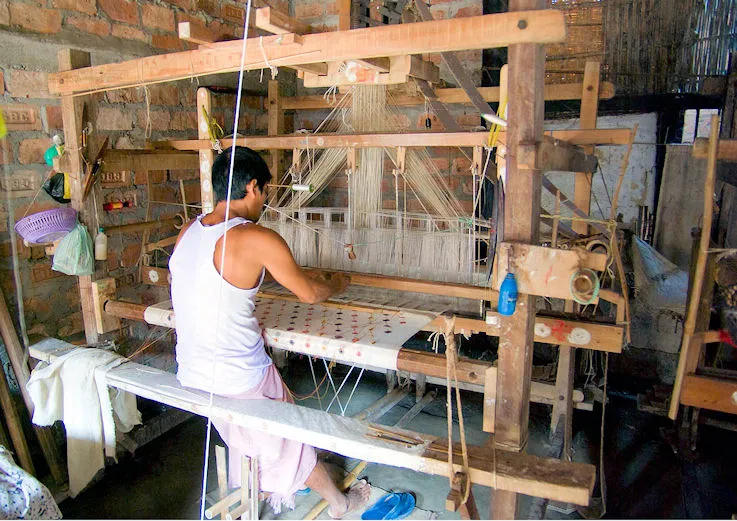
Fig.: तन्त्रम्
Sualkuchi = সুৱালকুচি, Assam = অসম
(Image source: Details)
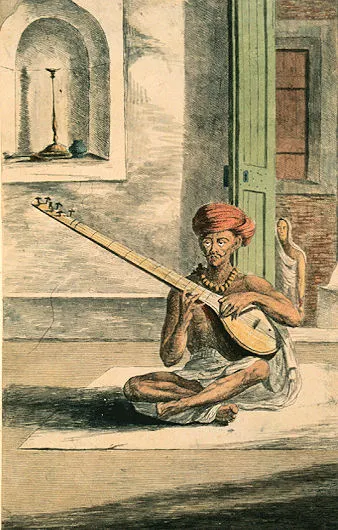
Fig.: तन्त्री
Sitar player = सितारवादकः
(Image source: Details)
स्त्री f.: Woman, wife ; Feminine
Declension:
| स्त्री f. | एकवचनम् | बहुवचनम् |
|---|---|---|
| प्रथमा | स्त्री | स्त्रियस् |
| द्वितीया | स्त्रियम् स्त्रीयम् | स्त्रियस् स्त्रीस् |
| तृतीया | स्त्रिया | स्त्रीभिस् |
| चतुर्थी | स्त्रियै | स्त्रीभ्यस् |
| पञ्चमी | स्त्रियास् | स्त्रीभ्यस् |
| षष्ठी | स्त्रियास् | स्त्रीणाम् |
| सप्तमी | स्त्रियाम् | स्त्रीषु |
| आमन्त्रितम् | स्त्रि | स्त्रियस् |
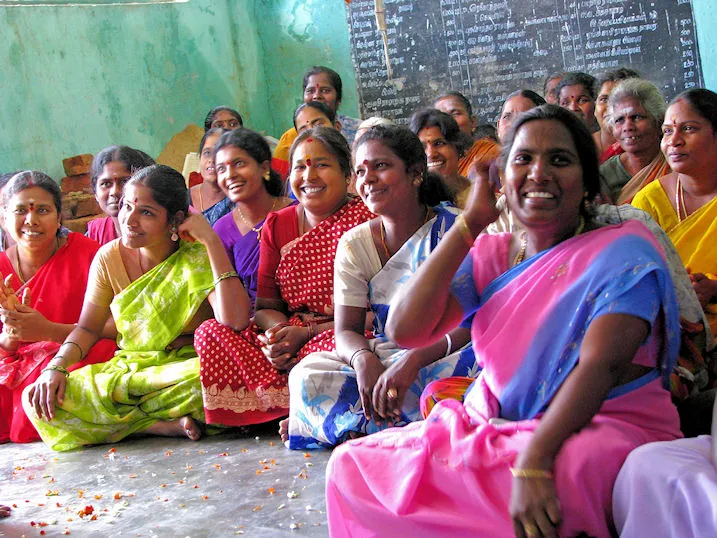
Fig.: स्वतन्त्राः स्त्रियः
Self-help group (SHG), Tamil Nadu = தமிழ்நாடு
(Image source: Details)
दिवानिशम् Adverb: by day and by night
सज्ज् 1P सज्जति : to hang, to adhere
कुमार m.: Child, youth, prince; Epithet of the कार्तिकेय / Murugan = முருகன் = മുരുകന് / Subrahmanya = ಸುಬ್ರಹ್ಮಣ್ಯ
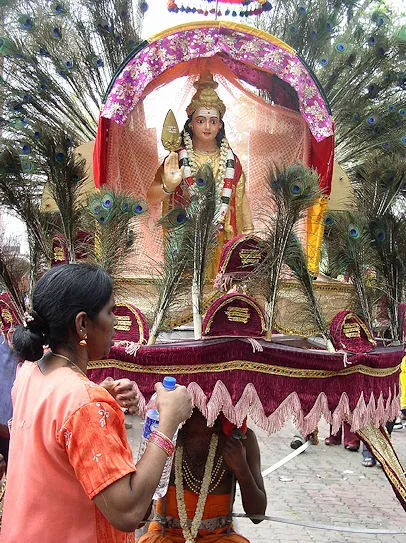
Fig.: कुमारः
Thaipusam festival = தைப்பூசம், Batu Caves, Malaysia
(Image source: Details)
कुमारी f.: Girl, daughter
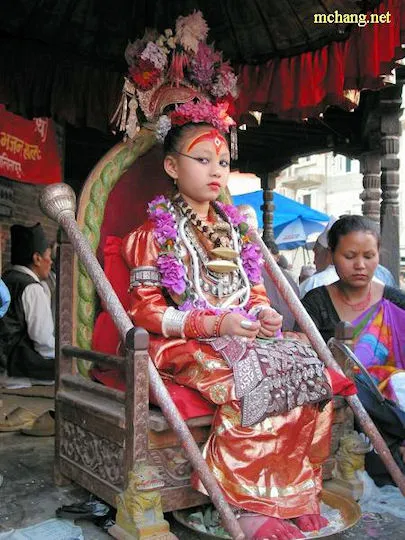
Fig.: कुमारी
नेपाल
(Image source: Details)
कौमर n.: Childhood
यौवन n.: Youth
स्थविर 3: old, aged
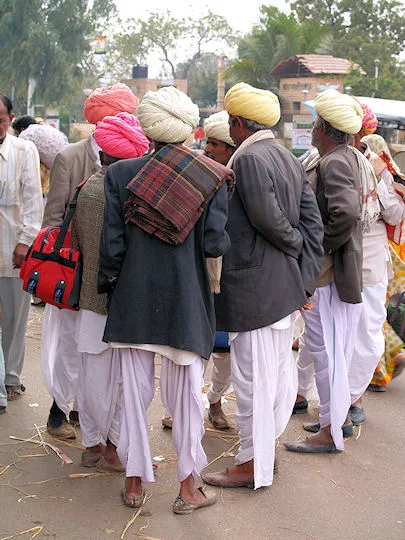
Fig.: स्थविराः
जोधपुर
(Image source: Details)
स्थाविर n.: (high) age
वाच्य 3: also: blameworthy
सूक्ष्म 3: fine, tiny, subtle
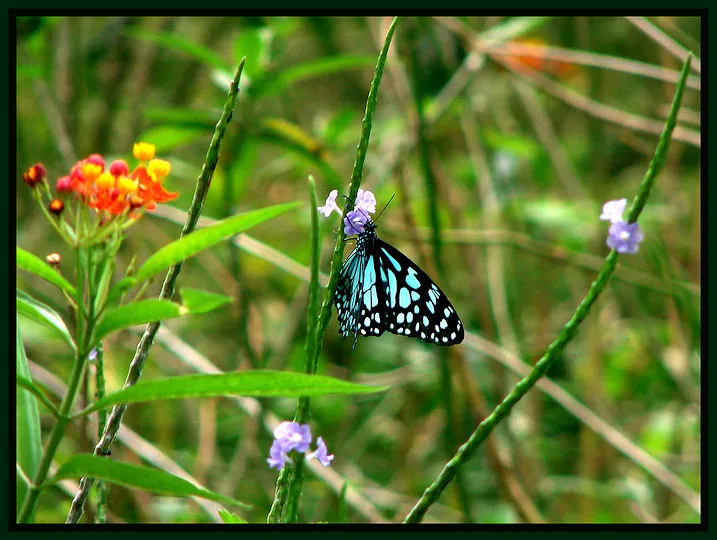
Fig.: सूक्ष्मम्
Karanji Lake = ಕಾರಂಜಿ ಕೆರೆ
(Image source: Details)
प्रसङ्ग m.: Attachment, inclination ; Opportunity
विशेष m.: difference, peculiarity
प्रसूति f.: birth, offspring
चरित्र n.: custom, habit, customary law ; conduct
जाया f.: wife
Fig.: मम जाया
(Image: Payer)
(Image source: Details)
Lesson 49
दीर्घ 3: long
ह्रस्व 3: short
आयुस् n.: lifetime (the full lifetime, one can live, if nothing comes in between) ;
thereof:
आयुर्वेद m.: the traditional medical system of India
see:
Carakasaṃhitā: Selected Texts from the Carakasaṃhitā / translated and explained by Alois Payer <1944 - >. -- 0. Introduction. -- URL: http://www.payer.de/ayurveda/caraka0001.htm
क्षिप् 6P क्षिपति : to throw, to hurl
Perf. II चिक्षेप, चिक्षेपिथ, चिक्षिपुर्
Fut. क्षेप्स्यति
Pass. क्षिप्यते
Caus. क्षेपयति
PPP क्षिप्त
Inf. क्षेप्तुम्
Absol. -क्षिप्य
Gerundive: क्षेप्य
त्वर् 1Ā त्वरते : to hasten
Perf. Vc तत्वरे
Fut. त्वरिष्यते
Pass. त्वर्यते
Caus. त्वरयति
PPP त्वरित । तू्र्ण
Inf. त्वरितुम्
द्रुह् 4P द्रुह्यति : to harm
Perf. II दुद्रोह, दुद्रुहुर्
Fut. द्रोहिष्यति । ध्रोक्ष्यति
Pass. द्रुह्यते
Caus. द्रोहयति
PPP द्रुग्ध । द्रूढ
Inf. द्रोग्धुम्
कुलूहल n.: curiosity, interest
Fig.: कुलूहलम्
(Image source: Details)
कृत्स्न 3: whole, complete
परिचय m.: acquaintance
कला f.: art
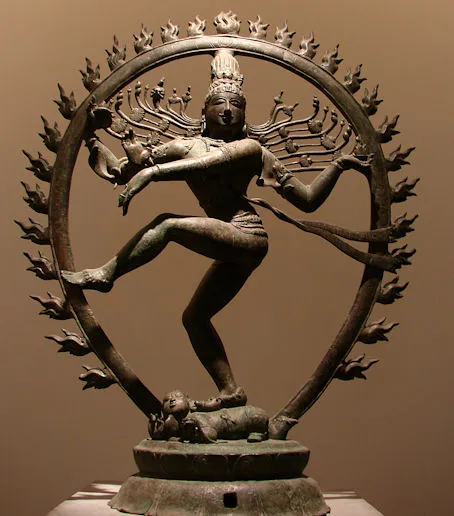
Fig.: उत्तमा काला
शिवो नटराजा, 11th century
(Image source: Details)
वर m.n.: wish
उत Indecl.: and, also, or
विहंग m.: bird ("in the airस्dream - विह - going")
Fig.: विहंगः
(Image source: Details)
वेष m.: garment, appearance, exterior
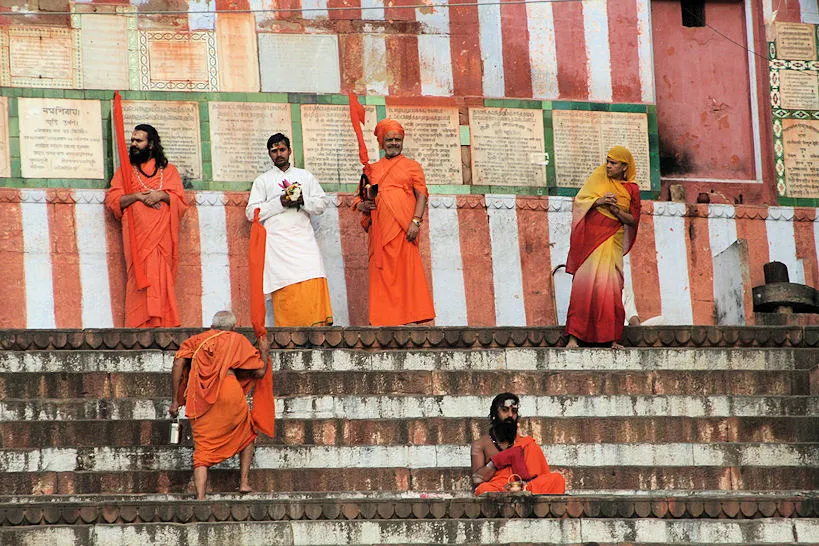
Fig.: वेषः
वाराणस्याम्
(Image source: Details)
छन्न n.: blanket, hiding place
पञ्जर n.: cage
Fig.: पञ्जरम्
Fortune teller with parrot in cage: the parrot draws slips of paper, on which fate is written Mysore
(Image source: Details)
चाण्डाल । चण्डाल m.: lowest level of the Dalits
स्वयम् Indecl.: self, of itself
अवनि f.: earth
मुहूर्त m.,n.: moment, instant, right moment
ध्यै 1P ध्यायति : to imagine, to think
Perf. IV दध्यौ
Fut. ध्यास्यति
Pass. ध्यायते
Caus. ध्यापयति
PPP ध्यात
Inf. ध्यातुम्
Gerundive ध्येय
आदर m.: consideration, attention, respect
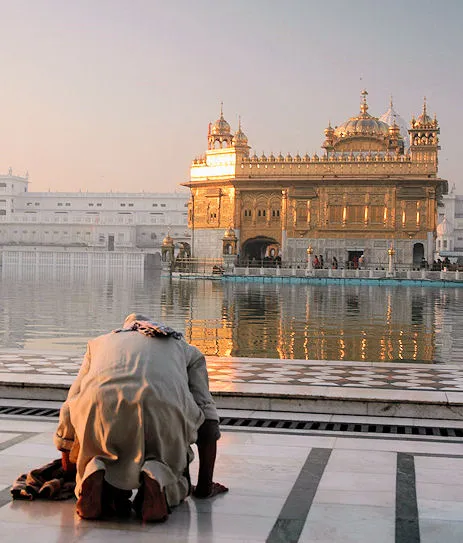
Fig.: सादरः
Amritsar = ਅੰਮ੍ਰਿਤਸਰ
(Image source: Details)
कुतुक n. = कुलूहल n.
परम 3: furthest, highest ; पञ्चम्या : better than, higher than
शिशु m.: child, young
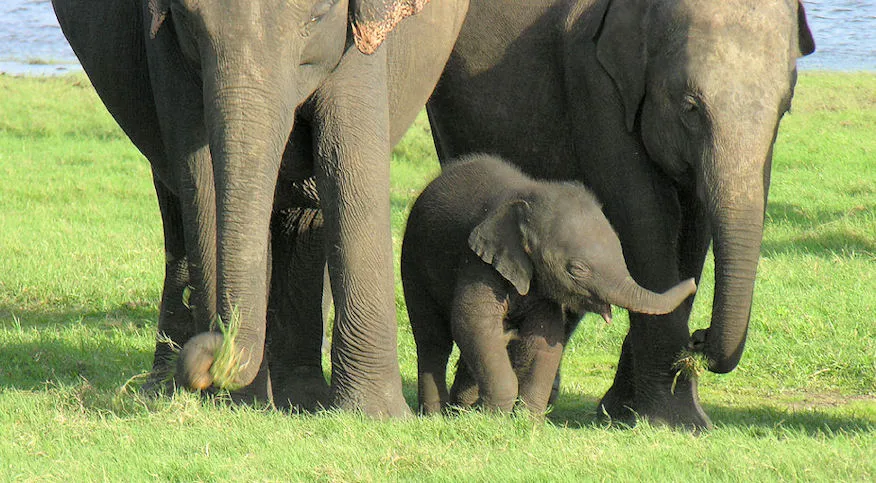
Fig.: गजशिशुः
Sri Lanka
(Image source: Details)
Lesson 50
ध्रुव 3: firm, unchangeable
निषेक m.: sprinkling, fertilization, fluid, ejaculation, ceremony at conception
पण्डित 3: clever, wise, learned
मन् + अव 4Ā अवमन्यते : disregard, despise
मन्त्रिन् 3: advisory ; m.: advisor, councilor, minister
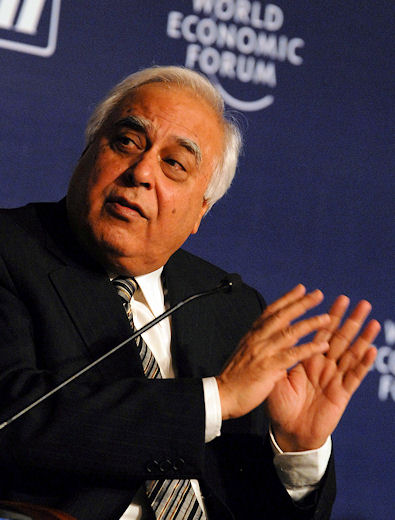
Fig.: मन्त्री
Kapil Sibal (1948 -), Union minister in Ministry of Science and Technology and Ministry of Earth Sciences (since 2006)
(Image source: Details)
रहस् n.: secret, solitude
रिष् 1P रिषति 4P रिष्यति : be damaged, fail, be harmed
Perf. II रिरेष, रिरिषुर्
Fut. रेषिष्यति
Pass. रिष्यते
Caus. रेषयति
PPP रिष्ट
लुप् 6U लुम्पति : break, destroy
Perf. II लुलोप, लुलुपे
Fut. लोप्स्यति
Pass. लुप्यते
Caus. लोपयति
PPP लुप्त
Inf. लोप्तुम्
Gerundiv लुप्य । लोप्य
विधि m.: also: fate (to विधा)
वृष् 1P वर्षति : rain (mostly with a कर्तृ -- a god or a cloud)
Perf. II ववर्ष, ववृषुर्
Fut. वर्षिष्यति
Pass. वृष्यते
Caus. वर्षयति
PPP वृष्ट
Inf. वर्षितुम्
Absol. वर्षित्वा । वृष्ट्वा
Absol.-वृष्य
Fig.: महामेघो वर्षिष्यति
Arrival of the Monsoon, Bangalore ಬೆಂಗಳೂರು
(Image source: Details)
संयक् Adv.: correct, true, in the proper manner ; thoroughly, completely
आदित्य m.: Sun ; pl.: Āditya : a certain class of gods
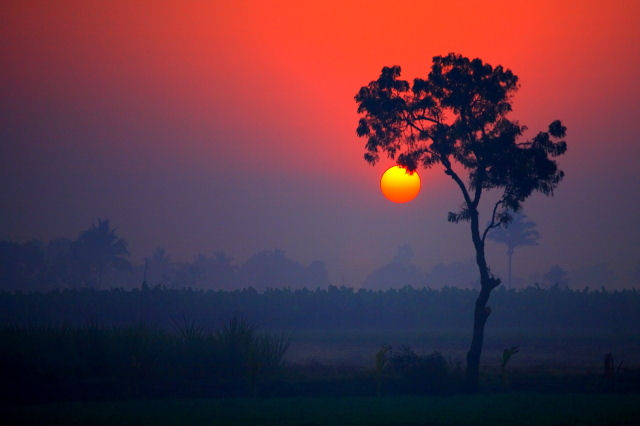
Fig.: आदित्यः
(Image source: Details)
सर्व 3: each, all
Declension like यद् (exception: Nom.Akk.sg.Neuter)
| Singular एकवचनम् | Plural बहुवचनम् | |||||
|---|---|---|---|---|---|---|
| Masculine पुंस् | Neuter नपुंसकम् | Feminine स्त्री | Masculine पुंस् | Neuter नपुंसकम् | Feminine स्त्री | |
| 1. Nominative १. प्रथमा | सर्वस् | सर्वम् | सर्वा | सर्वे | सर्वाणि | सर्वास् |
| 2. Accusative २. द्वितीया | सर्वम् | सर्वम् | सर्वाम् | सर्वान् | सर्वाणि | सर्वास् |
| 3. Instrumental ३. तृतीया | सर्वेण | सर्वया | सर्वैस् | सर्वाभिस् | ||
| 4. Dative ४. चतुर्थी | सर्वस्मै | सर्वस्यै | सर्वेभ्यस् | सर्वाभ्यस् | ||
| 5. Ablative ५. पञ्चमी | सर्वस्मात् | सर्वस्यास् | सर्वेभ्यस् | सर्वाभ्यस् | ||
| 6. Genitive ६. षष्ठी | सर्वस्य | सर्वस्यास् | सर्वेषाम् | सर्वासाम् | ||
| 7. Locative ७. सप्तमी | सर्वस्मिन् | सर्वस्याम् | सर्वेषु | सर्वासु | ||
वै : particle, which emphasizes the preceding word: indeed, truly, but
इह Adv.: here, here on earth, here; now. Before nouns in the locative (षष्ठी) synonymous with अस्मिन्, अस्याम्
कल्प m: statute, custom, ritual ; World period (to कॢप्)
कल्याण 3 (f.: कल्याणी) :beautiful
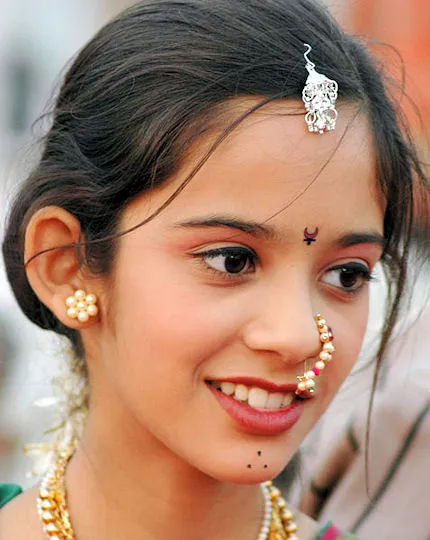
Fig.: कल्याणी
(Image source: Details)
कु- : as the first member of compounds: bad
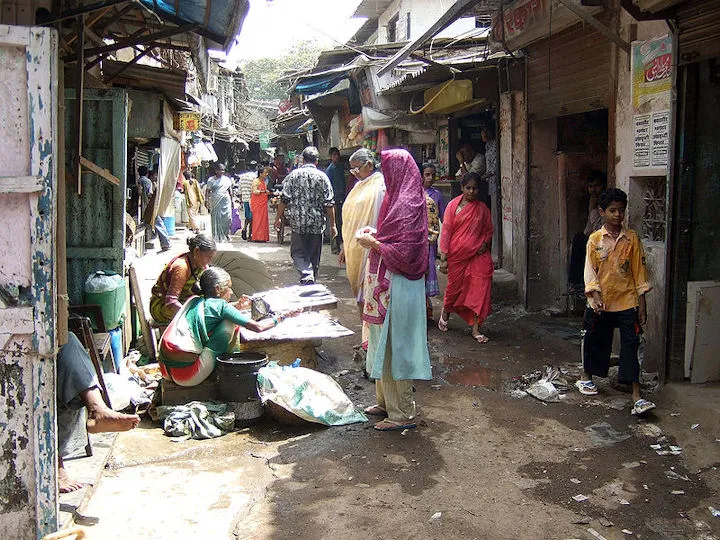
Fig.: कुनगरम्
धारावी, मुंबई
(Image source: Details)
चक्ष् 2Ā चष्टे 2.pl. Ā चड्ढ्वे : to see
Perf. चचक्षे
not used in other tenses
चक्ष् + प्र 2Ā प्रचष्टे : to tell, to consider, to name
देश m.: place, spot, land, region
Lesson 51
अजिन n.: antelope skin, esp. the skin of the black antelope (blackbuck : Antilope cervicapra L. ). Originally occurred throughout the Indian subcontinent from Punjab and Sind to Bengal and from Nepal to Kanyakumari (Cape Comorin) (Tamil: கன்னியாகுமரி) See:
Walker's mammals of the world / Ronald M. Nowak. -- 6. ed. -- Baltimore [u.a.] : Johns Hopkins Univ. Pr., 1999. -- 2 vols. -- ISBN 0-8018-5789-9. -- Vol. 2. -- p. 1193f.
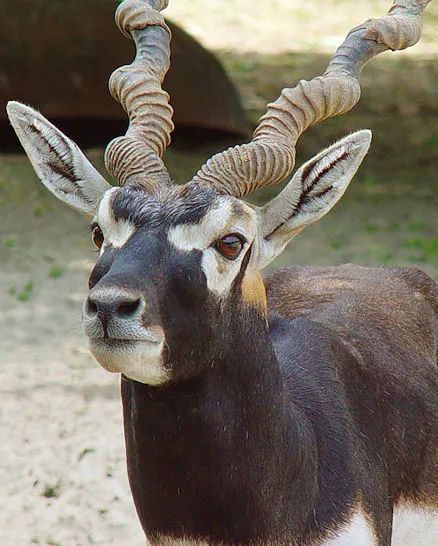
Fig.:
(Image source: Details)
अतिथि m.: guest
अभ्यन्तर 3: located inside, nearest; m. the nearest relative, native
अरण्य n.: wilderness, forest
ऋतु m.: periodic event, season, time period, menstruation, time during which the woman is fertile and has a claim to sexual intercourse with her husband.
Regarding ऋतु see Manu III, 45-48: according to this, ऋतु lasts 16 days (according to the alternative translation: 20 days) from the beginning of menstruation, sexual intercourse is forbidden on the first four days after the onset of bleeding (according to the alternative translation: on the first eight (4 + 4) days), as well as on the 11th (resp. 15th) and 13th (resp. 18th) day. On even days the woman conceives sons, on odd days daughters. For the following, a ऋतु of a total of 16 days (not the alternative translation) is assumed, as most indigenous commentaries do, and which was therefore the prevailing view.
Since ovulation occurs 14 days before the onset of menstruation, with this determination of the fertile period, fertility is almost "guaranteed" for an interval between menstruations of 19 to 30 days. The forbidden days (11th and 13th) improve the probability of sexual intercourse on the 12th and 14th days, i.e., the probability of conception in a cycle of 28 days (the lifespan of sperm in the woman is approx. 3 days). These regulations are as it were a positive application of the Knaus-Ogino method.
Fig.: ऋतुः
(Image source: Details)
एकत्र Adv.: in one place
जटा f.: hair bun (ascetic's hairstyle)
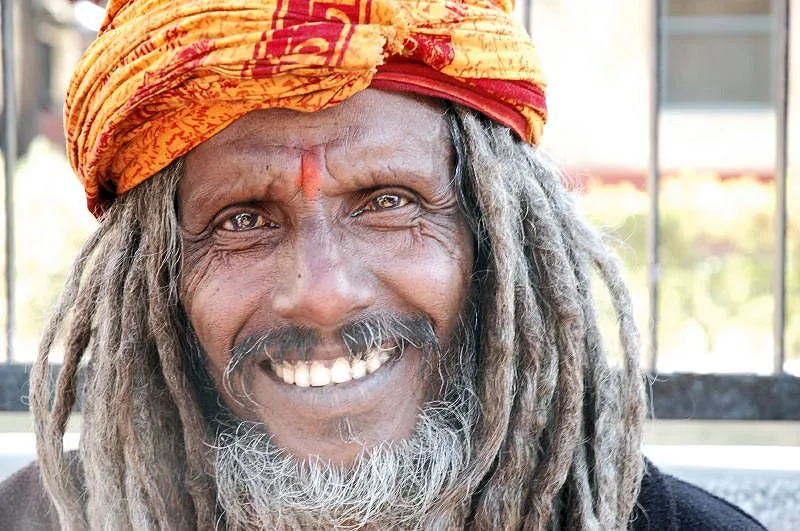
Fig.: जटा
ऋषिकेश
(Image source: Details)
तुल्य 3: equal, comparable (तृतीयया)
तरय 3 (f.: तरयी): threefold, consisting of three parts
प्राणान्तिक 3 (f.: -ī): fatal, bringing death, life imprisonment
बाह्य 3: outside, located outside, foreign
भिक्षा f.: begged alms, food obtained by begging
मार्यादा f.: boundary, limit
शिष् 7P शिनष्टि : to leave, to leave behind
Perf.II शिशेषे, शिशिषुर्
Fut. शेक्ष्यति
Pass. शिष्यते
Kaus. शेषयति
PPPशिष्ट
Absol. -शिष्य
शिष् + वि 7P विशिनष्टि : to distinguish
Pass. विशिष्यते : to differ from (पञ्चम्या, तृतीयया), to be better than (पञ्चम्या, तृतीयया), to be the best among (षष्ठ्या, सप्तम्या)
समान 3: of the same kind, equal, similar; m.: contemporary, peer
स्व 3: one's own, his/her/its (my, your, etc.). Declined like सर्व. In the Abl./Loc. sg. m.n. and in the Nom. pl. m., it can also be declined like देव:
Abl. sg. m.n. स्वस्मात् । स्वात्
Loc. sg. m.n. स्वस्मिन् । स्वे
Nom. pl. m. स्वे । स्वास्
गर्ह् 1Ā गर्हते 10P गर्हयति : to scold, to blame
Perf. I जगर्हे
Fut. गर्हिष्यते
PPP गर्हित
पिशित n.: (prepared) meat
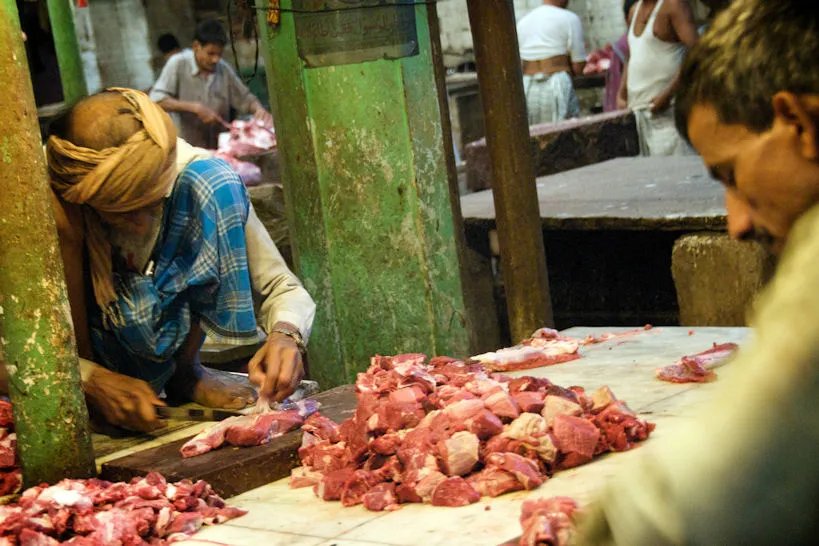
Fig.: पिशितम्
Kolkata = কলকাতা
(Image source: Details)
उपहार m.: offering, sacrifice, gift
मधु n.: honey, sweet drink, mead (honey wine)
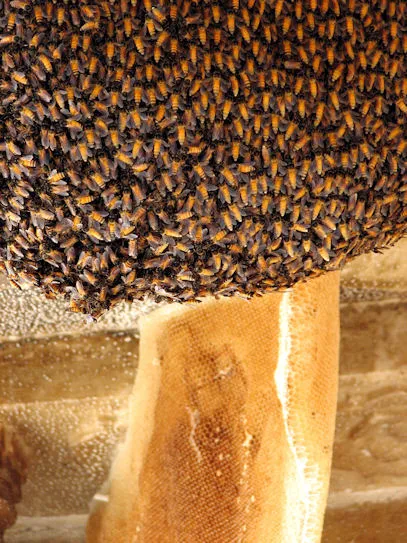
Fig.: मधु
City Palace, उदयपुर
(Image source: Details)
मांस n.: meat
मृगया f.: hunt, hunting
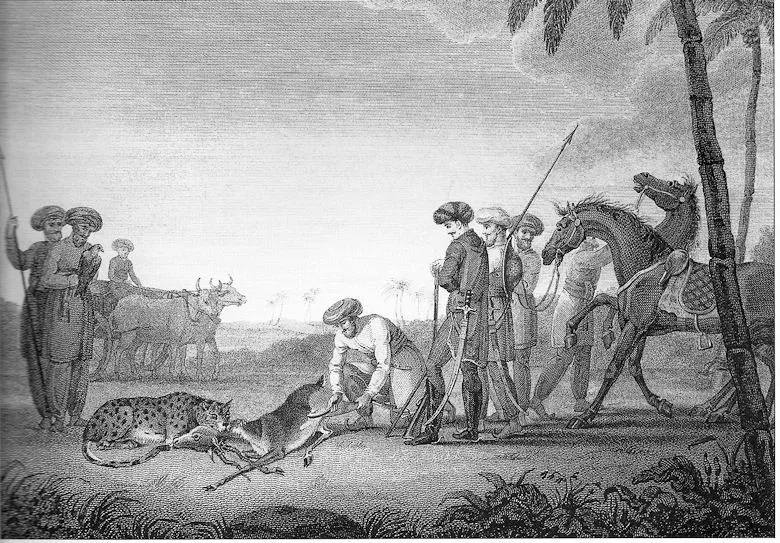
Fig.: मृगया
Hunting with चीता (Acinonyx jubatus venaticus) Gujarat = ગુજરાત, 1812
(Image source: Details)
शिवा f.: (female) jackal (golden jackal = Canis aureus)
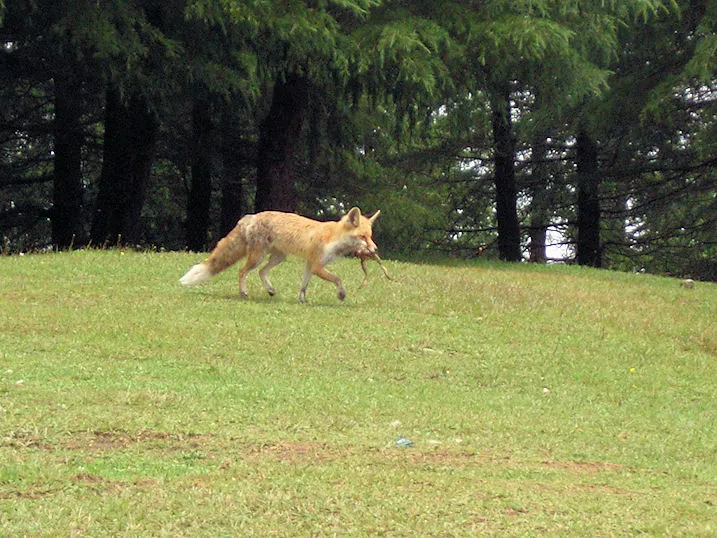
Fig.: शिवा
Canis aureus, Kalatop Khajjiar Sanctuary
(Image source: Details)
रुत n.: shouting, clamor
कौशिक m.: owl
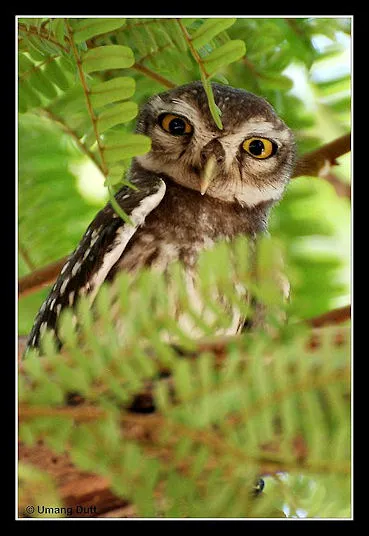
Fig.: कौशिकः
Brahma owl (Athene brama), Mahesana = મહેસાણા
(Image source: Details)
शकुनि m.: bird
श्वन् m.: dog
strong stem श्वान्
weak stem before vowel सुन्
weak stem before consonant श्व
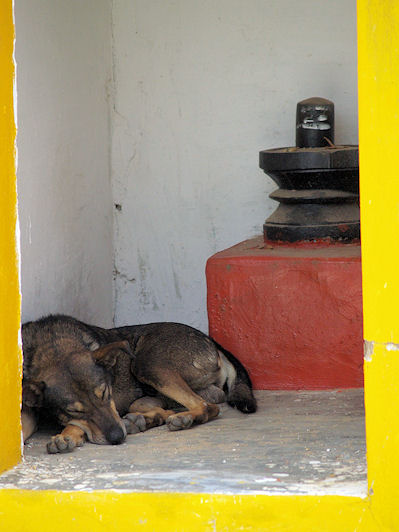
Fig.: श्वा लिङ्गं च
Karnataka = ಕರ್ನಾಟಕ
(Image source: Details)
परिचित 3: familiar, known
अटवी f.: forest
शून्य 3: empty, desolate
आपान(क) n.: drinking bout, feast
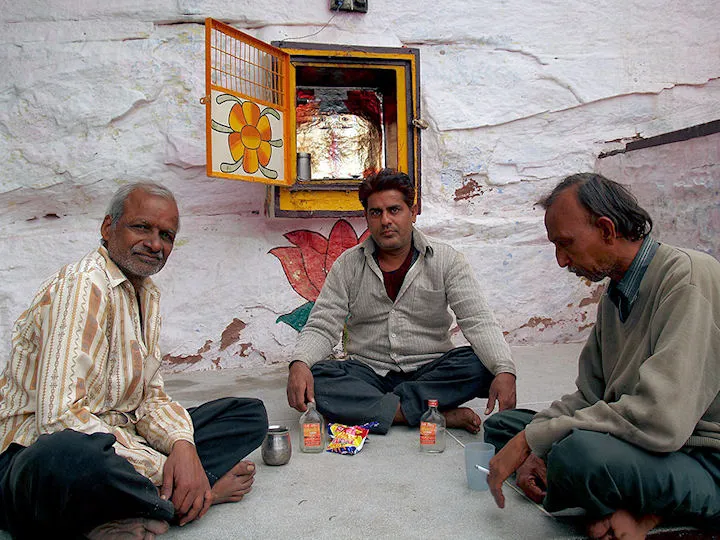
Fig.: आपानकम्
जोधपुर
(Image source: Details)
क्रूर 3: raw, cruel
दिह् 2U देग्धि, दिग्धे : to smear, to daub
Perf. II दिदेह
Fut. धेक्ष्यति
Pass. दिह्यते
Kaus. देहयति
PPP दिग्ध
विष n.: poison
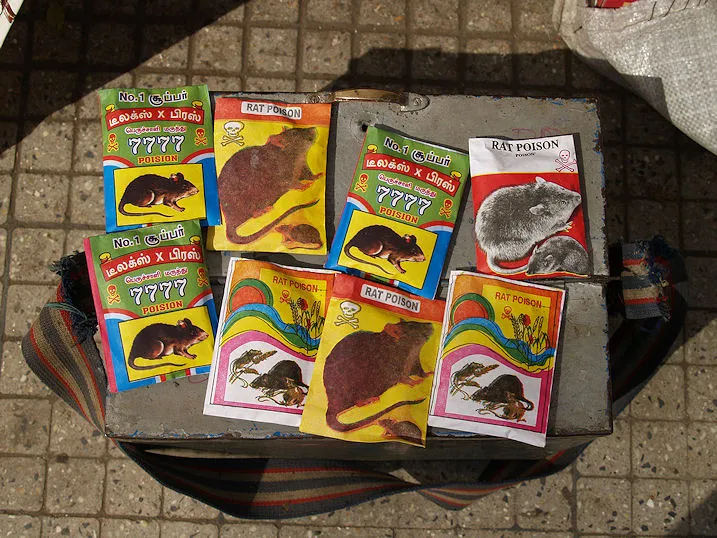
Fig.: मूषिकाविषाणि
Bangalore = ಬೆಂಗಳೂರು
(Image source: Details)
भुजंग m.: snake
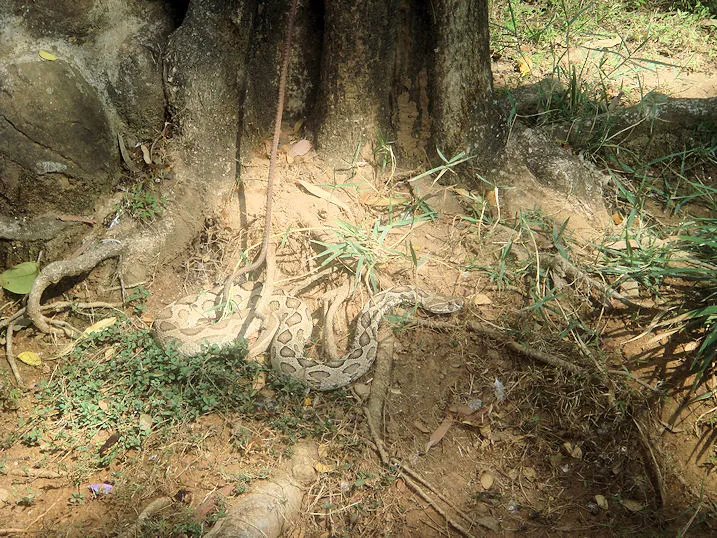
Fig.: भुजंगः
Russell's viper (Daboia russelii), Bangalore = ಬೆಂಗಳೂರು
(Image source: Details)
सायक m.: arrow
उत्साद m.: destruction, ruin
कलत्र Neuter: wife, female
बन्दी f.: captive, plunder
योषित् f.: young woman, girl
शार्दूल m. = व्याघ्र m.
रुधिर n.: blood
अर्चन n. अर्चना f. = पूजा f.
बलि m.: payment, donation, tribute
मणि m.: jewel
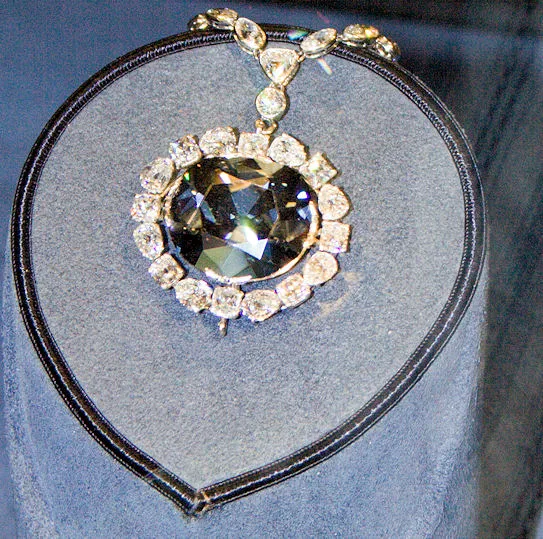
Fig.: मणिः
Hope Diamond from Guntur = గుంటూరు, today Smithsonian Museum of Natural History, Washington DC
(Image source: Details)
वन n.: forest
मद m.: also "must" of an elephant (in Musht)
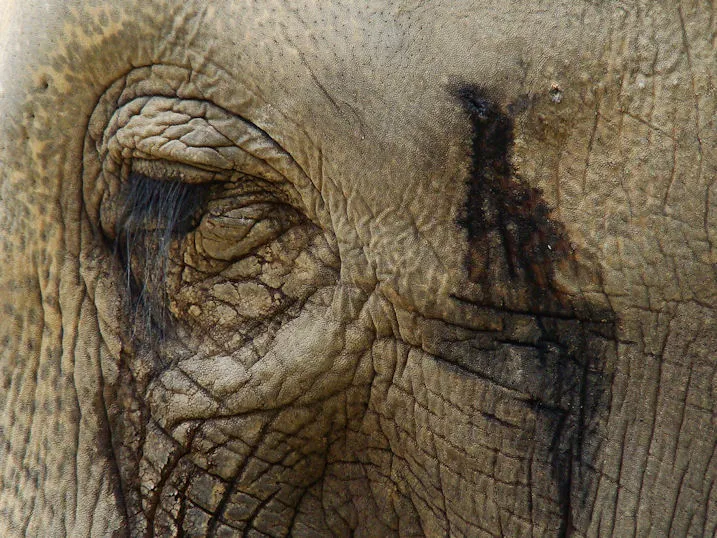
Fig.: मदः
(Image source: Details)
राग m.: also: color, red color
कालन n.: forest
खन् 1U खनति : to dig
Perf. चखान, चखने
Fut. खनिष्यति
Caus. खानयति
PPP खात
Absol. खनित्वा । खात्वा
चिन्त् 10 चिन्तयति : to think, to ponder
शबर .: proper name of a non-Aryan tribe
Lesson 52
अखिल 3: seamless, whole
निखिल 3: complete, whole
from:
खिल m.: fallow field, wasteland
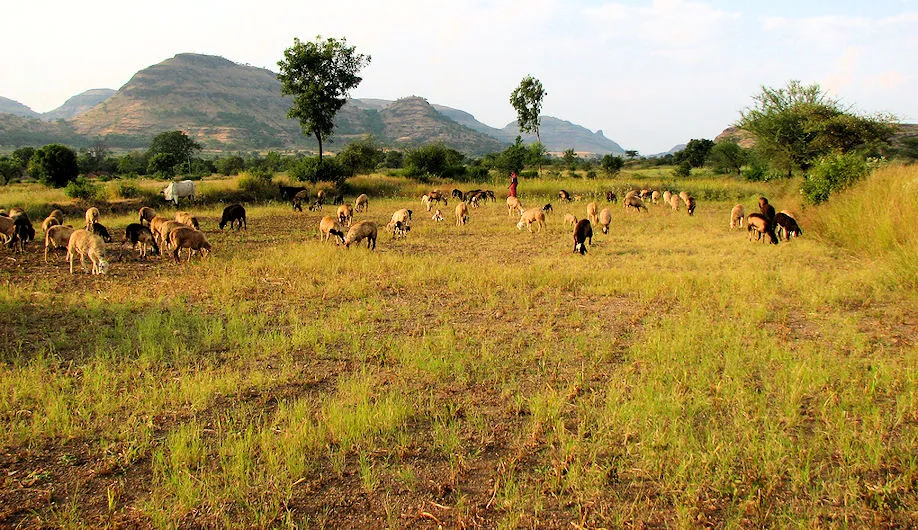
Fig.: खिलः
Tambhol, Akole, Ahmednagar = अहमदनगर
(Image source: Details)
अन्तर् Adv.: inside, in the interior; postposition with Gen. Loc. (षष्टी, सप्तमी): within, in the midst; postposition with Gen. Abl. (षष्ठी, पञ्चमी): out of ...
अन्योन्य 3: mutually, each other
इ + वि + परि 2P विपर्येति : to fail
PPP विपरीत 3: wrong, incorrect
त्रि 3: three
| Masculine पुंस् | Neuter नपुंसकम् | Feminine स्त्री | |
|---|---|---|---|
| 1. Nominative १. प्रथमा | त्रयस् | त्रीणि | तिस्रस् |
| 2. Accusative २. द्वितीया | त्रीन् | त्रीणि | तिस्रस् |
| 3. Instrumental ३. तृतीया | त्रिभिस् | तिसृभिस् | |
| 4. Dative ४. चतुर्थी | त्रिभ्यस् | तिसृभ्यस् | |
| 5. Ablative ५. पञ्चमी | त्रिभ्यस् | तिसृभ्यस् | |
| 6. Genitive ६. षष्ठी | त्रयाणाम् | तिसृणाम् | |
| 7. Locative ७. सप्तमी | त्रिषु | तिसृषु | |
निस् postposition and prefix with nouns and verbs: out, away, forth, out, from, away, without - from
पीड् 10P पीडयति : to press, to torment; to oppress, to besiege, to plague
Fig.: पीडिताः
Hyderabad = హైదరాబాద్
(Image source: Details)
पर 3: (declension like सर्व) distant, foreign, higher than (पञ्चम्या), utmost, highest; other, foreign, hostile; m.: foreigner
from which:
परम् Adv.: to a high degree, thereupon, later, but, however
प्रति postposition (द्वितीयया): to - towards, after, with regard to, opposite
प्रधान 3: principal, best; n.: the most important
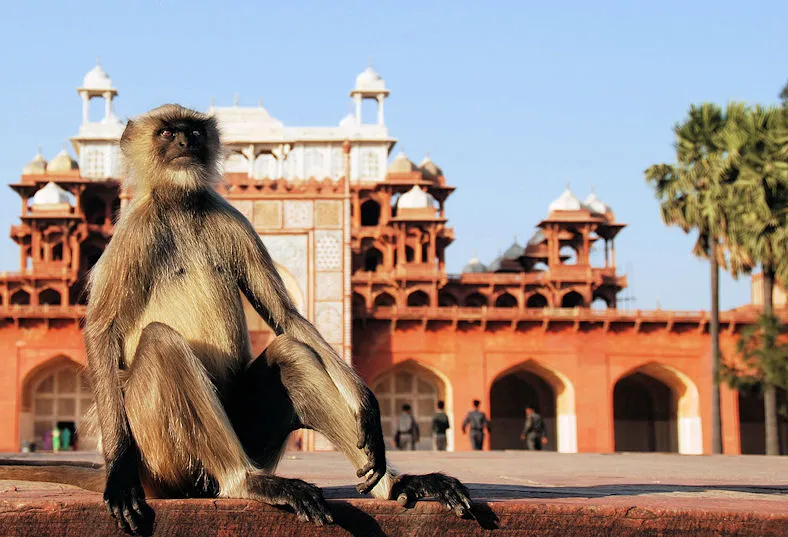
Fig.: प्रधानः
मुंबई
(Image source: Details)
लौल्य n.: greed, lustfulness
वर्ग m.: section, division, group
त्रिवर्ग m.: group of three (e.g. धर्मः, अर्थः, कामः; or: सत्त्वम्, रजस्, तमस्; or: ब्राह्मणाः, क्षत्रियाः, वैश्याः)
वश् 2P वस्टि, उशन्ति, Imperat. 2.sg.: उड्ढि : to want, to command, to desire
Perf Va उवाश, ऊशुर्
Fut. वशिष्यति
Pass. उष्यते
Kaus. वाशयति
PPP उशित
Inf. वशितुम्
Absol. -वश्य
वा 2P वाति : to blow, to breathe
Perf IV ववौ
Fut. वास्यति
Pass. वायते
Kaus. वापयति
PPP वान । वात
Inf. वातुम्
thereof:
वात m.: wind
वृज् 7P वृणक्ति 1P वर्जति : to turn, to rotate; to ward off, to exclude
Perf. II ववर्ज, ववृजुर्
Fut. वर्जिष्यति
Pass. वृज्यते
Kaus. वर्जयति : to eliminate
Kaus. PPP वर्जित : deprived of something, free from
PPP वृक्त
Inf. वर्जितुम्
व्यवहार m.: activity, conduct, interaction, commerce, business, trade, (legal) process
शील n.: custom, habit, nature, character, good habit = morality
सूर्य m.: sun
सेव् 1Ā सेवते : to serve someone (द्वितीया), to attend to, to honor, to love
Perf I सिषेवे
Fut. सेविष्यते
Pass. सेव्यते
Kaus. सेवयति
PPP सेवित
Inf. सेवितुम्
Absol. -सेव्य
thereof:
सेवा f.: service, attendance
धीर 3: firm, steadfast, continuous, persistent
शम् शाम्यति
शशाम, शेमुर्
शमिष्यति
शम्यते
शमयति
शान्त
शमित्वा । शान्त्वा
कोविद 3: experienced in (षष्ठ्या सप्तम्या वा)
याम m.: night watch (each three hours)
परंपरा f.: uninterrupted series
अमुत्र Adv.: there, thither
च्यु 1Ā च्यवते : to move, to move forward, to fall down
Perf. IIIa चुच्युवे
Fut. च्योष्यते
Pass. च्यूयते
Kaus. च्यावयति
PPP च्युत
भू + अनु 1P अनुभवति : to recognize, to feel, to perceive, to experience
चक्र n.: wheel
Fig.: चक्रम्
Konark = कोनार्क
(Image source: Details)
कदली f.: banana tree (Musa sp.)
Fig.: कदली
Hampi = ಹಂಪೆ
(Image source: Details)
सार m.n.: core, marrow, essence, substance
दिव्य 3: heavenly, divine
वर 3: best
आदर्श m.: mirror
मल m.n.: dirt, flaw
Fig.: मलम्
मुंबई
(Image source: Details)
त्रिपिष्टप n.: Indra's heaven
मार m.: the personified evil, the personified temptation/manipulation, devil
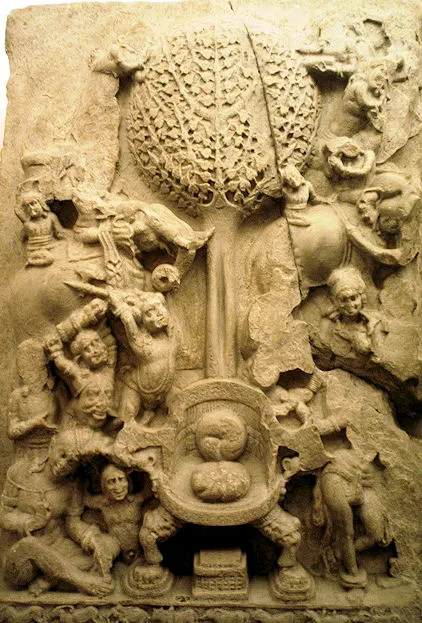
Fig.:
Amaravati = అమరావతి, 2nd cent. CE
(Image source: Details)
विजिज्ञासु 3: someone who wishes to understand completely
त्रै 1Ā त्रायते : to protect, to save
Perf. IV तत्रे
Fut. त्रास्यते
Pass. त्रायते
Kaus. त्रापयति
PPP त्राण । त्रात
Inf. त्रातुम्
Sources
lekt0201: Depiction of the estate division of the European Middle Ages (woodcut from the late 15th century). Caption: * Priestly estate (~Brāhmaṇa): Tu supplex ora = You pray fervently! * Nobility (~Kṣatriya): Tu protege = You protect! * Peasantry (~Vaiśya/Śūdra): Tuque labora = And you work! The three estates wear their respective estate attire. Above the - thus designated as willed by God - estates, Christ reigns. [Image source: Meyer, Werner: Millet Porridge and Halberd : on the trail of medieval life in Switzerland . -- 2nd ed. -- Olten [et al.] : Walter, 1986. -- ISBN: 3-530-56707-8. -- p. 129]
lekt0203: God Agni, miniature, 18th century [Image source: Wikipedia, Public domain]
lekt0202: Sādhu (साधु), Pashupatinath Temple (पशुपतिनाथ मन्दिर), Kathmandu (काठमांडौ), Nepal (नेपाल), 2007 [Image source: Peter Akkermans, Wikipedia, GNU FDL license]
lekt0303: Durgā = दुर्गा, Orissa (ଓଡ଼ିଶା) [Image source: Wikipedia, GNU FDL license]
lekt0501: God Kāma = kāmadeva = कामदेव, 18th century. [Image source: Wikipedia, Public domain]
lekt0701: Was this the Vedic Soma plant?: Fly agaric: Amanita muscaria (L.) Lam. [Image source: Wikipedia, GNU FDL license]
lekt0809: लिख् : Indian steel stylus for incising into palm leaves [Image source: Meyers Großes Konversationslexikon 1905. Public domain]
lekt0810: लिख् : Writing stick of the Batak (Sumatra), as it was probably also used in India [Image source: Meyers Großes Konversationslexikon 1905. Public domain]
lekt0903: adhyayana = अध्ययन, Sri Skandaguru Vidyalayam, Tiruparankundram near Madurai [Image source: jaroslavd. -- http://www.flickr.com/photos/jaroslavd/2679883828/ . -- Accessed on 2008-11-23. -- Creative Commons License (Attribution, no derivatives)]
lekt0902: kāru = कारु, Gujarat [Image source: owenstache. -- http://www.flickr.com/photos/owen-pics/2331791031/. -- Accessed on 2008-11-23. -- Creative Commons License (Attribution, non-commercial use, no derivatives)]
lekt1003: God Varuṇa = वरुण, 17th century. [Image source. Wikipedia, Public domain]
lekt1002: A Ṛṣi: Viśvāmitra (विश्वामित्र) / by Rāja Ravi Varmā (राज रवि वर्मा) <1848 - 1906> [Image source: Wikipedia, Public domain]
lekt1301: महिषासुरः = ಮಹಿಷಾಸುರಃ Chamundi Hills, Mysore (ಮೈಸೂರು) [Image source: Prakash Subbarao / Wikipedia. -- Public domain]
lekt1304: अन्नम्, Karnataka (ಕರ್ನಾಟಕ), 2005 [Image source: Wikipedia, Public domain]
lekt1303: चत्वारः पादाः : गजः (Elephas maximus) [Image source: Wikipedia, GNU FDL license]
lekt1405: दीपाः [Image source: [srijith]. -- http://www.flickr.com/photos/srijith/1918428547/. -- Accessed on 2008-12-01. -- Creative Commons License (Attribution, non-commercial use, no derivatives)]
lekt1504: पूजा A Puja ceremony held in Kakinada (కాకినాడ), Andhra Pradesh (ఆంధ్ర ప్రదేశ్), India, at the start of a seismic survey contract. [Image source: Wikiepdia, Public domain]
lekt1505: Indra and Sachi Riding the Divine Elephant Airavata, Folio from a Panchakalyanaka (Five Auspicious Events in the Life of Jina Rishabhanatha [Adinatha]), circa 1670-1680 Painting; Watercolor, Opaque watercolor, gold, and silver on paper, Image: 9 1/8 x 15 1/8 in. (23.18 x 38.42 cm); Sheet: 10 5/8 x 16 3/4 in. (26.99 x 42.55 cm. Made in: India, Rajasthan, Amber [Image source: Wikipedia, Public domain]
lekt1506: सिंहः (Panthera leo persica) [Image source: Wikipedia, GNU FDL license]
lekt1507: व्याघ्रः (Panthera tigris tigris) Bandhavgarh National Park (बांधवगढ राष्ट्रीय उद्दान) [Image source: U.S. Fish and Wildlife Service / Wikipedia, Public domain]
lekt1602: अध्यापनम् "This is a special ceremony in a small temple in Satara (सातारा). It is performed by the students of the Swami Muktananda Vedashala on the celebration of Mahāśivarātri. This is a vedic school, where children by heart the sacred texts called the Vedas. This school teaches the Krishna Yajurveda and some portions of the Samaveda. I'm doing my master's thesis on this school." [Image source: Shrimaitreya. -- http://www.flickr.com/photos/shrimaitreya/339418301/. -- Accessed on 2008-12-07. -- Creative Commons License (Attribution, non-commercial use, no derivatives)]
lekt1601: योगी Birla Mandir, Delhi [Image source: Deepak / Wikipedia ; Creative Commons License (Attribution, share alike)]
lekt1603: अहिंसा "The hand with a wheel on the palm symbolizes the Jain Vow of Ahimsa. The word in the middle is "ahimsa". The wheel represents the dharmacakra which stands for the resolve to halt the cycle of reincarnation through relentless pursuit of truth and non-violence." [Image source: Wikipedia, Public domain]
lekt1703: घाताः Bangalore = ಬೆಂಗಳೂರು [Image source: mattlogelin. -- http://www.flickr.com/photos/mattlogelin/143399263/. -- Accessed on 2008-12-07. -- Creative Commons License (Attribution, non-commercial use)]
lekt1701: योगासनम् [Image source: von tlongacre. -- http://www.flickr.com/photos/tlongacre/2177187487/. -- Accessed on 2008-12-07. -- Creative Commons License (Attribution, no derivatives)]
lekt1702: दोग्धि [Image source: Roshnii. -- http://www.flickr.com/photos/roshnii/110086482/. -- Accessed on 2008-12-07. -- Creative Commons License (Attribution, non-commercial use, share alike)]
lekt1809: कामः Illustration to कामसूत्र [Image source: Wikipedia, Public domain]
lesson1901: गर्भगृहम्, Badami (ಬದಾಮಿ) [Image source: Sudarshan Bhat Khandige / Wikipedia, Public domain]
lekt1902: वारिदः, Goa (गोंय) [Image source: pichenettes. -- http://www.flickr.com/photos/_pichenettes_/1257016116/. -- Accessed on 2008-12-08. -- Creative Commons License (Attribution, non-commercial use, no derivatives)]
lekt1904: छत्त्रम् "Onappottan (ഓണപ്പൊട്ടന്), in traditional costume is a custom in sourthern parts of Kerala. Onappottan visists houses during the onam and gives blessings. Off late onappottan has become a rare sight, confined to villages." [Image source: Captain Nidish. -- http://www.flickr.com/photos/captain_nidish/280389572/. -- Accessed on 2008-12-08. -- Creative Commons License (Attribution)]
lekt1903: पण्डीतः जवाहरलाल नेहरू, १९५९ [Image source: Wikipedia, Public domain]
lekt2008: आश्रमाः Rishikesh = ऋषिकेश "This is actually part of the Ashram in Rishikesh where the Beatles stayed. This specific part was not there when they were there, but it does look cool." [Image source: von ogimogi. -- http://www.flickr.com/photos/ogimogi/284517677/. -- Accessed on 2008-12-11. -- Creative Commons License (Attribution)]
lekt2103: भगवान्कृष्णः as जगन्नाथ (right) with his half-sister सुभद्रा (middle) and his older brother बलराम Orissa = ଓଡ଼ିଶା [Image source: Sujitkumar / Wikipedia. GNU FDLicense]
lekt2105: भगवद्गीता - Manuscript, 19th century [Image source: Wikipedia, Public domain]
lekt2104: भिक्षवः Luang Prabang = ຫລວງພະບາງ, Laos = ປະເທດລາວ [Image source: Hanoi Mark. -- http://www.flickr.com/photos/riverdaleto/112938743/. -- Accessed on 2008-12-12. -- Creative Commons License (Attribution, non-commercial use)]
lekt2202: कामदेवः , 19th century [Image source: Wikipedia, Public domain]
lekt2203: दुर्गाशक्तिः = दुर्गैव शक्तिः Kolkatta = কলকাতা [Image source: The Eternity. -- http://www.flickr.com/photos/the_world_in_my_eyes/2914301330/. -- Accessed on 2008-12-12. -- Creative Commons License (Attribution, non-commercial use, no derivatives)]
lekt2201: धेनवश्चरन्ति Goa = गोंय [Image source: Veebl. -- http://www.flickr.com/photos/veebl/2322214162/. -- Accessed on 2008-12-12. -- Creative Commons License (Attribution, non-commercial use, no derivatives)]
lekt2405: अलंकारः [Image source: sarboo. -- http://www.flickr.com/photos/sarboo/320741523/. -- Accessed on 2008-12-14. -- Creative Commons License (Attribution, non-commercial use, no derivatives)]
lekt2406: देवीप्रतिमा Hampi = ಹಂಪೆ, Karnataka = ಕರ್ನಾಟಕ [Image source: thaths. -- http://www.flickr.com/photos/thaths/862012190/. -- Accessed on 2008-12-14. -- Creative Commons License (Attribution, non-commercial use)]
lekt2407: ऊहापोहः "NEW DELHI/INDIA, 16NOV08 - Suhasini Haidar, Deputy Foreign Editor, CNN-IBN Network 18, India, moderates a panel discussion at the World Economic Forum's India Economic Summit 2008 in New Delhi, 16-18 November 2008." [Image source: World Economic Forum / Photo by Dana Smillie. --http://www.flickr.com/photos/worldeconomicforum/3040064901/. -- Accessed on 2008-12-14. -- Creative Commons License (Attribution, share alike)]
lekt2408: आख्यानम् "San Francisco storyteller Jeff Byers shares a story with the residents of Chenneri, an Irula village. Storyteller Jeeva Raghunath translates into Tamil for the villagers. " [Image source: ereneta. -- http://www.flickr.com/photos/tereneta/3062024840/. -- Accessed on 2008-12-14. -- Creative Commons License (Attribution, non-commercial use)]
lekt2411: जयदेवकविर्विष्णुं नमस्करोति Manuscript of the गीतगोविन्द, 1730 AD [Image source: Wikipedia, Public domain]
lekt2501: धान्यम् Khanna [Image source: appaji. -- http://www.flickr.com/photos/appaji/2205110691/. -- Accessed on 2008-12-15. -- Creative Commons License (Attribution)]
lekt2502: मूलानि Varanasi [Image source: oceandesetoiles. -- http://www.flickr.com/photos/ocean_of_stars/2544053669/. -- Accessed on 2008-12-15. -- Creative Commons License (Attribution, non-commercial use, share alike)]
lekt2503: लिप्तिः Jaina Manuscript [Image source: Wikipedia, Public domain]
lekt2504: विवाहः मुंबई [Image source: barnism. -- http://www.flickr.com/photos/barnism/3079837348/. -- Accessed on 2008-12-15. -- Creative Commons License (Attribution, non-commercial use, no derivatives)]
lekt2505: विष्टिः [Image source: Ray Witlin / World Bank. -- http://www.flickr.com/photos/worldbank/2182943983/. -- Accessed on 2008-12-15. -- Creative Commons License (Attribution, non-commercial use, no derivatives)]
lekt2506: हिरण्यम् Chennai = சென்னை [Image source: Dilip Muralidaran. -- http://www.flickr.com/photos/dilipm/2423883232/. -- Accessed on 2008-12-15. -- Creative Commons License (Attribution)]
lekt2706: वस्त्राणि Majuli, Assam [Image source: deepsan. -- http://www.flickr.com/photos/deepsan/585991890/. -- Accessed on 2008-12-18. -- Creative Commons License (Attribution, non-commercial use, no derivatives)]
lekt2707: वसन्तः कुसुम्भ = Schleichera oleosa (Lour.) Oken, Khopoli = खोपोली, Maharashtra = महाराष्ट्र, 2007-04-07[Image source: dinesh_valke. -- http://www.flickr.com/photos/dinesh_valke/451989507/. -- Accessed on 2008-12-18. -- Creative Commons License (Attribution, non-commercial use, no derivatives)]
lekt2704: हरिहरः (left: विष्णु, right: शिव) [Image source: Wikipedia. Public domain]
lekt2705: हरिहरः (left: विष्णु, right: शिव) Godrumdwip, West Bengal = পশ্চিমবঙ্গ [Image source: GourangaUK / Wikipedia. GNU FDLicense]
lekt2804: कृष्णो राधां कामयति Painting by राजा रवि वर्मा (1848 - 1906) [Image source: Wikipedia. Public domain]
lekt2803: वीणां वादयति [Image source: Kelvin Kay / Wikipedia. GNU FDLicense]
lekt2805: बाला भारं हरति Near Ahmedabad [Image source: m-bot. -- http://www.flickr.com/photos/72494286@N00/2127838811/. -- Accessed on 2008-12-20. -- Creative Commons License (Attribution, share alike)]
lekt2903: परिव्राजकाः Pushkar = पुष्कर [Image source: pyjama. -- http://www.flickr.com/photos/rpt/387636532/. -- Accessed on 2008-12-20. -- Creative Commons License (Attribution, non-commercial use, share alike)]
lekt2901: मत्स्यः रोहू मछली = Labeo rohita Hamilton [Image source: Khalid Mahmood / Wikipedia. GNU FDLicense]
lekt3001: क्रीणन्ति विक्रीनते च Bundi = बुन्दी, Rajasthan = राजस्थान [Image source: earth2marsh. -- http://www.flickr.com/photos/earth2marsh/56270619/. -- Accessed on 2008-12-21. -- Creative Commons License (Attribution, non-commercial use, no derivatives)]
lekt3002: ज्ञातयः Darewadi, Ahmed Nagar District = अहमदनगर, Maharashtra = महाराष्ट्र [Image source: Robin Murphy / World Resources Institute. -- http://www.flickr.com/photos/worldresourcesinstitute/2555776315/. -- Accessed on 2008-12-21. -- Creative Commons License (Attribution, non-commercial use, share alike)]
lekt3003: श्रोत्राणि पुनाति [Image source: Karmalize. -- http://www.flickr.com/photos/agaylon/1799930862/. -- Accessed on 2008-12-21. -- Creative Commons License (Attribution, share alike)]
lekt3005: अश्नीयात् थाली, South India [Image source: Matthew Winterburn. -- http://www.flickr.com/photos/bezoire/2330831734/. -- Accessed on 2008-12-21. -- Creative Commons License (Attribution, non-commercial use, share alike)]
lekt3004: प्रिया [Image source: Mary Wollstonecraft Shelley. -- http://www.flickr.com/photos/awflicks/3032833609/. -- Accessed on 2008-12-21. -- Creative Commons License (Attribution, share alike)]
lekt2904: पुनर्भवः [Image source: Wikipedia / Copyrighted to Himalayan Academy Publications, Kapaa, Kauai, Hawaii. -- Creative Commons Attribution ShareAlike 2.5]
lekt3101: योगः [Image source: http://www.flickr.com/photos/wricontest/294029791/. -- Accessed on 2008-12-25. -- Creative Commons License (Attribution)]
lekt3102: व्यञ्जनम् Preparation for Kathakali dance = കഥകളി, Kochi = കൊച്ചി [Image source: winchrisabi. -- http://www.flickr.com/photos/winchrisabi/181399508/. -- Accessed on 2008-12-25. -- Creative Commons License (Attribution)]
lekt3103: From a प्रज्ञापारमिता manuscript [Image source: zeno.org. -- public domain]
lekt3202: चूतः कानपुर, / کان پور [Image source: AmarChandra / Wikipedia. -- Creative Commons Attribution ShareAlike 2.5 (Attribution, share alike)]
lekt3203: वानराः Delhi = दहली [Image source: dewalt. -- http://www.flickr.com/photos/dewalt/389870377/. -- Accessed on 2008-12-25. -- Creative Commons License (Attribution, non-commercial use, share alike)]
lekt3204: उपलाः "The boulders here are hard enough that the scavengers who have taken over the abandoned quarry south of downtown prefer not to strike them directly with their hammers. They heat the rocks first — with flaming tires, scrap plastic, even old rubber boots — so that the stones will fracture more easily. At dusk, when three or four blazes spew choking black clouds across the huge pit, the quarry looks like a woodcut out of Dante. At the mouth of this stone quarry in Pune Maharashtra, diminutive women in saris toil 14 hour shifts breaking boulders into cricket-ball sized chunks of stone. Sledgehammers cut through to the air to the sound of splintering stone. Just behind them roared large machines that chewed up stone only to spit out construction gravel. Almost everybodies face was smeared with a white dust. A dust, heavy and suffocating, floating in the air like mist covering everything." [Image source: lecercle. -- http://www.flickr.com/photos/lecercle/2304674715/in/set-72157604058089822/. -- Accessed on 2008-12-25. -- Creative Commons License (Attribution, non-commercial use, share alike)]
lekt3205: लक्ष्यम् Karnataka = ಕರ್ನಾಟಕ [Image source: mattlogelin. -- http://www.flickr.com/photos/mattlogelin/321235900/. -- Accessed on 2008-12-25. -- Creative Commons License (Attribution, no derivative works)]
lekt3207: चितं गोमयं दहति (गोमय n.: cow dung) Rajasthan [Image source: thebigdurian. -- http://www.flickr.com/photos/thebigdurian/29862842/. -- Accessed on 2008-12-25. -- Creative Commons License (Attribution, non-commercial use, share alike)]
lekt3206: कौशलम् Mehndi = मेहन्दी, Mumbai = मुंबई [Image source: the_gman. -- http://www.flickr.com/photos/thegman/2860162252/. -- Accessed on 2008-12-25. -- Creative Commons License (Attribution, non-commercial use, share alike)]
lekt3306: दानम् "On August 20th, 2005 in Chennai, India my soon to be in-laws gave us a formal Indian engagement party. It looks like it was a wedding but it wasn't, it's how they do things. Very extravagate. This event was a huge blessing for me. I have never felt so love by another family. I only wish my family could have been there but at least I have a video of the whole thing to share. My soon to be in-laws made the whole thing happen in 3 days. Everything between invitations to a hired photographer. It was fantastic, beyond words can explain the emotions flowing." [Source of image and text: coral11. -- http://www.flickr.com/photos/coral/36326932/. -- Accessed on 2008-12-26. -- Creative Commons License (Attribution, share alike)]
lekt3307: सा पुत्रमादाय भारं बिभर्ति Udaipur = उदयपुर [Image source: gscottie8. -- http://www.flickr.com/photos/gscottie/2152543713/. -- Accessed on 2008-12-27. -- Creative Commons License (Attribution, non-commercial use, no derivatives)]
lekt3305: समाधि योगिनी, Kaveripakkam = காவேரிப்பாக்கம், Tamil Nadu, 10th century CE [Image source: Quadell / Wikipedia. GNU FDLicense]
lekt3304: भयम् Mumbai = मुंबई, 2008 [Image source: sameer5678in. -- http://www.flickr.com/photos/guptasameer/3080350405/. -- Accessed on 2008-12-26. -- Creative Commons License (Attribution)]
lekt3303: हीनयानमेव Thailand [Image source: grrrrl. -- http://www.flickr.com/photos/11619899@N00/867938692/. -- Accessed on 2008-12-26. -- Creative Commons License (Attribution, non-commercial use)]
lekt3302: घृतमग्नौ जुहोति यज्ञ in the Shiva ashram, Kothavala, Ganeshpuri, 80 km from Mumbai (मुंबई) away [Image source: Dey. -- http://www.flickr.com/photos/dey/466758922/. -- Accessed on 2008-12-26. -- Creative Commons License (Attribution, non-commercial use, share alike)]
lekt3308: घृतम् [Image source: Wikipedia. GNU FDLicense] "Ghee is made by simmering unsalted butter in a large pot until all water has boiled off and protein has settled to the bottom. The cooked and clarified butter is then spooned off to avoid disturbing the milk solids on the bottom of the pan. Unlike butter, ghee can be stored for extended periods without refrigeration, provided it is kept in an airtight container to prevent oxidation and remains moisture-free. Texture, colour, or taste of ghee depends on the source of the milk from which the butter was made. In India, ghee is usually made with water buffalo's milk as it tends to be whiter than cow's milk." [Source: http://en.wikipedia.org/wiki/Ghee. -- Accessed on 2008-12-26]
lekt3406: सस्यम् [Image source: Ray Witlin / World Bank. -- http://www.flickr.com/photos/worldbank/2183806492/. -- Accessed on 2008-12-27. -- Creative Commons License (Attribution, non-commercial use, no derivatives)]
lekt3405: लक्षद्वीपाः = ലക്ഷദ്വീപ് = the 100,000 (लक्ष m.n.) islands (Union Territory) [Image source: CIA. Public domain]
lekt3403: तिलाः [Image source: Wikipedia. Public domain]
lekt3404: तिलाः [Image source: Franz Xaver / Wikipedia. GNU FDL license]
lekt3402: स्वर्णम् Harmandir Sahib = ਹਰਿਮੰਦਰ ਸਾਹਿਬ, Amritsar = ਅੰਮ੍ਰਿਤਸਰ [Image source: Wikipedia. GNU FDL license]
lekt3401: ऋषभः Chamundi Hills [Image source: Luna Park. -- http://www.flickr.com/photos/lunapark/2124083737/. -- Accessed on 2008-12-27. -- Creative Commons license (Attribution, non-commercial use, no derivatives)]
lekt3502: क्रामन्ति [Image source: Curt Carnemark / World Bank. -- http://www.flickr.com/photos/worldbank/2182732473/. -- Accessed on 2008-12-28. -- Creative Commons license (Attribution, non-commercial use, no derivatives)]
lekt3501: जगुः Kaadu Malleswara Temple, Bangalore = ಬೆಂಗಳೂರು [Image source: Samuelraj @. -- http://www.flickr.com/photos/samuelraj/2946969732/. -- Accessed on 2008-12-28. -- Creative Commons license (Attribution, non-commercial use)]
lekt3601: गोमयं चिकाय Udaipur = उदयपुर [Image source: whitecat singapore. -- http://www.flickr.com/photos/whitecatsg/2530543213/. -- Accessed on 2008-12-28. -- Creative Commons license (Attribution, non-commercial use)]
lekt3602: अगारम् Shekawati = शेखावाटी [Image source: bartvanpoll. -- http://www.flickr.com/photos/bartvanpoll/1151647344/. -- Accessed on 2008-12-28. -- Creative Commons license (Attribution, share alike)]
lekt3603: अनगार्यम् Northeast Thailand = อีสาน [Image source: Midpath. -- http://www.flickr.com/photos/midpath/298555436/. -- Accessed on 2008-12-28. -- Creative Commons license (Attribution, non-commercial use, no derivatives)]
lekt3606: सुगतो भूमीं पस्पर्श भूमीस्पर्शमुद्रा [Image source: Payer]
lekt3604: लोमहर्षः (लोमन् n. body hair) [Image source: Socceraholic. -- http://www.flickr.com/photos/7amanito/2995353459/. -- Accessed on 2008-12-29. -- Creative Commons license (Attribution, non-commercial use)]
lekt3705: शाक्यमुनिः Hussain Sagar = హుస్సేన్ సాగర్, Hyderabad = హైదరాబాద్ [Image source: .krish.Tipirneni. -- http://www.flickr.com/photos/krish4u/426497125/. -- Accessed on 2008-12-31. -- Creative Commons license (Attribution, non-commercial use, no derivatives)]
lekt3706: वृक्षः जयपुर [Image source: counterclockwise. -- http://www.flickr.com/photos/xclockwise/520742595/. -- Accessed on 2008-12-31. -- Creative Commons license (Attribution, non-commercial use, share alike)]
lekt3802: सूर्यः सूर्य मंदिर, Konark = कोनार्क [Image source: PriyadarshiC. -- http://www.flickr.com/photos/2kool/421985480/. -- Accessed on 2008-12-31. -- Creative Commons license (Attribution, non-commercial use)]
lekt3805: उदकम् Darewadi village, Ahmed Nagar District = अहमदनगर, महाराष्ट्र [Image source: Robin Murphy, World Resources Institute. -- http://www.flickr.com/photos/worldresourcesinstitute/2555779241/. -- Accessed on 2009-01-01. -- Creative Commons license (Attribution, non-commercial use, share alike)]
lekt3804: गौतमबुद्धस्य महापरिनिर्वाणम् Gandhara, 2nd/3rd century CE [Image source: Wikipedia. Public domain]
lekt3809: ब्रह्मा Halebidu = ಹಳೆಬೀಡು [Image source: Wikipedia. GNU FDLicense]
lekt3810: अशोकः Saraca asoca (Roxb.) Wilde Kolkata = কলকাতা [Image source: J.M.Garg / Wikipedia. GNU FDLicense]
lekt3811: अशोकः Greatest extent of the empire of Aśoka as well as locations of his rock and pillar edicts [Image source: Wikipedia.GNU FDLicense]
lekt3812: विनोदः Carrom game [Image source: nicolas - نِيقُولاَوُसَ . -- http://www.flickr.com/photos/keep-on-moving/3007779918/. -- Accessed on 2009-01-01. -- Creative Commons license (Attribution, non-commercial use, share alike)]
lekt3813: वाराणस्यां गङ्गातीरे [Image source: nassio. -- http://www.flickr.com/photos/26116629@N04/2450959377/. -- Accessed on 2009-01-01. -- Creative Commons License (Attribution, non-commercial use)]
lekt3814: गणयां चक्रुः करणी माता मंदिर, देशनोके [Image source: neilhinchley. -- http://www.flickr.com/photos/neilhinchley/50518886/. -- Accessed on 2009-01-01. -- Creative Commons License (Attribution, non-commercial use, no derivatives)]
lekt4003: हरिद्वारे तीर्थम् [Image source: mckaysavage. -- http://www.flickr.com/photos/mckaysavage/2085710183/. -- Accessed on 2009-01-02. -- Creative Commons license (Attribution)]
lekt4002: तीर्थङ्करः [Image source: wallyg. -- http://www.flickr.com/photos/wallyg/1657905479/. -- Accessed on 2009-01-02. -- Creative Commons License (Attribution, non-commercial use, no derivatives)]
lekt4001: विष्णोर्दशावताराः Clockwise: मत्स्य, कुर्म, वाराह, वामन, कृष्ण, कल्कि, बुद्ध, प्रशुराम, राम, नरसिंह, in the middle: कृष्ण [Image source: Wikipedia. Public domain]
lekt4004: स्वपन्ति Indian flying foxes (Pteropus giganteus), Ahmedabad = અમદાવાદ [Image source: Umang Dutt. -- http://www.flickr.com/photos/snapflickr/2456084948/. -- Accessed on 2009-01-02. -- Creative Commons License (Attribution, non-commercial use, no derivatives)]
lekt4105: भुजङ्गः Banded Krait (Bungarus fasciatus) [Image source: J. Ewart. The poisonous snakes of India, 1878. Public domain]
lekt4104: भुजङ्गस्य विषम् Milking snake venom (Krait), Thailand [Image source: TheLawleys. -- http://www.flickr.com/photos/lawley/4918566/. -- Accessed on 2009-01-03. -- Creative Commons License (Attribution)]
lekt4109: शासना Ashoka edict, Dhauli, Orissa [Image source: vegdevil. -- http://www.flickr.com/photos/vegdevil/915850174/. -- Accessed on 2009-01-03. -- Creative Commons License (Attribution, non-commercial use)]
lekt4110: शास्त्री Max Müller (1823 - 1900), ca. 1898 [Image source: Wikipedia. Public domain]
lekt4202: माता पिता पुत्रकश्च The Diwan I Khas, or Hall of Private Audiences at the Lal Qila (Red Fort) in Delhi. [Image source: Wen-Yan King. -- http://www.flickr.com/photos/medapt/430287982/. -- Accessed on 2009-01-04. -- Creative Commons License (Attribution, non-commercial use, share alike)]
lekt4302: आपणः Orissa = ଓଡ଼ିଶା [Image source: Rita Willaert. -- http://www.flickr.com/photos/rietje/324020365/. -- Accessed on 2009-01-06. -- Creative Commons License (Attribution, non-commercial use)]
lekt4303: पण्यानि Jamshedpur = जमशेदपुर [Image source: amrita b. -- http://www.flickr.com/photos/amrita_b/63071274/. -- Accessed on 2009-01-06. -- Creative Commons License (Attribution, non-commercial use)]
lekt4304: विपणिः Haridwar = हरिद्वार [Image source: mckaysavage. -- http://www.flickr.com/photos/mckaysavage/2085721947/. -- Accessed on 2009-01-06. -- Creative Commons License (Attribution)]
lekt4305: वणिक् Kanchipuram = காஞ்சிபுரம [Image source: visio. -- http://www.flickr.com/photos/visio/421217297/. -- Accessed on 2009-01-06. -- Creative Commons License (Attribution, non-commercial use, share alike)]
lekt4306: वत्सः Water buffalo (Bubalus bubalis), Mangalore = ಮಂಗಳೂರು [Image source: wildxplorer. -- http://www.flickr.com/photos/krayker/2123046126/. -- Accessed on 2009-001-06. -- Creative Commons License (Attribution, share alike)]
lekt4307: तोलन्ति [Image source: Ray Witlin / World Bank. -- http://www.flickr.com/photos/worldbank/2183198505/. -- Accessed on 2009-01-06. -- Creative Commons License (Attribution, non-commercial use, no derivatives)]
lekt4403: रेल्यानम् वाराणआस्याम्, १९७४ [Image source: danielguip. -- http://www.flickr.com/photos/danielguip/118349247/. -- Accessed on 2009-01-08. -- Creative Commons License (Attribution, non-commercial use, no derivatives)]
lekt4404: योगी शयने शेते [Image source: Gurumustuk Singh. -- http://www.flickr.com/photos/mrsikhnet/218757195/. -- Accessed on 2009-01-08. -- Creative Commons License (Attribution, non-commercial use, share alike)]
lekt4405: नन्दी Kodagu = ಕೊಡಗು [Image source: mattlogelin. -- http://www.flickr.com/photos/mattlogelin/377335641/. -- Accessed on 2009-01-08. -- Creative Commons License (Attribution, non-commercial use)]
lekt4406: आयतो मरुः थार मरुस्थल [Image source: Amre Ghiba. -- http://www.flickr.com/photos/amre/1476216243/. -- Accessed on 2009-01-08. -- Creative Commons License (Attribution, non-commercial use)]
lekt4407: यत्नेन Kollam = കൊല്ലം [Image source: MalayalaM. -- http://www.flickr.com/photos/malayalam/35026906/. -- Accessed on 2009-01-08. -- Creative Commons License (Attribution, non-commercial use, share alike)]
lekt4408: प्रव्रज्या Thailand = ประเทศไทย [Image source: Midpath. -- http://www.flickr.com/photos/midpath/342678518/. -- Accessed on 2009-01-08. -- Creative Commons License (Attribution, non-commercial use, no derivatives)]
lekt4602: नवग्रहाः [Image source of नवग्रह : Redtigerxyz / Wikipedia. GNU FDLicense]
lekt4603: नवग्रहाः [Image source of नवग्रह : Redtigerxyz / Wikipedia. GNU FDLicense]
lekt4604: नवग्रहाः [Image source of नवग्रह : Redtigerxyz / Wikipedia. GNU FDLicense]
lekt4605: नवग्रहाः [Image source of नवग्रह : Redtigerxyz / Wikipedia. GNU FDLicense]
lekt4607: नारायणः नारायनो ऽनन्तशयी, ca. 1870 (अनन्त = शेष = supreme serpent king) [Image source: Wikipedia. Public domain]
lekt4606: अश्वरोहकः Pune = पुणे [Image source: wili_hybrid. -- http://www.flickr.com/photos/wili/294411828/. -- Accessed on 2009-01-08. -- Creative Commons License (Attribution)]
lekt4608: महामात्रः उदयपुर [Image source: Travel Aficionado. -- http://www.flickr.com/photos/travel_aficionado/2200003879/. -- Accessed on 2009-01-08. -- Creative Commons License (Attribution, Non-commercial use)]
lekt4609: श्रान्तः Karnataka = ಕರ್ನಾಟಕ [Image source: mattlogelin. -- http://www.flickr.com/photos/mattlogelin/188588421/. -- Accessed on 2009-01-09. -- Creative Commons License (Attribution, Non-commercial use)]
lekt4610: सङ्गः Kamareddy = కామారెడ్డి [Image source: Sumanth K. Garakarajula. -- http://www.flickr.com/photos/photocracy1/2864457448/. -- Accessed on 2009-01-09. -- Creative Commons License (Attribution, Non-commercial use)]
lekt4601: लम्बोदरः गणेशचतुर्थी, Bangalore = ಬೆಂಗಳೂರು [Image source: mattlogelin. -- http://www.flickr.com/photos/mattlogelin/1397759461/. -- Accessed on 2009-01-08. -- Creative Commons License (Attribution, Non-commercial use)]
lekt4611: भोः Kutch = कच्छ [Image source: orange tuesday. -- http://www.flickr.com/photos/63138333@N00/2162104243/. -- Accessed on 2009-01-09. -- Creative Commons License (Attribution, Non-commercial use)]
lekt4802: तन्त्रम् Sualkuchi = সুৱালকুচি, Assam = অসম [Image source: Ken McChesney. -- http://www.flickr.com/photos/kenmak/2083565996/. -- Accessed on 2009-01-10. -- Creative Commons License (Attribution, Non-commercial use, share alike)]
lekt4803: तन्त्री Sitar player = सितारवादकः [Image source: Wikipedia. Public domain]
lekt4804: स्वतन्त्राः स्त्रियः [Self-help group (SHG)], Tamil Nadu = தமிழ்நாடு [Image source: mckaysavage. -- http://www.flickr.com/photos/mckaysavage/2229752965/. -- Accessed on 2009-01-10. -- Creative Commons License (Attribution, Non-commercial use)]
lekt4805: कुमारः Thaipusam festival = தைப்பூசம், Batu Caves, Malaysia [Image source: tajai. -- http://www.flickr.com/photos/cayce/108707865/. -- Accessed on 2009-01-10. -- Creative Commons License (Attribution)]
lekt4806: कुमारी नेपाल [Image source: changhg. -- http://www.flickr.com/photos/changhg/100412648/. -- Accessed on 2009-01-10. -- Creative Commons License (Attribution, Non-commercial use, No derivatives)]
lekt4807: स्थविराः जोधपुर [Image source: zz77. -- http://www.flickr.com/photos/zz77/2256414024/. -- Accessed on 2009-01-10. -- Creative Commons License (Attribution, Non-commercial use, No derivatives)]
lekt4808: सूक्ष्मम् Karanji Lake = ಕಾರಂಜಿ ಕೆರೆ [Image source: Nagesh Kamath. -- http://www.flickr.com/photos/nagesh_kamath/2791791571/. -- Accessed on 2009-01-10. -- Creative Commons License (Attribution, share alike)]
lekt4809: जाया [Image: Payer]
lekt4901: कुलूहलम् [Image source: younee. -- http://www.flickr.com/photos/younee/1708474353/. -- Accessed on 2009-01-11. -- Creative Commons License (Attribution, No derivatives)]
lekt4902: कला शिवो नटराजा, 11th century [Image source: Vassil / Wikipedia. Public domain]
lekt4903: विहंगः [Image source: Toji Leon. -- http://www.flickr.com/photos/tojileon/295384395/. -- Accessed on 2009-01-11. -- Creative Commons License (Attribution, non-commercial use, no derivatives)]
lekt4904: वेषः वाराणस्याम् [Image source: pyjama. -- http://www.flickr.com/photos/rpt/319410503/. -- Accessed on 2009-01-11. -- Creative Commons License (Attribution, non-commercial use, share alike)]
lekt4909: पञ्जरम् Fortune teller with parrot in cage: the parrot draws slips of paper on which fate is written. Mysore. [Image source: prakhar. -- http://www.flickr.com/photos/prakhar/2735441620/. -- Accessed on 2009-01-12. -- Creative Commons License (Attribution)]
lekt4905: सादरः Amritsar = ਅੰਮ੍ਰਿਤਸਰ [Image source: Koshyk. -- http://www.flickr.com/photos/kkoshy/2154426738/. -- Accessed on 2009-01-11. -- Creative Commons License (Attribution)]
lekt4906: गजशिशुः Sri Lanka [Image source: Carmelo Aquilina. -- http://www.flickr.com/photos/carmelos-pictures/113895562/. -- Accessed on 2009-01-11. -- Creative Commons License (Attribution, non-commercial use, no derivatives)]
lekt5001: मन्त्री Kapil Sibal (1948 -), Union minister in Ministry of Science and Technology and Ministry of Earth Sciences (since 2006) [Image source: World Economic Forum. -- http://www.flickr.com/photos/worldeconomicforum/3038328904/. -- Accessed on 2009-01-12. -- Creative Commons License (Attribution, share alike)]
lekt5002: महामेघो वर्षिष्यति Arrival of the monsoon, Bangalore ಬೆಂಗಳೂರು [Image source: vandan desai. -- http://www.flickr.com/photos/vandan/526579892/. -- Accessed on 2009-01-12. -- Creative Commons License (Attribution, non-commercial use, no derivatives)]
lekt5005: आदित्यः [Image source: sunder_iyer. -- http://www.flickr.com/photos/sunder_iyer/2225272284/. -- Accessed on 2009-01-12. -- Creative Commons License (Attribution, share alike)]
lekt5003: कल्याणी [Image source: dhyanji. -- http://www.flickr.com/photos/dhyanji/131433199/. -- Accessed on 2009-01-12. -- Creative Commons License (Attribution, non-commercial use, no derivatives)]
lekt5004: कुनगरम् धारावी, मुंबई [Image source: Kounosu / Wikipedia. GNU FDLicense]
lekt5105: कृष्णमृगः Chinkara -- Antilope cervicapra L., male [Image source: Wikipedia, public domain]
lekt5106: ऋतुः "Graphical representation for the calculation of fertile days according to OGINO for 26- to 30-day cycle intervals... [Source for text and image: Roche Lexikon Medizin. Online: http://www.gesundheit.de/roche/ro20000/r20172.html. Accessed on 2003-12-16]
lekt5107: जटा ऋषिकेश [Image source: EyalNow. -- http://www.flickr.com/photos/eyalnow/351734123/. -- Accessed on 2009-01-13. -- Creative Commons License (Attribution, non-commercial use, share alike)]
lekt5108: पिशितम् Kolkata = কলকাতা [Image source: nicolas - نِيقُولاَوُسَ. -- http://www.flickr.com/photos/keep-on-moving/2994878670/. -- Accessed on 2009-01-13. -- Creative Commons License (Attribution, non-commercial use, share alike)]
lekt5109: मधु City Palace, उदयपुर [Image source: abrinsky. -- http://www.flickr.com/photos/abrinsky/457940260/. -- Accessed on 2009-01-13. -- Creative Commons License (Attribution, non-commercial use, share alike)]
lekt5110: मृगया Hunting with चीता (Acinonyx jubatus venaticus) Gujarat = ગુજરાત, 1812 [Image source: Wikipedia. Public domain]
lekt5111: शिवा Canis aureus, Kalatop Khajjiar Sanctuary [Image source: gautamnguitar. -- http://www.flickr.com/photos/gautamnguitar/2181211040/. -- Accessed on 2009-01-13. -- Creative Commons License (Attribution, non-commercial use, no derivatives)]
lekt5112: कौशिकः Brahma-Kauz (Athene brama), Mahesana = મહેસાણા [Image source: Umang Dutt. -- http://www.flickr.com/photos/snapflickr/2790757825/. -- Accessed on 2009-01-13. -- Creative Commons License (Attribution, non-commercial use, no derivatives)]
lekt5113: श्वा लिङ्गश्च Karnataka = ಕರ್ನಾಟಕ [Image source: mattlogelin. -- http://www.flickr.com/photos/mattlogelin/150316450/. -- Accessed on 2009-01-13. -- Creative Commons License (Attribution, non-commercial use)]
lekt5114: आपानकम् जोधपुर. "These men were sitting and drinking in front of sanctuary of some hindu god (I forgot the name). As they told me they were butchers and it was god of their profession who accepted sacrifices of alcohol only." [Source of image and text: zz77. -- http://www.flickr.com/photos/zz77/2255585927/. -- Accessed on 2009-01-13. -- Creative Commons License (Attribution, non-commercial use, no derivatives)]
lekt5115: मूषिकाविषाणि Bangalore = ಬೆಂಗಳೂರು [Image source: mattlogelin. -- http://www.flickr.com/photos/mattlogelin/387955362/. -- Accessed on 2009-01-13. -- Creative Commons License (Attribution, non-commercial use)]
lekt5116: भुजङ्गः Kettenviper (Daboia russelii), Bangalore = ಬೆಂಗಳೂರು [Image source: teemus. -- http://www.flickr.com/photos/teemus/455664680/. -- Accessed on 2009-01-13. -- Creative Commons License (Attribution, non-commercial use, share alike)]
lekt5118: मणिः Hope Diamond aus Guntur = ಗುಂಟೂರು, heute Smithsonian Museum of Natural History, Washington DC [Image source: David Bjorgen / Wikipedia. GNU FDLicense]
lekt5117: मदः [Image source: muzina_shanghai. -- http://www.flickr.com/photos/muzina_shanghai/2408592293/. -- Accessed on 2009-01-13. -- Creative Commons License (Attribution, non-commercial use, share alike)]
lekt5210: खिलः Tambhol, Akole, Ahmednagar = अहमदनगर [Image source: Dan Tunstall / World Resources Institute Staff. -- http://www.flickr.com/photos/wricontest/291696431/. -- Accessed on 2009-01-16. -- Creative Commons License (Attribution)]
lekt5212: पीडिताः Hyderabad = ಹೈದರಾಬಾದ್ [Image source: David A G Wilson. -- http://www.flickr.com/photos/dawilson/2912554387/. -- Accessed on 2009-01-16. -- Creative Commons License (Attribution, non-commercial use, no derivatives)]
lekt5213: प्रधानः मुंबई [Image source: saibotregeel. -- http://www.flickr.com/photos/saibotregeel/330885607/. -- Accessed on 2009-01-16. -- Creative Commons License (Attribution, no derivatives)]
lekt5214: चक्रम् Konark = कोनार्क [Image source: Gaurab Arka. -- http://www.flickr.com/photos/gaurabarka/2758427709/. -- Accessed on 2009-01-16. -- Creative Commons License (Attribution, Non-commercial, No derivatives)]
lekt5208: कदली Hampi = ಹಂಪೆ [Image source: oliver hiltbrunner. -- http://www.flickr.com/photos/oliverhiltbrunner/757794766/. -- Accessed on 2009-01-15. -- Creative Commons License (Attribution, Non-commercial, Share alike)]
lekt5215: मलम् मुंबई [Image source: James Cridland. -- http://www.flickr.com/photos/jamescridland/187997905/. -- Accessed on 2009-01-16. -- Creative Commons License (Attribution)]
lekt5217: Mara's attack on Buddha Amaravati = అమరావతి, 2nd century CE [Image source. Wikipedia. GNU FDL license]