
Exercise 32
A) Determine the following verb forms and form the corresponding imperfect forms in person, number, and genus verbi:
| Present / Future | Imperfect |
|---|---|
| १. हरिष्यन्ते | अहरन्त |
| २. घातयति | अघातयत् |
| ३. विहन्ति | व्यहन् |
| ४. घ्नन्ति | अघ्नन् |
| ५. विस्मर्यते | व्यस्मर्यत |
| ६. प्रस्थास्यन्ते | प्रातिष्ठन्त |
| ७. प्रस्तुते | प्रास्तुत |
| ८. स्रक्ष्यन्ति | असृजन् |
| ९. सेक्ष्यन्ति | असिञ्चन् |
| १०. श्रूयते | अश्रूयत |
| ११. शक्नोति | अशक्नोत् |
| १२. वर्त्स्यन्ति | अवर्तन् (अवर्तन्त) |
| १३. वसते | अवसत |
| १४. वत्स्यन्ति | अवसन् |
| १५. वदति | अवदत् |
| १६. प्रवक्ति | प्रावक् |
| १७. वेशयन्ते | अवेशयन्त |
| १८. लुभ्यन्ति | अलुभ्यन् |
| १९. उपलप्स्यन्ते | उपालभन्त |
| २०. रुन्द्धे | अरुन्द्ध |
| २१. रोदिति | अरोदित् |
| २२. रक्षन्ति | अरक्षन् |
| २३. युध्यन्ते | अयुध्यन्त |
| २४. युञ्जते | अयुञ्जत |
| २५. यजन्ति | अयजन् |
| २६. म्रियते | अम्रियत |
| २७. विमोचयन्ति | व्यमोचयन् |
| २८. मंस्यन्ते | अमन्यन्त |
| २९. मोहिष्यति | अमुह्यत् |
| ३०. भवति | अभवत् |
| ३१. भुनक्ति | अभुनक् |
| ३२. भिनत्ति | अभिनत् |
| ३३. भञ्जन्ति | अभञ्जन् |
| ३४. भजते | अभजत |
| ३५. ब्रूते | अब्रूत |
| ३६. विजेष्यन्ते | व्यजयन्त |
| ३७. जायन्ते | अजायन्त |
| ३८. छिन्त्ते | अछिन्त्त |
| ३९. आचरन्ति | आचरन् |
| ४०. चोर्यन्ते | अचोर्यन्त |
| ४१. आगमिष्यन्ति | आगच्छन् |
| ४२. कामयन्ते | अकामयन्त |
| ४३. खादन्ति | अखादन् |
| ४४. विक्रेष्यते | व्यक्रीणीत |
| ४५. संस्करोति | समकरोत् |
| ४६. क्रुध्यन्ति | अक्रुध्यन् |
| ४७. एषयन्ति | ऐष्यन् |
| ४८. संयन्ति | समायन् |
| ४९. समास्ते | समास्त |
| ५०. व्यङ्क्ते | व्याङ्क्त |
| ५१. सन्ति | आसन् |
| ५२. अस्यन्ति | आस्यन् |
| ५३. अश्नाति | आश्नात् |
| ५४. अश्नुते | आश्नुत |
| ५५. प्राप्स्यन्ति | प्राप्नुवन् |
| ५६. अदन्ति | आदन् |
| ५७. प्रभोत्स्यन्ते | प्राभुध्यन्त |
| ५८. बध्नाति | अबध्नात् |
| ५९. प्रक्ष्यन्ति | अपृच्छन् |
| ६०. पुनाति | अपुनात् |
| ६१. पान्ति | अपान् |
| ६२. पास्यन्ति | अपिबन् / अपान् |
| ६३. पद्यते | अपद्यत |
| ६४. पातयति | अपातयत् |
| ६५. पक्ष्यन्ति | अपचन् |
| ६६. नर्तिष्यति | अनृत्यत् |
| ६७. आनेष्यन्ति | आनयन् |
| ६८. द्वेष्टि | अद्वेट् |
| ६९. द्रक्ष्यन्ति | अपश्यन् |
| ७०. दूषयन्ति | अदूषयन् |
| ७१. उपदेक्ष्यन्ति | उपादिशन् |
| ७२. धक्ष्यति | अदहत् |
| ७३. तनोति | अतनोत् |
| ७४. प्रजानीते | प्राजानीत |
| ७५. जीवन्ति | अजीवन् |
B) Translate and resolve the Sanskrit compounds:
१. आसीत्क्षत्रिय उपपन्नो गुणैरिष्टै रूपवान् । स जनेन्द्राग्रे ऽतिष्ठत् । स देवानयजतारीनजयज्जनानपान्महापुण्यमकरोत् । तस्मान्मृत्वा देवलोके पुनर्भवमलभत ॥१॥
(जनस्य इन्द्रस्य अग्रे । महत्-पुण्यम् । देवानां लोके)
Once upon a time there was a prince who possessed all desirable virtues, of beautiful form. He stood out among all princes of men. He sacrificed to the gods, conquered the enemies, protected the people, and did much that was meritorious; therefore, after his death, he was reborn in a heavenly world.
२. ब्राह्मणो महानगरे ऽवसत् । स पुत्रमागमय्यावक् । ब्राह्मणपुत्रो वेदं गुरावधीयीतेति ॥२॥
(ब्राह्मणस्य पुत्रः । गुरोः गृहे)
A Brahmin lived in a large city. He had his son summoned and spoke: "A son of a Brahmin should study the Veda with a teacher." At these words, the son went to a teacher to study. He entered the house of the teacher and stood reverently before the teacher. The teacher inquired about the Brahmin. Then he gave that son food to eat.
३. राम आचर्यमुपसंगम्य वचनमब्रवीत् ॥३॥
Rāma went to the teacher and spoke (the words).
४. ब्राह्मणा वेदमध्यैयत चाध्यापयंश्च देवांश्चायजन्नयजन्त च क्षत्रियाः श्रुतिमध्यैयत जनानरक्षन्महीमभुञ्जन्देवानयजन्त वैश्या वेदमध्यैयत देवानयजन्ताक्रीणन्व्यक्रीणत च द्विजदासास्तु शूद्रा आसन् ॥४॥
(द्विजानां दासाः)
Brahmins have studied and taught the Veda, sacrificed as hosts of sacrifice to the gods, and sacrificed in the name of others. Kṣatriyas have studied the Veda, protected the people, enjoyed the earth, and sacrificed as hosts of sacrifice to the gods. Vaiśyas have studied the Veda, sacrificed as hosts of sacrifice to the gods, bought, and sold. Śūdras, however, were servants of the twice-born.
५. बुद्धपुत्राः सत्यमजानन्दुःखमरुन्धन्मोक्षं प्राप्नुवन् । बुद्धपुत्र इति बुद्धमार्गभिक्षुरुच्यते ॥५॥
(बुद्धस्य पुत्राः)
Sons of the Buddha have recognized the truth, brought suffering to a standstill, and attained liberation. A monk is called a "Son of the Buddha" who follows the path of the Buddha.
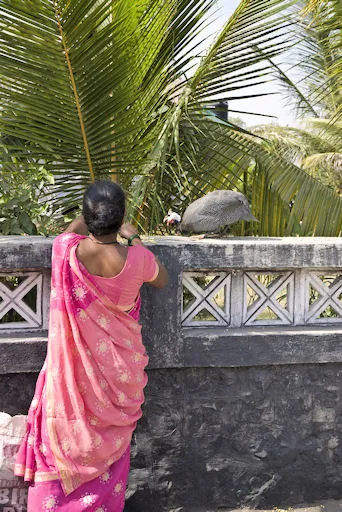
Fig.: सम्पन्नरूपा
(Image source: Details)
Word Form Analysis
Determine and translate the following words:
| Word Form | Determination | Meaning |
|---|---|---|
| १. देवस्य | Gen. sg. m. | of the god |
| २. उषितायाः | Abl./Gen. sg. f. PPP | (from) the inhabited |
| ३. लप्स्यन्ते | 3. pl. Ā. Fut. | they will be maintained |
| ४. गुरौ | Lok. sg. m. | with the teacher |
| ५. भाव्यते | 3. sg. Ind. Pres. Caus. Pass. | he is brought forth |
| ६. अग्नye | Dat. sg. m. | to the fire |
| ७. मोक्तुम् | Inf. | to free |
| ८. वितत्य | Abs. | after he has spread |
| ९. स्मृत्यै | Dat. sg. f. | for the visualization |
| १०. देवताः | Nom./Akk. pl. f. | the deities |
| ११. ब्रवीति | 3. sg. P. Ind. Präs. | he speaks |
| १२. प्रक्ष्यन्ति | 3. pl. P. Fut. | they will ask |
| १३. पततः | Gen. sg. m./n. Part. Präs. | of the falling |
| १४. पत्स्यन्ते | 3. pl. Ā. Fut. | they will stride |
| १५. आसते | 3. pl. Ā. Ind. Präs. | they sit |
| १६. महान्ति | Nom./Akk. pl. n. | the great ones |
| १७. घ्नता | Instr. sg. m./n. Part. Präs. | by the slayer |
| १८. आययन्ति | 3. pl. P. Ind. Präs. Kaus. | they send / let come |
| १९. एषिता | Nom. sg. f. Kaus. PPP | the wished-for |
| २०. आनाय्य | Absol. Kaus. | after he caused to bring |
| २१. अनृताय | Dat. sg. n. | for the lie |
| २२. पूजया | Instr. sg. f. | through the veneration |
| २३. प्रश्नेभ्यः | Dat./Abl. pl. m. | (from) the questions |
| २४. धक्ष्यन्ति | 3. pl. P. Fut. | they will burn |
| २५. मृगान् | Akk. pl. m. | the wild animals |
| २६. बोधिम् | Akk. sg. f. | the insight |
| २७. गुणैः | Instr. pl. m. | through qualities |
| २८. सन्ति | 3. pl. P. Ind. Präs. | they are / the true ones |
| २९. यन्ति | 3. pl. P. Ind. Präs. | they go |
| ३०. क्रियते | 3. sg. Ind. Präs. Pass. | it is done |
| ३१. विगत्य | Absol. | after it has passed |
| ३२. चरित्वा | Absol. | after he has grazed |
| ३३. पीते | Lok. sg. m./n. PPP | in the drunk |
| ३४. अन्नानि | Nom./Akk. pl. n. | the foods |
| ३५. जलम् | Nom./Akk. sg. n. | the water |
| ३६. वक्ति | 3. sg. P. Ind. Präs. | he says |
| ३७. उक्तिः | Nom. sg. f. | the utterance |
| ३८. अर्धात् | Abl. sg. m./n. | from the half |
| ३९. अर्थेन | Instr. sg. m. | through the purpose |
| ४०. स्तूयन्ते | 3. pl. Ind. Präs. Pass. | they are praised |
| ४१. श्रोष्यति | 3. sg. P. Fut. | he will hear |
| ४२. स्रष्टुम् | Inf. | to draw |
| ४३. पशुम् | Akk. sg. m. | the animal |
| ४४. स्तुतीः | Akk. pl. f. | the praises |
| ४५. अरयः | Nom. pl. m. | the enemies |
| ४६. जात्या | Instr. sg. f. | through the birth |
| ४७. जाताम् | Akk. sg. f. PPP | the born |
| ४८. देक्ष्यति | 3. sg. P. Fut. | he will show |
| ४९. दर्शितः | Nom. sg. m. Kaus. PPP | the shown |
| ५०. दुष्टाः | Nom. pl. m. PPP | spoiled |
| ५१. द्विजातीन् | Akk. pl. m. | the twice-born |
| ५२. मृत्योः | Abl./Gen. sg. m. | of death |
| ५३. दुग्धानाम् | Gen. pl. PPP | of the milked |
| ५४. दिष्टिभिः | Instr. pl. f. | through instructions |
| ५५. मात्रायाम् | Lok. sg. f. | in the measure |
| ५६. अत्ति | 3. sg. P. Ind. Präs. | he eats |
| ५७. जायन्ते | 3. pl. Ā. Ind. Präs. | they are born |
| ५८. जीयन्ते | 3. pl. Ind. Präs. Pass. | they are defeated |
| ५९. जयन्ति | 3. pl. P. Ind. Pres. | they conquer |
| ६०. जनयन्ति | 3. pl. P. Ind. Pres. Caus. | they produce |
| ६१. प्रभृतेः | Abl./Gen. sg. f. | from the beginning |
| ६२. उपतिष्ठन्ति | 3. pl. P. Ind. Pres. | they stand before |
| ६३. स्थित्याम् | Loc. sg. f. | in the determination |
| ६४. भिक्षुषु | Loc. pl. m. | among the monks |
| ६५. पक्त्वा | Absol. | after he has cooked |
| ६६. योद्धुम् | Inf. | in order to fight |
| ६७. मारयित्वा | Absol. Caus. | after he has killed |
| ६८. धेन्वा | Instr. sg. f. | by the milk-cow |
| ६९. मंस्यन्ते | 3. pl. Ā. Fut. | they will think |
| ७०. इज्यते | 3. sg. Ind. Pres. Pass. | it is sacrificed |
| ७१. प्रोद्य | Absol. | after he has proclaimed |
| ७२. लम्भयति | 3. sg. Ind. Pres. Caus. | he causes to be preserved |
| ७३. स्थापिताभिः | Instr. pl. f. Caus. PPP | by the placed |
| ७४. शक्तिभ्यः | Dat./Abl. pl. f. | (from) the powers |
| ७५. अलम् | Adv. | enough |
| ७६. हेतून् | Acc. pl. m. | the reasons |
| ७७. प्रतिमासु | Loc. pl. f. | among the images |
| ७८. यस्याः | Gen. sg. f. Rel. | of which |
| ७९. हि | Conj. | for, namely |
| ८०. तस्मिन् | Loc. sg. m./n. Dem. | in this |
| ८१. ह्रियन्ते | 3. pl. Ind. Pres. Pass. | they are taken |
| ८२. अधिकृतेषु | Loc. pl. m./n. PPP | among the appointed |
| ८३. अध्यापयति | 3. sg. P. Ind. Pres. Caus. | he instructs |
| ८४. वाचयन्ति | 3. pl. P. Ind. Pres. Caus. | they cause to be read |
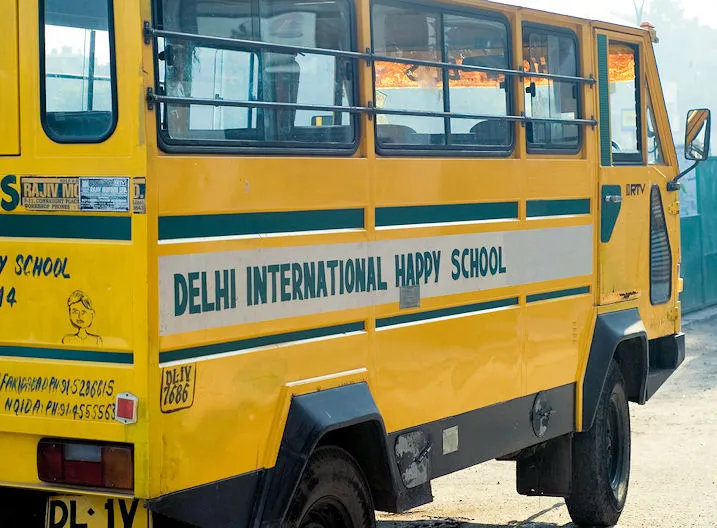
Fig.: किमयं रथो बालान् सुखतां वहति
(Image source: Details)
Exercise on Sandhi
Insert the words in parentheses in the following sentences and observe the rules of Sandhi:
१. रामो ग्रामात् ... गच्छति । (नगर । आर्यग्राम । महानगर । शत्रुग्राम । जयनगर । कविगृह)
- रामो ग्रामान्नगरं गच्छति ।
- रामो ग्रामादार्यग्रामं गच्छति ।
- रामो ग्रामान्महानगरं गच्छति ।
- रामो ग्रामाच्छत्रुग्रामं गच्छति ।
- रामो ग्रामाज्जयनगरं गच्छति ।
- रामो ग्रामात्कविगृहं गच्छति ।
२. जयन् ... अरीन्हन्ति । (इन्द्रशत्रु । शत्रु । जितशत्रुक्षत्रिय । लोकेश्वर । तद्गुणशूर । देवता)
- जयन्निन्द्रशत्रुररीन्हन्ति ।
- जयञ्शत्रुररीन्हन्ति ।
- जयञ्जितशत्रुक्षत्रियो ऽरीन्हन्ति ।
- जयंल्लोकेश्वरो ऽरीन्हन्ति ।
- जयंस्तद्गुणशूरो ऽरीन्हन्ति ।
- जयन्ती देवतारीन्हन्ति ।
३. न हि पुण्यवन्तस्ते ... । (अरि । आर्यशत्रु)
- न हि पुण्यवन्तस्ते ऽरयः ।
- न हि पुण्यवन्तस्त आर्यशत्रवः ।
४. देवतया ... आद्यते । (ऋषि । इन्द्रदेवी)
- देवतर्षिणाद्यते । (Plural: देवतर्षिभिराद्यते ।)
- देवतेन्द्रदेव्याद्यते ।
५. ब्राह्मणस् ... एति । (नगर)
- ब्राह्मणो नगर एति । (Plural: ब्राह्मणो नगरेष्वेति ।)
Additional Sanskrit Translations
1. After the son is born, the Brahmin woman sends a servant to the Brahmin.
पुत्रे जाते ब्राह्मणी दासं ब्राह्मणं गमयति ।
2. The holy man has endured the evil done to him.
साधुना कृतं पापं सोढम् ॥
3. Morality is the ornament of man.
शीलं नरस्य भूषणम् ॥
4. The powerful warriors have gone to the Brahmin village.
बलवद्योधा ब्राह्मणग्रामं गताः ॥
5. The girl is weeping.
बाला रोदिति ॥
6. There is no disease like lust, no enemy like confusion, no fire like anger, no happiness like knowledge.
नास्ति कामसमो व्याधिर्नास्ति मोहसमो रिपुः ।
नास्ति क्रोधसमो वह्निर्नास्ति ज्ञानसमं सुखम् ॥
7. A man protected by the goddess is happy.
यं नरं देवी रक्षति स सुखवान् ॥
8. With whatever wind a cloud lets fall water, with that wind a scholar moves his umbrella.
येन येन च वातेन वारिदो वारिं मुञ्चति ।
तेन तेन च वातेन छत्रं वहति पण्डितः ॥
9. The cycle of rebirths has no beginning.
अनादिकालिकः संसारः ॥
10. Welcome, O Queen!
स्वागतं देव्यै ॥
11. For the sake of heaven, people perform meritorious deeds.
स्वर्गेभ्यो नराः पुण्यं कुर्वते ॥
12. Farewell!
पुनर्दर्शनाय ॥
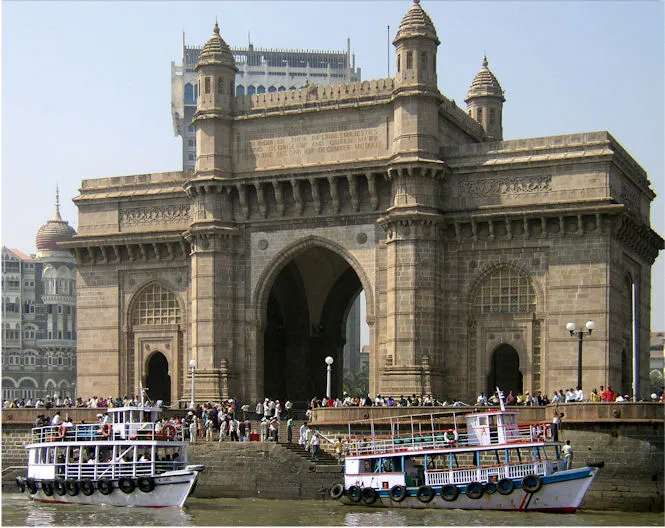
Fig.: पुनर्दर्शनाय
(Image source: Details)
Scholarly Fragment (Stotra)
शत्रूनगमयत्स्वर्गं वेदार्थं स्वानवेदयत् ।
आशयच्चामृतं देवान्वेदमध्यापयद्विधिम् ।
आसयत्सलिले पृथ्वीं यः स मे श्रीहरिर्गतिः ॥
The exalted Hari is my refuge, who sent his enemies to heaven, let his followers know the meaning of the Veda, gave the gods Amṛta to eat, taught the creator the Veda, and established the earth in water.
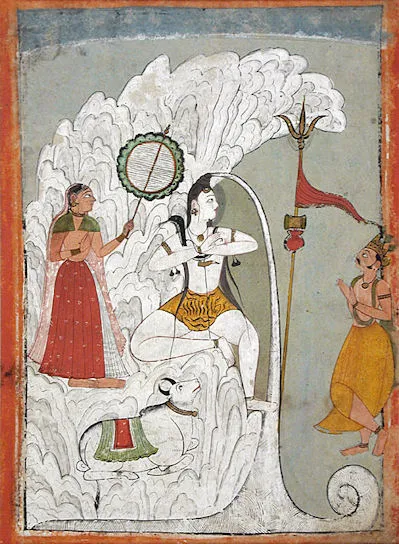
Fig.: श्रीगङ्गाधराय नमः
(Image source: Details)
Narrative: The Old Man and the Monkeys (Sanskrit-Bālādarśa)
एकदा कश्चिद्वृद्धो ग्रामान्तरं गच्छन्पथि श्रान्तो ऽभवत् । अतः स विश्रमाय पार्श्वस्थितस्य चूततरोर्मूलमगच्छत् ॥ तस्मिन्वृक्षे पचेलिमानि फलान्यवर्तन्त । वृद्धस्य तेषु स्पृहा जाती । परं स वृक्षमारुह्य तानि ग्रहीतुं नाशक्नोत् ॥ दिष्ट्या तस्मिन् तरौ केचिद्वानराः फलानि खादन्तः स्थिताः । तानवलोक्य वृद्धः प्रहर्षं गतः । स किमकरोत् । स कतिचिदुपलानादाय वानरांल्लक्ष्यीकृत्य प्राक्षिपत् । वानराः कुपिताः कानिचित्फलान्यवचित्य वृद्धं प्रति प्राक्षिपन् । वृद्धः सहर्षं तान्यादाय स्वाभीष्टदेशं गतः ॥ अहो वृद्धस्य कौशलम् ॥
Translation:
Once, an old man went to another village and became tired on the way. To rest, he went to the foot of a mango tree by the roadside. On this tree hung ripe fruits. The old man desired them, but he could not climb the tree to pick them. Fortunately, there were some monkeys on the tree eating fruits. When the old man saw this, he rejoiced. What did he do? He took some stones, aimed at the monkeys, and threw them. The monkeys became angry, picked some fruits, and threw them at the old man. The old man joyfully took the fruits and went on his way. Great is the skill of the old man!
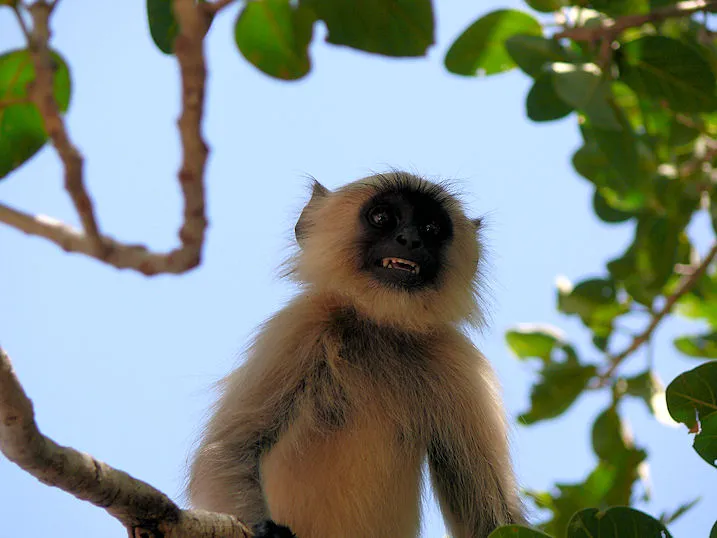
Fig.: वानरः कुपितः
(Image source: Details)