
Lesson 47
47.1. The Imperative (लोट्)
The imperative (लोट्) denotes
- command (also expressed by the gerundive (कृत्य))
- directive
- requirement
- wish
- request
- invitation
- question
- question
The meanings listed above are shared with the optative (विधिलिङ्).
The imperative is also used to express:
- Permission
- that an action is timely (also expressed by the gerundive (कृत्य))
- Blessing wish
Examples:
एहि । "Come!"
ग्रामं भवानागच्छतु । or optative: ग्रामं भवानगच्छेत् । "Come to the village!"
वेदमध्ययै । or optative: वेदमधीयीय । "I would like to study the Veda."
इच्छामि भुङ्क्तां भवान् । or optative: इच्छामि भुञ्जीत भवान् । "I wish that they may eat."
किं वेदमध्ययै । or optative: किं वेदमधीयीय । "Should I study the Veda?"
करोतु शस्त्रं भवान् । or gerundive: भवता शस्त्रं कर्तव्यम् । "Make a knife!" ; "You may make a knife." ; "It is time for you to make a knife."
चिरं जीवतु भवान् । "May you live long!"
Polite commands are often expressed through passive imperatives.
Examples:
भवता प्रविश्यताम् । "Please enter!"
निषद्यताम् । "Please, sit!"
In the imperative of classical Sanskrit, the forms of the 1st person are ancient subjunctive forms. The Vedic subjunctive is primarily the mood that expresses a wish: "Let us go!" "Let us go!"
The imperative is formed from the present stem.
47.2. Formation of the Imperative (लोट्) thematic present stems
47.2.1. Endings of the imperative on thematic present stems
| परस्मैपदम् | आत्मनेपदम् | |||
|---|---|---|---|---|
| Endings | एकवचनम् | बहुवचनम् | एकवचनम् | बहुवचनम् |
| 1. Person तृतीयः | -āni | -āma | -ai | -āmahai |
| 2. Person मध्यमः | -ø / -tāt¹ | -ta | -sva | -dhvam |
| 3. Person प्रथमः | -tu / -tāt¹ | -ntu | -tām | -ntām |
Note: ¹ The endings of the 2nd and 3rd sg. can be replaced by -tāt if a blessing is to be expressed:
भद्रो भवतात् "May you be happy!" "May he be happy!"
शुभं भवतु or शुभं भवतात् "May it be good!" "All the best!"
47.2.2. First present class (भ्वादि)
| परस्मैपदम् | आत्मनेपदम् | |||
|---|---|---|---|---|
| भू 1st P | एकवचनम् | बहुवचनम् | एकवचनम् | बहुवचनम् |
| 1. Person तृतीयः | भवानि | भवाम | <भवै> | <भवामहै> |
| 2. Person मध्यमः | भव (bho + a + ø) | भवत | <भवस्व> | <भवध्वम्> |
| 3. Person प्रथमः | भवतु | भवन्तु | <भ्वताम्> | <भवन्ताम्> |
47.2.3. Sixth Present Class (तुदादि)
| परस्मैपदम् | आत्मनेपदम् | |||
|---|---|---|---|---|
| विश् 6P | एकवचनम् | बहुवचनम् | एकवचनम् | बहुवचनम् |
| 1. Person तृतीयः | विशानि | विशाम | <विशै> (viś-a + ai) | <विशामहै> |
| 2. Person मध्यमः | विश | विशत | <विशस्व> | <विशध्वम्> |
| 3. Person प्रथमः | विशतु | विशन्तु | <विशताम्> | <विशन्ताम्> |
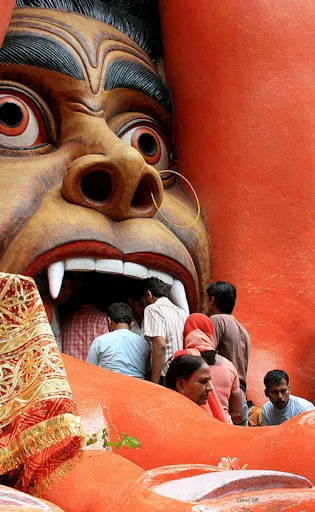
Fig.: प्रविशत
Hanuman Temple, Delhi = हनुमान् मन्दिर, दिल्ली / دہلی
(Image source: Details)
47.2.4. Fourth Present Class (दिवादि)
| परस्मैपदम् | आत्मनेपदम् | |||
|---|---|---|---|---|
| नृत् 4P | एकवचनम् | बहुवचनम् | एकवचनम् | बहुवचनम् |
| 1. Person तृतीयः | नृत्यानि | नृत्याम | <नृत्यै> | <नृत्यामहै> |
| 2. Person मध्यमः | नृत्य | नृत्यत | <नृत्यस्व> | <नृत्यध्वम्> |
| 3. Person प्रथमः | नृत्यतु | नृत्यन्तु | <नृत्यताम्> | <नृत्यन्ताम्> |
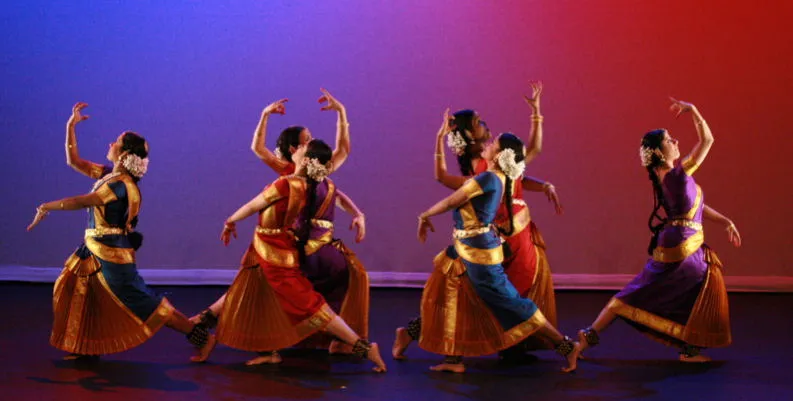
Fig.: नृत्यत
(Image source: Details)
47.2.5. Tenth Present Class (चुरादि) and Causatives
चुर् 10U
| परस्मैपदम् | आत्मनेपदम् | |||
|---|---|---|---|---|
| एकवचनम् | बहुवचनम् | एकवचनम् | बहुवचनम् | |
| 1. Person तृतीयः | चोरयानि | चोरयाम | चोरयै | चोरयामहै |
| 2. Person मध्यमः | चोरय | चोरयत | चोरयस्व | चोरयध्वम् |
| 3. Person प्रथमः | चोरयतु | चोरयन्तु | चोरयताम् | चोरयन्ताम् |
47.2.6. Passive
ईक्ष् 1Ā
| आत्मनेपदम् | ||
|---|---|---|
| एकवचनम् | बहुवचनम् | |
| 1. Person तृतीयः | ईक्ष्यै (īks-ya + ai) | ईक्ष्यामहै |
| 2. Person मध्यमः | ईक्ष्यस्व | ईक्ष्यध्वम् |
| 3. Person प्रथमः | ईक्ष्यताम् | ईक्ष्यन्ताम् |
47.3. Exercise
A) Translate:
यदि गच्छसि गच्छ त्वम् । अहं न गमिष्यामि ॥१॥
आर्य प्रेक्षस्व मे परिभवम् ॥२॥
भो राम यदि मया गन्तव्यं तदैषा कन्यापि मम सहायिनी भवतु ॥३॥
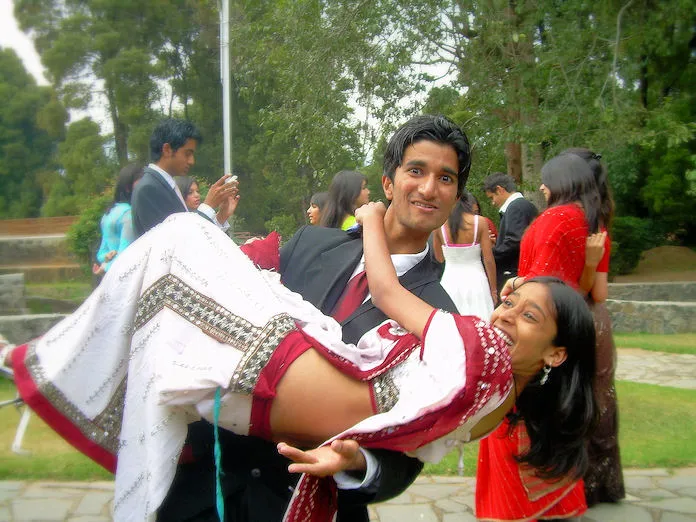
Fig.: भो राम यदि मया गन्तवं तदैषा कन्यापि मम सहायिनी भवतु
(Image source: Details)
आर्ये तिष्ठ तिष्ठ । न त्वया भेतव्यम् ॥४॥
प्रसीदत्वार्यः ॥५॥
आर्ये स्वागतं ते ॥६॥
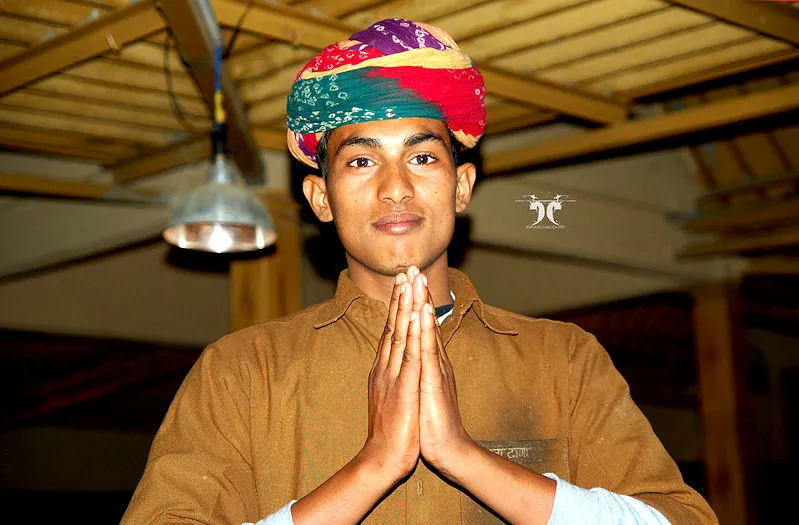
Fig.: आर्ये स्वागतं ते
(Image source: Details)
आज्ञापयत्वार्यः किं मया क्रियतामिति ॥७॥
युद्धाय युज्यस्व नैवं पापमवाप्स्यसि ॥८॥
प्रश्नः : कस्मात्त्वं भीतः । प्रतिवचनम् : तस्य रामस्य गुणेभ्यः । प्रष्टा : के तस्य गुणा यस्य गृहं प्रविश्याशितव्यमपि नास्ति ॥९॥
तवैव हस्ते शस्त्रं तिष्ठतु ॥१०॥
भवति न ते परिभवस्तत्रभवतो रामस्य निवेदयितव्यः ॥११॥
B.) Translate into Sanskrit (use the imperative):
1. I wish to be received.
2. He should be satisfied.
3. We wish to call.
4. I wish to bow myself before you (चतुर्थ्या).
5. This deed should be done.
6. They should sleep (passive construction).
7. May my son strive after wealth!
8. Commence the study!
9. Give (प्र-यम्) rice balls to the ancestors!
10. They should rejoice!
11. I wish to look down upon the world.
12. We wish to go to Benares (पद्).
13. They (pl.) should worship the gods with a sacrifice as sacrificial patrons.
14. Sing a hymn of praise!
15. May sons be born to me!
16. I want to show you my house.
17. Go away from me!
18. It should be released!
19. I shall protect your wife.
20. Die, enemy!
21. Fight!
22. They (pl.) may command.
23. We wish to dwell in your house.
24. Thus shall it be done!
25. Strike the horse!
26. They (pl.) shall wander about.
27. Get intoxicated!
28. The horse shall pull the load.
29. We wish to restore order to the worlds.
30. Drink the draught!
31. Think!
32. They shall be defeated!
33. We wish to be led by you.
34. May it bring good fortune! (Blessing wish)
lekt4702: Hanuman Temple, Delhi = हनुमान् मन्दिर, दिल्ली / دہلی [Image source: Carol Mitchell. -- http://www.flickr.com/photos/webethere/2607777618/. -- Accessed on 2009-01-09. -- Creative Commons License (Attribution, no derivatives)]
lekt4701: [Image source: lilPiX. -- http://www.flickr.com/photos/lilpixie/464706524/. -- Accessed on 2009-01-09. -- Creative Commons License (Attribution, non-commercial, share alike)]
lekt4703: [Image source: said&done. -- http://www.flickr.com/photos/faraz27989/413649119/. -- Accessed on 2009-01-10. -- Creative Commons License (Attribution)]
lekt4704: [Image source: imchaudhry. -- http://www.flickr.com/photos/imranchaudhry/2120997410/. -- Accessed on 2009-01-10. -- Creative Commons License (Attribution, non-commercial, no derivatives)]