
Lesson 27
27.1. Usage of the Locative (सप्तमी f. = "seventh case ending")
The Locative (सप्तमी) answers the questions:
- where?
- when?
- under what circumstances?
- with regard to what?
1. The Locative (सप्तमी) answers the question "Where?" by denoting the space in (at, on, by) which the agent (कर्ता) or the object of an action is located, or where the action itself takes place.
नगरे वसति = "He lives in the city"
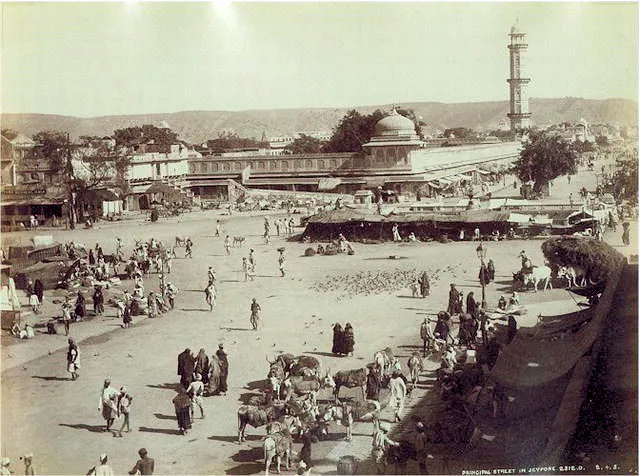
Fig.: जयपुरनगरे
Jaipur, 1875.
(Image source: Details)
2. The Locative answers the question "When?" by denoting the point in time or the external circumstances:
तस्मिन्काले = "at that time, at that time"
This also includes the so-called Locativus Absolutus:
If the action or state of a person or thing determines the time to which — or the circumstances under which — ANOTHER person or thing performs an action or is in a certain state, then the word designating the first person or thing, together with the word specifying it further (which is often a participle), appears in the Locative (सप्तमी):
एवं गच्छति काले = "while time passes..."
तस्मिन्गते = "when he had gone..."
Sometimes the agent (कर्ता) is not explicitly stated:
एवं सति = "since it is so"
The Locativus absolutus must be translated according to context as "while" (e.g., Present Participle), "after", "when" (e.g., PPP), "since", "because", "although", "if", etc.
Note: In the Absolutivum, the agent of the Absolutivum and the agent of the main clause must be identical; in the Locativus absolutus, the agent of the Locativus absolutus and the agent of the main verb must be different.
Fig.: एवं गच्छति कालयुष्ट्रः स्वपितi
Rajasthan.
(Image source: Details)
3. The Locative also answers the question "With regard to what?" etc.:
अस्ति तस्य पुत्रे स्नेहः = "He has love for his son" (lit. "With regard to the son, love is with him")
Fig.: अस्ति तस्य पुत्रे स्नेहः
Holi.
(Image source: Details)
4. The Locative is used in native dictionaries and by commentators to indicate the meaning of a word:
भू सत्तायाम् = "the root भू in the sense of 'beingness' (sat-tā)"
Further information on the usage of the Locative later.
27.2. Formation of the Locative (सप्तमी)
The regular endings of the Locative (सप्तमी) are:
- Singular: -i
- Plural: -su
Note the sound changes before -su as well as the possible cerebralization of -su to -ṣu!
27.2.1. Consonantal Stems
| Stem | Locative Singular सप्तमी एकवचन | Locative Plural सप्तमी बहुवचन |
|---|---|---|
| यजन्त् | यजति (yaj-at-i) | यजत्सु |
| महान्त् | महति | महत्सु |
| पशुमन्त् | पशुमति | पशुमत्सु |
| गुणवन्त् | गुणवति | गुणवत्सु |
27.2.2. Interrogative, Demonstrative, and Relative Pronouns
| किम् | यद् | तद् | एतद् | इदम् | |
|---|---|---|---|---|---|
| Masculine / Neuter Locative Singular | कस्मिन् | यस्मिन् | तस्मिन् | एतस्मिन् | अस्मिन् |
| Masculine / Neuter Locative Plural | केषु | येषु | तेषु | एतेषु | एषु |
| Feminine Locative Singular | कस्याम् | यस्याम् | तस्याम् | एतस्याम् | अस्याम् |
| Feminine Locative Plural | कासु | यासु | तासु | एतासु | आसु |
27.2.3. Vocalic Stems
| Locative Singular | Locative Plural | |
|---|---|---|
| देव m. | देवे (« deva + -i) | देवेषु |
| कवि m. | कवौ | कविषु |
| पशु m. | पशौ | पशुषु |
| देवता f. | देवतायाम् | देवतासु |
| देवी f. | देव्याम् | देवीषु |
| श्रुति f. | श्रुतौ oder श्रुत्याम् (d.h. entweder wie kavi कवि oder wie devī देवी) | श्रुतिषु |
| धेनु f. | धेनौ or धेन्वाम् | धेनुषु |
27.3. Overview of Regular Case Endings (विभक्ति)
| Singular एकवचनम् | Plural बहुवचनम् | |||
|---|---|---|---|---|
| Masculine / Feminine पुंस् / स्त्री | Neuter नपुंसकम् | Masculine / Feminine पुंस् / स्त्री | Neuter नपुंसकम् | |
| 1. Nominative १. प्रथमा | -s | -Ø | -as | -i |
| 2. Accusative २. द्वितीया | -am | -Ø | -as | -i |
| 3. Instrumental ३. तृतीया | -ā | -bhis | ||
| 4. Dative ४. चतुर्थी | -e | -bhyas | ||
| 5. Ablative ५. पञ्चमी | -as | -bhyas | ||
| 6. Genitive ६. षष्ठी | -as | -ām | ||
| 7. Locative ७. सप्तमी | -i | -su | ||
Printed in red: strong cases (with stem gradation).
27.4. रामशब्दस्य सर्वरूपाणि (एकवचनम्) श्लोके
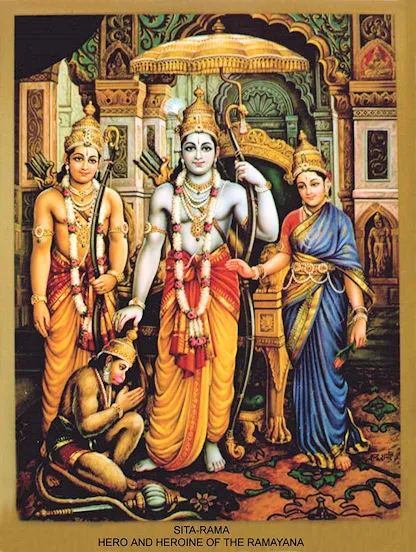
Fig.: रामे चित्तलयः सदा भवतु मे भो राम मामुद्धर ॥
Rāma-Satz.
(Image source: Details)
रामो राजमणिः सदा विजयते रामं रमेशं भजे:br रामेणाभिहता निशाचरचमू रामाय तस्मै नमः ।:br रामान्नास्ति परायणम् परतरं रामस्य दासोऽस्म्यहम्:br रामे चित्तलयः सदा भवतु मे भो राम मामुद्धर ॥
Translation:
- Nominative: Rāma, the jewel (मणि m.) among kings (राजन् m.) always conquers (सदा).
- Accusative: I love (भज् 1S) Rāma, the lord and husband (ईश m.) of Ramā (= Lakṣmī).
- Instrumental: Rāma has killed the army (चमू f.) of night-roamers (= demons) (निशा f. = night).
- Dative: To this Rāma be homage!
- Ablative: There is no better (परतर 3) refuge (परायण n.) than Rāma.
- Genitive: I (अहम्) am (अस्मि) a servant of Rāma.
- Locative: In Rāma may (भवतु) always be the peace (लय m.) of my (मे) heart.
- Vocative: Rāma, save (उद्धर = Imperative for उद् + हृ or उद् + धृ) me (माम्)!
27.5. Word List
वस् 1P (वसति): to stay, to dwell (with locative of the person with whom one dwells)
Fut.: वत्स्यति:br Pass.: उष्यते:br PPP: उषित:br Inf.: वस्तुम्
therefrom:
वस्तु n.: seat, place; reality, real thing, reality, object
वस्तुतस्: in reality, really
वस् 2Ā (वस्ते): to put on (clothing), to wear (clothing)
Fut.: वसिष्यते:br PPP: वसित:br Inf.: वसितुम्
therefrom:
वस्त्र n.: means to put on = garment, robe, cloth
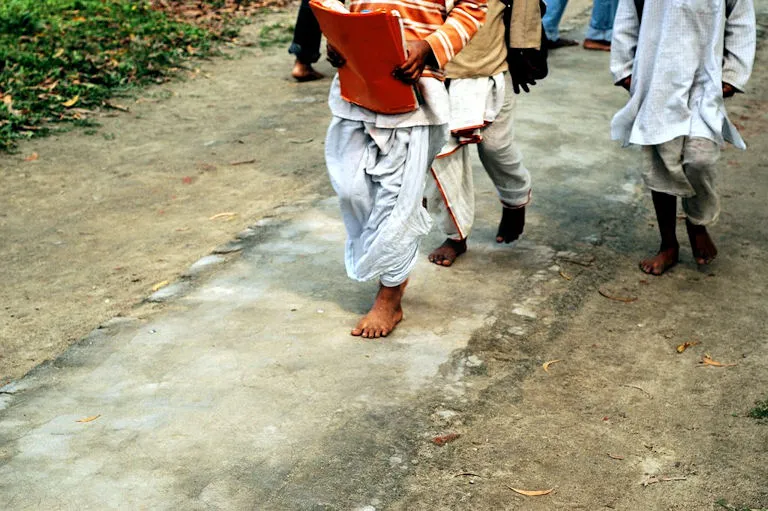
Fig.: वस्त्राणि
Vastrāṇi. Majuli, Assam.
(Image source: Details)
वस् 6P (उच्छति): to shine forth (this root is important because of the nominal formations:)
वसु n.: wealth, treasure, property, possession
वसन्त m.: ("shining" =) spring (March to May)
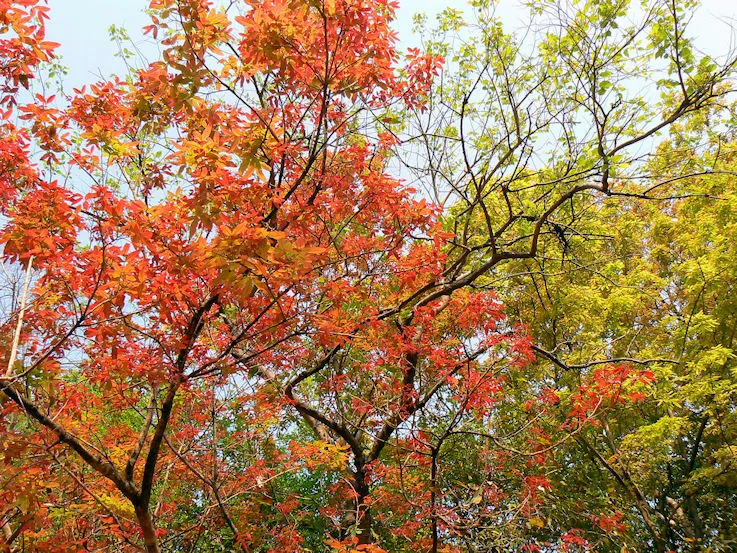
Fig.: वसन्तः
Vasanta (Schleichera oleosa), Khopoli, Maharashtra, 2007-04-07.
(Image source: Details)
हृ 1U (हरति): to hold, to carry; to fetch, to take away, to steal
Fut.: हरिष्यति:br Pass.: ह्रियते:br PPP: हृत:br Inf.: हर्तुम्
therefrom:
हर 3: taking away; m.: the destroyer = epithet of Śiva
Counterpart to हर:
हरि 3: blond, yellow, green; m. epithet of Viṣṇu (does not belong to the root हृ 1)
हरिहर m.: Viṣṇu and Śiva united as a single deity.
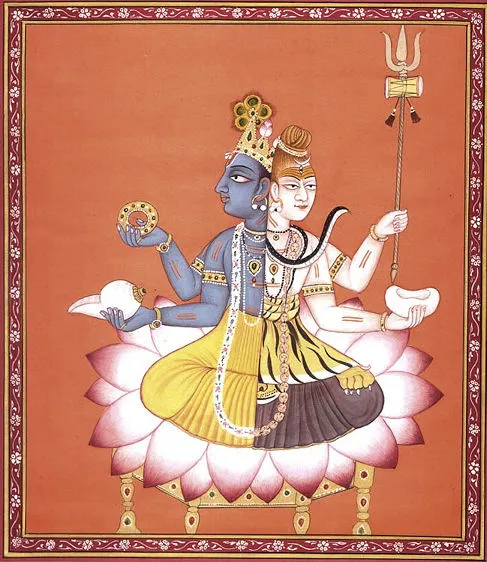
Fig.: हरिहरः
Harihara (left: Viṣṇu, right: Śiva).
(Image source: Details)
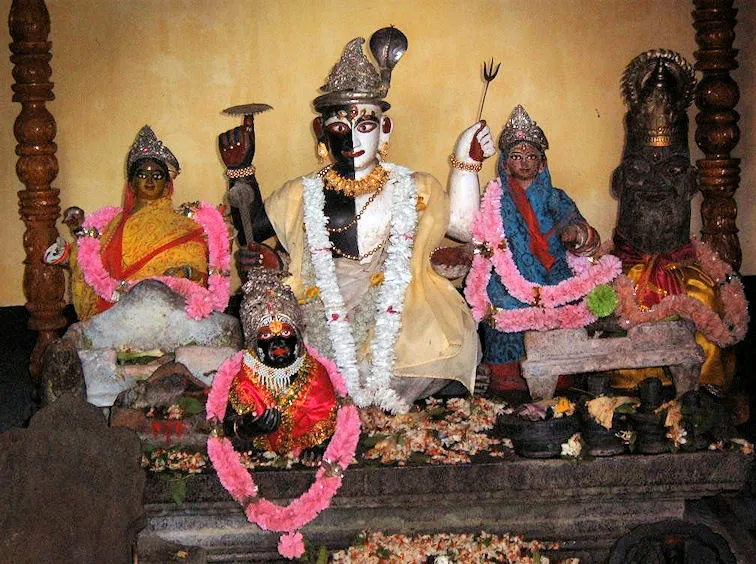
Fig.: हरिहरः
Harihara (left: Viṣṇu, right: Śiva). Godrumdwip, West Bengal.
(Image source: Details)
27.6. Exercise
A) Insert the expressions in parentheses in the following sentence in the locative (सप्तमी) singular and - where sensible - plural. Note the different Sandhi, i.e., write out the full sentence each time!
रामस् ... वसति । (ग्राम । गुरु । सत्यवान्कविः । पुत्रं लब्धुकामा ब्राह्मणी । गृह । तन्नगरम् । मुह्यञ्छत्रुः)
B) Translate and resolve the compounds:
धर्मं वदति गुरौ दुर्जना न शृण्वन्ति ॥१॥
बुद्धकाले नरैरार्यसत्यानि श्रोतुं शक्यन्ते ॥२॥
वसितसुवस्त्रां नरा लुभ्यन्ति । एवं सति सत्यो नरेभ्यः सुवस्त्राणीच्छन्ति ॥३॥
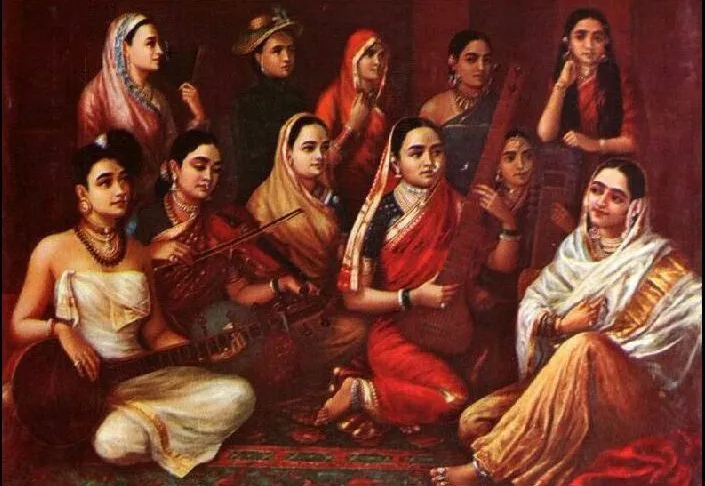
Fig.: वसितसुवस्त्रां नरा लुभ्यन्ति । एवं सति सत्यो नरेभ्यः सुवस्त्राणीच्छन्ति ॥
Painting by Rāja Ravi Varmā (1848 - 1906).
(Image source: Details)
पुत्रे मृतेऽपुत्रा ब्राह्मणी पुत्रं लब्धुं व्रतं करोति ॥४॥
उपनीतबालैर्गुरुकुले उष्यते ॥५॥
यज्ञकाले विगतेऽनिष्टदेवा विस्मृतयज्ञब्राह्मणेभ्यः क्रुध्यन्ति ॥६॥
गुरौ तिष्ठति बाल आसितुं नार्हति ॥७॥
एवं काले गच्छति स्वाचारक्षत्रिय इष्टं धनं न लभते ॥८॥
ब्राह्मण्यां महाकवावागच्छन्त्यां ब्राह्मणीपुत्रोऽप्यागच्छति ॥९॥
गुरुषूपदिशत्सु सुनीतबाला वक्तुं नार्हन्ति ॥१०॥
27.7. Declension Paradigms to Memorize
27.7.1. Masculines in -a: नर
| Singular एकवचनम् | Plural बहुवचनम् | |
|---|---|---|
| 1. Nominative १. प्रथमा | नरस् | नरास् |
| 2. Accusative २. द्वितीया | नरम् | नरान् |
| 3. Instrumental ३. तृतीया | नरेण | नरैस् |
| 4. Dative ४. चतुर्थी | नराय | नरेभ्यस् |
| 5. Ablative ५. पञ्चमी | नरात् | नरेभ्यस् |
| 6. Genitive ६. षष्ठी | नरस्य | नराणाम् |
| 7. Locative ७. सप्तमी | नरे | नरेषु |
Fig.: नराः
Naran. Udaipur.
(Image source: Details)
27.7.2. Neuters in -a: फल
| Singular एकवचनम् | Plural बहुवचनम् | |
|---|---|---|
| 1. Nominative १. प्रथमा | फलम् | फलानि |
| 2. Accusative २. द्वितीया | फलम् | फलानि |
| 3. Instrumental ३. तृतीया | फलेन | फलैस् |
| 4. Dative ४. चतुर्थी | फलाय | फलेभ्यस् |
| 5. Ablative ५. पञ्चमी | फलात् | फलेभ्यस् |
| 6. Genitive ६. षष्ठी | फलस्य | फलाणाम् |
| 7. Locative ७. सप्तमी | फले | फलेषु |
Fig.: फलानि
Fruits. Bangalore.
(Image source: Details)
27.7.3. Feminines in -ā: क्षत्रिया
| Singular एकवचनम् | Plural बहुवचनम् | |
|---|---|---|
| 1. Nominative १. प्रथमा | क्षत्रिया | क्षत्रियास् |
| 2. Accusative २. द्वितीया | क्षत्रियाम् | क्षत्रियास् |
| 3. Instrumental ३. तृतीया | क्षत्रियया | क्षत्रियाभिस् |
| 4. Dative ४. चतुर्थी | क्षत्रियायै | क्षत्रियाभ्यस् |
| 5. Ablative ५. पञ्चमी | क्षत्रियायास् | क्षत्रियाभ्यस् |
| 6. Genitive ६. षष्ठी | क्षत्रियायास् | क्षत्रियाणाम् |
| 7. Locative ७. सप्तमी | क्षत्रियायाम् | क्षत्रियासु |
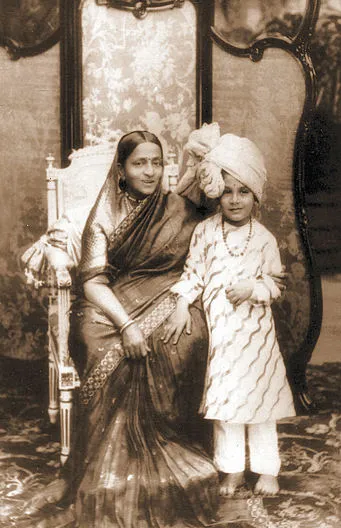
Fig.: क्षत्रिया
Maharani Vani Vilasa Sannidhana (1866 - 1934) with her grandson Prince Jaya Chamaraja Wadiyar, Mysore.
(Image source: Details)
27.7.4. Masculines in -i: अरि
| Singular एकवचनम् | Plural बहुवचनम् | |
|---|---|---|
| 1. Nominative १. प्रथमा | अरिस् | अरयस् |
| 2. Accusative २. द्वितीया | अरिम् | अरीन् |
| 3. Instrumental ३. तृतीया | अरिणा | अरिभिस् |
| 4. Dative ४. चतुर्थी | अरये | अरिभ्यस् |
| 5. Ablative ५. पञ्चमी | अरेस् | अरिभ्यस् |
| 6. Genitive ६. षष्ठी | अरेस् | अरीणाम् |
| 7. Locative ७. सप्तमी | अरौ | अरिषु |
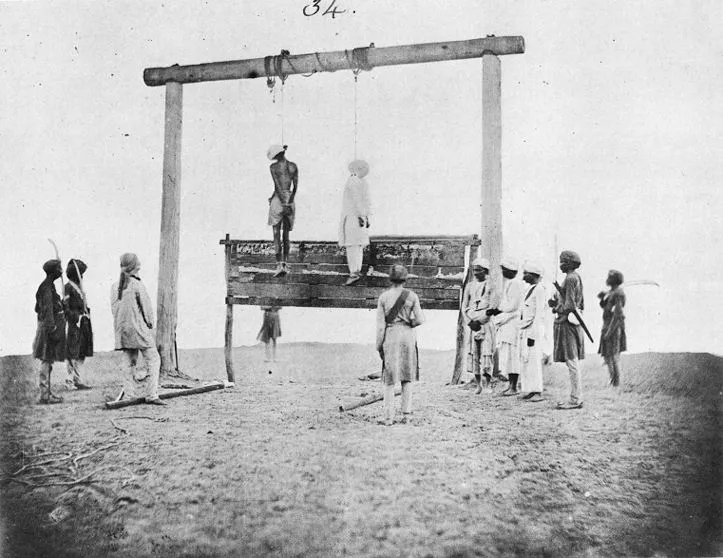
Fig.: अरयः
Hanging of two participants in the Rebellion of 1857. Photograph by Felice Beato (1833/1834 - ca. 1907).
(Image source: Details)
27.7.5. Feminines ending in -i: मति
| Singular एकवचनम् | Plural बहुवचनम् | |
|---|---|---|
| 1. Nominative १. प्रथमा | मतिस् | मतयस् |
| 2. Accusative २. द्वितीया | मतिम् | मतीस् |
| 3. Instrumental ३. तृतीया | मत्या | मतिभिस् |
| 4. Dative ४. चतुर्थी | मतेस् / मत्यै | मतिभ्यस् |
| 5. Ablative ५. पञ्चमी | मतेस् / मत्यास् | मतिभ्यस् |
| 6. Genitive ६. षष्ठी | मतेस् / मत्यास् | मतीणाम् |
| 7. Locative ७. सप्तमी | मतौ / मत्याम् | मतिषु |
27.7.6. Masculines ending in -u: गुरु
| Singular एकवचनम् | Plural बहुवचनम् | |
|---|---|---|
| 1. Nominative १. प्रथमा | गुरुस् | गुरवस् |
| 2. Accusative २. द्वितीया | गुरुम् | गुरून् |
| 3. Instrumental ३. तृतीया | गुरुणा | गुरुभिस् |
| 4. Dative ४. चतुर्थी | गुरवे | गुरुभ्यस् |
| 5. Ablative ५. पञ्चमी | गुरोस् | गुरुभ्यस् |
| 6. Genitive ६. षष्ठी | गुरोस् | गुरूणाम् |
| 7. Locative ७. सप्तमी | गुरौ | गुरुषु |
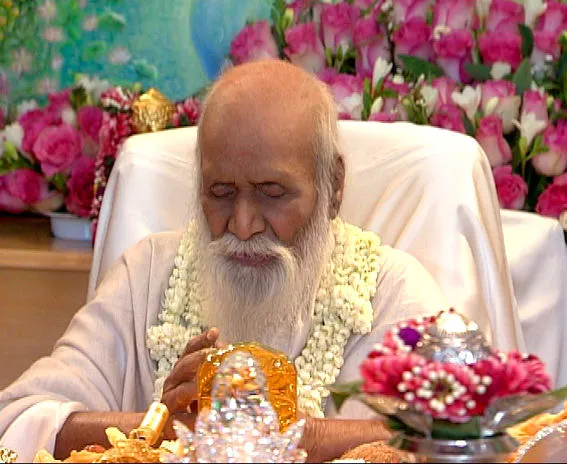
Fig.: गुरुः
Maharishi Mahesh Yogi (1917 - 2008) Guru.
(Image source: Details)
27.7.7. Feminines ending in -u: धेनु
| Singular एकवचनम् | Plural बहुवचनम् | |
|---|---|---|
| 1. Nominative १. प्रथमा | धेनुस् | धेनवस् |
| 2. Accusative २. द्वितीया | धेनुम् | धेनूस् |
| 3. Instrumental ३. तृतीया | धेन्वा | धेनुभिस् |
| 4. Dative ४. चतुर्थी | धेनवे / धेन्वै | धेनुभ्यस् |
| 5. Ablative ५. पञ्चमी | धेनोस् / धेन्वास् | धेनुभ्यस् |
| 6. Genitive ६. षष्ठी | धेनोस् / धेन्वास् | धेनूणाम् |
| 7. Locative ७. सप्तमी | धेनौ / धेन्वाम् | धेनुषु |
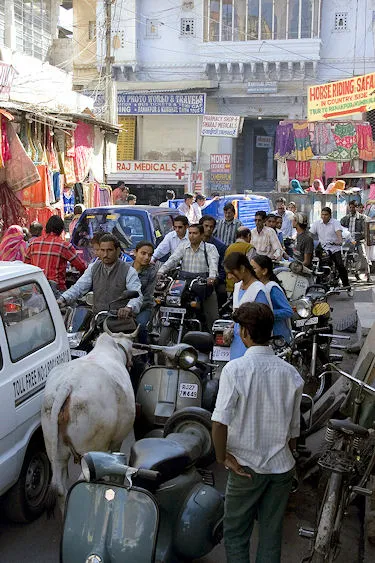
Fig.: धेनुः
Cow in Udaipur.
(Image source: Details)
27.7.8. Polysyllabic Feminines ending in -ī: देवी
| Singular एकवचनम् | Plural बहुवचनम् | |
|---|---|---|
| 1. Nominative १. प्रथमा | देवी | देव्यस् |
| 2. Accusative २. द्वितीया | देवीम् | देवीस् |
| 3. Instrumental ३. तृतीया | देव्या | देवीभिस् |
| 4. Dative ४. चतुर्थी | देव्यै | देवीभ्यस् |
| 5. Ablative ५. पञ्चमी | देव्यास् | देवीभ्यस् |
| 6. Genitive ६. षष्ठी | देव्यास् | देवीणाम् |
| 7. Locative ७. सप्तमी | देव्याम् | देवीषु |
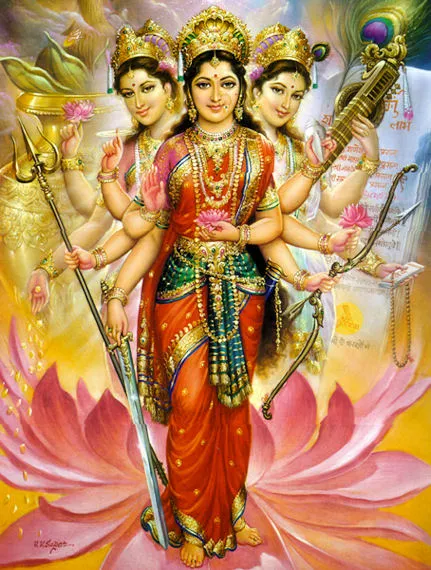
Fig.: त्रिदेवी
Tridevī (Lakṣmī, Pārvatī, Sarasvatī).
(Image source: Details)
27.7.9. Present Participle Parasmaipada on -ant: सन्त्
| Singular Masculine पुंस् | Singular Neuter नपुंसकम् | Plural Masculine पुंस् | Plural Neuter नपुंसकम् | |
|---|---|---|---|---|
| 1. Nominative १. प्रथमा | सन् | सत् | सन्तः | सन्ति |
| 2. Accusative २. द्वितीया | सन्तम् | सत् | सतस् | सन्ति |
| 3. Instrumental ३. तृतीया | सता | सद्भिस् | ||
| 4. Dative ४. चतुर्थी | सते | सद्भ्यस् | ||
| 5. Ablative ५. पञ्चमी | सतस् | सद्भ्यस् | ||
| 6. Genitive ६. षष्ठी | सतस् | सताम् | ||
| 7. Locative ७. सप्तमी | सति | सत्सु | ||
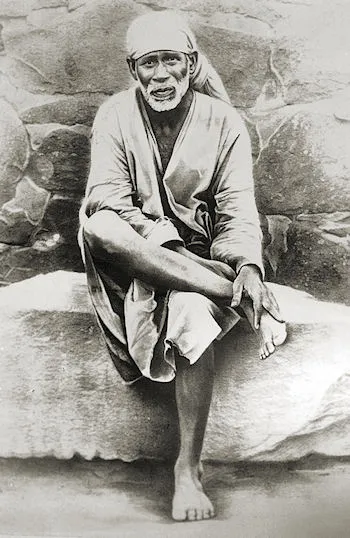
Fig.: सद्गुरुः
Sai Baba of Shirdi (1835 - 1918).
(Image source: Details)
27.7.10. महान्त्
| Singular Masculine पुंस् | Singular Neuter नपुंसकम् | Plural Masculine पुंस् | Plural Neuter नपुंसकम् | |
|---|---|---|---|---|
| 1. Nominative १. प्रथमा | महान् | महत् | महान्तस् | महान्ति |
| 2. Accusative २. द्वितीया | महान्तम् | महत् | महतस् | महान्ति |
| 3. Instrumental ३. तृतीया | महता | महद्भिस् | ||
| 4. Dative ४. चतुर्थी | महते | महद्भ्यस् | ||
| 5. Ablative ५. पञ्चमी | महतस् | महद्भ्यस् | ||
| 6. Genitive ६. षष्ठी | महतस् | महताम् | ||
| 7. Locative ७. सप्तमी | महति | महत्सु | ||
27.7.11. Masculine and Neuter on -vant / -mant: गुणवन्त्
| Singular Masculine पुंस् | Singular Neuter नपुंसकम् | Plural Masculine पुंस् | Plural Neuter नपुंसकम् | |
|---|---|---|---|---|
| 1. Nominative १. प्रथमा | गुणवान् | गुणवत् | गुणवन्तस् | गुणवन्ति |
| 2. Accusative २. द्वितीया | गुणवन्तम् | गुणवत् | गुणवतस् | गुणवन्ति |
| 3. Instrumental ३. तृतीया | गुणवता | गुणवद्भिस् | ||
| 4. Dative ४. चतुर्थी | गुणवते | गुणवद्भ्यस् | ||
| 5. Ablative ५. पञ्चमी | गुणवतस् | गुणवद्भ्यस् | ||
| 6. Genitive ६. षष्ठी | गुणवतस् | गुणवताम् | ||
| 7. Locative ७. सप्तमी | गुणवति | गुणवत्सु | ||
27.7.12. Demonstrative Pronouns: तद् । एतद् । इदम्
| Singular Masculine पुंस् | Singular Neuter नपुंसकम् | Singular Feminine स्त्री | Plural Masculine पुंस् | Plural Neuter नपुंसकम् | Plural Feminine स्त्री | |
|---|---|---|---|---|---|---|
| 1. Nominative १. प्रथमा | सस् / स | तत् | सा | ते | तानि | तास् |
| 2. Accusative २. द्वितीया | तम् | तत् | ताम् | तान् | तानि | तास् |
| 3. Instrumental ३. तृतीया | तेन | तया | तैस् | ताभिस् | ||
| 4. Dative ४. चतुर्थी | तस्मै | तस्यै | तेभ्यस् | ताभ्यस् | ||
| 5. Ablative ५. पञ्चमी | तस्मात् | तस्यास् | तेभ्यस् | ताभ्यस् | ||
| 6. Genitive ६. षष्ठी | तस्य | तस्यास् | तेषाम् | तासाम् | ||
| 7. Locative ७. सप्तमी | तस्मिन् | तस्याम् | तेषु | तासु | ||
| Singular एकवचनम् | Plural बहुवचनम् | |||||
|---|---|---|---|---|---|---|
| Masc. | Neut. | Fem. | Masc. | Neut. | Fem. | |
| 1. Nominative १. प्रथमा | एषस् / एष | एतत् | एषा | एते | एतानि | एतास् |
| 2. Accusative २. द्वितीया | एतम् / एनम् | एतत् / एनत् | एताम् / एनाम् | एतान् / एनान् | एतानि | एतास् / एनाः |
| 3. Instrumental ३. तृतीया | एतेन / एनेन | एतया / एनया | एतैस् | एताभिस् | ||
| 4. Dative ४. चतुर्थी | एतस्मै | एतस्यै | एतेभ्यस् | एताभ्यस् | ||
| 5. Ablative ५. पञ्चमी | एतस्मात् | एतस्यास् | एतेभ्यस् | एताभ्यस् | ||
| 6. Genitive ६. षष्ठी | एतस्य | एतस्यास् | एतेषाम् | एतासाम् | ||
| 7. Locative ७. सप्तमी | एतस्मिन् | एतस्याम् | एतेषु | एतासु | ||
| Singular एकवचनम् | Plural बहुवचनम् | |||||
|---|---|---|---|---|---|---|
| Masc. | Neut. | Fem. | Masc. | Neut. | Fem. | |
| 1. Nominative १. प्रथमा | अयम् | इदम् | इयम् | इमे | इमानि | इमास् |
| 2. Accusative २. द्वितीया | इमम् / एनम् | इदम् / एनत् | इमाम् / एनाम् | इमान् / एनान् | इमानि / एनानि | इमास् / एनाः |
| 3. Instrumental ३. तृतीया | अनेन / एनेन | अनया / एनया | एभिस् | आभिस् | ||
| 4. Dative ४. चतुर्थी | अस्मै | अस्यै | एभ्यस् | आभ्यस् | ||
| 5. Ablative ५. पञ्चमी | अस्मात् | अस्यास् | एभ्यस् | आभ्यस् | ||
| 6. Genitive ६. षष्ठी | अस्य | अस्यास् | एषाम् | आसाम् | ||
| 7. Locative ७. सप्तमी | अस्मिन् | अस्याम् | एषु | आसु | ||
27.7.13. Relative Pronouns: यद्
| Singular Masculine पुंस् | Singular Neuter नपुंसकम् | Singular Feminine स्त्री | Plural Masculine पुंस् | Plural Neuter नपुंसकम् | Plural Feminine स्त्री | |
|---|---|---|---|---|---|---|
| 1. Nominative १. प्रथमा | यस् | यत् | या | ये | यानि | यास् |
| 2. Accusative २. द्वितीया | यम् | यत् | याम् | यान् | यानि | यास् |
| 3. Instrumental ३. तृतीया | येन | यया | यैस् | याभिस् | ||
| 4. Dative ४. चतुर्थी | यस्मै | यस्यै | येभ्यस् | याभ्यस् | ||
| 5. Ablative ५. पञ्चमी | यस्मात् | यस्यास् | येभ्यस् | याभ्यस् | ||
| 6. Genitive ६. षष्ठी | यस्य | यस्यास् | येषाम् | यासाम् | ||
| 7. Locative ७. सप्तमी | यस्मिन् | यस्याम् | येषु | यासु | ||
27.7.14. Interrogative Pronouns: किम्
| Singular Masculine पुंस् | Singular Neuter नपुंसकम् | Singular Feminine स्त्री | Plural Masculine पुंस् | Plural Neuter नपुंसकम् | Plural Feminine स्त्री | |
|---|---|---|---|---|---|---|
| 1. Nominative १. प्रथमा | कस् | किम् | का | के | कानि | कास् |
| 2. Accusative २. द्वितीया | कम् | किम् | काम् | कान् | कानि | कास् |
| 3. Instrumental ३. तृतीया | केन | कया | कैस् | काभिस् | ||
| 4. Dative ४. चतुर्थी | कस्मै | कस्यै | केभ्यस् | काभ्यस् | ||
| 5. Ablative ५. पञ्चमी | कस्मात् | कस्यास् | केभ्यस् | काभ्यस् | ||
| 6. Genitive ६. षष्ठी | कस्य | कस्यास् | केषाम् | कासाम् | ||
| 7. Locative ७. सप्तमी | कस्मिन् | कस्याम् | केषु | कासु | ||
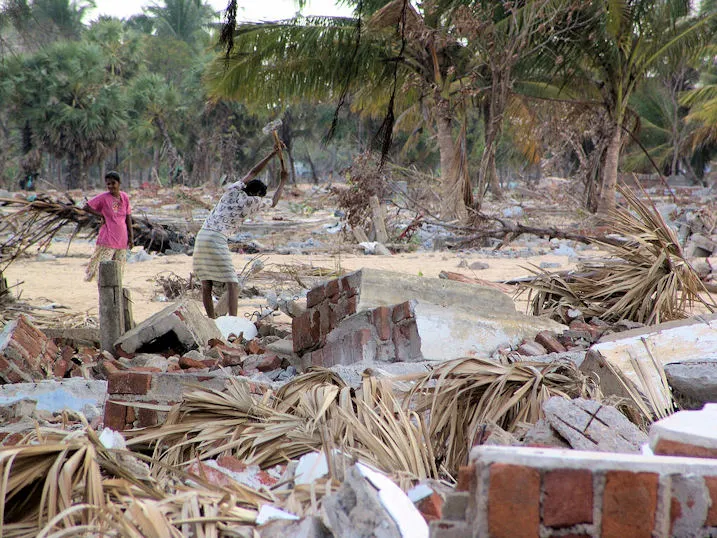
Fig.: कस्मात् ?
Tsunami 2005, Sri Lanka.
(Image source: Details)
lekt2701: Jaipur, 1875. [Image source: Wikipedia. Public domain]
lekt2702: Rajasthan. [Image source: fbloeink Flickr, 2008-12-18, CC BY-NC-SA]
lekt2703: Holi. [Image source: S.Raj Flickr, 2008-12-18, CC BY-NC-ND]
lekt2704: Harihara (left: Viṣṇu, right: Śiva). [Image source: Wikipedia. Public domain]
lekt2705: Harihara (left: Viṣṇu, right: Śiva). Godrumdwip, West Bengal. [Image source: GourangaUK / Wikipedia. GNU FDLicense]
lekt2706: Vastrāṇi. Majuli, Assam. [Image source: deepsan Flickr, 2008-12-18, CC BY-NC-ND]
lekt2707: Vasanta (Schleichera oleosa), Khopoli, Maharashtra, 2007-04-07. [Image source: dinesh_valke Flickr, 2008-12-18, CC BY-NC-ND]
lekt2708: Rāma-Satz. [Image source: Wikipedia. Public domain]
lekt2709: Painting by Rāja Ravi Varmā (1848 - 1906). [Image source: Wikipedia. Public domain]
lekt2710: Fruits. Bangalore. [Image source: GflaiG Flickr, 2008-12-18, CC BY-NC-ND]
lekt2711: Naran. Udaipur. [Image source: Dey Flickr, 2008-12-18, CC BY-NC-SA]
lekt2712: Hanging of two participants in the 1857 Rebellion. Photograph by Felice Beato (1833/1834 - ca. 1907). [Image source: Wikipedia. Public domain]
lekt2713: Maharishi Mahesh Yogi (1917 - 2008) Guru. [Image source: Wikipedia, GNU FDLicense]
lekt2714: Cow in Udaipur. [Image source: Dey Flickr, 2008-12-19, CC BY-NC-SA]
lekt2715: Tridevī (Lakṣmī, Pārvatī, Sarasvatī). [Image source: Wikipedia. Public domain]
lekt2716: Sai Baba of Shirdi (1835 - 1918). [Image source: Wikipedia. Public domain]
lekt2717: Tsunami 2005, Sri Lanka. [Image source: Hjálparstarf Flickr, 2008-12-19, CC BY-NC-SA]
lekt2718: Maharani Vani Vilasa Sannidhana (1866 - 1934) with her grandson Prince Jaya Chamaraja Wadiyar, Mysore. [Image source: Wikipedia. Public domain]