
Exercise 25
A) Complete the declension examples from Lesson 16 by adding 4. Dative (चतुर्थी) and 5. Ablative (पञ्चमी).
१. सन्त् (being, good)
| Case | m. Singular | m. Plural | n. Singular | n. Plural |
|---|---|---|---|---|
| 1. Nom. | सन् | सन्तः | सत् | सन्ति |
| 2. Acc. | सन्तम् | सतः | सत् | सन्ति |
| 3. Instr. | सता | सद्भुः | सता | सद्भुः |
| 4. Dat. | सते | सद्भ्यः | सate | सद्भ्यः |
| 5. Abl. | सतः | सद्भ्यः | सतः | सद्भ्यः |
२. महान्त् (great)
| Case | m. Singular | m. Plural | n. Singular | n. Plural |
|---|---|---|---|---|
| 1. Nom. | महान् | महान्तः | महत् | महान्ति |
| 2. Acc. | महान्तम् | महतः | महत् | महान्ति |
| 3. Instr. | महता | महद्भुः | महता | महद्भुः |
| 4. Dat. | महते | महद्भ्यः | महते | महद्भ्यः |
| 5. Abl. | महतः | महद्भ्यः | महतः | महद्भ्यः |
३. यद् (which, who)
| Case | m. Sg. | m. Pl. | n. Sg. | n. Pl. | f. Sg. | f. Pl. |
|---|---|---|---|---|---|---|
| 1. Nom. | यः | ये | यत् | यानि | या | याः |
| 2. Acc. | यम् | यान् | यत् | यानि | याम् | याः |
| 3. Instr. | येन | यैः | येन | यैः | यया | याभिः |
| 4. Dat. | यस्मै | येभ्यः | यस्मै | येभ्यः | यस्यै | याभ्यः |
| 5. Abl. | यस्मात् | येभ्यः | यस्मात् | येभ्यः | यस्याः | याभ्यः |
B) Translate and resolve the Sanskrit compounds:
१. गुर्वादेशाद्रामो ग्रामान्नगरं गत्वा साधुगृहं प्रविश्य साधुमुपस्थायालं क्रोधेनेति वक्ति ॥१॥
At the teacher's instruction, Rāma goes from the village to the city, enters the holy man's house, respectfully presents himself before the holy man, and speaks: "Enough of anger!"
२. गुरोरधर्मः श्रोतुं न शक्यत इति श्रुत्या च स्मृतिभिश्चोद्यते ॥२॥
The Veda (śruti) and the tradition (smṛti) say that one cannot hear anything unjust from a master.
३. क्षत्रिया जनाञ्छत्रुभ्यो रक्षितुमर्हन्तीति क्षत्रियधर्मः ॥३॥
The duty of the Kṣatriyas is that the Kṣatriyas should protect the people from enemies.
४. कृतयज्ञदोषत्वाद्ब्राह्मणो धनं लब्धुं नार्हti ॥४॥
Since he has committed a sacrificial error, the Brahmin may not receive money.
५. धनलाभहेतोस्ते वैश्या व्रतं कृत्वा ब्रह्मचर्यं चरन्ति ॥५॥
(धनस्य लाभाय)
In order to become rich, these Vaiśyas have made a vow and abstain sexually.
६. बुद्द्धाश्चार्हन्तश्च दुःखान्मुक्ताः । मुञ्चन्ती बुद्धिर्हि तैः प्राप्ता ॥६॥
Buddhas and Arhants are freed from suffering. For they have attained liberating insight.
७. लोभen च क्रोधेन च मोहेन च जना दुष्यन्ति । ततः प्राप्तकाला नरकं पतन्ति ॥७॥
Through greed, hatred, and delusion, people are ruined. When the time has come, they then fall into a hell.
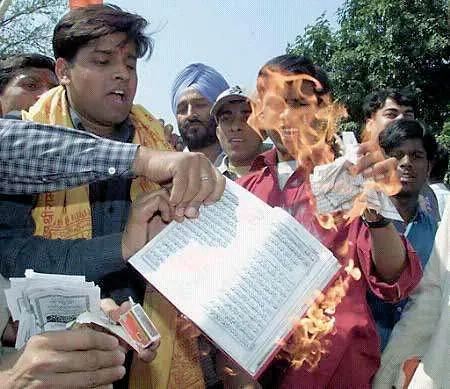
Fig.: लोभेन च क्रोधेन च मोहेन च जना दुष्यन्ति
(Image source: Details)
८. क्षत्रियो महानगरतः शत्रुग्रामं योद्धुं शूरयोधानानयति ॥८॥
The Kṣatriya brings heroic warriors from the metropolis to fight the enemy's village.
९. पुत्रलाभकारणाद्ब्राह्मणी व्रतं चरति ॥९॥
To obtain a son, the Brahmin woman makes a vow (i.e., she fasts).
१०. लब्धपुत्रत्वाद्द्विजेन महासुखमाप्तम् ॥१०॥
Because he has obtained a son, great happiness overtakes the Twice-born.
११. विष्णुर्भक्तान्मरणात्पाति ॥११॥
Viṣṇu protects his devotees from death.
१२. रामाद्विना = रामं विना = रामेण विना ॥१२॥
Ohne Rāma.
१३. साधोः शिक्षा गुणाय संपद्यते नासाधोः ॥१३॥
The instruction of a saint serves as virtue, not that of an unrighteous person.
१४. रामः कृष्णाय तिष्ठति ॥१४॥
Rāma wartet auf Kṛṣṇa.
१५. सुखेन गच्छति ॥१५॥
It goes easily (happily).
१६. अलं भयेन ॥१६॥
Stop being afraid!
१७. लोकादधिको हरिः ॥१७॥
(Hari = Viṣṇu / Kṛṣṇa) Greater than the world is Hari.
Scholarly Fragments
यतो यतो निवर्तते ततस्ततो विमुच्यते ।
निवर्तनाद्धि सर्वतो न वेत्ति दुःखमण्वपि ॥ १ ॥
From what one withdraws, one is freed. For if one withdraws from everything, then one knows no suffering, however small, like an atom.
मानाद्वा यदि वा लोभात् क्रोधाद्वा यदि वा भयात् ।
यो न्यायमन्यथा ब्रूते स याति नरकं नरः ॥ २ ॥
If someone, out of arrogance, greed, anger, or fear, pronounces a false judgment, then he comes into a hell.
भवन्ति नरकाः पापात् पापं दारिद्र्यसंभवम् ।
दारिद्र्यमप्रदानेन ॥ ३ ॥
Hells arise because of evil, evil arises from poverty, poverty arises from not giving.
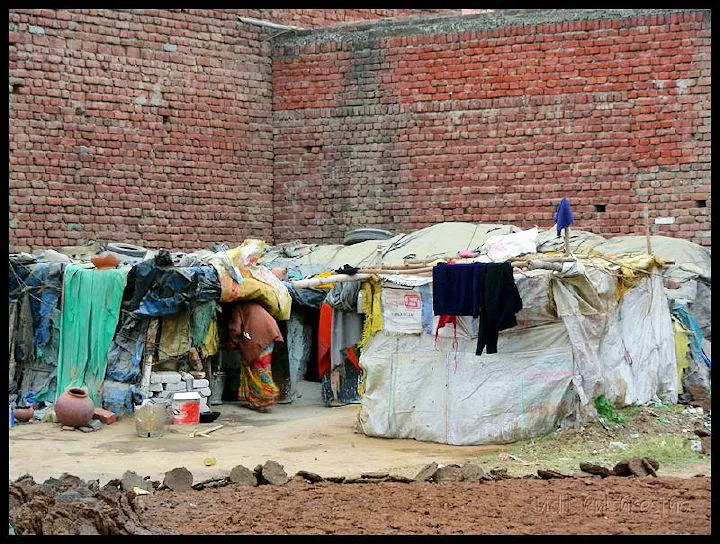
Fig.: भवन्ति नरकाः पापात्
(Image source: Details)
शासनाद्वा विमोक्षाद्वा स्तेनः स्तेयाद्विमुच्यते ।
अशासित्वा तु तं राजा स्तेनस्याप्नोति किल्बिषम् ॥ मनुस्मृति ८.३१६ ॥ ॥ ४ ॥
A thief is freed from the guilt of theft by punishment or by release. But if the king does not punish him, then he takes on the thief's guilt.
Political Science Fragments (Arthaśāstra)
१. वार्त्ता धान्यपुशुहिरण्यकुप्यविष्टिप्रदानादौपकारिकी ॥ (AS 1.4.1)
The economy is useful because it produces grain, cattle, gold, metals, and labor.
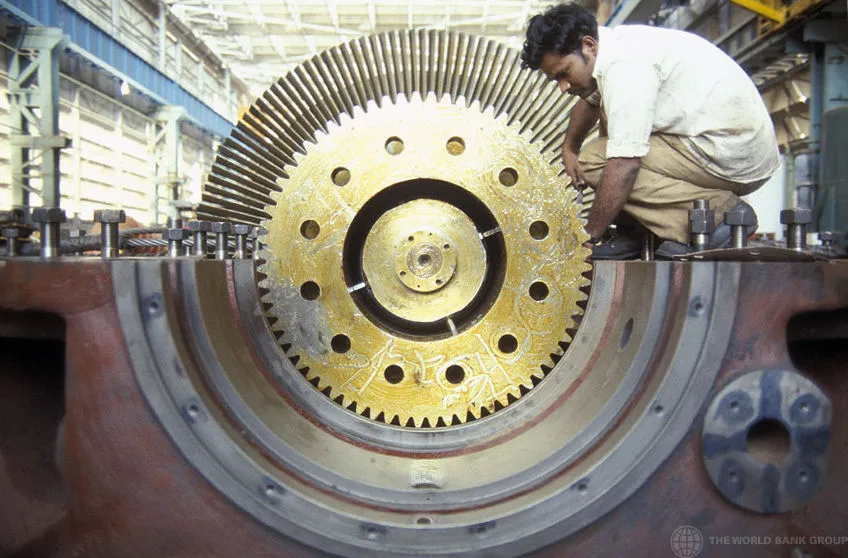
Fig.: वार्त्ता धान्यपुशुहिरण्यकुप्यविष्टिप्रदानादौपकारिकी
(Image source: Details)
२. तस्माद्दण्डमूलास्तिस्रो विद्याः ॥ (AS 1.5)
Therefore, the three sciences have the staff (daṇḍa) as their foundation. The staff, which is the foundation of good conduct, brings living beings acquisition and secure possession. Good conduct is acquired or innate. For activity educates suitable material, not unsuitable. Knowledge educates a mind that has come to truth through obedience, listening, grasping, understanding, and reflection, not another. ... For from what is heard arises knowledge, from knowledge arises practice, from practice arises self-possession; thus the sciences serve their purpose. Knowledge and good conduct are the cause for victory over the senses. This is necessary to lay aside lust, hatred, greed, conceit, intoxication, and agitation.