
Lesson 51
51.1. उपपद-Compounds
उपपद-Compounds (उपपद n. "accompanying word") are तत्पुरुष with a verbal noun as the second member, which occurs only as the second member of compounds, but not as an independent, single word. उपपद are formed with the कृत् suffixes
- -Ø
- -a
- -t
They are nomina agentis, i.e., they designate an agent (कर्तृ), who performs the action designated by the underlying root.
Such compounds are not resolved by native commentators through nominal combinations, but rather by means of verbal forms:
Examples:
सुखकरः = सुखं करोतीति सुखकरः
कुलघ्नः = कुलम्हन्तीति कुलघ्नः
Examples:
a) कृत् suffix -Ø
-नी 3 "leading" e.g. सेनानी m. "army leader" (सेना f. "army")
-भुज् 3 "enjoying, eating" e.g. भूमिभुज् m. "king" (भूमि f. "earth")
-विद् 3 "knowing" e.g. धर्मविद् 3 "knowing the Dharma"
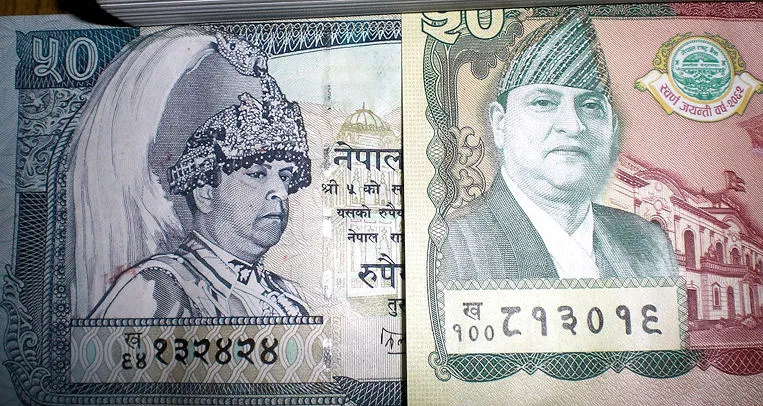
Fig.: भूमिभुज्
ज्ञानेन्द्र वीर बिक्रम शाह, नेपालस्यान्तिमो राजा (2001 - 2008)
(Image source: Details)
b) कृत् suffix -t
-कृत् 3 "making" e.g.
कुलक्षयकृत् 3 "causing the destruction of the family"
पापकृत् 3 "doing evil, wrongdoer"
-जित् 3 "conquering", e.g.
शत्रुजित् 3 "conquering the enemies"
पुरुजित् 3 "conquering many" (पुरु 3 "many, abundant")
-भृत् 3 "bearing" e.g. भूमिभृत् m. "king"
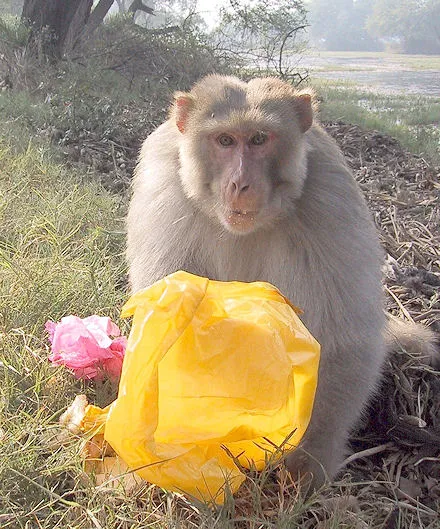
Fig.: पापकृत्
भरतपुर, राजस्थान
(Image source: Details)
c) कृत् suffix -a
-ग 3 "going (in, to)" (probably to the root gā, deep grade g + a) e.g. खग 3 "flying" m. "bird, wandering star" (ख n. "hole, 'air'space")
-घ्न 3 "striking down" e.g. कुलघ 3 "(killing) families"
-ज 3 (jña » jā » deep grade j + a) "descended from, born in" e.g. आत्मज "son"
-ज्ञ 3 "knowledgeable" (jñ-a) e.g. सर्वज्ञ 3 "omniscient"
-द 3 "giving" (d-a) e.g. वारिद m. "cloud" (वारि n. "water")
-प 3 "drinking" (p-a) e.g. द्विप m. "elephant (drinking twice)"
-प 3 "protecting" (p-a) e.g. भूप "protecting the earth = king"
-स्थ 3 "standing in, located in" (sth-a) e.g. गृहस्थ m. "steward, house father"
-कर 3 "causing, doing" e.g. सुखकर 3 "bringing happiness"
-स्मर 3 "remembering" e.g. जातिस्मर 3 "remembering previous births"
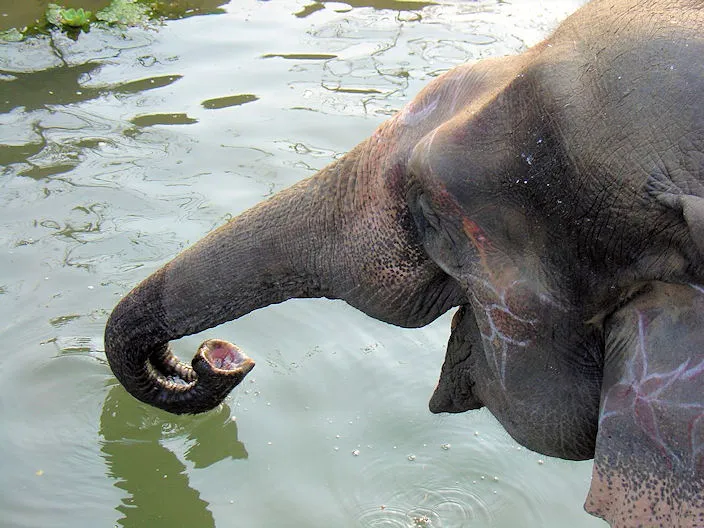
Fig.: द्विपो द्विर्पिबति : हस्तेन च मुखेन च
नेपाल
(Image source: Details)
51.2. Declension of stems ending in a simple consonant (except nasal, semivowel, -s)
Stems ending in a simple consonant (except nasal, semivowel, -s) have no stem gradation. The declension occurs completely regularly by attaching the regular case endings.
Singular irregularity: in the Nom., Acc., Voc. pl. Neut., a nasal is inserted before the stem ending.
51.2.1. Stems ending in a non-palatal stop
The usual sound change laws apply, i.e.
- in final position, the corresponding voiceless non-aspirate stands
- before the -su of the Loc. pl., the final position is first replaced by the corresponding voiceless non-aspirate, then the corresponding sound changes occur
- before a voiced consonant, the final position is replaced by the corresponding voiced non-aspirate.
Examples:
शत्रुजित् 3 "conquering enemies"
Masculine, Feminine:
Singular:
Nom.Voc. शत्रुजित् (śatrujit + s)
Acc. शत्रुजितम्
Plural:
Nom.Acc.Voc. शत्रुजितस्
Instr. शत्रुजिद्भिस्
Loc. शत्रुजित्सु
Neuter
Singular Nom.Acc.Voc. शत्रुजित्
Plural Nom.Acc.Voc. शत्रुजिन्ति
सुयुध् 3 "fighting well"
Singular.Nom.Voc.m.f.n. सुयुत्
etc.
Complete paradigms in Kielhorn, Grammar pp. 16ff.
51.2.2. Stems ending in a palatal stop (c, ch, j), ś, ṣ
Before a vowel-initial ending, the stem final remains unchanged.
Before the other endings:
- final -c and -j are replaced by k, and the stem is then treated as if it ended in -k
- in some words (list in Kielhorn, Grammar p. 18), final -j is replaced by -ṭ
- final -ch is replaced by -ṭ
- final -ś and -ṣ are replaced by -ṭ, with some exceptions. In the exceptional cases, -ś and -ṣ are replaced by -k
i.e.
- -c » -k
- -ch » -ṭ
- -j » -k or -ṭ
- -ś » -ṭ or -k
- -ṣ » -ṭ or -k
Examples:
सत्यवाच् 3 "speaking the truth" (बहुव्रीहि)
Masculine, Feminine:
Singular:
Nom.Voc. सत्यवाक्
Acc. सत्यवाचम्
Instr. सत्यवाचा
Plural:
Instr. सत्यवाग्भिस्
Loc. सत्यवाक्षु
Neuter
Singular Nom.Acc.Voc. सत्यवाक्
Plural Nom.Acc.Voc. सत्यवाञ्चि
शेषभुज् 3 "eating food remnants"
Masculine, Feminine:
Singular:
Nom.Voc. शेषभुक्
Acc. शेषभुजम्
Plural:
Instr. शेषभुग्भिस्
Loc. शेषभुक्षु
Neuter
Singular Nom.Acc.Voc. शेषभुक्
Plural Nom.Acc.Voc. शेषभुञ्जि
परिव्राज् m. "wandering monk"
Masculine, Feminine:
Singular:
Nom.Voc. परिव्राट्
Acc. परिव्राजम्
Plural:
Instr. परिव्राड्भिस्
Loc. परिव्राट्सु
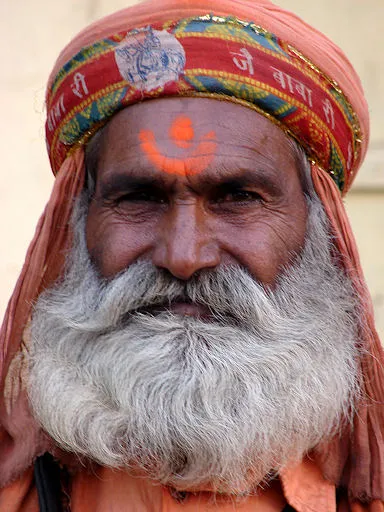
Fig.: परिव्राट्
पुष्कर
(Image source: Details)
51.2.3. Stems ending in -h
Before a vowel-initial ending, the -h remains unchanged.
Before the other endings
- usually the -h is replaced by -ḍh
- if the underlying root begins with d-, the -h is replaced by -gh. Similarly, in some other words, optionally or obligatorily (compilation in Kielhorn, Grammar §80,2)
- (in the final position of the root noun, -h is replaced by -dh)
After these substitutions, the stem is treated further as if it ended in -ḍh, -gh, or -dh.
See the paradigms in Kielhorn, Grammar, p. 20f.
Examples:
गुह् 3 "concealing"
Masculine, Feminine:
Singular:
Nom.Voc. घुट् (Grassmann's Law of Breath Dissimilation: गुढ् + s)
Acc. गुहम्
Plural:
Instr. घुड्भिस्
Loc. घुट्सु
द्रुह् "harming, hating" (optionally -ḍh/-gh)
Masculine, Feminine:
Singular:
Nom.Voc. ध्रुट् । ध्रुक्
Acc. द्रुहम्
Plural:
Instr. ध्रुड्भिस् । ध्रुग्भिस्
Loc. ध्रुट्सु । ध्रुक्षु
51.3. Sandhi of initial h-
Before an initial h-, a preceding stop is replaced by the corresponding voiced non-aspirate, and the initial h- is replaced by the voiced aspirate corresponding to that stop:
तत् + हि » तद्धि
वाक् + हि » वाग्घि
परिव्राट् + हि » परिव्राड्ढि
51.4. Sandhi of initial ch-
Initial ch- is replaced by cch- after a short vowel, after मा "not", and after आ "to":
न + छिन्दति » न च्छिन्दति
51.5. -ch- within the word
Within the word, -ch- is replaced by -cch- after all vowels:
e.g. छिद् » चिच्छेद
51.6. Word list
अजिन n.: antelope skin, esp. the skin of the black antelope (blackbuck : Antilope cervicapra L. ). Originally occurred throughout the Indian subcontinent from Punjab and Sind to Bengal and from Nepal to Kanyakumari (Cape Comorin) (Tamil: கன்னியாகுமரி) See:
Walker's mammals of the world / Ronald M. Nowak. -- 6. ed. -- Baltimore [u.a.] : Johns Hopkins Univ. Pr., 1999. -- 2 vols. -- ISBN 0-8018-5789-9. -- Vol. 2. -- p. 1193f.
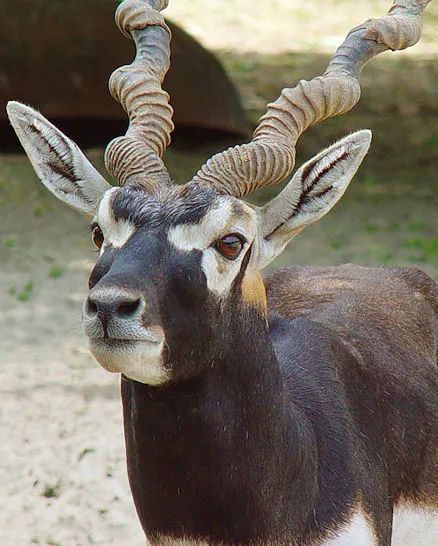
Fig.:
(Image source: Details)
अतिथि m.: guest
अभ्यन्तर 3: located inside, nearest; m. the nearest relative, native
अरण्य n.: wilderness, forest
ऋतु m.: periodic process, season, time period, menstruation, time during which the woman is fertile and has a right to intercourse with her husband.
Regarding ऋतु see Manu III, 45-48: according to this, ऋतु lasts 16 days (according to the alternative translation: 20 days) from the start of menstruation, sexual intercourse is forbidden on the first four days after the start of bleeding (according to the alternative translation: on the first eight (4 + 4) days), as well as on the 11th (or 15th) and 13th (or 18th) day. On even days, the woman conceives sons; on odd days, daughters. For the following, a ऋतु of a total of 16 days (not the alternative translation) is assumed, as most indigenous commentaries do, and which was therefore the prevailing view.
Since ovulation occurs 14 days before the start of menstruation, with this determination of the fertile period, fertility is almost "guaranteed" for a menstrual cycle interval of 19 to 30 days. The forbidden days (11th and 13th) improve the probability of sexual intercourse on the 12th and 14th days, i.e., the probability of conception in a 28-day cycle (the lifespan of sperm in the woman is approx. 3 days). These regulations are as it were a positive application of the Knaus-Ogino method.
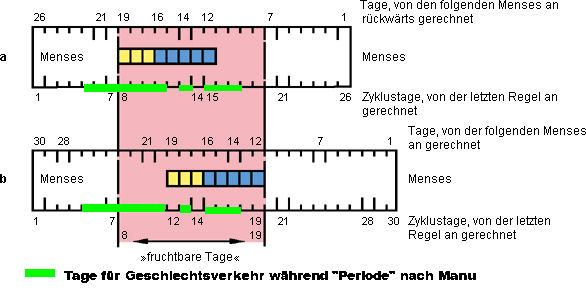
Fig.: ऋतुः
(Image source: Details)
एकत्र Adv.: at one place
जटा f.: braid of hair (ascetic hairstyle)
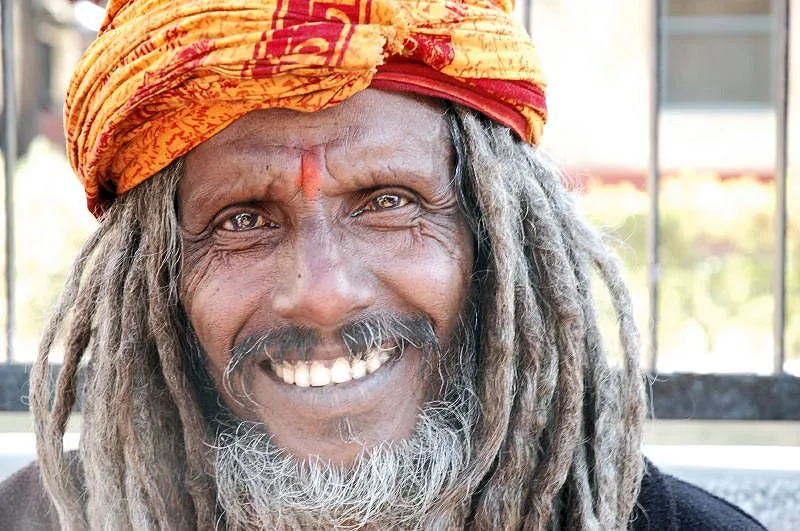
Fig.: जटा
ऋषिकेश
(Image source: Details)
तुल्य 3: equal, comparable (तृतीयया)
तरय 3 (f.: तरयी): threefold, consisting of three parts
प्राणान्तिक 3 (f.: -ī): fatal, bringing death, life-long
बाह्य 3: located outside, abroad, foreign
भिक्षा f.: begged alms, begging food
मार्यादा f.: boundary
शिष् 7P शिनष्टि : to leave, to leave behind
Perf.II शिशेषे, शिशिषुर्
Fut. शेक्ष्यति
Pass. शिष्यते
Caus. शेषयति
PPPशिष्ट
Absol. -शिष्य
शिष् + वि 7P विशिनष्टि : to distinguish
Pass. विशिष्यते : to differ from (पञ्चम्या, तृतीयया), to be better than (पञ्चम्या, तृतीयया), to be the best among (षष्ठ्या, सप्तम्या)
समान 3: of the same kind, equal, similar; m.: contemporary
स्व 3: own, his/her/its (my, your, etc.). Declined like सर्व. In the Abl./Loc. sg. m.n. and in the Nom. pl. m. it can also be declined like देव:
Abl. sg. m.n स्वस्मात् । स्वात्
Loc. sg. m.n. स्वस्मिन् । स्वे
Nom. pl. m स्वे । स्वास्
गर्ह् 1Ā गर्हते 10P गर्हयति : to scold, to blame
Perf I जगर्हे
Fut. गर्हिष्यते
PPP गर्हित
पिशित n.: (prepared) meat
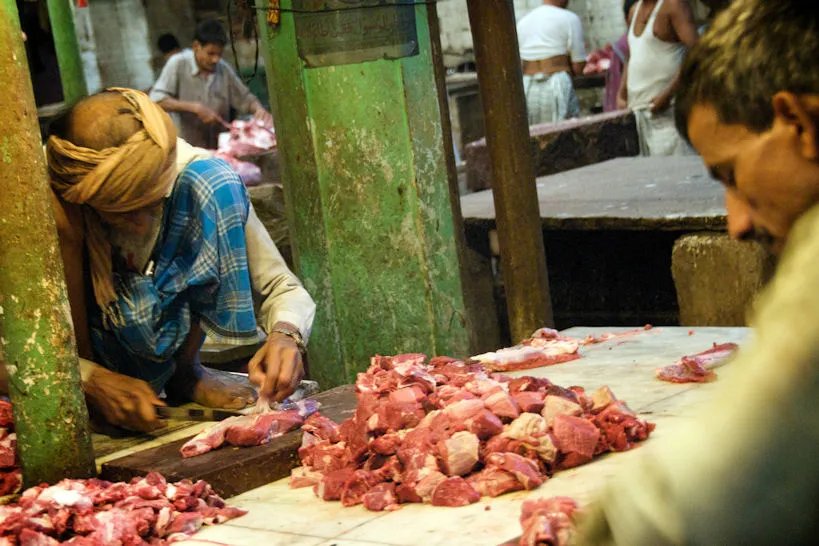
Fig.: पिशितम्
Kolkata = কলকাতা
(Image source: Details)
उपहार m.: offering, sacrifice, gift
मधु n.: honey, sweet drink, mead (honey wine)
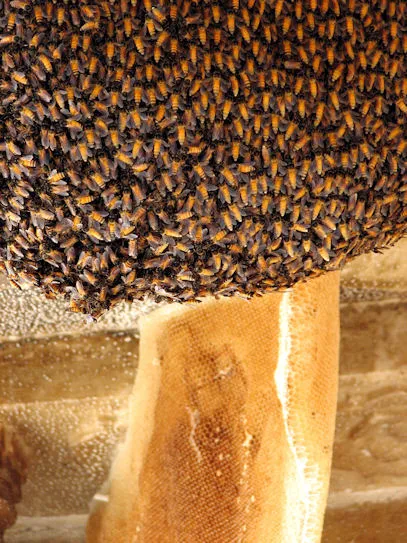
Fig.: मधु
City Palace, उदयपुर
(Image source: Details)
मांस n.: meat
मृगया f.: hunting
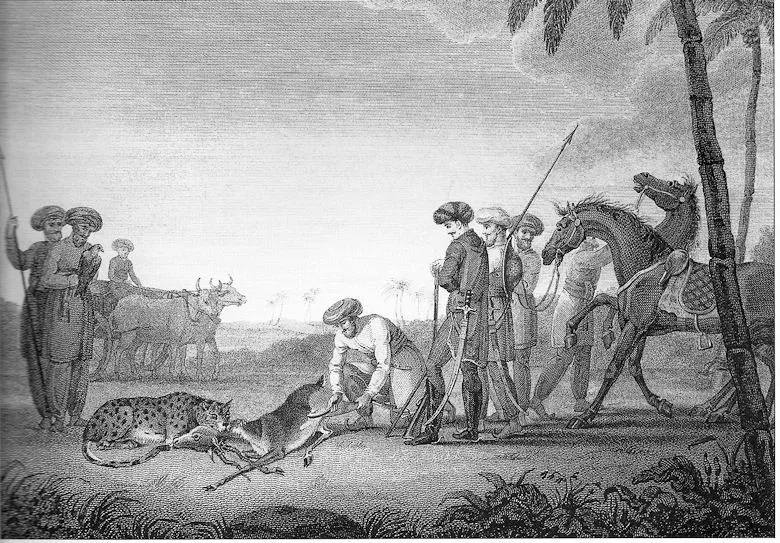
Fig.: मृगया
Hunting with चीता (Acinonyx jubatus venaticus) Gujarat = ગુજરાત, 1812
(Image source: Details)
शिवा f: (female) jackal (golden jackal = Canis aureus)
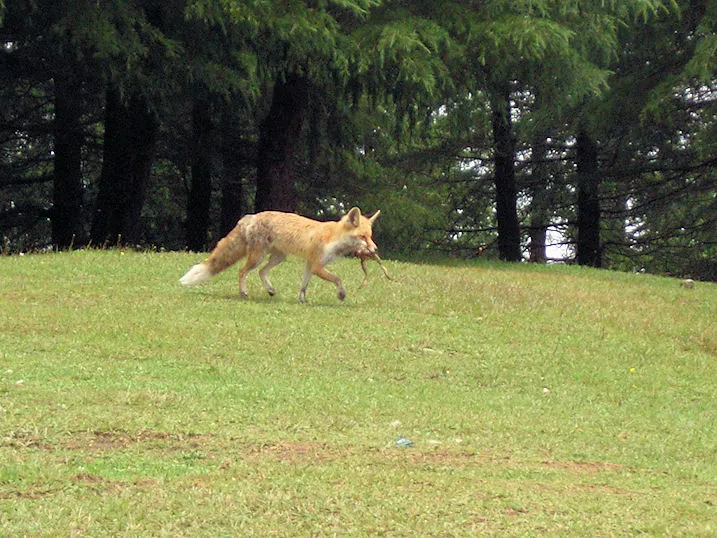
Fig.: शिवा
Canis aureus, Kalatop Khajjiar Sanctuary
(Image source: Details)
रुत n.: screaming
कौशिक m.: owl
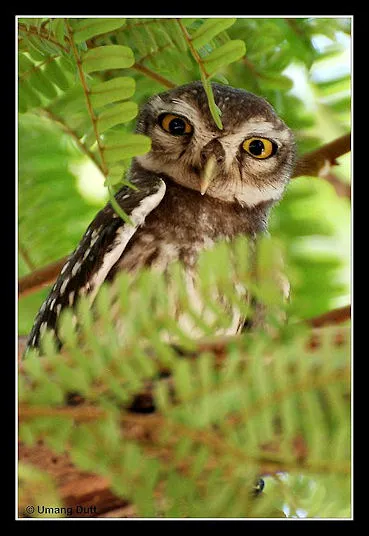
Fig.: कौशिकः
Brahma owl (Athene brama), Mahesana = મહેસાણા
(Image source: Details)
शकुनि m.: bird
श्वन् m.: dog
strong stem श्वान्
weak stem before vowel सुन्
weak stem before consonant श्व
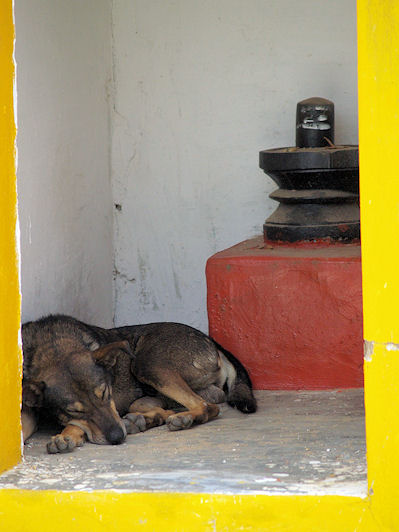
Fig.: श्वा लिङ्गं च
Karnataka = ಕರ್ನಾಟಕ
(Image source: Details)
परिचित 3: familiar, known
अटवी f.: forest
शून्य 3: empty, desolate
आपान(क) n.: drinking bout
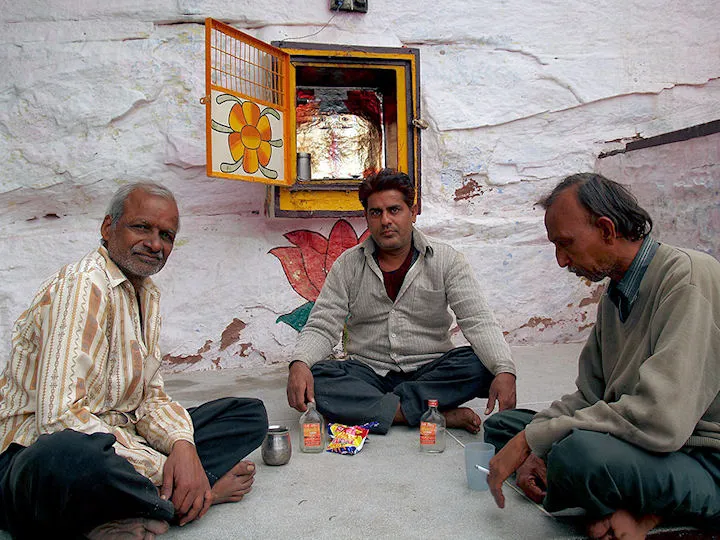
Fig.: आपानकम्
जोधपुर
(Image source: Details)
क्रूर 3: raw, cruel
दिह् 2U देग्धि, दिग्धे : to smear, to anoint
Perf. II दिदेह
Fut. धेक्ष्यति
Pass. दिह्यते
Caus. देहयति
PPP दिग्ध
विष n.: Poison
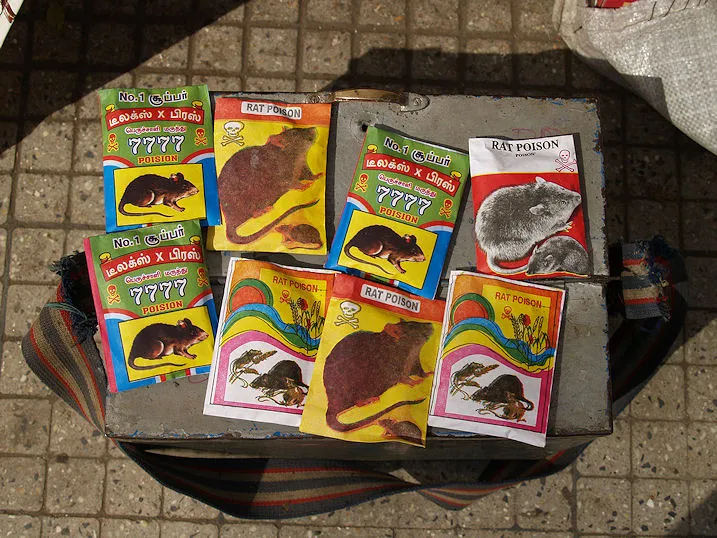
Fig.: मूषिकाविषाणि
Bangalore = ಬೆಂಗಳೂರು
(Image source: Details)
भुजंग m.: Snake
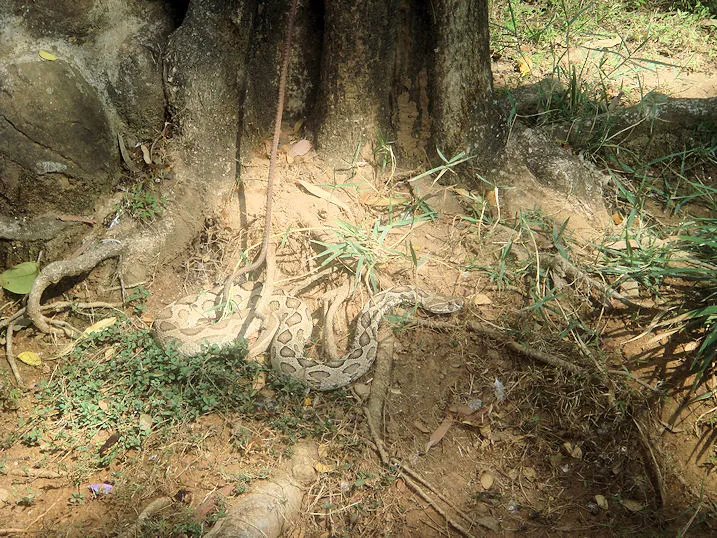
Fig.: भुजंगः
Russell's viper (Daboia russelii), Bangalore = ಬೆಂಗಳೂರು
(Image source: Details)
सायक m.: Arrow
उत्साद m.: Destruction
कलत्र Neuter: Wife, female
बन्दी f.: Captive, plunder
योषित् f.: young woman, girl
शार्दूल m. = व्याघ्र m.
रुधिर n.: Blood
अर्चन n. अर्चना f. = पूजा f.
बलि m.: Payment, donation, tribute
मणि m.: Jewel
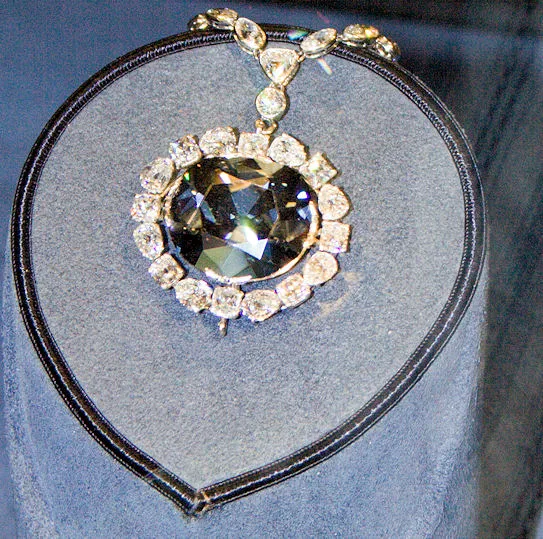
Fig.: मणिः
Hope Diamond from Guntur = ಗುಂತೂರು, today Smithsonian Museum of Natural History, Washington DC
(Image source: Details)
वन n.: Forest
मद m.: also "must" of an elephant (in Musth)
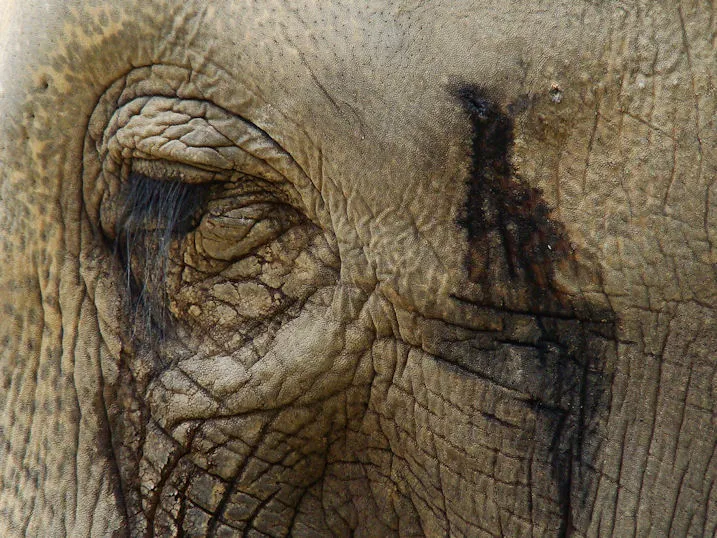
Fig.: मदः
(Image source: Details)
राग m.: also: color, red color
कालन n.: Forest
खन् 1U खनति : to dig
Perf. चखान, चखने
Fut. खनिष्यति
Caus. खानयति
PPP खात
Absol. खनित्वा । खात्वा
चिन्त् 10 चिन्तयति : to think, to ponder
शबर .: Proper name of a non-Aryan tribe
51.7. Translation Exercise
१. कौटिलीयार्थशास्त्र १, ३, ९ - १२ आश्रमधर्मः
गृहस्तस्य स्वधर्माजीवस्तुल्यैरसमानार्षिभिर्वैवाह्यमृतुगामित्वं देवपित्रातिथिपूजा भृत्येषु त्यागः शेषभोजनं च ।९।
ब्रह्मचारिणः स्वाध्यायो ऽग्निकार्याभिषेकौ भैक्षाव्रतित्वमाचार्ये प्राणान्तिकी वृत्तिस्तदभावे गुरुपुत्रे सब्रह्मचारिणि वा ।१०।
वानप्रस्थस्य ब्रह्मचर्यं भूमौ शय्या जाटाजिनधारणमग्निहोत्राभिषेकौ देवतापित्रतिथिपूजा वन्यश्चाहारः ।११।
प्रव्राजकस्य जितेन्द्रियत्वमनारम्भो निष्किंचनत्वं सङ्गत्यागो भैक्षाव्रतमनेकत्रारण्ये च वासो बाह्याभ्यन्तरं च शौचम् ॥१२॥
Explanation: -अभिषेकौ Nom.Acc.Voc.Dual.masc. (Dualdvandva)
२. कौटिलीयार्थशास्त्र १, ३, १६ - १७ On the necessity of respecting the वर्नाश्रमधर्म
तस्मात्स्वधर्मं भूतानाम्
राजा न व्यभिचारयेत् ।स्
स्वधर्मं संदधानो हि
प्रेत्य चेह च नन्दति ॥१६॥
व्यवस्थितार्यमर्यादः
कृतवर्णाश्रमस्थितिः ।
त्रय्याभिरक्षितो लोकः
प्रसीदति न सीदति ॥१७॥
३. बाण (7th cent. CE): कादम्बरी ed. K.P. Parab, 1896, p. 65ff.: Reflections of the parrot वैशम्पायन on the life of a hunter:
आसीच्च मे मनसि -- अहो मोहप्रायमेतेषां जीवितं साधुजनगर्हितं च चरितम् । तथा हि । पुरुषपिशितोपहारे धर्मबुद्धिः , अहारः साधुजनगर्हितो मधुमांसादिः , श्रमो मृगया , शास्त्रं शिवारुतम् , समुपदेष्टारः सद्सतां कौशिकाः , प्रज्ञा शकुनिज्ञानम् , परिचिताः श्वानः , राज्यं शून्यास्वटवीषु , आपानकमुत्सवः , मित्राणि क्रुरकर्मसाधनानि धनूंषि , सहाया विषदिग्धमुखा भुजंगा इव सायकाः , गीतमुत्सादकारि मुग्धमृगाणाम् , कलत्राणि बन्दीगृहीताः परयोषितः , क्रूरात्मभिः शार्दूलैः सह संवासः , पशुरुधिरेण देवतार्चनम् , मांसेन बलिकर्म , चौर्येण जीवनम् , भूषणानि भुजंगमणयः , वनकरिमदैरङ्गरागः , यस्मिन्नेव कानने निवसन्ति तदेवोत्ख्यातमूलमशेषतः कुर्वत इति चिन्तयत्येव मयि शबरसेनापतिः समुपाविशत् ॥
४. Commentary of the भानुचन्द्र (16th century) on the preceding section of the कादम्बरी (this exercise should be translated under the guidance of a teacher. If such a teacher is not available, it may be skipped)
आसीच्चेति । मे मम मनसि चित्त आसीद्बभूव । खेद इति शेषः । तदेव दर्शयति -- अहो इत्यादिना । अहो इत्याश्चर्ये । एतेषां भिल्लानां जीवितं प्राणितं मोहो ऽज्ञानं प्रायं प्रचुरं यत्र तादृशम् । चः पुनरर्थे । चरितमाचरणं साधुजनैः सज्जनजनैर्गर्हितं निन्दितम् । तदेव विशेषतो दर्शयति -- तथा हीति । पुरुषेति । पुरुषस्य पुंसो यत्पिशितं मांसं तस्य य उपहारो भगवत्यै नैवेद्यदर्शनं तस्मिन्धर्मबुद्धिः श्रेयोधीः । आहार इति । आहारः प्रत्यवसानं साधुजनैर्गर्हितो निन्दितो मधुमांसादिर्मधुः मद्यं माक्षिकं वा । मांसं प्रतीतम् । ते आदौ यस्येति बहुव्रीहिः । आदिशब्दात्कन्दादिपरिग्रहः । श्रम इति । श्रमः शक्तिसाधनायासो मृगयाखेटकः । शास्त्रमिति । शिवा सृगाली तस्य रुतं शब्दितं शास्त्रमुच्चस्वरवेदपाठः । प्रबोधजनकत्वसाम्यात्तदुपमानम् । सदिति । सदसतां शुभाशुभानां समुपदेष्टारो बोधकाः कौशिका उलूकाः । प्रज्ञेति । शकुनयः पत्त्रिणस्तेषां स्थूलमहत्त्वादिना ज्ञानं तदेव प्रज्ञा विवेकबुद्धिः । परीति । श्वानः सारमेयाः परिचिता विश्वासपालत्राणि । राज्यमिति । शून्यासु जनरहितासु विन्ध्याटवीषु राज्यं स्वामित्वम् । आपानकेति । उत्सवः संतुष्टिकार्यं तदेवापानमेवापानकम् । स्वार्थे कः । पानगोष्ठिका । मित्राणीति । क्रूरं यत्कर्म तत्साधनानि तद्धेतुभूतानि धनूंष्येव चापान्येव मित्राणि सहृदः । हितचिन्तकानीति यावत् । सहाया इति । विषेण दिग्धं मुखमाननं येषामेवंविधाः सायका बाणास्त एव सहाया इष्टकार्यकर्तृत्वात्साहाय्यकारिणः । क इव । भुजंगाः सर्पा इव । एतेषां विषदिग्धमुखत्वं स्वाभाविकम् । तेषामौपाधिकमिति भावः । गीतमिति । मुग्धा अनभिज्ञा ये मृगा हरिणास्तेषामुत्साहकारि स्तब्धताविधायि गीतं गानम् । कलत्रेति । परयोषितो ऽन्यस्त्रिय एव बन्दी ग्रहकस्तद्रूपत्वेन गृहीताः स्त्रीकृताः कलत्राणि स्वपत्न्यः । क्रूरेति । क्रूरात्मभिर्दुष्टात्मभिः शार्दुलैश्चित्रकैः समं संवासः सहावस्थानम् । पश्वेति । पशवो महिषास्तेषां रुधिरेण रक्तेन देवतार्चनं देवपूजनम् । मांसेनेति । मांसेन पिशितेन बलिर्हन्तकरस्तत्कर्म तत्कृत्यम् । चौर्येणेति । चौर्येण परद्रव्यापहारेण जीवनं प्राणधारणम् । भूषणनीति । भूषणान्याभरणानि भुजंगमणयः सर्परत्नानि । पर्वतवासित्वात्तेषां ते सुलभा इति भावः । वनेति । वनकरिणामरण्यहस्तिनां मदैर्दानवारिभिरङ्गरागो विलेपनम् । यस्मिन्निति । अनिर्दिष्टनामनि कानने वने निवसन्ति निवासं कुर्वन्ति तदेव काननमशेषतः समग्रत उत्खातमुत्पाटितं मूलं मध्यभागो यस्यैवंभूतं कुर्वते विदधत इति पूर्वोक्तप्रकारेण मयि चन्तयति ध्यायति सत्येव ... ॥
lekt5101: ज्ञानेन्द्र वीर बिक्रम शाह, नेपालस्यान्तिमो राजा (2001 - 2008) [Image source: kanjiroushi. -- http://www.flickr.com/photos/kanjiroushi/321594765/. -- Accessed on 2009-01-13. -- Creative Commons License (Attribution)]
lekt5103: भरतपुर, राजस्थान [Image source: jeffmcneill. -- http://www.flickr.com/photos/jeffmcneill/83251043/. -- Accessed on 2009-01-13. -- Creative Commons License (Attribution)]
lekt5102: नेपाल [Image source: amanderson2. -- http://www.flickr.com/photos/amanderson/2420198291/. -- Accessed on 2009-01-13. -- Creative Commons License (Attribution)]
lekt5104: पुष्कर [Image source: calamur. -- http://www.flickr.com/photos/gargi/360186369/. -- Accessed on 2009-01-13. -- Creative Commons License (Attribution, Non-commercial, No derivatives)]
lekt5105: [Image source: Wikipedia, public domain]
lekt5107: ऋषिकेश [Image source: EyalNow. -- http://www.flickr.com/photos/eyalnow/351734123/. -- Accessed on 2009-01-13. -- Creative Commons License (Attribution, Non-commercial, Share alike)]
lekt5108: Kolkata = কলকাতা [Image source: nicolas - نِيقُولاَوُسَ. -- http://www.flickr.com/photos/keep-on-moving/2994878670/. -- Accessed on 2009-01-13. -- Creative Commons License (Attribution, Non-commercial, Share alike)]
lekt5109: City Palace, उदयपुर [Image source: abrinsky. -- http://www.flickr.com/photos/abrinsky/457940260/. -- Accessed on 2009-01-13. -- Creative Commons License (Attribution, Non-commercial, Share alike)]
lekt5110: Hunting with चीता (Acinonyx jubatus venaticus) Gujarat = ગુજરાત, 1812 [Image source: Wikipedia. Public domain]
lekt5111: Canis aureus, Kalatop Khajjiar Sanctuary [Image source: gautamnguitar. -- http://www.flickr.com/photos/gautamnguitar/2181211040/. -- Accessed on 2009-01-13. -- Creative Commons License (Attribution, Non-commercial, No derivatives)]
lekt5112: Brahma-Kauz (Athene brama), Mahesana = મહેસાણા [Image source: Umang Dutt. -- http://www.flickr.com/photos/snapflickr/2790757825/. -- Accessed on 2009-01-13. -- Creative Commons License (Attribution, Non-commercial, No derivatives)]
lekt5113: Karnataka = ಕರ್ನಾಟಕ [Image source: mattlogelin. -- http://www.flickr.com/photos/mattlogelin/150316450/. -- Accessed on 2009-01-13. -- Creative Commons License (Attribution, Non-commercial)]
lekt5114: जोधपुर
lekt5115: Bangalore = ಬೆಂಗಳೂರು [Image source: mattlogelin. -- http://www.flickr.com/photos/mattlogelin/387955362/. -- Accessed on 2009-01-13. -- Creative Commons License (Attribution, non-commercial use)]
lekt5116: Russell's viper (Daboia russelii), Bangalore = ಬೆಂಗಳೂರು [Image source: teemus. -- http://www.flickr.com/photos/teemus/455664680/. -- Accessed on 2009-01-13. -- Creative Commons License (Attribution, non-commercial use, share alike)]
lekt5118: Hope Diamond from Guntur = ಗುಂತೂರು, today Smithsonian Museum of Natural History, Washington DC [Image source: David Bjorgen / Wikipedia. GNU FDL License]
lekt5117: [Image source: muzina_shanghai. -- http://www.flickr.com/photos/muzina_shanghai/2408592293/. -- Accessed on 2009-01-13. -- Creative Commons License (Attribution, non-commercial use, share alike)]