
Exercise 36
A) Form both the reduplicated and the periphrastic perfect forms for the following forms:
| Present | Reduplicated | Periphrastic |
|---|---|---|
| १. बिभ्रते | बभ्रिरे | बिभरां चक्रिरे / -आसुः / -बभूवुः |
| २. बिभ्यति | बिभ्युः | बिभयां चक्रुः / -आसुः / -बभूवुः |
| ३. जुहोति | जुहाव | जुहवां चकार / -आस / -बभूव |
| ४. वेत्ति | विवेद | विदां चकार / -आस / -बभूव |
B) Form the periphrastic perfect for the root आस् (to sit):
| Present | Periphrastic Perfect |
|---|---|
| १. आस्ते | आसां चकre / -आस / -बभूव |
| २. आसते | आसां चक्रिरे / -आसुः / -बभूवुः |
C) Form the corresponding perfect for the following forms:
| Present / Imperfect | Perfect |
|---|---|
| १. जीयते | जिग्ये |
| २. विदन्ति | विदुः / विविदुः / विदां चक्रुः |
| ३. विन्दति | विवेद |
| ४. त्याजयिष्यति | त्याजयां चकार / -आस |
| ५. ऐक्षन्त | ईक्षां चक्रिरे / -आसुः |
| ६. अगापयत् | गापयां चकार / -आस |
| ७. अपद्यन्त | पेदिरे |
| ८. चिनोति | चिकाय / चिचाय |
| ९. हन्ति | जघान |
| १०. प्रभविष्यन्ति | प्रबभूवुः |
| ११. क्रामन्ति | चक्रमुः |
| १२. प्राव्रजन् | प्रवव्रजुः |
| १३. त्यक्ष्यति | तत्याज |
Translations
१. पुत्रे जाते सुगतः कुलं धनं च तत्याजागाराच्चानगर्यं प्रवव्राज । बुद्ध्यार्यसत्यानि प्रज्ञाय प्रज्ञया च दुःखान्मुक्तो मोक्तुकामार्यजनान्बोधयामासेति भिक्षव आहुः ॥१॥
When a son was born to him, the Enlightened One left family and property and went forth from home to homelessness. He recognized the Noble Truths with his mind, was liberated through the knowledge of suffering, and brought noble people who desired liberation to insight — thus report the monks.
२. ब्राह्मणा महादेवयज्ञायाग्निं चिक्यिरे । ब्राह्मणेष्विन्द्रादिदेवान्स्तुवत्स्वग्निर्यज्ञान्नमाश । एवं यज्ञen ब्राह्मणा महादेवैरादयां चक्रुस्तांश्च स्तोत्रानि श्रावयां बभूवुः ॥२॥
The Brāhmaṇas piled up a fire for the great sacrifice to the gods. While the Brāhmaṇas praised Indra and the other gods, the sacrificial fire consumed the food. Thus the Brāhmaṇs caused the great gods to eat through the sacrifice, and had them hear hymns of praise.
३. रक्षितधर्मक्षत्रिययोधा महानगरं जेतुकामाञ्छत्रून्विजिग्युर्न तु जघ्नुः ॥३॥
The Kṣatriya warriors, who guarded righteousness, defeated the enemies who wanted to conquer the great city, but they did not kill them.
४. अधीतवेदद्विजो द्विजधर्मं वेद ॥४॥
A twice-born person who has studied the Veda knows the righteousness and custom of the twice-born.
५. विद्ययैव जीवितुं न शक्यते । य एवं विदुर्नाधीयीरन् ॥५॥
One cannot live solely from science. Whoever knows this should not study.
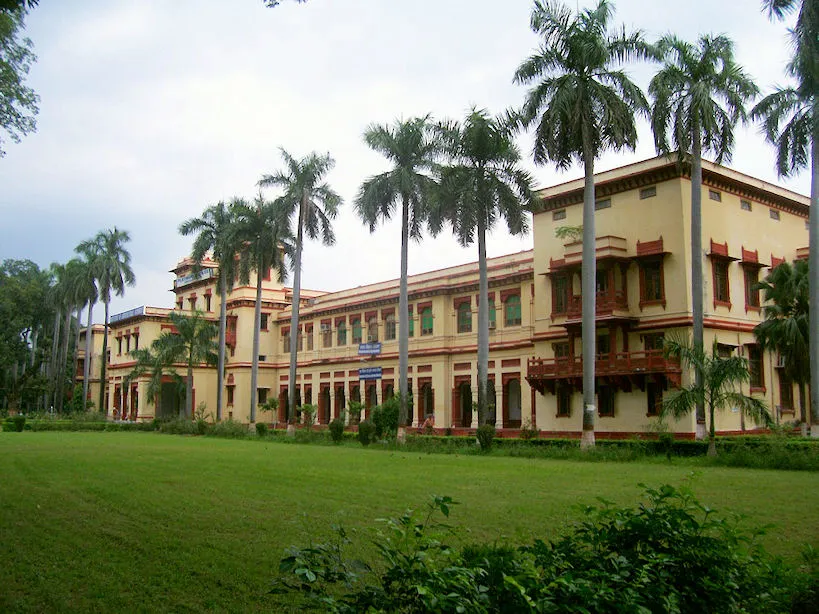
Fig.: विद्ययैव जीवितुं न शक्यते
(Image source: Details)
Scholarly Fragments
१. महाभारत १३.७.२५-२६
येन प्रीणति पितरं तेन प्रीतः प्रजापतिः ।
प्रीणति मातरं येन पृथिवी तेन पूजिता ॥
येन प्रीणात्युपाध्यायं तेन स्याद्ब्रह्म पूजितम् ।
सर्वे तस्यादृता धर्मा यस्यैते त्रय आदृताः ।
अनादृतास्तु यस्यैते सर्वास्तस्याफलाः क्रियाः ॥
By which one pleases one's father, by that the Creator is pleased; by which one pleases one's mother, by that the Earth is honored; by which one pleases the teacher, by that the Veda is honored. Whoever esteems these three, esteems all regulations; whoever does not esteem these, all his actions are fruitless.
२. मनुस्मृति ४.१५४ (Behavior towards the Elderly)
अभिवादयेद्वृद्धांश्च दद्याच्चैवासनं स्वकम् ।
कृताञ्जलिरुपासीत गच्छतः पृष्ठतो ऽन्वियात् ॥
One should greet the elderly in a proper manner, yield one's seat to them, and stand before them with folded hands. When an elderly person departs, one should follow him.
३. मनुस्मृति २.९८ (Control of the Senses)
श्रुत्वा स्पृष्ट्वा च दृष्ट्वा च भुक्त्वा घ्रात्वा च यो नरः ।
न हृष्यति ग्लायति वा स विज्ञेयो जितेन्द्रियः ॥
If a man neither rejoices nor grieves, when he hears, touches, sees, tastes, or smells, then he is considered one who has conquered his senses (जितेन्द्रियः).
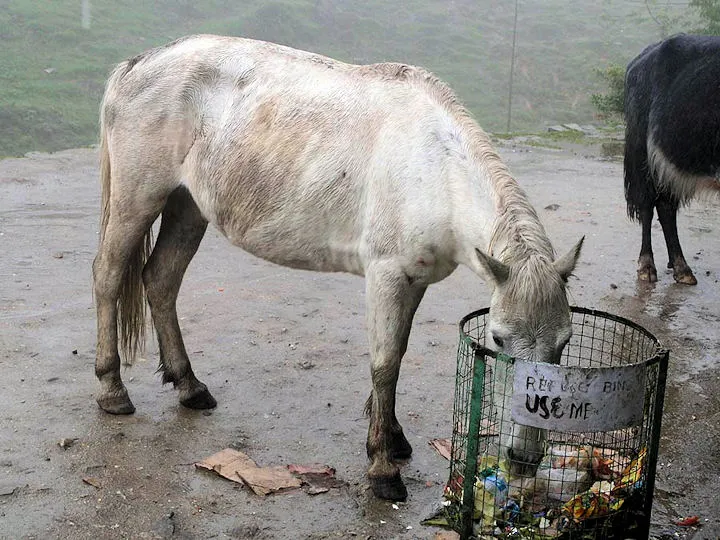
Fig.: भुक्त्वा घ्रात्वा च न हृष्यति ग्लायति वा
(Image source: Details)
Word Form Determination
Determine and translate the following word forms:
| Word Form | Determination | Meaning |
|---|---|---|
| १. नयति | नी (1U) 3. sg. P. Ind. Pres. | he leads |
| २. समस्कुर्वन् | सम्-कृ (8U) 3. pl. P. Impf. | they prepared |
| ३. स्यात् | अस् (2P) 3. sg. P. Opt. Pres. | he would be / should be |
| ४. यस्याम् | यद् Loc. sg. f. | in which |
| ५. अधीयते | अधि-इ (2Ā) 3. pl. Ā. Ind. Pres. | they study |
| ६. प्रोचुः | प्र-वच् (2P) 3. pl. P. Perf. | they proclaimed |
| ७. समादधाति | सम्-आ-धा (3U) 3. sg. P. Ind. Pres. | he concentrates himself |
| ८. हरेः | हरि (m.) Abl./Gen. sg. | of/from the Yellow (Hari) |
| ९. हरे | हर (m.) Loc. sg. | in Śiva (Hara) |
| १०. हरेत् | हृ (1U) 3. sg. P. Opt. Pres. | he would take |
| ११. जह्रे | हृ (1U) 3. sg. Ā. Perf. | he took for himself |
| १२. आक्रीणीत | आ-क्री (9U) 3. sg. Ā. Opt. | he would buy |
| १३. व्यक्रियत | वि-कृ (8U) 3. sg. Pass. Impf. | it was changed |
| १४. प्राजहुः | प्र-हा (3P) 3. pl. P. Impf. | they left |
| १५. प्रजहुः | प्र-हा (3P) 3. pl. P. Perf. | they have left |
| १६. ददे | दा (3U) 3. sg. Ā. Perf. | he gave for himself |
| १७. दत्ते | दा (3U) 3. sg. Ā. Ind. Präs. | he gives for himself |
| १८. हिते | धा (3U) PPP Lok. sg. m./n. | in the ordained |
| १९. हीयते | हा (3P) 3. sg. Pass. Ind. Präs. | he is abandoned |
| २०. जज्ञे | ज्ञा / जन् 3. sg. Ā. Perf. | he recognized / was born |
| २१. यज्ञे | यज्ञ (m.) Lok. sg. | in the sacrifice |
| २२. तेन | तद् Instr. sg. m./n. | through this |
| २३. तेने | तन् (8U) 3. sg. Ā. Perf. | he stretched out |
| २४. ततः | तन् (8U) PPP Nom. sg. m. | stretched out / (Adv.) upon it |
| २५. सतः | अस् (2P) Part. Präs. P. Gen. sg. | of the Being |
| २६. जगौ | गै (1P) 3. sg. P. Perf. | he sang |
| २७. पशौ | पशु (m.) Lok. sg. | with the animal |
| २८. मेने | मन् (4Ā) 3. sg. Ā. Perf. | he thought |
| २९. माने | मान (m./n.) Lok. sg. | in pride / in measure |
| ३०. एतस्मात् | एतद् Abl. sg. m./n. | from this |
| ३१. तया | तद् Instr. sg. f. | through them |
| ३२. लेभिरे | लभ् (1Ā) 3. pl. Ā. Perf. | they received |
| ३३. ओषुः | आ-वस् (1P) 3. pl. P. Perf. | they dwelt with |
| ३४. व्यानक् | वि-अञ्ज् (7P) 3. sg. P. Impf. | he revealed |
| ३५. युङ्क्ते | युज् (7U) 3. sg. Ā. Ind. Präs. | he connects for himself |
| ३६. अपिबत् | पा (1P) 3. sg. P. Impf. | he drank |
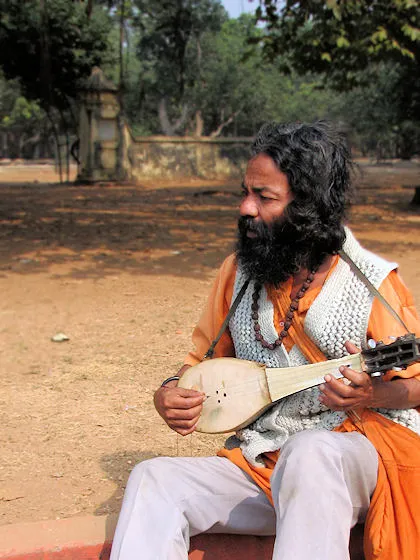
Fig.: जगौ
(Image source: Details)