
Exercise 52
१. मनुस्मृति ४, १५९ - १६१
यद्यत्परवशं कर्म तत्तद्यत्नेन वर्जयेत् ।
यद्यदात्मवशं तु स्यात्तत्तत्सेवेत यत्नतः ॥ १५९ ॥
One should diligently avoid every act based on another's will; but what proceeds from one's own will, one should diligently cultivate.
सर्वं परवशं दुःखं सर्वमात्मवशं सुखम् ।
एतद्विद्यात्समासेन लक्षणं सुखदुःखयोः ॥ १६० ॥
Everything based on another's will is painful; everything based on one's own will is bliss. This should be known comprehensively as the characteristic of bliss and pain.
यत्कर्म कुर्वतो ऽस्य स्यात्परितोषो ऽन्तरात्मनः ।
तत्प्रयत्नेन कुर्वीत विपरीतं तु वर्जयेत् ॥ १६१ ॥
That which, when done, leads to inner satisfaction, that one should diligently do; the opposite, one should refrain from.
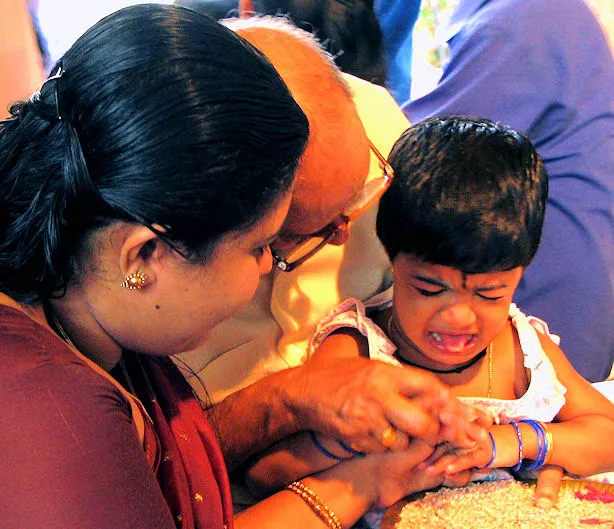
Fig.: सर्वं परवशं दुःखम्
(Image source: Details)
२. मनुस्मृति २, ६: On the Sources of धर्म
वेदो ऽखिलो धर्ममूलं स्मृतिशीले च तद्विदाम् ।
आचारश्चैव साधूनामात्मनस्तुष्टिरेव च ॥ ६ ॥
The root of Dharma is:
- the entire Veda
- the tradition and the custom of the Veda-scholars
- the conduct of the good
- the contentment of the soul
३. कौटिलीयार्थशास्त्र १, ७, २ - ७: On अर्थ, काम, धर्म in the Life of the Prince
एवं वश्येन्द्रियः परस्त्रीद्रव्यहिंसाश्च वर्जयेत्, स्वप्नं लौल्यमनृतमुद्धतवेषत्वमनर्थ्यसंयोगमधर्मसंयुक्तमनर्थसंयुक्तं च व्यवहारम् ॥ २ ॥
धर्मार्थाविरोधेन कामं सेवेत, न निःसुखः स्यात् ॥ ३ ॥
समं वा त्रिवर्गमन्योन्यानुबद्धम् ॥ ४ ॥
एको ह्यत्यासेवितो धर्मार्थकामानामात्मानमितरौ च पीदयति ॥ ५ ॥
अर्थ एव प्रधान इति कौटिल्यः ॥ ६ ॥
अर्थमूलौ हि धर्मकामाविति ॥ ७ ॥
Thus, let him keep his senses under control, avoid other men's women, other men's property, and violence, and avoid sleep, lust, falsehood, frivolity, uselessness, and unjust or useless business. Let him indulge in pleasure without thereby disturbing righteousness and purposeful conduct; let him not be joyless. Or let him cultivate equally all three goals of life, which are interconnected. For if one excessively devotes oneself to one of righteousness and custom, purposeful conduct, and pleasure, then that oppresses the soul and the other two goals. Kauṭilya says that purposeful conduct (Artha) is the most important. For righteousness and custom as well as pleasure are rooted in purposeful action.
४. अश्वघोष (२. Cent. CE): बुद्धचरित ४
Buddha's liberating insight:
ततो मारबलं जित्वा धैर्येण च शमेन च ।
परमार्थं विजिज्ञासुः स दद्ध्यौ ध्यानकोविदः ॥ १ ॥
Having defeated Māra's army with firmness and calm, the one experienced in meditation wished to fully recognize the highest truth and reality and meditated.
सर्वेषु ध्यानविधिषु प्राप्य चैश्वर्यमुत्तमम् ।
सस्मार प्रथमे यामे पूर्वजन्मपरंपराम् ॥ २ ॥
He attained the highest mastery in all meditation methods and, in the first watch of the night, recalled the uninterrupted sequence of his rebirths.
अमुत्राहमयं नाम च्युतस्तस्मादिहागतः ।
इति जन्मसहस्राणि सस्मारानुभवन्निव ॥ ३ ॥
"There I was named so-and-so; having departed from there, I came here" – thus he recalled thousands of births, as if he were experiencing them just now.
स्मृत्वा जन्म च मृत्युं च तासु तासूपपत्तिषु ।
ततः सत्त्वेषु कारुण्यं चकार करुणात्मकः ॥ ४ ॥
Having thus recalled birth and death in these various existences, he unfolded compassion towards beings, he whose nature is compassion.
कृत्वेह स्वजनोत्सर्गं पुनरन्यत्र च कृत्वा ।
अत्राणः खलु लोको ऽयं परिभ्रमति चक्रवत् ॥ ५ ॥
Truly, this world is without refuge and wanders around like a wheel: it releases its creatures here and then again there.
इत्येवं स्मरतस्तस्य बभूव नियतात्मनः ।
कदलीगर्भनिःसारः संसार इति निश्चयः ॥ ६ ॥
Having thus recalled with a resolute heart, he arrived at firm realization: The course of rebirths is without marrow and core, like the interior of a banana plant.
द्वितीये त्वागते यामे सो ऽद्वितीयपराक्रमः ।
दिव्यं लेभे परं चक्षुः सर्वचक्षुष्मतां वरः ॥ ७ ॥
When the second watch of the night had come, he, whose power is like that of no second, received the highest heavenly eye, he the best of all who have an eye.
ततस्तेन स दिव्येन परिशुद्धेन चक्षुषा ।
ददर्श निखिलं लोकम् आदर्श इव निर्मले ॥ ८ ॥
Then, with this completely pure heavenly eye, he saw the entire world as in an flawless mirror.
सत्त्वानां पश्यतस्तस्य निकृष्टोत्कृष्टकर्मणाम् ।
प्रच्युतिं चोपपत्तिं च ववृधे करुणात्मता ॥ ९ ॥
Seeing the passing away and arising of beings who had good or bad karma, compassion grew in his heart.
इमे दुष्कृतकर्माणः प्राणिनो यान्ति दुर्गतिम् ।
इमे ऽन्ये शुभकर्माणः प्रतिष्ठन्ते त्रिविष्टपे ॥ १० ॥
"These beings, who have committed evil deeds, go into a bad existence; these others, who have good karma, arise again in Indra's heaven."

Fig.: कदलीगर्भनिःसारः
(Image source: Details)