
Lesson 44
44.1. Formation of the 2nd person verbal forms (मध्यमः) of athematic stems with vocally ending suffix

The 3.sg. Ā. Imperfect is formally identical to the 2.pl. P. Imperfect!!!
44.1.1. Fifth Present Class (स्वादि)
सु 5U
| परस्मैपदम् | आत्मनेपदम् | |||
|---|---|---|---|---|
| एकवचनम् | बहुवचनम् | एकवचनम् | बहुवचनम् | |
| Indikativ Present लट् | सुनोषि Cerebralisation! | सुनुथ | सुनुषे Cerebralisation! | सुनुध्वे |
| Imperfect लङ् | असुनोस् | असुनुत | असुनुथास् | सुनुध्वम् |
| Optative विधिलिङ् | सुनुयास् | सुनुयात | सुन्वीथास् | सुन्वीध्वम् |
44.1.2. Eighth Present Class (तनादि)
तन् 8U
| परस्मैपदम् | आत्मनेपदम् | |||
|---|---|---|---|---|
| एकवचनम् | बहुवचनम् | एकवचनम् | बहुवचनम् | |
| Indikativ Present लट् | तनोषि | तनुथ | तनुषे | तनुध्वे |
| Imperfect लङ् | अतनोस् | अतनुत | अतनुथास् | अतनुध्वम् |
| Optative विधिलिङ् | तनुयास् | तनुयात | तन्वीथास् | तन्वीध्वम् |
कृ 8U
| परस्मैपदम् | आत्मनेपदम् | |||
|---|---|---|---|---|
| एकवचनम् | बहुवचनम् | एकवचनम् | बहुवचनम् | |
| Indikativ Present लट् | करोषि | कुरुथ | कुरुषे | कुरुध्वे |
| Imperfect लङ् | अकरोस् | अकुरुत | अकुरुथास् | अकुरुध्वम् |
| Optative विधिलिङ् | कुर्यास् | कुर्यात | कुर्वीथास् | कुर्वीध्वम् |
44.1.3. Ninth Present Class (क्र्यादि)
| परस्मैपदम् | आत्मनेपदम् | |||
|---|---|---|---|---|
| एकवचनम् | बहुवचनम् | एकवचनम् | बहुवचनम् | |
| Indikativ Present लट् | क्रीणासि | क्रीणीथ | क्रीणीषे Cerebralisation! | क्रीणीध्वे |
| Imperfect लङ् | अक्रीणास् | अक्रीणीत | अक्रीणीथास् | अक्रीणीध्वम् |
| Optative विधिलिङ् | क्रीणीयास् | क्रीणीयात | क्रीणीथास् krī + n + ī-thās | क्रीणीध्वम् krī + n + ī-dhvam |
44.2. On Word Sandhi
In the case of consonant-final present stems, the already discussed laws of word sandhi must be observed.
Furthermore, the following laws of word sandhi apply.
(A comprehensive compilation of all sound changes belonging here can be found in Kielhorn, Grammar pp. 76f.)
44.2.1. On Word Sandhi for dh-
- An aspirate is replaced by the corresponding non-aspirate before an aspirate:
e.g. रुध् 7U: रुन्ध् + ध्वे » रुन्द्ध्वे (runddhve) - -h + dh- » -gdh-
e.g. दुह् 2U: दुह् + ध्वे » धुग्ध्वे (dhugdhve) - -ṣ + dh- » -ḍḍh- (This rule applies only to conjugation!)
e.g. द्विष् 2U: द्विष् + ध्वे » द्विड्ढ्वे (dviḍḍhve) - -s + dh- » -dh- (Loss of -s)
e.g. आस् 2Ā: आस् + ध्वे » आध्वे (ādhve)
44.2.2. On the word-sandhi for s-
- -s + s- » -ts- or (not optionally!) -ss- (as in the 2nd Present class)
Examples:- वस् 1P: Future: वस् + स्य + ति » वत्स्यति (vatsyati)
- वस् 2Ā: वस् + से » वस्से (vasse)
- -ṣ + s- » -kṣ-
e.g. द्विष् 2U: द्वेष् + सि » द्वेक्षि (dvekṣi)
44.3. Formation of the verbal forms of the 2nd person (मध्यमः) athematic stems without vocally ending suffix
44.3.1. Second Present class (अदादि)
| परस्मैपदम् | आत्मनेपदम् | |||
|---|---|---|---|---|
| एकवचनम् | बहुवचनम् | एकवचनम् | बहुवचनम् | |
| Indikativ Present लट् | द्वेक्षि | द्विष्ठ | द्विक्षे | द्विड्ढ्वे |
| Imperfect लङ् | अद्वेट् a-dveṣ + s | अद्विष्ट | अद्विष्ठास् | द्विड्ढ्वम् |
| Optative विधिलिङ् | द्विष्यास् | द्विष्यात | द्विषीथास् | द्विषीध्वम् |
आस् 2Ā
| आत्मनेपदम् | ||
|---|---|---|
| एकवचनम् | बहुवचनम् | |
| Indikativ Present लट् | आस्से | आध्वे |
| Imperfect लङ् | आस्थास् | आध्वम् |
| Optative विधिलिङ् | आसीथास् | आसीध्वम् |
दुह् 2U
| परस्मैपदम् | आत्मनेपदम् | |||
|---|---|---|---|---|
| एकवचनम् | बहुवचनम् | एकवचनम् | बहुवचनम् | |
| Indikativ Present लट् | धोक्षि | दुग्ध | धुक्षे | धुग्ध्वे |
| Imperfect लङ् | अधोक् aus: adhokṣ | अदुग्ध | अदुग्धास् | अधुग्ध्वम् |
| Optative विधिलिङ् | दुह्यास् | दुह्यात | दुहीथास् | दुहीध्वम् |
इ 2P
| परस्मैपदम् | आत्मनेपदम् | |||
|---|---|---|---|---|
| एकवचनम् | बहुवचनम् | एकवचनम् | बहुवचनम् | |
| Indikativ Present लट् | एषि | इथ | <इषे> | <इध्वे> |
| Imperfect लङ् | ऐस् a + e + s | ऐत a + i + ta | ||
| Optative विधिलिङ् | इयास् | इयात | इयीथास् iy-ī-thās | इयीध्वम् |
| परस्मैपदम् | ||
|---|---|---|
| एकवचनम् | बहुवचनम् | |
| Indikativ Present लट् | हंसि han + si | हथ aus: *hn + ta |
| Imperfect लङ् | अहन् aus: a-han + s | अहत aus: a-*hn + ta |
| Optative विधिलिङ् | हन्यास् | हन्यात |
स्तु 2U
| परस्मैपदम् | आत्मनेपदम् | |||
|---|---|---|---|---|
| एकवचनम् | बहुवचनम् | एकवचनम् | बहुवचनम् | |
| Indikativ Present लट् | स्तौषि स्तवीषि | स्तुथ स्तुवीथ | स्तुषे स्तुवीषे | स्तुध्वे स्तुवीध्वे |
| Imperfect लङ् | अस्तौस् अस्तवीस् | स्तुत अस्तुवीत | अस्तुथास् अस्तुवीथास् | स्तुध्वम् अस्तुवीध्वम् |
| Optative विधिलिङ् | स्तुयास् स्तुवीयास् | स्तुयात स्तुवीयात | स्तुवीथास् stu + ī-thās | स्तुवीध्वम् |
अस् 2P (especially to be remembered!)
| परस्मैपदम् | ||
|---|---|---|
| एकवचनम् | बहुवचनम् | |
| Indikativ Present लट् | असि | स्थ |
| Imperfect लङ् | आसीस् | आस्त |
| Optative विधिलिङ् | स्यास् | स्यात |
तत्त्वमसि
शास् 2P
| परस्मैपदम् | ||
|---|---|---|
| एकवचनम् | बहुवचनम् | |
| Indikativ Present लट् | शास्सि | शिष्ठ |
| Imperfect लङ् | अशास् | अशिष्ट |
| Optative विधिलिङ् | शिष्यास् | शिष्यात |
| परस्मैपदम् | ||
|---|---|---|
| एकवचनम् | बहुवचनम् | |
| Indikativ Present लट् | अत्सि | अत्थ |
| Imperfect लङ् | 2.sg. आदस् 3.sg. आदत् | अत्त |
| Optative विधिलिङ् | अद्यास् | द्यात |
44.4. The Vocative (आमन्त्रितम्)
The indigenous grammarians do not consider the vocative (आमन्त्रितम्) to be an independent case, but only a modification of the nominative (प्रथमा).
The vocative serves for calling, addressing, and stands outside the context of the rest of the sentence, thus differing from the other cases, which express a relationship to the verb or to another noun.
Most often, the vocative is placed at the beginning of the sentence:
बाल किं वदसि = "Child, what are you saying?"
Avoid translating the vocative with "O ...". We constantly use vocatives in German when we say, for example: "Darling, what are we cooking today?". No one would say in this meaning: "O Darling, what are we cooking today?"
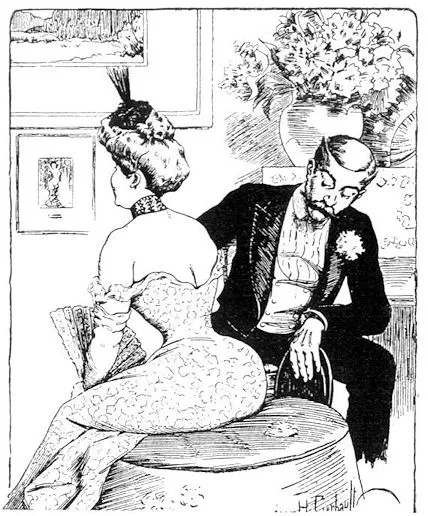
Fig.: Regarding the correct usage of "O" in German: "O Man!"
(Image source: Details)
The forms of the vocative plural and dual are identical to those of the nominative (प्रथमा) plural or dual.
The forms of the vocative singular are presented in Lesson 45.
44.5. Word List
प्रति Prefix: back, against, against - towards
e.g.
हन् + प्रति 2P प्रतिहन्ति : to strike back
वद् + प्रति 1P प्रतिवदति : to say back = to answer
ख्या + प्रति + आ 2P प्रत्याख्याति : to reject, to disdain
या 2P याति : to go, to travel
Perf. IV ययौ
Fut. यास्यति
Pass. यायते
Caus. यापयति
PPP यात
Inf. यातुम्
from which:
यान n.: going, path, vehicle
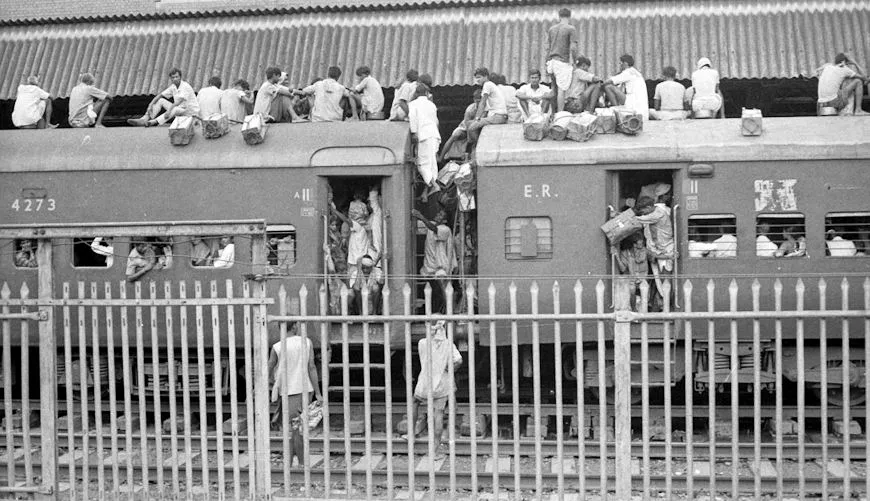
Fig.: रेल्यानम्
(Image source: Details)
शी 2Ā शेते : to lie. This root has in all forms of the present stem strong grade: 1.sg.Ind.Pres.Ā शेये (śe + e). The following forms are particularly noteworthy: 3.pl.Ind.Pres.Ā शेरते, 3.pl.Imperf.Ā अशेरत
Perf. IIIa शिश्ये (śi-śī + e)
Fut. शयिष्यते
Caus. शापयति
PPP शयित
Inf. शयितुम्
from which:
शयन n.: couch, bed
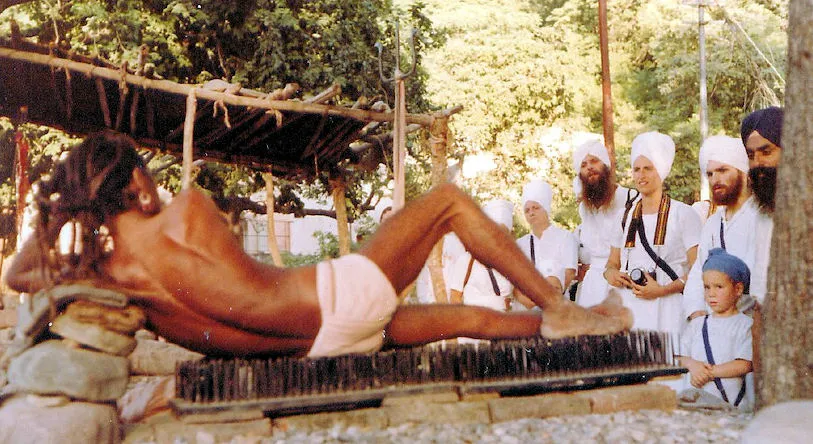
Fig.: योगी शयने शेते
(Image source: Details)
नन्द् 1P नन्दति : to rejoice in (तृतीयया)
Perf. I ननन्द
Fut. नन्दिष्यति
Pass.: नन्द्यते
Caus. नन्दयति
PPP नन्दित
Inf. नन्दितुम्
Absol. -नन्द्य
Gerundiv नन्द्य
thereof:
नन्दिन् 3: characterized by (special) joy, joyful; m. name of the mount (वहन) of the शिव (a bull)
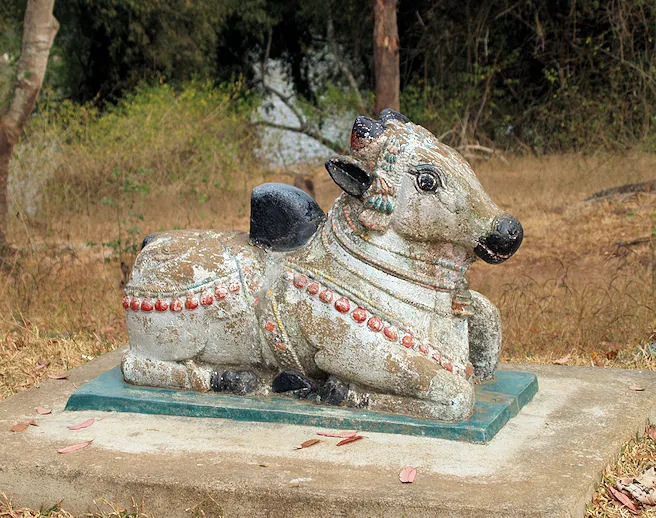
Fig.: नन्दी
(Image source: Details)
नन्द् + अभि 1P (1Ā) अभिनन्दति : to have one's joy in (द्वितीयया), to greet someone joyfully, to welcome
यम् 1P यच्छति : to hold, to carry; to offer, to grant; to hold together, to bind, to rein, to conquer
Perf. Vb ययाम, येमुर्
Fut. यंस्यति
Pass. यम्यते
Caus. यामयति but: नियमयति
PPP यत
Inf. यन्तुम्
Absol. -यम्य
यम् + आ 1U आयच्छति : to stretch, to extend
PPP आयत 3: stretched out long
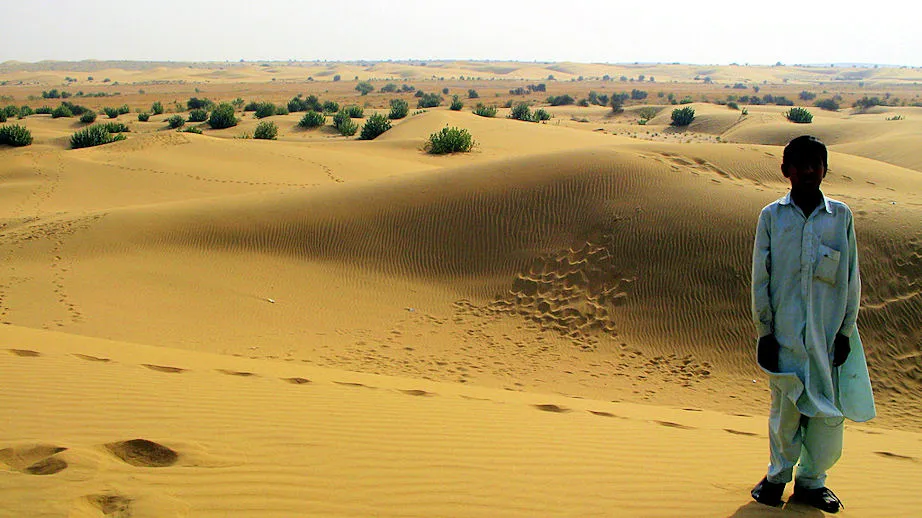
Fig.: आयतो मरुः
(Image source: Details)
यम् + प्र 1P प्रयच्छति : to offer, to present, to hand over
यम् + सम् 1P संयच्छति : to bind together, to tie up, to subdue
यत् 1Ā यतते : to strive for (सप्तमी, चतुर्थी, द्वितीया)
Perf. Vb येते
Fut. यतिष्यते
Pass. यत्यते
Caus. यातयति
PPP यत्त
Inf. यतितुम्
thereof:
यत्न m.: effort, exertion
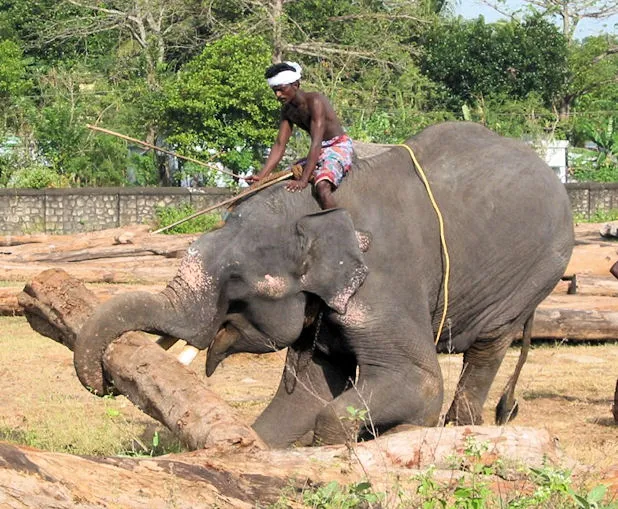
Fig.: यत्नेन
(Image source: Details)
रभ् 1Ā रभते (variant form to लभ्): to grasp
Perf. Vb रेभे
Fut. रप्स्यते
Pass. रभ्यते
Caus. रम्भयति
PPP रब्ध
Inf. रब्धुम्
Absol. -रभ्य
रभ् + आ 1Ā आरभते : to touch, to begin, to undertake
प्रव्रज्या f. (to प्र-व्रज्): the going forth from home into homelessness; ceremony by which one becomes a Buddhist novice (Pali: पब्बजा)
See:
Payer, Alois <1944 - >: Vinayamukha : Basic Concepts of the Monastic Rules and Monastic Law of the Theravāda. -- Part I. -- (Materials on the Basic Concepts of Buddhism). -- URL: http://www.payer.de/buddhgrund/vinaya01.htm
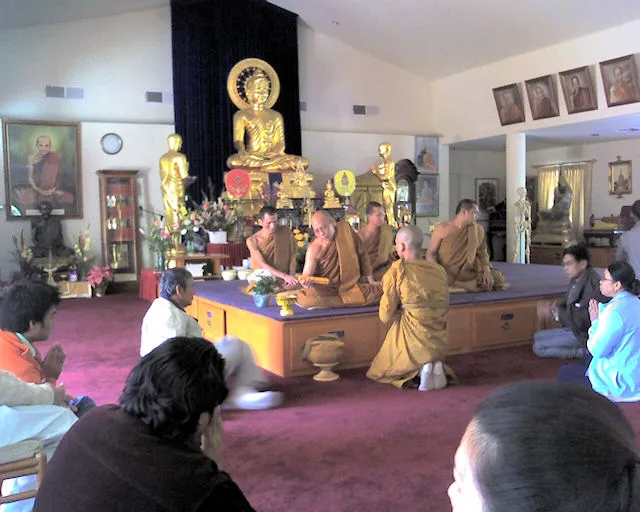
Fig.: प्रव्रअज्या / पब्बजा
(Image source: Details)
44.6. Exercise
A) Determine and translate the following forms:
- आदेः
- आदः
- अपुनाः
- पुनः
- आसीः
- आसि
- तन्वीथाः
- अध्यैथाः
- वित्थ
- वीतम्
- आध्वम्
- पाथ
- कथम्
- स्वपिषि
- अश्नीयात
- आश्नाः
- आश्नुवत
- यन्ति
- याथ
- यथा
- इयात
- शिष्ठ
- शिष्टः
- आध्वे
- अवक्
- स्थ
- तस्थौ
- बध्नीथ
- अशिष्ट
- धुक्षे
- धोक्ष्ये
- वध्वे
- अहन्
- आख्येयम्
- वदेयम्
- यामः
- येमिम
- शेरते
- द्विषीथाः
- कुरुथ
- आप्नुत
- विक्रीणीध्वम्
- सुन्मः
- रोदिषि
- अस्तवीः
- अशृणुत
- ब्रुवीध्वम्
- द्विड्ढ्वे
- शेकुः
- चिनुथ
- हथ
- हतः
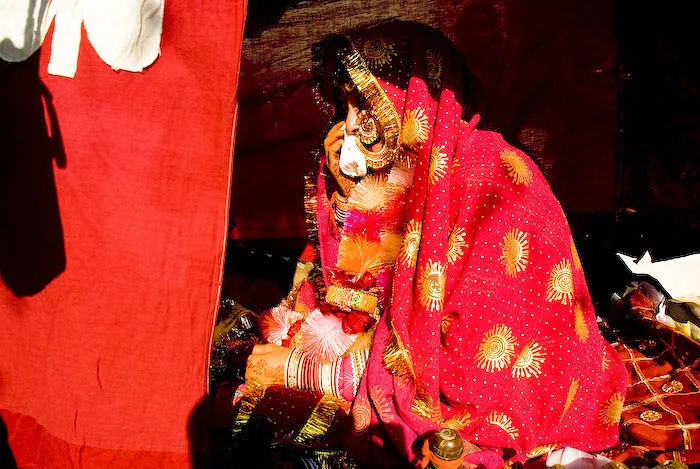
Fig.: कस्माद्रोदिषि
(Image source: Details)
B) Translate the following:
अक्रोधेन जयेत्क्रोधमसाधुं सधुना जयेज्जयेत्सत्येन चानृतम् ॥१॥
पुत्राः किं पितृभ्यः पिण्डान्प्रायच्छत ॥२॥
कानि शास्त्राणि काश्यामध्यैथाः ॥३॥
बुद्धपुत्राश्चेन्महाशयनेषु शयीरन्प्रव्रज्यायां कृतं व्रतं न चरेयुः ॥४॥
अप्यार्ययुद्धाख्यानमाख्यास्यन्तं गुरुमभ्यनन्दः ॥५॥
द्वेष्यमपि न द्विष्यात लोभनीयं च न लुभ्येतैवं च प्रसन्ना भविष्यथ ॥६॥
न योत्स्य इत्यर्जुन उवाच ॥७॥
अशोच्यानशोचः प्रज्ञावादांश्च प्रवक्तुमैच्छः ।
मृताञ्जीवतश्च बुद्धिमन्तो न शोचन्ति ॥८॥
44.7. Morphology Review Exercise
Identify the following forms:
- वदिता
- उदिता
- धातुः
- दधुः
- अदधुः
- दध्युः
- रक्षामि
- रक्षाणि
- रक्षीणि
- रक्षिणी
- राजनि
- आसि
- इज्ये
- अयुध्ये
- अयोध्ये
- अयोधये
- शोचनीयायाम्
- वर्त्स्यति
- आसन्
- असन्
- बिभ्यति
- कुत्र
- चेरिम
- योक्ष्ये
- योज्ये
- युज्ये
- चिक्ये
- अजायामहि
- स्मर्येय
- स्मर्याय
- कया
- क्रेया
- आत्मने
- अदानम्
- आददानम्
- सेदिम
- क्व
- पिपूर्मः
- कैः
- कृत्येन
lekt4301.jpg: Details in licenses.md
lekt4401.jpg: No specific license/image source found in the text
lekt4402.jpg: Drawing by Henri Gerbault (1863 - 1930) (Public domain)
lekt4403.jpg: danielguip. -- http://www.flickr.com/photos/danielguip/118349247/. -- Accessed on 2009-01-08. -- Creative Commons License (Attribution, Non-commercial, No derivatives)
lekt4404.jpg: Gurumustuk Singh. -- http://www.flickr.com/photos/mrsikhnet/218757195/. -- Accessed on 2009-01-08. -- Creative Commons License (Attribution, Non-commercial, Share alike)
lekt4405.jpg: mattlogelin. -- http://www.flickr.com/photos/mattlogelin/377335641/. -- Accessed on 2009-01-08. -- Creative Commons License (Attribution, Non-commercial)
lekt4406.jpg: Amre Ghiba. -- http://www.flickr.com/photos/amre/1476216243/. -- Accessed on 2009-01-08. -- Creative Commons License (Attribution, Non-commercial)
lekt4407.jpg: MalayalaM. -- http://www.flickr.com/photos/malayalam/35026906/. -- Accessed on 2009-01-08. -- Creative Commons License (Attribution, Non-commercial, Share alike)
lekt4408.jpg: Midpath. -- http://www.flickr.com/photos/midpath/342678518/. -- Accessed on 2009-01-08. -- Creative Commons License (Attribution, Non-commercial, No derivatives)
lekt4409.jpg: bartpogoda. -- http://www.flickr.com/photos/bartpogoda/2068996900/. -- Accessed on 2009-01-08. -- Creative Commons License (Attribution, Non-commercial, No derivatives)