
Lesson 46
46.1. Formation of the 2nd person verbal forms (मध्यमः) Perfect (लिट्)
46.1.1. Endings
| परस्मैपदम् | आत्मनेपदम् | |||
|---|---|---|---|---|
| Perfect endings | एकवचनम् | बहुवचनम् | एकवचनम् | बहुवचनम् |
| -tha | -a | -se | -dhve | |
Note that the ending -- but not usually the form! -- of the 2.pl.P coincides with that of the 1. and 3.sg.P.
Before -tha, no connecting vowel -i- occurs with most roots ending in -ṛ. With some roots, the -i- before -tha is optional.
46.1.2. Sound change of the ending -dhve
Die Endung -dhve muss im Perfekt durch -ḍhve ersetzt werden, wenn ein wurzelhaftes -u oder -ṛ unmittelbar vorangeht. Diese Ersetzung kann wahlweise nach dem Bindevokal -i- erfolgen, wenn diesem ein Halbvokal oder h unmittelbar vorangeht.
46.1.3. Perfect Type I: No Stem Grade Changes
Verbs that follow this type:
- Consonant-long vowel-consonant
- Consonant-vowel-consonant-consonant
- a-consonant(-consonant)
- ā-Konsonant
1.sg.P = 3.sg.P = 2.pl.P
बन्ध् 9P
| परस्मैपदम् | |
|---|---|
| एकवचनम् | बहुवचनम् |
| बबन्धिथ बबन्द्ध | बबन्ध |
जीव् 1P
| परस्मैपदम् | आत्मनेपदम् | ||
|---|---|---|---|
| एकवचनम् | बहुवचनम् | एकवचनम् | बहुवचनम् |
| जिजीविथ | जिजीव | <जिजीविषे> | <जिजीविध्वे> <जिजीविढ्वे> |
अस् 2P, 4P
| परस्मैपदम् | आत्मनेपदम् | ||
|---|---|---|---|
| एकवचनम् | बहुवचनम् | एकवचनम् | बहुवचनम् |
| आसिथ | आस | <आसिषे> | <आसिध्वे> |
46.1.4. Perfect Type II: strong stem strong grade, weak stem low grade
Verbs that follow this type:
- (consonant-)i/u/ṛ/ḷ-consonant
भिद् 7U
| परस्मैपदम् | आत्मनेपदम् | ||
|---|---|---|---|
| एकवचनम् | बहुवचनम् | एकवचनम् | बहुवचनम् |
| बिभेदिथ | बिभिद | बिभिदिषे | बिभिदिध्वे |
मुह् 4P optional अनिट्
| परस्मैपदम् | |
|---|---|
| एकवचनम् | बहुवचनम् |
| मुमोहिथ मुमोढ मुमोग्ध | मुमुह |
46.1.5. Perfect Type III: strong stem strong grade/guṇa grade
46.1.5.1. Perfect Type IIIa: strong stem strong grade/guṇa grade, weak stem low grade
Verbs that follow this type:
- (consonant-)(consonant-)i/ī/u/ū
- (consonant-)-ṛ
इ 2P
| परस्मैपदम् | |
|---|---|
| एकवचनम् | बहुवचनम् |
| इयेथ इययिथ iy-e + i-tha | ईय i + iy-a |
नी 2U
| परस्मैपदम् | आत्मनेपदम् | ||
|---|---|---|---|
| एकवचनम् | बहुवचनम् | एकवचनम् | बहुवचनम् |
| निनयिथ निनेथ | निन्य ninī + a | निन्यिषे | निन्यिध्वे निन्यिढ्वे |
स्तु 2U (अनिट्)
| परस्मैपदम् | आत्मनेपदम् | ||
|---|---|---|---|
| एकवचनम् | बहुवचनम् | एकवचनम् | बहुवचनम् |
| तुष्टोथ | तिष्टुव | तुष्टुषे | तुष्टुढ्वे |
कृ 8U (अनिट्)
| परस्मैपदम् | आत्मनेपदम् | ||
|---|---|---|---|
| एकवचनम् | बहुवचनम् | एकवचनम् | बहुवचनम् |
| चकर्थ | चक्र | चकृषे | चकृढ्वे |
46.1.5.2. Perfect Type IIIb: Strong stem high grade/lengthened grade, weak stem high grade
Verbs that follow this type:
- (Consonant-)(Consonant-)-ṝ
- Konsonant-Konsonant-ṛ
पॄ 3P
| परस्मैपदम् | |
|---|---|
| एकवचनम् | बहुवचनम् |
| पपरिथ | पपर = 1.sg.P |
संस्कृ 8U
| परस्मैपदम् | आत्मनेपदम् | ||
|---|---|---|---|
| एकवचनम् | बहुवचनम् | एकवचनम् | बहुवचनम् |
| सञ्चस्करिथ | सञ्चस्कर | सञ्चस्करिषे | सञ्चस्करिध्वे सञ्चसक्रिढ्वे |
46.1.6. Perfect Type IV: Roots ending in -ā / -ai
- Weak stem:
- before consonant: low grade-i
- before vowel: low grade-ø
दा 3U
| परस्मैपदम् | आत्मनेपदम् | ||
|---|---|---|---|
| एकवचनम् | बहुवचनम् | एकवचनम् | बहुवचनम् |
| ददाथ ददिथ da-di-tha oder::brda-d-i-tha | दद | ददिषे | ददिध्वे |
गै 1P
| परस्मैपदम् | |
|---|---|
| एकवचनम् | बहुवचनम् |
| जगाथ जगिथ | जग |
46.1.7. Perfect Type V: Consonant-a-Consonant
46.1.7.1. Perfect Type Va: Consonant-a-Consonant, weak stem low grade
Verbs that follow this type:
- gam "to go"
- han (»ghan) "to strike"
- jan "to be born"
- vac "to speak"
- vad "to speak"
- yaj "to sacrifice"
- etc.
गम् 1P
| परस्मैपदम् | |
|---|---|
| एकवचनम् | बहुवचनम् |
| जगमिथ जगन्थ | जग्म |
हन् 2P
| परस्मैपदम् | |
|---|---|
| एकवचनम् | बहुवचनम् |
| जघनित जगन्थ | जघ्न |
जन् 4Ā
| आत्मनेपदम् | |
|---|---|
| एकवचनम् | बहुवचनम् |
| जज्ञिषे | जज्ञिध्वे |
यज् 1U
| परस्मैपदम् | आत्मनेपदम् | ||
|---|---|---|---|
| एकवचनम् | बहुवचनम् | एकवचनम् | बहुवचनम् |
| इयजिथ इयष्ठ | ईज | ईजिषे | ईजिध्वे |
वच् 1P
| परस्मैपदम् | |
|---|---|
| एकवचनम् | बहुवचनम् |
| उवचिथ उवक्थ | ऊच |
वह् 1U
| परस्मैपदम् | आत्मनेपदम् | ||
|---|---|---|---|
| एकवचनम् | बहुवचनम् | एकवचनम् | बहुवचनम् |
| उवहिथ उवोढ | ऊह | ऊहिषे | ऊहिध्वे ऊहिढ्वे |
वद् 1P
| परस्मैपदम् | |
|---|---|
| एकवचनम् | बहुवचनम् |
| उवदिथ | ऊद |
स्वप् 2P
| परस्मैपदम् | |
|---|---|
| एकवचनम् | बहुवचनम् |
| सुष्वपिथ सुष्वप्थ | सुषुप aus: su + *svp + a |
46.1.7.2. Perfect Type Vb: Consonant-a-Consonant, initial consonant not guttural, aspirate, h, weak stem without reduplication, with -e-
The 2.sg.P. is formed from the weak stem when the connecting vowel -i- occurs.
पच् 1U
| परस्मैपदम् | आत्मनेपदम् | ||
|---|---|---|---|
| एकवचनम् | बहुवचनम् | एकवचनम् | बहुवचनम् |
| पपक्थ sig[पेचिथ] | पेच | पेचिषे | पेचिध्वे |
46.1.7.3. Perfect Type Vc: Consonant-a-Consonant, weak stem strong grade
Verbs following this type:
- All other roots with medial -a-
क्रम् 1U
| परस्मैपदम् | आत्मनेपदम् | ||
|---|---|---|---|
| एकवचनम् | बहुवचनम् | एकवचनम् | बहुवचनम् |
| चक्रमिथ | चक्रम | चक्रमिषे | चक्रमिध्वे |
46.1.8. Special Perfect formations
विद् 2P present perfect
| परस्मैपदम् | |
|---|---|
| एकवचनम् | बहुवचनम् |
| वेत्थ | विद |
अह्
| परस्मैपदम् | |
|---|---|
| एकवचनम् | बहुवचनम् |
| आत्थ | --- |
भू 1P
| परस्मैपदम् | |
|---|---|
| एकवचनम् | बहुवचनम् |
| बभूविथ | बभूव = 1.3.sg.P |
जि 1P
| परस्मैपदम् | |
|---|---|
| एकवचनम् | बहुवचनम् |
| जिगेथ जिगयिथ | जिग्य |
46.1.9. Periphrastic Perfect (अनुप्रयोगलिट्)
The periphrastic perfect is formed from:
- derived verbal stems (causative, desiderative, frequentative, denominative), especially causative
- roots beginning with a long vowel (except ā)
- roots: Vowel (except a-)-Consonant-Consonant
- some others
- for some roots both perfects can be formed optionally: uṣ "to burn", vid "to know", jāgṛ "to watch", daridrā "to be poor"
- for the following roots both perfects can be formed optionally and also the periphrastic perfect is reduplicated, namely with the reduplication syllable of the present stem:
- bhī "to fear"
- bhṛ "to carry"
- hu "to sacrifice"
- hrī "to be ashamed"
बन्ध् Causative
| परस्मैपदम् | आत्मनेपदम् | ||
|---|---|---|---|
| एकवचनम् | बहुवचनम् | एकवचनम् | बहुवचनम् |
| बन्धयां चकर्थ बन्धयामासिथ बन्धयां बभूविथ | बन्धयां चक्र बन्धयामास बन्धयां बभूव | बन्धयां चकृषे बन्धयामासिथ बन्धयां बभूविथ | बन्धयां चकृढ्वे बन्धयामास बन्धयां बभूव |
46.2. Word list
सम 3: equal, just, similar
therefrom:
समम् Adv.: in the same way, at the same time (तृतीयया), evenly
समता f.: equanimity
विषम 3: unequal, uneven, evil
ग्रह् 9U गृह्णाति (gṛh-ṇā-ti) : seize, grasp, take hold of
Perfect Va (!) जग्राह, जगृहुर्
Fut. ग्रहीष्यति
Pass. गृह्यते
Caus.ग्राहयति
PPP गृहीत
Inf. ग्रहितुम्
Absol. -ग्राह्य
therefrom:
ग्रह m.: grasping, grasper, crocodile, wandering star
नवग्रह m.: the nine wandering stars (not planets!) (s. Basham, Wonder p. 493):
- सूर्यः = Sun
- चन्द्रः = Moon
- मङ्गलः = Mars
- बुधः = Mercury
- बृहस्पतिः = Jupiter
- शुक्रः = Venus
- शनिः = Saturn
- राहुः
- केतुः
Regarding राहु and केतु see:
Payer, Alois <1944 - >: Dharmashastra : Introduction and Overview. -- 10. Sacraments and Transition Rites (samskara). -- Appendix C: Rahu and Ketu, the invisible wandering stars . -- URL: http://www.payer.de/dharmashastra/dharmash10c.htm
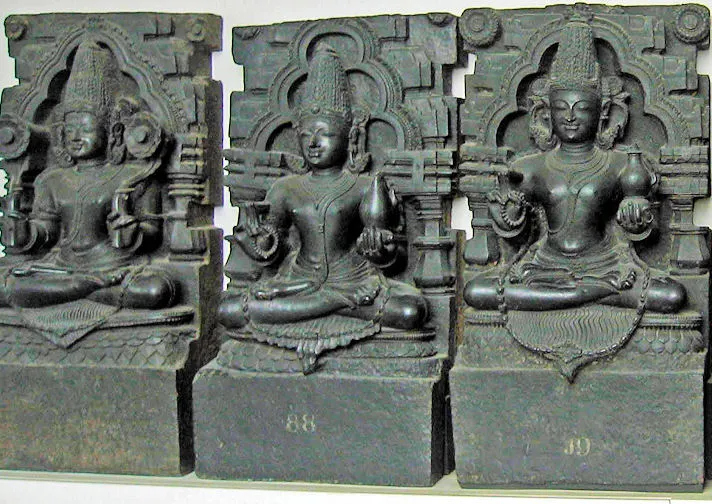
Fig.: सूर्यः, चन्द्रः, मङ्गलः
(Image source: Details)
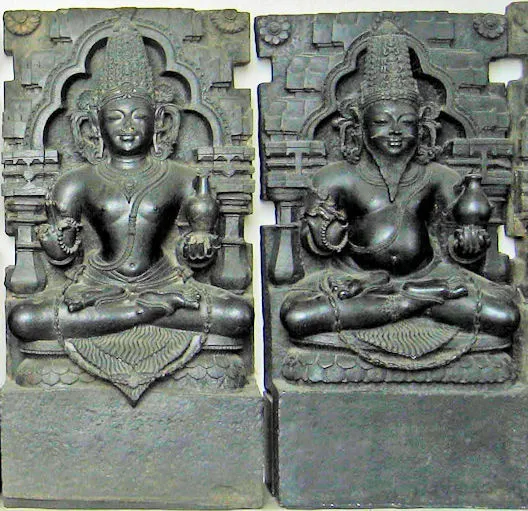
Fig.: बुधः, बृहस्पतिः
(Image source: Details)
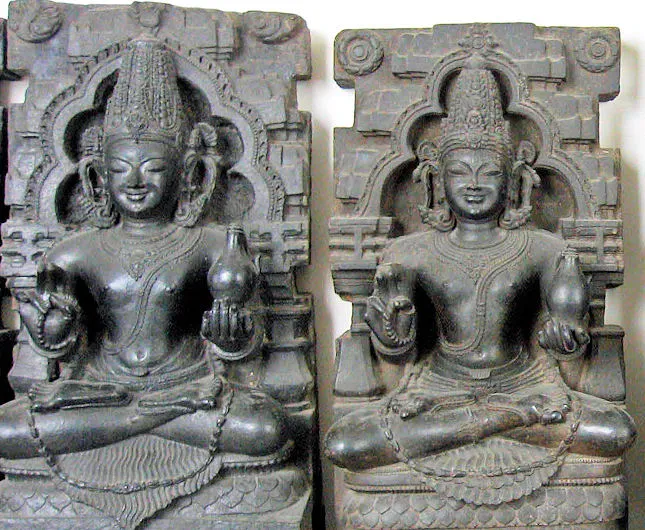
Fig.: शुक्रः, शनिः
(Image source: Details)
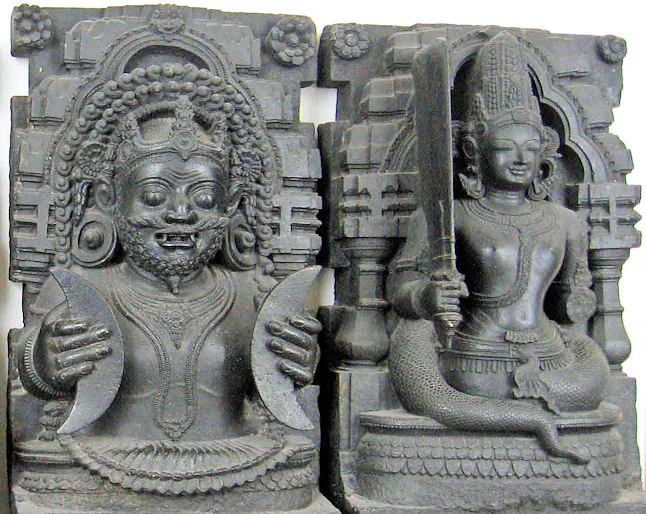
Fig.: राहुः, केतुः
(Image source: Details)
तुष् 4P तुष्यति : be content, be satisfied with (षष्ठ्या, चतुर्थ्या, तृतियया, सप्तम्या)
Perfect II तुतोष, तुतुषुर्
Fut. तोक्ष्यति
Pass. तुष्यते
Caus. तोषयति
PPP तुष्ट
Inf. तोष्टुम्
नम् 1P नमति : bend, bow, incline, nod
Perfect Vb ननाम, नेमुर्
Fut. नंस्यति
Pass. नम्यते
Caus. नमयति । नामयति
PPP नत
Inf. नन्तुम्
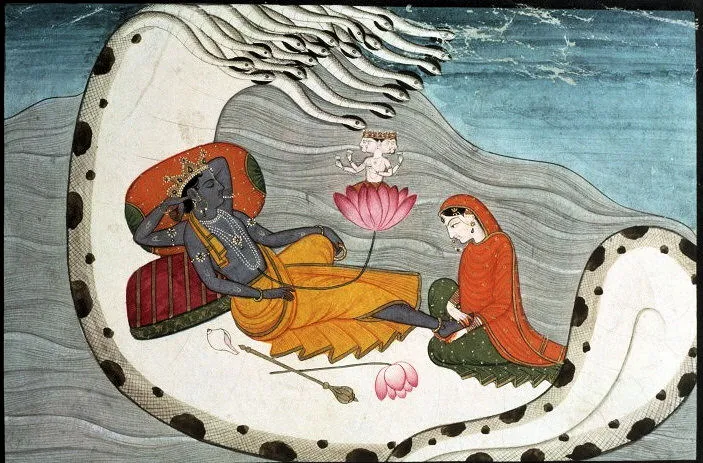
Fig.: नारायण तुभ्यं नमामि
(Image source: Details)
रुह् 1P रोहति : climb, ascend
Perfect II रुरोह, रुरुहे
Fut. रोक्ष्यति
Pass. रुह्यते
Caus. रोहयति । रोपयति
PPP. रूढ
Inf. रोढुम्
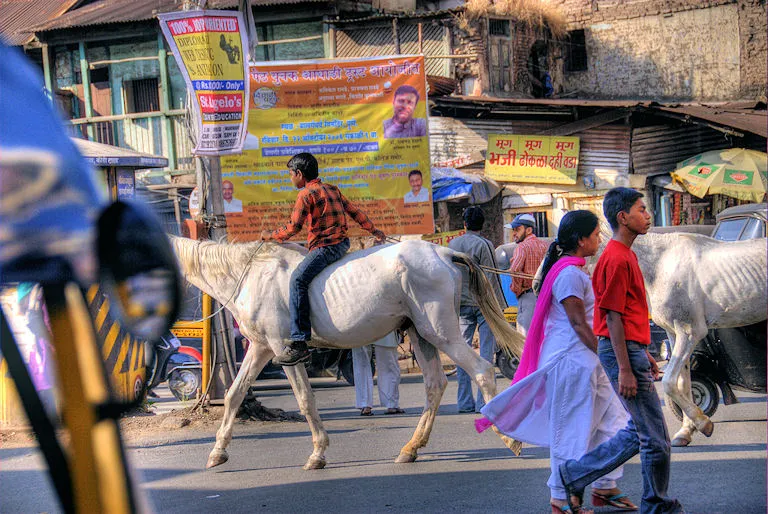
ह्वे । हू 1U ह्वयति : call, summon
Perfect IIIa जुहाव, जुहुवे
Fut. ह्वास्यति
Pass. हूयते
Caus. ह्वाययति
PPP हूत
Inf. ह्वातुम्
Absol. -हूय
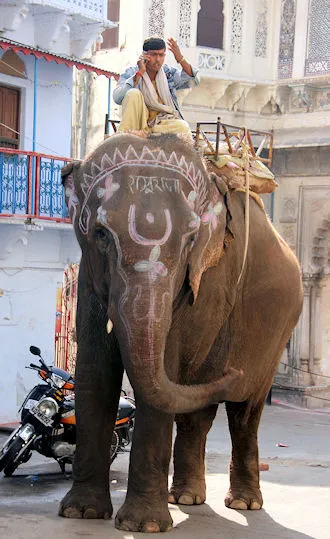
Fig.: महामात्र कं चरिष्णुदूरशब्देनाह्वयसि
(Image source: Details)
1 महामात्र m. "Mahout"; चरिष्णु 3 "mobile", दूरशब्द m. "long-distance call, telephone" » चरिष्णुदूरशब्द "mobile phone" (word formation: A. Payer)
विभ्रम m.: going back and forth
भ्रंश m.: falling away
श्रम् 4P श्राम्यति : toil, become tired
Perf. Vc शश्राम, शश्रामुर्
Fut. श्रमिष्यति
Pass. श्रम्यते
Kaus. श्रमयति । श्रामयति
PPP श्रान्त
Inf. श्रमितुम्
Absol. श्रमित्वा । श्रान्त्वा
thereof:
आश्रम m.n.
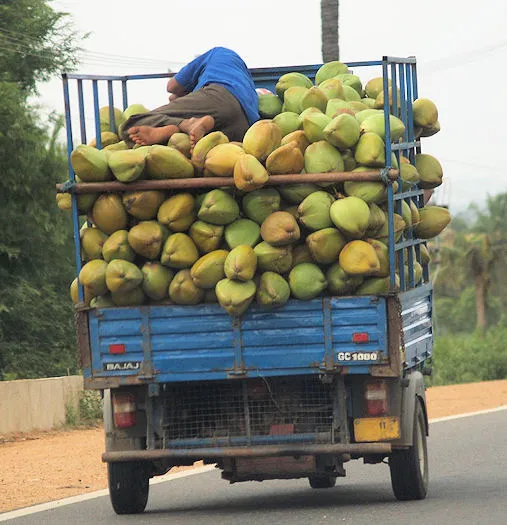
श्रि 1U श्रयति : to lean, to lean against, to find support, to go to someone (द्वितीयया, सप्तम्या)
Perf. IIIa शिश्राय, शिश्रिये
Fut. श्रयिष्यति
Pass. श्रीयते
Kaus. श्राययति
PPP श्रित
Inf. श्रयितुम्
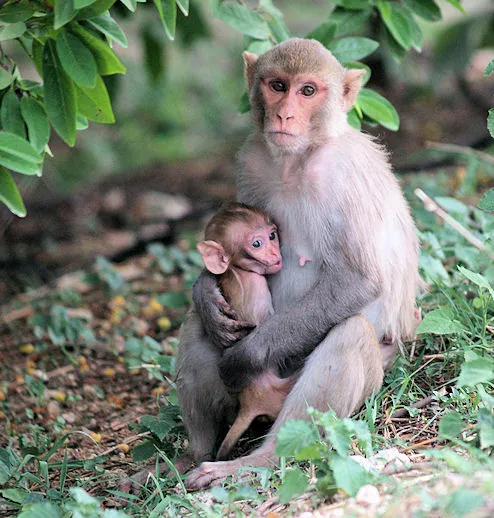
सञ्ज् 1P सजति : to attach, to adhere to (सप्तम्या)
Perf. I ससञ्ज, ससञ्जुर्
Fut. संक्ष्यति
Pass. सज्यते
Kaus. सञ्जयति
PPP सक्त
Inf. संक्तुम्
thereof:
सङ्ग m.: the attaching to, contact with (तृतीयया)
द्रु 1P द्रवति : to run, to hasten
Perf IIIa (अनिट्) दुद्राव, दुद्रुवुर्
Fut. द्रोष्यति
Pass. द्रूयते
Kaus. द्रावयति
PPP द्रुत
Inf. द्रोतुम्
Absol. -द्रुत्य
भ्रम् 1P भ्रमति । 4P भ्राम्यति : to wander, to roam
Perf. Vc बभ्राम, बभ्रमुर् । Vb भ्रेमुर्
Fut. भ्रमिष्यति
Kaus. भ्रमयति
PPP भ्रान्त
Inf. भ्रमितुम्
Absol. -भ्रम्य
thereof:
विभ्रम m.: wandering, confusion, error
लम्ब् 1Ā लम्बते : to hang down from (सप्तम्या), to hang on (सप्तम्या)
Perf. I ललम्बे
Fut. लम्बिष्यते
Pass. लम्ब्यते
Kaus. लम्बयति
PPP लम्बित
Inf. लम्बितुम्
Absol. -लम्ब्य
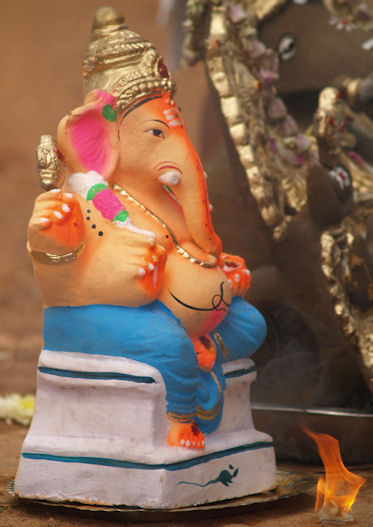
Fig.: लम्बोदर नमस्तुभ्यम्
(Image source: Details)
लम्ब् + आ 1Ā आलम्बते : to hang on (द्वितीयया)
यदि conjunction: if
भू + परि 1P परिभवति : to encircle, to master, to conquer
PPP परिभूत 3: defeated, humiliated, abased
नि prefix: downwards, down, into, backwards
e.g.
सद् + नि 1P निषीदति : to sit down
भोस् vocative particle: exclamation of address, e.g.: hey, heda, oh, ei, hello, hi! often not translatable. This particle has a special sandhi: before all voiced sounds, it is भो.
46.3. Exercise
A) Determine and translate the following forms:
- वित्थ
- वेत्थ
- शिश्रियिढ्वे
- शिश्ये
- शिष्ये
- चक्र
- तुष्टुव
- तुष्टम्
- ददिथ
- दत्थ
- जग
- जग्म
- एनम्
- ईय
- निनेथ
- शेक
- सस्मर
- पप्रष्ठ
- दुग्ध
- दुहितः
- पेदिषे
- ननर्त
- ननृत
- उवोढ
- जुहोथ
- जुहुथ
- सक्तः
- शक्तः
- नेश्म
- सोढुम्
- ग्रहीष्ये
- यत्ने
- यते
- बाले
- ऊद
- ऊदे
- जज्ञिषे
- चिक्य
- अवेक्ष्य
- वक्थ
- शिष्ठ
- पेचिथ
- हथ
- हस्त
- ननन्द
- श्राम्यसि
- विषमम्
- विशामः
- उवस्थ
- ददाने
- सुषुपुः
- ऊस
B) Translate:
प्रजहाति यदा कामानात्मन्येवात्मना तुष्टः स्थितप्रज्ञस्तदोच्यते ॥१॥
क्रोधाद्भवति संमोहः
संमोहात्स्मृतिविभ्रमः ।
स्मृतिभ्रंशाद्बुद्धिनाशो
बुद्धिनाशात्प्रनश्यति ॥२॥
नास्ति बुद्धिरयुक्तस्य ॥३॥
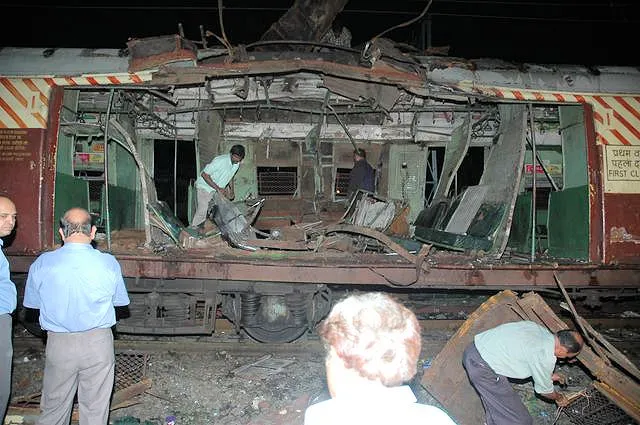
Fig.: क्रोधाद्भवति संमोहः संमोहात्स्मृतिविभ्रमः । स्मृतिभ्रंशाद्बुद्धिनाशो बुद्धिनाशात्प्रनश्यति ॥
(Image source: Details)
Navagraha images source: Redtigerxyz / Wikipedia. GNU FDLicense
L4607: नारायण तुभ्यं नमामि (नारायनो ऽनन्तशयी, ca. 1870). Source: Wikipedia. Public domain
L4606: अश्वरोहकः, Pune=पुणे. Source: wili_hybrid, Flickr, CC BY 2.0
L4608: Udaipur. Source: Travel Aficionado, Flickr, CC BY-NC 2.0
L4609: Karnataka=ಕರ್ನಾಟಕ. Source: mattlogelin, Flickr, CC BY-NC 2.0
L4610: सङ्गः, Kamareddy=కామారెడ్డి. Source: Sumanth K. Garakarajula, Flickr, CC BY-NC 2.0
L4601: लम्बोदर नमस्तुभ्यम्, Bangalore=ಬೆಂಗಳೂರು. Source: mattlogelin, Flickr, CC BY-NC 2.0
L4611: भोः, Kutch=कच्छ. Source: orange tuesday, Flickr, CC BY-NC 2.0
L4612: Mumbai=मुंबई after the attack, July 11, 2006. Source: Sun Pictures / Lakshman, Flickr, CC BY-NC-SA 2.0