
Exercise 16
A) Convert the following expressions into Tatpuruṣa compounds and translate them:
१. देवस्य पुरुषः । — देवपुरुषः
२. गुणवती ब्राह्मणी । — गुणवद्ब्राह्मणी
३. सत्यवान्ब्राह्मणः । — सत्यवद्ब्राह्मणः
४. पशुमन्तो जनाः । — पशुमज्जनाः
५. सुखवान्वैश्यायाः पुत्रः । — सुखवद्वैश्यापुत्रः
६. सुखवत्या वैश्यायाः पुत्रः । — सुखवद्वैश्यापुत्रः
७. कवेरुक्त्याः सत्यम् । — कव्युक्तिसत्यम्
८. शिवen रक्षिता बाला । — शिवरक्षितबाला
९. रामेण पीतं जलम् । — रामपीतजलम्
१०. फलवांल्लाभः । — फलवद्लाभः
११. इष्टाया देवतायाः पूजा । — इष्टदेवतापूजा
१२. देवानां स्तुतिः । — देवस्तुतिः
B) Resolve the compounds in the following sentences into Sanskrit, form sentences with inflected nouns, and translate them:
१. पुण्यवद्वैश्यपुत्रो देवेन्द्रलोकं गच्छति ।
पुण्यवान्वैश्यस्य पुत्रो देवानामिन्द्रस्य लोकं गच्छति । (or: पुण्यवतो वैश्यस्य पुत्रो...)
The meritorious son of a Vaiśya goes to the heaven of the lord of gods. (or: The son of a meritorious Vaiśya...)
२. पुण्यकरणं स्वर्गमार्गः ।
पुण्यस्य करणं स्वर्गस्य मार्गः । (or: पुण्यानां करणं स्वर्गं मार्गः ।)
Doing what is meritorious is the path to heaven.
३. न साधुः पशुवन्नरधेनुलोभः ।
न साधुः पशुवतो नरस्य धेनूनां लोभः । (or: ...धेनोर्लोभः ।)
The greed of the man rich in cattle for cows / for the cow is not good.
४. न पशुयज्ञैर्नराः स्वर्गं गच्छन्ति । धर्मयज्ञैस्तु स्वर्गसुखमाप्नुवन्ति ।
न पशूनां यज्ञैर्नराः स्वर्गं गच्छन्ति । धर्मस्य यज्ञैस्तु स्वर्गस्य सुखमाप्नुवन्ति ।
With animal sacrifices people do not go to heaven. With (non-violent) sacrifices of righteousness, however, they attain heavenly bliss.
५. द्विजदासा इति शूद्रा उच्यन्ते ।
द्विजानां दासा इति शूद्रा उच्यन्ते ।
Śūdras nennt man Sklaven der Zweimalgeborenen.
६. बालब्राह्मणपुत्राः सत्यवन्नरं शृण्वन्ति ।
बा्ला ब्राह्मणानां पुत्राः स्त्यवन्तं नरं शृण्वन्ति ।
The young Brahmana sons listen to the truthful man.
७. बलवत्क्षत्रिया धनवच्छत्रुनगरं जयन्ति ।
बलवन्तः क्षत्रिया धनवतां शत्रूनां नगरं जयन्ति ।
The powerful Kṣatriyas conquer the rich city of the enemies.
८. ऋष्युक्त्या सत्यमुच्यते ।
ऋषीणामुक्त्या सत्यमुच्यते ।
The word of the Vedic sages speaks the truth.
९. बलवद्योधा ब्राह्मणग्रामं गताः ।
बलवन्तो योधा ब्राह्मणानां ग्रामं गताः ।
The strong warriors have gone to the Brahmana village.
१०. पुण्यवद्वैश्येष्टवेवतापूजां करोति ।
पुन्यवतो वैश्यस्येष्टाया देवतायाः पूजां करोति ।
He venerates the personal deity of the meritorious Vaiśya.
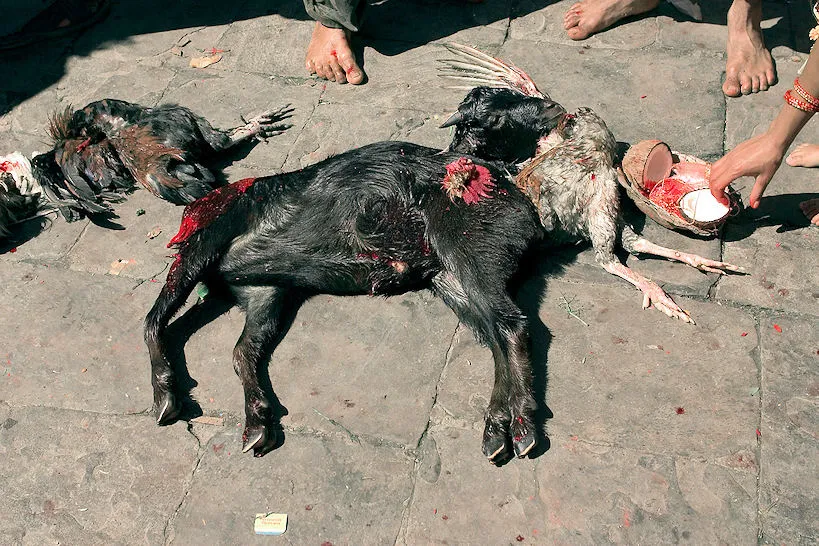
Fig.: न पशुयज्ञैर्नराः स्वर्गं गच्छन्ति
(Image source: Details)
Declension Patterns
A) Form all previously learned cases for the following words as examples of the declension classes learned so far.
१. नर (m.)
| Case | Singular | Plural |
|---|---|---|
| 1. Nom. | नरस् (नरः) | नरास् (नराः) |
| 2. Acc. | नरम् | नरान् |
| 3. Instr. | नरेण | नरैस् (नरैः) |
| 6. Gen. | नरस्य | नराणाम् |
२. फल (n.)
| Case | Singular | Plural |
|---|---|---|
| 1. Nom. | फलम् | फलानि |
| 2. Acc. | फलम् | फलानि |
| 3. Instr. | फलेन | फलैस् (फलैः) |
| 6. Gen. | फलस्य | फलानाम् |
३. क्षत्रिया (f.)
| Case | Singular | Plural |
|---|---|---|
| 1. Nom. | क्षत्रिया | क्षत्रियास् (क्षत्रियाः) |
| 2. Acc. | क्षत्रियाम् | क्षत्रियास् (क्षत्रियाः) |
| 3. Instr. | क्षत्रियया | क्षत्रियाभिस् (क्षत्रियाभिः) |
| 6. Gen. | क्षत्रियायास् (क्षत्रियायाः) | क्षत्रियाणाम् |
४. अरि (m.)
| Case | Singular | Plural |
|---|---|---|
| 1. Nom. | अरिस् (अरिः) | अरयस् (अरयः) |
| 2. Acc. | अरिम् | अरीन् |
| 3. Instr. | अरिणा | अरिभिस् (अरिभिः) |
| 6. Gen. | अरेस् (अरेः) | अरीणाम् |
५. मति (f.)
| Case | Singular | Plural |
|---|---|---|
| 1. Nom. | मतिस् (मतिः) | मतयस् (मतयः) |
| 2. Acc. | मतिम् | मतीस् (मतीः) |
| 3. Instr. | मत्या | मतिभिस् (मतिभिः) |
| 6. Gen. | मतेस् (मतेः) / मत्यास् (मत्याः) | मतीनाम् |
६. गुरु (m.)
| Case | Singular | Plural |
|---|---|---|
| 1. Nom. | गुरुस् (गुरुः) | गुरवस् (गुरवः) |
| 2. Acc. | गुरुम् | गुरून् |
| 3. Instr. | गुरुणा | गुरुभिस् (गुरुभिः) |
| 6. Gen. | गुरोस् (गुरोः) | गुरूणाम् |
७. धेनु (f.)
| Case | Singular | Plural |
|---|---|---|
| 1. Nom. | धेनुस् (धेनुः) | धेनवस् (धेनवः) |
| 2. Acc. | धेनुम् | धेनूस् (धेनूः) |
| 3. Instr. | धेन्वा | धेनुभिस् (धेनुभिः) |
| 6. Gen. | धेनोस् (धेनोः) / धेन्वास् (धेन्वाः) | धेनूनाम् |
८. देवी (f.)
| Case | Singular | Plural |
|---|---|---|
| 1. Nom. | देवी | देव्यस् (देव्यः) |
| 2. Acc. | देवीम् | देवीस् (देवीः) |
| 3. Instr. | देव्या | देवीभिस् (देवीभिः) |
| 6. Gen. | देव्यास् (देव्याः) | देवीनाम् |
९. गुणवन्त् (m./n.)
Masculine:
| Case | Singular | Plural |
|---|---|---|
| 1. Nom. | गुणवान् | गुणवन्तस् (गुणवन्तः) |
| 2. Acc. | गुणवन्तम् | गुणवतस् (गुणवतः) |
| 3. Instr. | गुणवता | गुणवद्भिस् (गुणवद्भिः) |
| 6. Gen. | गुणवतस् (गुणवतः) | गुण्वताम् |
Neuter:
| Case | Singular | Plural |
|---|---|---|
| 1. Nom. | गुणवत् | गुणवन्ति |
| 2. Acc. | गुणवत् | गुणवन्ति |
| 3. Instr. | गुणवता | गुणवद्भिस् (गुणवद्भिः) |
| 6. Gen. | गुणवतस् (गुणवतः) | गुण्वताम् |
(Feminine गुणवती declines like देवी)
१०. किम् (m./n./f.)
| Case | Sg. m. | Sg. n. | Sg. f. | Pl. m. | Pl. n. | Pl. f. |
|---|
| 1. Nom. | कस् (कः) | किम् । का । के । कानि । कास् (काः) |
| 2. Akk. | कम् । किम् । काम् । कान् । कानि । कास् (काः) |
| 3. Instr. | केन । — | कया । — | — | काभिस् (काभिः) |
| 6. Gen. | कस्य । — | कस्यास् (कस्याः) | केषाम् । — | कासाम् ।
११. तद् (m./n./f.)
| Case | Sg. m. | Sg. n. | Sg. f. | Pl. m. | Pl. n. | Pl. f. |
|---|---|---|---|---|---|---|
| 1. Nom. | स / सो / सः | तद् | सा | ते | तानि | तास् (ताः) |
| 2. Akk. | तम् | तद् | ताम् | तान् | तानि | तास् (ताः) |
| 3. Instr. | तेन | — | तया | तैस् (तैः) | — | ताभिस् (ताभिः) |
| 6. Gen. | तस्य | — | तस्यास् (तस्याः) | तेषाम् | — | तासाम् |
१२. एतद् (m./n./f.)
| Case | Sg. m. | Sg. n. | Sg. f. | Pl. m. | Pl. n. | Pl. f. |
|---|---|---|---|---|---|---|
| 1. Nom. | एष / एषो / एषः | एतद् | एषा | एते | एतानि | एतास् (एताः) |
| 2. Akk. | एतम् / एनम् | एतद् / एनद् | एताम् / एनाम् | एतान् / एनान् | एतानि / एनानि | एतास् / एनास् |
| 3. Instr. | एतेन / एनेन | — | एतया / एनया | तैस् (तैः) | — | ताभिस् (ताभिः) |
| 6. Gen. | एतस्य | — | तस्यास् (तस्याः) | तेषाम् | — | तासाम् |
१३. इदम् (m./n./f.)
| Case | Sg. m. | Sg. n. | Sg. f. | Pl. m. | Pl. n. | Pl. f. |
|---|---|---|---|---|---|---|
| 1. Nom. | अयम् | इदम् | इयम् | इमे | इमानि | इमास् (इmaाः) |
| 2. Akk. | इमम् / एनम् | इदम् / एनद् | इमाम् / एनाम् | इमान् / एनान् | इमानि / एनानि | इमास् / एनास् |
| 3. Instr. | अनेन / एनेन | — | अनया / एनया | एभिस् (एभिः) | — | आभिस् (आभिः) |
| 6. Gen. | अस्य | — | अस्यास् (अस्याः) | एषाम् | — | आसाम् |
Additional Exercises
B) Translate and resolve all compounds into Sanskrit:
१. योगश्चित्तवृत्तिनिरोधः ॥ योगसूत्र १.२ ॥
योगश्चित्तस्य वृत्तेर्निरोधः (or: वृत्तीनां निरोधः) ।
Yoga is the cessation of mental activity.
२. स्वधर्मो ब्राह्मणस्याध्ययनमध्यापनं यजनं याजनं दानं प्रतिग्रहश्च ॥५॥
The specific duty of the Brāhmaṇa is: study of the Vedas, teaching the Vedas, performing sacrifices as the patron, performing sacrifices on behalf of others, giving gifts to Brāhmaṇas, receiving gifts.
क्षत्रियस्याध्ययनं यजनं दानं शस्त्राजीवो भूतरक्षणं च ॥६॥
क्षत्रियस्याध्ययनं यजनं दानं शास्त्रेणाजीवो भूतानां रक्षणं च् ।
The specific duty of a Kṣatriya is: study of the Vedas, performing sacrifices as the patron, giving gifts to Brāhmaṇas, earning a livelihood by the sword, protecting living beings.
वैश्यस्याध्ययनं यजनं दानं कृषिपाशुपाल्ये वणिज्या च ॥७॥
वैश्यस्याध्ययनं यजनं दानं कृषिः पाशुपाल्यं च वणिज्या च ।
The specific duty of a Vaiśya is: study of the Vedas, performing sacrifices as the patron, giving gifts to Brāhmaṇas, agriculture and cattle-rearing, trade.
शूद्रस्य द्विजातिशुश्रूषा वार्त्ता कारुकुशीलवकर्म च ॥८॥
शुड्रस्य द्विजातीनां शुश्रूषा वार्त्ता कारूणां कुशीलवानां च कर्म ।
The specific duty of a Śūdra is obedient service to the Twice-born, economic activity, and work as an artisan and entertainer.
सर्वेषामहिंसा सत्यं शौचमनसूयानृशंस्यं क्षमा च ॥१३॥
The duty of all is: non-violence, truthfulness, purity, not murmuring about one's lot, freedom from malice, and patient forbearance.
(कौटिलीयार्थशास्त्र १.३.५-८, १३)
Sentence 7: कृषिपाशुपाल्ये Dual, Nom. Acc.: Dvandva, denoting the two "things"
Sentence 8: कर्म Nom., Acc. sg. Neuter to कर्मन् "act"
Sentence 13: सर्वेषाम् Gen. pl. masc. to सर्व "each, all" (pronoun, not declined like deva)
३. आन्वीक्षिकीत्रयीवार्त्तानां योगक्षेमसाधनो दण्डः, तस्य नीतिर्दण्डनीतिः ॥ कौटिलीयार्थशास्त्र १.४.३ ॥
आन्वीक्षिक्याः त्रय्याः वार्त्ताया योगस्य क्षeमस्य च साधनो दण्डः, तस्य नीतिर्दण्डनीतिः ।
The staff brings about the acquisition and secure possession of philosophy, Vedic studies, and economics. The handling of the staff is politics.
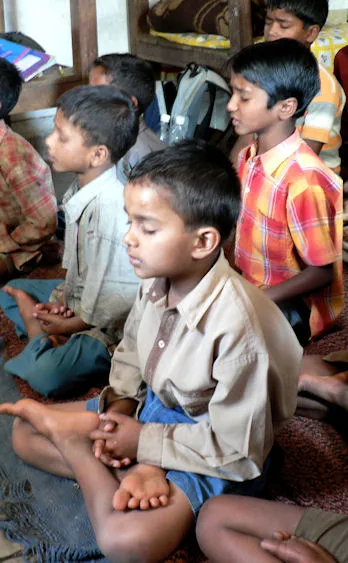
Fig.: योगश्चित्तवृत्तिनिरोधः
(Image source: Details)