
Exercise 49
Determine the following forms:
| Nr. | Form | Determination |
|---|---|---|
| १. | गृहाणि | गृह n.: Nom. Acc. Pl. n. |
| २. | नमानि | नम् 1P: Imp. 1. Sg. P. |
| ३. | नामानि | नामन् n.: Nom. Acc. Pl. n. |
| ४. | नामनि | नामन् n.: Loc. Sg. n. (beside नाम्नि) |
| ५. | मत्यै | मति f.: Dat. Sg. f. |
| ६. | मन्यै | मन् 4Ā: Imp. 1. Sg. Ā. |
| ७. | मान्यै | मन् 4Ā: Caus. Pass. Imp. 1. Sg. |
| ८. | मान्यैः | मन् 4Ā: Caus. Gerundiv Instr. Pl. m. n. |
| ९. | अहम् | I: Nom. Sg. |
| १०. | अहन् | हन् 2P: Impf. 2. 3. Sg. P. |
| ११. | आत्थ | अह्: Perf. 2. Sg. P. |
| १२. | आत्त | अद् 2P: Impf. 2. Pl. P. |
| १३. | आध्वम् | आस् 2Ā: Impf. 2. Pl. Ā.; Imper. 2. Pl. Ā. |
| १४. | अत्थ | अद् 2P: Ind. Pres. 2. Pl. P. |
| १५. | ते | त्वम्: enclit. Dat. Gen.; तद्: Nom. Pl. m. |
| १६. | स्थ | अस् 2P: Ind. Pres. 2. Pl. P. |
| १७. | तस्थ | स्था 1P: Perf. IV. 2. Pl. P. |
| १८. | तस्य | तद्: Gen. Sg. m. n. |
| १९. | दाता | दातृ: Nom. Sg. m. |
| २०. | तता | तन् 8U: PPP Nom. Sg. f. |
| २१. | तथा | "so" |
| २२. | तदा | "then, at that time" |
| २३. | तुद | तुद् 6U: Imper. 2. Sg. P. |
| २४. | शेकिथ | शक् 5P: Perf. Vb. 2. Sg. P. (beside शशक्थ) |
| २५. | अनृतम् | अनृत n.: Nom. Acc. Sg. n. |
| २६. | अदूष्यः | दुष् 4P: Caus. Gerundiv Nom. Sg. m. + अ- |
| २७. | अदुष्यः | दुष् 4P: Impf. 2. Sg. P. |
| २८. | त्वत् | त्वम्: Abl. Sg. |
| २९. | यदि | "if" |
| ३०. | यति | इ 2P: Part. Pres. P. Loc. Sg. m. n.; Voc. Sg. f. |
| ३१. | याति | या 2P: Ind. Pres. 3. Sg. P. (sic, correction: 3. Sg.); Part. Pres. P. Loc. Sg. m. n. |
| ३२. | यातुः | यातृ: Abl. Gen. Sg. m. |
| ३३. | यतः | "from where"; इ: Part. Pres. P. Gen. Abl. Sg. m. n.; यम् 1P: PPP Nom. Sg. m. |
| ३४. | यातः | यातृ: Voc. Sg. m.; या: Part. Pres. P. Gen. Abl. Sg. m. n.; PPP Nom. Sg. m. |
| ३५. | आसीथाः | आस् 2Ā: Opt. 2. Sg. Ā. |
| ३६. | वक्थ | वच् 2P: Ind. Pres. 2. Pl. P. |
| ३७. | बन्धनीय | बन्ध् 9P: Gerundiv Voc. Sg. m. n. |
| ३८. | गायी | गायिन्: Nom. Sg. m. |
| ३९. | मह्यम् | अहम्: Dat. Sg. |
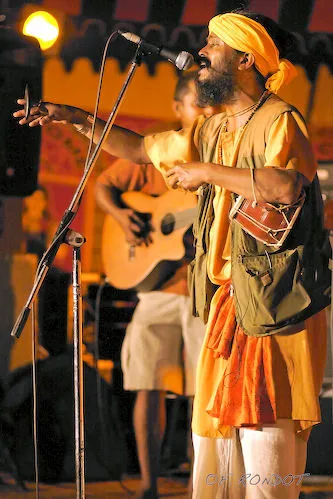
Fig.: गायी
(Image source: Details)
बाण (७. Cent. A.D.): कादम्बरी
Questions of the King शूद्रक of विदिशा to the Parrot वैशम्पायन:
नरपतिरब्रवीत् । आस्तां तावत्सर्वमेवेदम् । अपनयतु नः कुतूहलम् । आवेदयतु भवानादितः प्रभृति कार्त्न्येनात्मनो जन्म कस्मिन्देशे । भवान्कथं जातः । केन वा नाम कृतम् । का माता । कस्ते पिता । कथं वेदानामागमः । कथं शास्त्राणां परिचयः । कुतः कलाः समासादिताः । किं जन्मान्तरानुस्मरणमुत वरप्रदानम् । अथवा विहंगवेषधारी कश्चिच्छन्नं विवससि । क्व वा पूर्वमुषितम् । कियद्वा वयः । कथं पञ्जरबन्धः । कथं चाण्डालहस्तगमनम् । इह वा कथमागमनमिति ॥
वैशम्पायनस्तु स्वयमुपजातकुतूहलेन सबहुमानमवनि्पतिना पृष्टो मुहूर्तमिव ध्यात्वा सादरमब्रवीत् । देव मतीयं कथा । यदि कौतुकमाकर्ण्यताम् ॥
The King said: "Let all that be! Satisfy our curiosity! Sir, tell us from the beginning: In which country were you born? Who gave you the name? Who is your mother? How did you obtain the Vedas? How did you familiarize yourself with the treatises? From where did you acquire the arts? Can you remember previous births or fulfill wishes? Or do you, by wearing the garment of a bird, inhabit a hiding place? Or where did you dwell earlier? Or how old are you? How were you captured in a cage? And how did you come into the hands of Cāṇḍālas? Or how did you come here?"
Vaiśampāyana, however, who had been asked by the Lord of the Earth with spontaneously arising curiosity with great respect, thought for a moment and then replied with full reverence: "King, this is a long story. If you are interested, lend me your ear!"
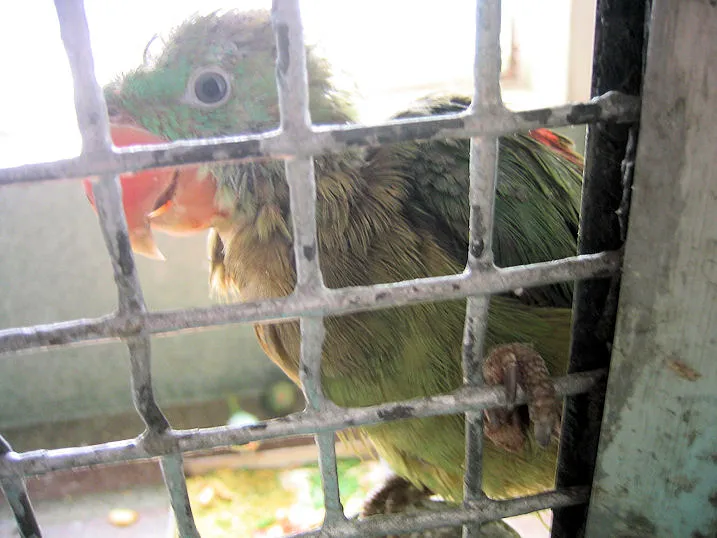
Fig.: शुकः
(Image source: Details)