
Lesson 37
37.1. क्रियाविशेषणम्
Adverbs are formed in Sanskrit
- through case forms of nouns and pronouns
- with the help of special suffixes and endings
In the first case, the boundary between living case and adverb is fluid. This includes as a special case the adverbs that are fossilized, old case forms, while in declension other forms are used or the corresponding nouns are no longer used as nouns.
37.2. Adverbial Use of Case Forms
37.2.1. Accusative (द्वितीया)
The accusative (द्वितीया) can be used adverbially in response to the questions:
- in what manner?
- how long?
- whither?
- etc.
The accusative can be used adverbially:
from substantives
Examples:
कामम् "as wished, according to wish"
अर्थम् "because of"from adjectives in the neuter
Examples:
सुखम् "easily, happily"
नित्यम् "always"
साधु "correctly, well"from pronouns in the neuter
Examples:
तद् "then, therefore"
यद् "if, that"
एतद् "thus, here, now"
37.2.2. Instrumental (तृतीया)
The instrumental (तृतीया) can be used adverbially in response to the questions:
- by what means?
- with what?
- etc.
The instrumental can be used adverbially:
from substantives
Examples:
अर्थेन "because of"
क्षणेन "at the moment, immediately" (from क्षण m. "moment")from adjectives, often also in the plural form
Examples:
दूरेण "far, from afar" (to दूर 3 "far, distant from")
उच्चैस् "high, loud" (to उच्च 3 "high, elevated, loud, shrill (of voice)")
37.2.3. Dative (चतुर्थी)
Rarely is the dative (चतुर्थी) used adverbially in response to the questions:
- for what purpose?
- etc.
Example:
अर्थाय "for the purpose of, for the sake of ..."
37.2.4. Ablative (पञ्चमी)
The ablative (पञ्चमी) can be used adverbially in response to the questions:
- why?
- on account of what?
- whence?
- etc.
The ablative can be used adverbially:
from substantives
e.g. बलात् "forcibly, by force"from adjectives
e.g. दूरात् "from afar"from pronouns
Examples:
कस्मात् "why"
अकस्मात् "unexpectedly"
37.2.5. Genitive (षष्ठी)
Rarely is the genitive (षष्ठी) used adverbially in response to the question "after how long a time?"
e.g. चिरस्य "after a long time" (to चिर 3 "long (time)")
37.2.6. Locative (सप्तमी)
The locative (सप्तमी) can be used adverbially in response to the questions:
- where?
- under what circumstances?
- etc.
Examples:
-अर्थे "because of"
-कृते "for the sake of"
दूरे "far"
37.3. Adverbial Use of Case Forms No Longer Common
Examples:
जातु "at all" (originally "from birth, by nature", Acc.sg.n. to जातु <no longer used as a noun>)
तूष्णीम् "silently" (Acc.sg. to a no longer common तूष्णी f. "silence")
एवम् "thus" (to an otherwise lost pronominal stem एव "one, single")
37.4. Formation of Adverbs with Adverbial Suffixes
From the pronominal stems तद्, इदम् or अ-, यद्, किम् or कु one can derive corresponding pronominal adverbs with the adverbial suffixes
- -तस् (Ablative)
- -त्र (Locative)
- -था (Manner)
- -थम् (Manner)
- -दा (Time)
corresponding pronominal adverbs can be derived.
| Suffix | Pronominal Stem | |||
|---|---|---|---|---|
| तद् | इदम् अ- | यद् | किम् कु- | |
| -तस् (Ablative) | ततस् von da, darauf, deshalb | इतस् अतस् von hier, dieserhalb | यतस् woher, wovon | कुतस् woher?, weshalb? |
| -त्र (Locative) | तत्र da, dort | अत्र hier | यत्र wo | कुत्र wo? |
| -था (Art und Weise) | तथा so | यथा wie | ||
| -थम् (Art und Weise) | कथम् wie? | |||
| -दा (Zeit) | तदा damals, dann | यदा als | कदा wann? |
Another interrogative adverb is: क्व "where?"
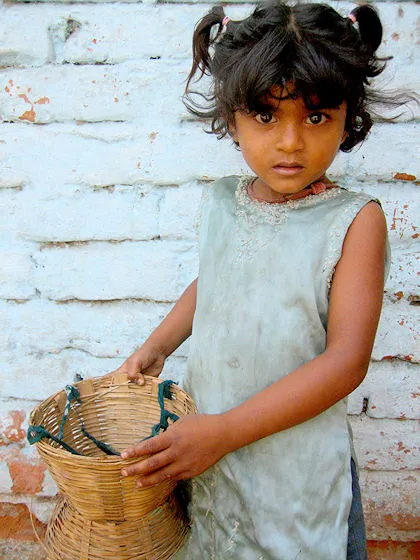
Fig.: क्व
(Image source: Details)
Further Adverbial Suffixes
| Suffix | |
|---|---|
| -वत् | kann an beliebige Nomina angehängt werden, um auszudrücken "nach Art von, gleich wie" z.B. पुत्रवत् "wie ein(en) Sohn" |
| -तस् | an Nomina und Pronomina. Meist ablativische Bedeutung "woher?", aber auch "wo?", "wohin?" z.B. आदितस् "von Anfang an" |
| -धा | 1. Bei Zahladverbien in der Bedeutung "-fach", "-fältig" z.B. द्विधा "zweifach" 2. in der Bedeutung "in der und der Weise" z.B. समधा "in gleicher Weise" (zu सम 3 "gleich") |
37.5. Adverbial Compounds
37.5.1. अव्ययीभावः
Example: सुचिरम् "very long (time)"
37.5.2. Adverbially used बहुव्रीहि
Example: रक्षार्थम् "in the manner of someone, whose purpose is protection, for the purpose of protection". Can also be regarded as belonging to 5.1.: -अर्थम् as an adverbial final member.
37.5.3. अव्ययीभाव-Compounds
अव्ययीभाव = "become unchangeable/indeclinable"
An अव्ययीभाव is an adverbial compound whose initial member is an indeclinable (postposition, particle, etc.) and whose final member is a noun that takes the ending of the Accusative Singular Neuter.
When resolving the compound, the initial member would govern the final member:
Examples:
प्रत्यग्नि = अग्निं प्रति = "against the fire"
यथाशक्ति = शक्तिमनतिक्रम्य = "according to one's abilities"
अभिमुखम् = मुखम् अभि = "forward, towards"
Especially important are अव्ययीभाव with यथा "as" as the first member:
e.g. यथाकामम् = कामो यथास्ति = "as the wish is, according to the wish, arbitrarily"
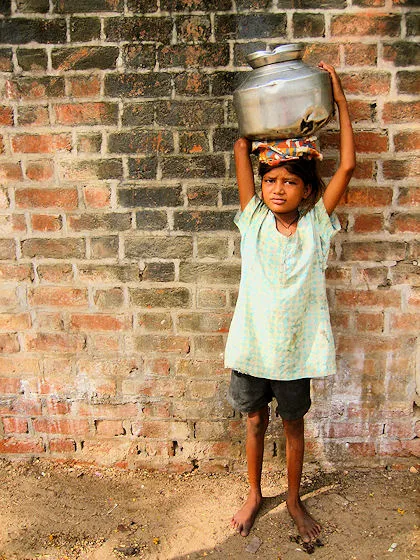
Fig.: यथाशक्ति
(Image source: Details)
37.6. Syntactical
With the verbs
- अस् 2P "to be"
- भू 1P
- कृ 8U
instead of a predicative adjective, a predicative adverb can stand:
e.g. तूष्णीं बभूव "he became silent, he fell silent"
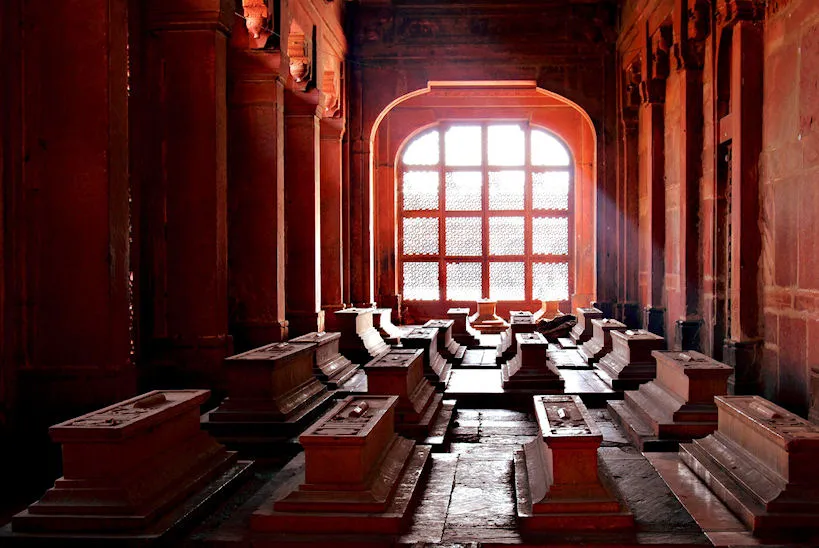
Fig.: तूष्णीं बभूवुः
(Image source: Details)
37.7. Indefinite Pronouns
Indefinite pronouns (indefinite pronouns) are formed by attaching
- -चिद्
- -चन
- अपि
to the cases of the interrogative pronoun किम्.
e.g.
कश्चिद् = कश्चन = को ऽपि = "someone, somebody"
कस्यचिद् = someone's
37.8. The Interrogative Sentence
"Who?, how?, what?, why? why? why?
He who does not ask remains stupid."
कः कथं किं
केन कस्मात्कस्मै ।
यो न पृच्छेन्
मूर्खस्तिष्ठेत् ॥
Motto of Sesame Street, which is a good guideline for life and for the study of Sanskrit
See also Lesson 4.
One must distinguish
- Word questions (supplementary questions)
- Sentence questions
In word questions, one asks about an agent (कर्तृ), an object, an activity, a circumstance, etc., e.g.
- who is coming?
- what is Rāma doing?
- whom is he hearing?
- how does she speak Sanskrit?
- where is the mother?
In sentence questions, the entire content of the sentence is queried, e.g.
- is Rāma going to Ofterdingen today?
- is it true that ... ?
37.8.1. Word Questions (Supplementary Questions)
Schema:
Interrogative pronoun/interrogative adverb - sentence
Examples:
को ग्रामं गच्छति = केन ग्रामो गम्यते = "Who is going to the village?"
किं बाला अधीयीरन् = "What should children learn?"
क्व रामो वसति = Where does Rāma live?
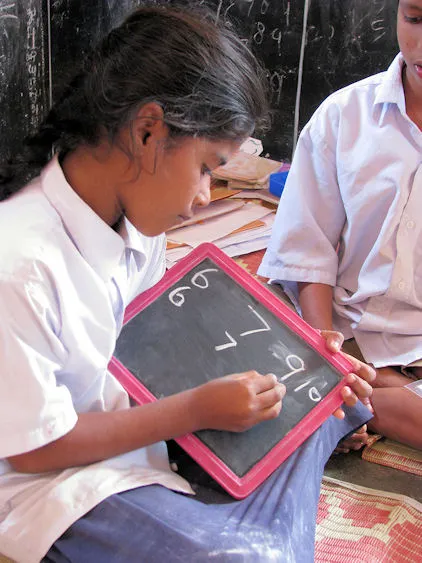
Fig.: किं बाला अधीयीरन्
(Image source: Details)
37.8.2. Sentence Questions
Sometimes it is only evident from the context whether a sentence is an interrogative sentence.
Schema I:
Verb - rest of the sentence
Example:
गमिष्यति ब्राह्मणबालो गुरुम् । "Will the Brahmin boy become a master?"
Schema II:
Interrogative particle (usually at the beginning of the sentence) - sentence
The most important interrogative particles are:
अपि
किम् (often expects a negative answer)
कच्चिद्
These particles correspond to the question mark.
Example:
अपि सत्यम् । "Is it also true?"
किं शक्नोति । "Can he, then?"
कच्चित्क्षत्रियेण शत्रवो जिताः । "Has the Kṣatriya indeed defeated the enemies?"
Note: किम् can mean, besides "what?" and as a question particle, also "why?, for what purpose?". So esp. with the instrumental (तृतीया):
किं क्रोधेन । "What is the use of anger? What does anger serve? What is the purpose of anger?"
37.9. Vocabulary
मूर्ख 3: stupid, foolish, dumb m. fool
मुनि m.: wise man, (silent) ascetic
शाक्यमुनि m.: ascetic from the lineage of शाक्य (Kṣatriyas from कपिलवस्तु) = Buddha Gautama
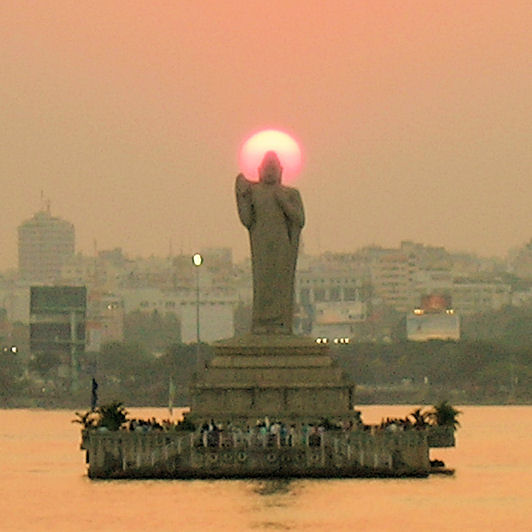
Fig.: शाक्यमुनिः
(Image source: Details)
दिन n.: day
वृक्ष m.: tree
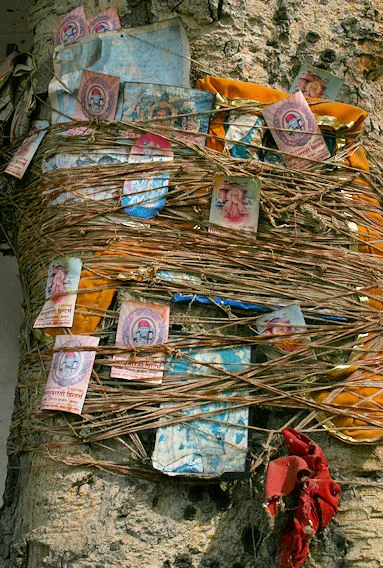
Fig.: वृक्षः
(Image source: Details)
मुख n.: mouth, face, front part, beginning
37.10. Exercises
A) Answer the following questions in Sanskrit using the words specified in parentheses. Translate the question sentences.
Example: क आगच्छति (राम) । » राम आगच्छति ।
कस्मै ब्राह्मण्यन्नं ददौ ॥१॥ (भिक्षु, बाला, दास, भगवन्त्)
क आर्यसत्यान्यजानात् ॥२॥ (बुद्ध, शाक्यमुनि)
कुत्राग्निश्चीयते ॥३॥ (यज्ञस्थान, मही)
कदा ब्राह्माणा घृतमग्नौ जुह्वति ॥४॥ (यज्ञकाल, देवान् स्तु <Absolutive>)
कस्मान्मतिमतयः पुण्यं चक्रुः ॥५॥ (स्वर्गलोभ, नरकभय, भीतनरकता)
किमेव शस्त्रं छिनत्ति ॥६॥ (शरीर, अजीव)
किंकामः शत्रुरार्यैः सह युयुधे ॥७॥ (धनं जि)
कया भिक्षुरादितः ॥८॥ (गुणवती शूद्रा)
कुतः सुपुनर्भवं गम्यते ॥९॥ (कृतपुण्यत्व, सुनीति)
केन शूद्रा न काम्येत ॥१०॥ (द्विजाति, ब्राह्मण, साधु)
किमर्थं सुगतो ऽगारादनगार्यं प्रवव्राज ॥११॥ (दुःखमोक्ष, मोक्षनयन्ती प्रज्ञा)
कस्याः पुत्र्रः कृष्ण आसीत् ॥१२॥ (देवकी)
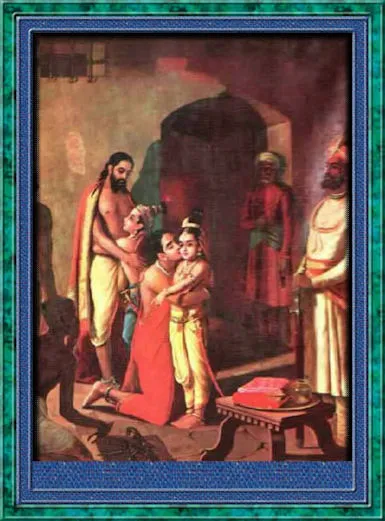
Fig.: कृष्णः बलरामश्च
(Image source: Details)
क्व मर्तुं सज्जना इच्छन्ति ॥१३॥ (काशी = वाराणसी)
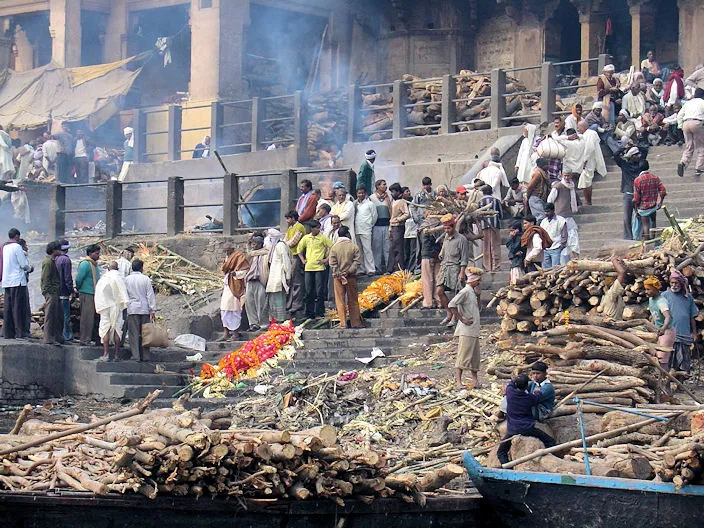
Fig.: क्व मर्तुं सज्जना इच्छन्ति
(Image source: Details)
केषां धर्मो वेदाध्ययनम् ॥१४॥ (द्विज, द्विजाति, आर्य)
कैर्वेदः प्रोक्तः ॥१५॥ (ऋषि)
कस्मिञ्जात आर्यः सुखमाप्नोति ॥१६॥ (पुत्र)
का नरा लुभ्यन्ति ॥१७॥ (सुरूपशरीरा, देवीरूपा)
के नराः सुरूपा लुभ्यन्ति ॥१८॥ (समोह, बुद्धिमन्त्)
कस्या इन्द्रः पुत्र्रं दास्यति ॥१९॥ (कृतव्रता पुण्यवती सुमतिब्राह्मणी)
B) Translate:
किं स्थितप्रज्ञः प्रव्रजेत्किमगारे पुत्र्रेषु वसेत् ॥१॥
अपि गुरुः सत्यं जानाति ॥२॥
कच्चिच्छुद्रा द्विजदासाः ॥३॥
कच्छिच्छुद्रो भारमाबिभः ॥४॥
C) Translate the following अव्ययीभाव :
1. अति Postposition with Acc.: "beyond ..."
- अतिमात्रम्
- अतिवसन्तम्
2. अधि "in"
- अधिहरि
- अधिकेरलम्
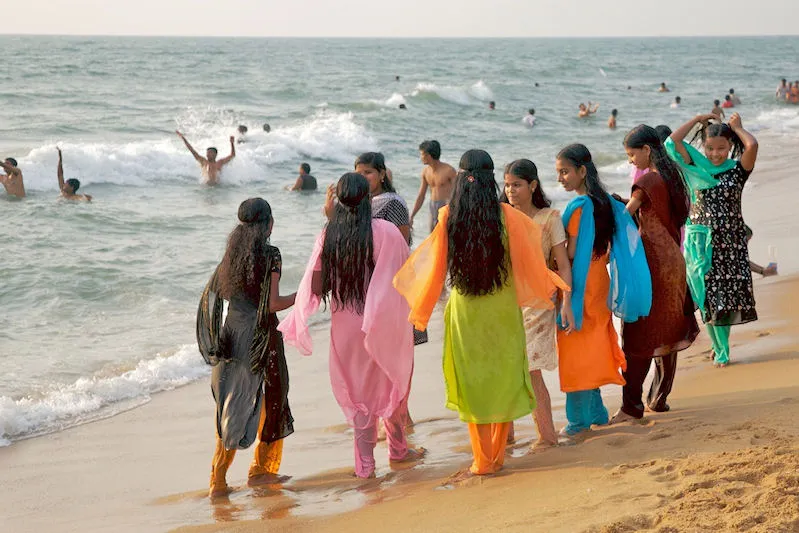
Fig.: अधिकेरलं वर्तन्ते
(Image source: Details)
3. अनु "according to, along, after"
- अनुरूपम्
- अनुदिनम्
- अनुगङ्गम्
- अनुविष्णुम्
4. अप "without"
- अपविष्णुम्
5. अभि "in the direction of"
- अभिमुखम्
- अभ्यग्नि
6. आ "since, until, including"
- आबालवृद्धम्
- आमरणम्
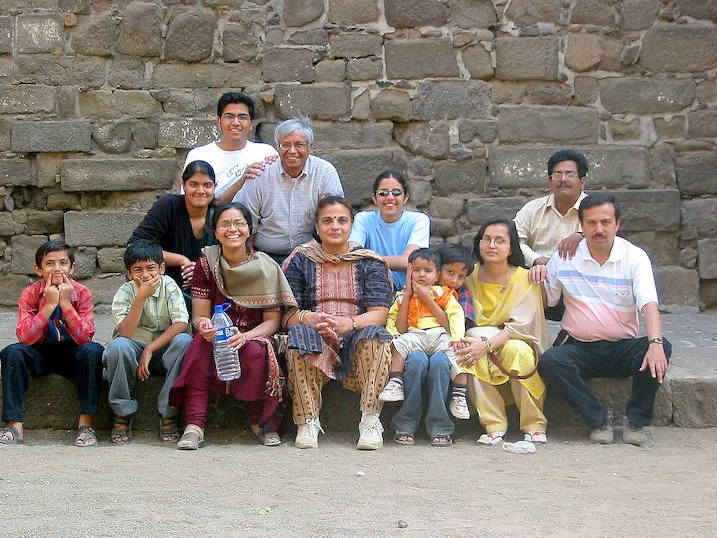
Fig.: आबालवृद्धं लंदननगरे ववृतिरे
(Image source: Details)
7. उप "near"
- उपवृक्षम्
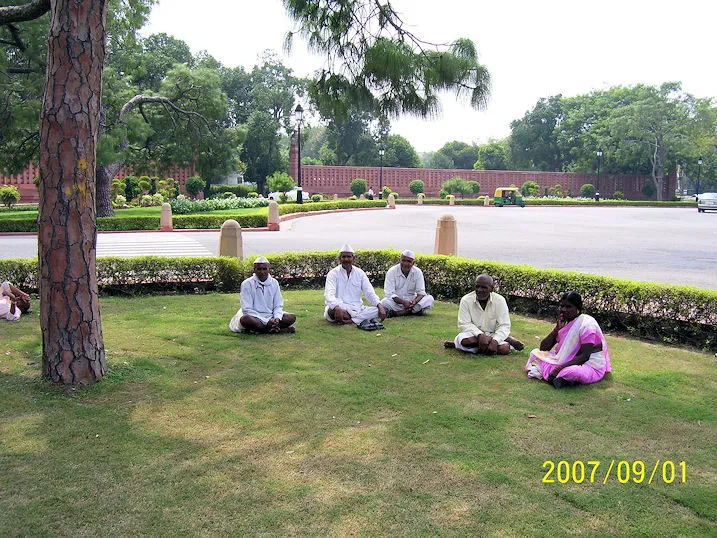
Fig.: उपवृक्षं सीदन्ति
(Image source: Details)
8. यथा
- यथास्थानम्
37.11. Review Exercise
Translate into Sanskrit using exclusively perfect tense verb forms:
Once, when an old man went to another village, he became tired on the way. So he went to rest at the foot of a mango tree standing by the side. On this tree there were ripe fruits. The old man desired these. But he could not climb the tree and reach for the fruits. Fortunately, there were some monkeys on this tree, eating fruits. When he saw these, the old man rejoiced. What did he do? He took some stones, aimed at the monkeys, and threw. The angered monkeys picked some fruits and threw them at the old man. The old man took these joyfully and went to his desired region. Behold, the fate of the old man!
- Image lekt3701.jpg (Fig.: क्व): [Image source: Meanest Indian. -- http://www.flickr.com/photos/meanestindian/164113021/. -- Accessed on 2008-12-30. -- Creative Commons License (Attribution, non-commercial use, no derivatives)]
- Image lekt3702.jpg (Fig.: यथाशक्ति): [Image source: Meanest Indian. -- http://www.flickr.com/photos/meanestindian/156516309/. -- Accessed on 2008-12-30. -- Creative Commons License (Attribution, non-commercial use, no derivatives)]
- Image lekt3703.jpg (Fig.: तूष्णीं बभूवुः): Chishti (Chishti) Dargah (Dargah), Fatehpur Sikri = Fatehpur Sikri / Fatehpur Sikri [Image source: Protocollide. -- http://www.flickr.com/photos/urbanvillage/1980227522/. -- Accessed on 2008-12-30. -- Creative Commons License (Attribution, non-commercial use, no derivatives)]
- Image lekt3704.jpg (Fig.: किं बाला अधीयीरन्): Kanchipuram = Kanchipuram [Image source: mckaysavage. -- http://www.flickr.com/photos/mckaysavage/3103429189/. -- Accessed on 2008-12-30. -- Creative Commons License (Attribution)]
- Image lekt3705.jpg (Fig.: शाक्यमुनिः): Hussain Sagar = Hussain Sagar, Hyderabad = Hyderabad [Image source: .krish.Tipirneni. -- http://www.flickr.com/photos/krish4u/426497125/. -- Accessed on 2008-12-31. -- Creative Commons License (Attribution, non-commercial use, no derivatives)]
- Image lekt3706.jpg (Fig.: वृक्षः): Jaipur [Image source: counterclockwise. -- http://www.flickr.com/photos/xclockwise/520742595/. -- Accessed on 2008-12-31. -- Creative Commons License (Attribution, non-commercial use, share alike)]
- Image lekt3707.jpg (Fig.: कृष्णः बलरामश्च): Painting by राजा रवि वर्मा (1848 - 1906) [Image source: Wikipedia. Public domain]
- Image lekt3708.jpg (Fig.: क्व मर्तुं सज्जना इच्छन्ति): काशी = वाराणसी [Image source: amanderson2. -- http://www.flickr.com/photos/amanderson/2414520995/. -- Accessed on 2008-12-31. -- Creative Commons License (Attribution)]
- Image lekt3709.jpg (Fig.: अधिकेरलं वर्तन्ते): [Image source: Michael Foley Photography. -- http://www.flickr.com/photos/michaelfoleyphotography/2388340875/. -- Accessed on 2008-12-31. -- Creative Commons License (Attribution, non-commercial use, no derivatives)]
- Image lekt3710.jpg (Fig.: आबालवृद्धं लंदननगरे ववृतिरे): [Image source: saketvora. -- http://www.flickr.com/photos/saket_vora/2676024863/. -- Accessed on 2008-12-31. -- Creative Commons License (Attribution, non-commercial use, share alike)]
- Image lekt3711.jpg (Fig.: उपवृक्षं सीदन्ति): Delhi = दहली / دہلی [Image source: Tianyake. -- http://www.flickr.com/photos/tianyake/1430877150/. -- Accessed on 2008-12-31. -- Creative Commons License (Attribution, non-commercial use, no derivatives)]