
Lesson 48
48.1. सुभाषितानि
सत्यम् वद ॥१॥
धर्मं चर ॥२॥
मातृदेवो भव ॥३॥
गौरवं प्राप्यते दानात् ॥४॥
श्वः कार्यमद्य कुर्वीत ॥५॥
विद्याविहीनः पशुः ॥६॥
लाघवं वैयाकरणस्य भूषणम् ॥७॥
48.2. Formation of the Imperative (लोट्) athematic present stems
48.2.1. Endings of the Imperative on athematic present stems
| परस्मैपदम् | आत्मनेपदम् | |||
|---|---|---|---|---|
| एकवचनम् | बहुवचनम् | एकवचनम् | बहुवचनम् | |
| 1. Person तृतीयः | -āni | -ai | -āma | -āmahai |
| 2. Person मध्यमः | -dhi -hi -ø -āna -tāt¹ | -sva | -ta | -dhvam |
| 3. Person प्रथमः | -tu -tāt¹ | -tām | -antu 3.Kl.: -atu (aus. -*ntu) | -atām (aus: -*ntām) |
Note: ¹ The endings of the 2nd and 3rd sg.P can be replaced by -tāt if a blessing is to be expressed. -tāt occurs (also in the 3rd sg.P) on the weak stem.
| Zur Form der Ending der 2.sg.Imperative.P: | |
|---|---|
| -ø | Rootn der 5. und 8. Klasse, bei denen dem auslautenden -u nur ein Konsonant vorausgeht. |
| -āna | Rootn der 9. Klasse, die auf Konsonant enden, substituieren für -nī+Ending -āna |
| -hi | all other present stems, ending in a vowel or semivowel (exception: जुहुधि to हु 3) |
| -dhi | All other cases |
48.2.2. Form of the present stem
Strong stem:
- all 1st persons of the Imperative
- 3.sg.P Imperative
Weak stem: all other forms
48.2.3. Second Present Class (अदादि)
द्विष् 2U
| परस्मैपदम् | आत्मनेपदम् | |||
|---|---|---|---|---|
| एकवचनम् | बहुवचनम् | एकवचनम् | बहुवचनम् | |
| 1. Person तृतीयः | द्वेषानि | द्वेषाम | द्वेषै | द्वेषामहै |
| 2. Person मध्यमः | द्विड्ढि (dviṣ + dhi) द्विष्टात् | द्विष्ट | द्विक्ष्व (dviṣ + sva) | द्विड्ढ्वम् (dviṣ + dhvam) |
| 3. Person प्रथमः | द्वेष्टु द्विष्टात् | द्विषन्तु | द्विष्टाम् | द्विषताम् (dviṣ-atām) |
आस् 2Ā
| आत्मनेपदम् | ||
|---|---|---|
| एकवचनम् | बहुवचनम् | |
| 1. Person तृतीयः | आसै | आसामहै |
| 2. Person मध्यमः | आस्स्व | आध्वम् (ās + dhvam) |
| 3. Person प्रथमः | आस्ताम् | आसताम् |
दुह् 2U
| परस्मैपदम् | आत्मनेपदम् | |||
|---|---|---|---|---|
| एकवचनम् | बहुवचनम् | एकवचनम् | बहुवचनम् | |
| 1. Person तृतीयः | दोहानि | दोहाम | दोहै | दोहामहै |
| 2. Person मध्यमः | दुग्धि (duh + dhi) | दुग्ध (duh + ta) | धुक्ष्व (duh + sva) | धुग्ध्वम् |
| 3. Person प्रथमः | दोग्धु (doh + tu) | दुहन्तु | दुग्धाम् | दुहताम् |
इ 2P
| परस्मैपदम् | ||
|---|---|---|
| एकवचनम् | बहुवचनम् | |
| 1. Person तृतीयः | अयानि (e + āni) | अयाम |
| 2. Person मध्यमः | इहि | इत |
| 3. Person प्रथमः | एतु | यन्तु (y-antu) |
शी 2Ā (always high-grade!)
| आत्मनेपदम् | ||
|---|---|---|
| एकवचनम् | बहुवचनम् | |
| 1. Person तृतीयः | शयै (śe + ai) | शयामहै |
| 2. Person मध्यमः | शेष्व | शेध्वम् |
| 3. Person प्रथमः | शेताम् | शेरताम् |
हन् 2P
| परस्मैपदम् | ||
|---|---|---|
| एकवचनम् | बहुवचनम् | |
| 1. Person तृतीयः | हनानि | हनाम |
| 2. Person मध्यमः | जहि¹ | हत (aus: *hn-ta) |
| 3. Person प्रथमः | हन्तु | घ्नन्तु |
Note: ¹ Explanation of जहि see Thumb-Hauschild I,2 p. 253
स्तु 2U
| परस्मैपदम् | आत्मनेपदम् | |||
|---|---|---|---|---|
| एकवचनम् | बहुवचनम् | एकवचनम् | बहुवचनम् | |
| 1. Person तृतीयः | स्तवानि (sto + āni) | स्तवाम | स्तवै | स्तवामहै |
| 2. Person मध्यमः | स्तुहि sig[स्तुवीहि] | स्तुत sig[स्तुवीत] | स्तुष्व sig[स्तुवीष्व] | स्तुध्वम् sig[स्तुवीध्वम्] |
| 3. Person प्रथमः | स्तौतु sig[स्तवीतु] | स्तुवन्तु | स्तुताम् sig[स्तुवीताम्] | स्तुवताम् |
अस् 2P
| परस्मैपदम् | ||
|---|---|---|
| एकवचनम् | बहुवचनम् | |
| 1. Person तृतीयः | असानि | असाम |
| 2. Person मध्यमः | sig[एधि] (aus: *s-dhi) | स्त |
| 3. Person प्रथमः | अस्तु | सन्तु |
शास् 2P
| परस्मैपदम् | ||
|---|---|---|
| एकवचनम् | बहुवचनम् | |
| 1. Person तृतीयः | शासानि | शासाम |
| 2. Person मध्यमः | sig[शाधि] (aus: śās + dhi) unregelm. hochstufig | शिष्ट |
| 3. Person प्रथमः | शास्तु | sig[शासतु] unregelm. hochstufig |
48.2.4. Third Present Class (जुहोत्यादि)
The 3.pl.P ends in -atu !
हु 3P
| परस्मैपदम् | आत्मनेपदम् | |||
|---|---|---|---|---|
| एकवचनम् | बहुवचनम् | एकवचनम् | बहुवचनम् | |
| 1. Person तृतीयः | जुहवानि (ju-ho + āni) | जुहवाम | <जुहवै> | <जुहवामहै> |
| 2. Person मध्यमः | जुहुधि unregelmässig¹ | जुहुत | <जुहुष्व> | <जुहुध्वम्> |
| 3. Person प्रथमः | जुहोतु | जुह्वतु (ju-hu + atu) | <जुहुताम्> | <जुह्वताम्> |
Note: ¹ Dissimilation, so that two syllables with ह् do not follow each other.
धा 3U
| परस्मैपदम् | आत्मनेपदम् | |||
|---|---|---|---|---|
| एकवचनम् | बहुवचनम् | एकवचनम् | बहुवचनम् | |
| 1. Person तृतीयः | दधानि (da-dhā + āni) | दधाम | दधै (da-dhā + ai) | दधामहै |
| 2. Person मध्यमः | धेहि¹ | धत्त (da-dh + ta) | धत्स्व | धद्ध्वम् |
| 3. Person प्रथमः | दधातु | दधतु (da-dh-atu) | धत्ताम् | दधताम् |
Note: ¹ धेहि from *dhazdhi: loss of the Indo-European sibilant z under compensatory lengthening; see Thumb-Hauschild I,1 p. 302
हा 3P
| परस्मैपदम् | ||
|---|---|---|
| एकवचनम् | बहुवचनम् | |
| 1. Person तृतीयः | जहानि | जहाम |
| 2. Person मध्यमः | sig[जहाहि] unregelm. stark. St. जहीहि जहिहि | जहीत जहित |
| 3. Person प्रथमः | जहातु | जहतु (ja-h-atu) |
48.3. On nominal derivation: तद्धित-suffixes -a and -ya
With the suffix -a and (less frequently) -ya, a noun can be derived from another noun. In this process, the first syllable of the original noun receives the guṇa grade (वृद्धि). If the original stem already ends in -a, then the वृद्धि is the only marker of derivation, since the final sound of the stem remains unchanged.
The derived words have the meaning:
"having some relation to that designated by the base word"
e.g.
- "originating from"
- "belonging to"
The words formed in this way are adjectives, but can be substantivized, e.g. as patronymics (name formation after the father: "son of N.N.") or abstract nouns (mostly neuter).
Examples:
| Base word | Derivation |
|---|---|
| शुचि 3 "shining, pure" | शौच n. "purity" |
| पुत्र m. "son" | पौत्र m. "originating from the son = grandson" |
| गोतम m. "owner of many cows" proper name | गौतम m. "son of Gotama" |
| ब्रह्मन् n. "formulated truth, Veda, Absolute" | ब्राह्मण m. "formulator of truth, Brāhmaṇa" |
| शूर 3 "heroic" | शौर्य n. "heroism, bravery" |
| राजन् m. "king" | राज्य n. "kingship" |
| देव m. "Heavenly, god" | दैव्य 3 "heavenly" |
| ग्राम m. "village" | ग्राम्य 3 "village-like" |
| Behandlung des Stemauslautes vor dem Suffix -a: | |
|---|---|
| -ṛ | -a tritt in der Regel an den Auslaut -r::brz.B. जेतृ "Sieger" » जैत्र 3 "siegreich" |
| -a | Ersatz des -a des Grundwortes durch das neue Suffix -a. Examples siehe oben. |
| -i | Wegfall des -i z.B. प्रकृति f. "Natur" » प्राकृत 3 "natürlich, normal, üblich, vulgär" |
| -u | meistens: -av-a z.B. गुरु 3 "schwer"; m. "Meister, Lehrer" » गौरव 3 "zum Meister gehörig, vom Meister stammend"; n. "Gewicht, Schwere, Würde" |
| other declension stems: | see Wackernagel, Altind. Grammatik II,2 § 38 |
Before the suffix -ya, the stem final is treated similarly to before the suffix -a.
See examples above!
Derivations can also be formed from compounds using these suffixes.
e.g. स्वश्व m. "he, whose horses are good" proper name » सौवश्व m. "Descendant of Svaśva"
In compounds, where due to Sandhi the final -i or -u of the first member is replaced by -y or -v and thus precede the first vowel of the base word (e.g. compounds with ni-, vi-, su-), the वृद्धि is formed as if -iy or -uv were present.
e.g. व्याघ्र m. "Tiger" » वैयाघ्र 3 "descended from a tiger, belonging to a tiger"
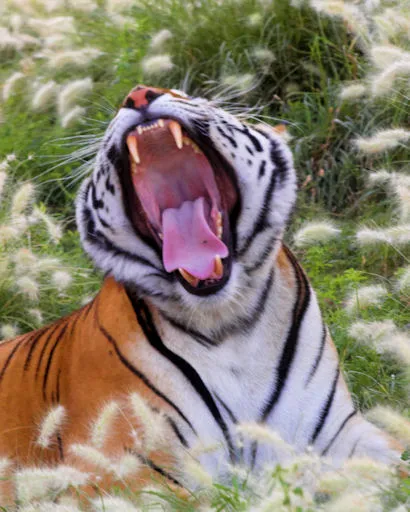
Fig.: वैयाघ्रं विजृम्भणम्
(Image source: Details)
48.4. Word List
श्वस् : tomorrow
अद्य : today
लघु 3: easy (not heavy, not difficult), fast, short (in expression)
व्याकरण n.: Grammar (to व्याकृ)
तन्त्र n.: String ; Loom, warp, fabric ; Basis, norm, rule ; Doctrine, textbook ; Tantra ; Magic formula ; Means, trick, medicine ; Government, authority
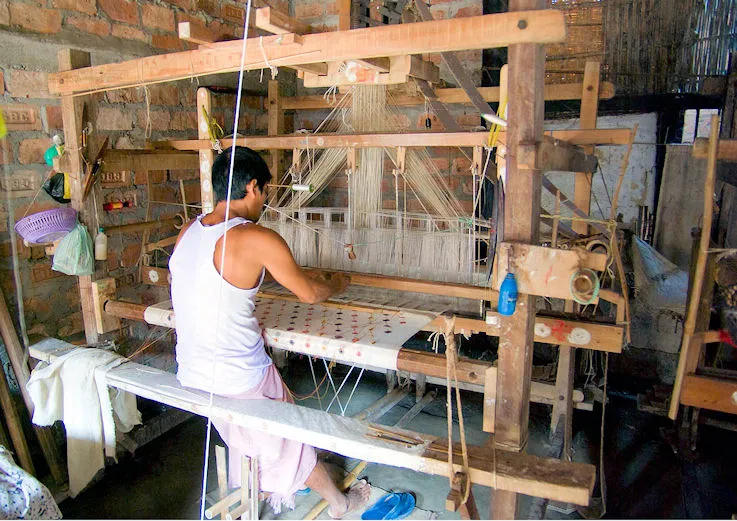
Fig.: तन्त्रम्
Sualkuchi = সুৱালকুচি, Assam = অসম
(Image source: Details)
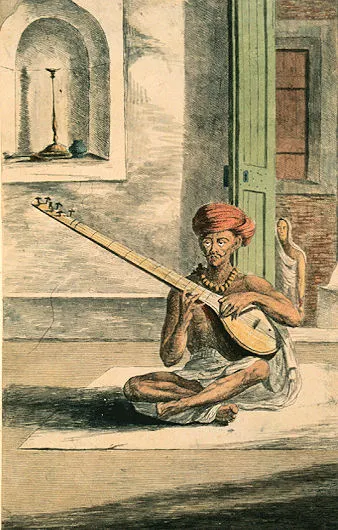
Fig.: तन्त्री
Sitar player = सितारवादकः
(Image source: Details)
स्त्री f.: Woman, wife ; Feminine
Declension:
| स्त्री f. | एकवचनम् | बहुवचनम् |
|---|---|---|
| प्रथमा | स्त्री | स्त्रियस् |
| द्वितीया | स्त्रियम् स्त्रीयम् | स्त्रियस् स्त्रीस् |
| तृतीया | स्त्रिया | स्त्रीभिस् |
| चतुर्थी | स्त्रियै | स्त्रीभ्यस् |
| पञ्चमी | स्त्रियास् | स्त्रीभ्यस् |
| षष्ठी | स्त्रियास् | स्त्रीणाम् |
| सप्तमी | स्त्रियाम् | स्त्रीषु |
| आमन्त्रितम् | स्त्रि | स्त्रियस् |
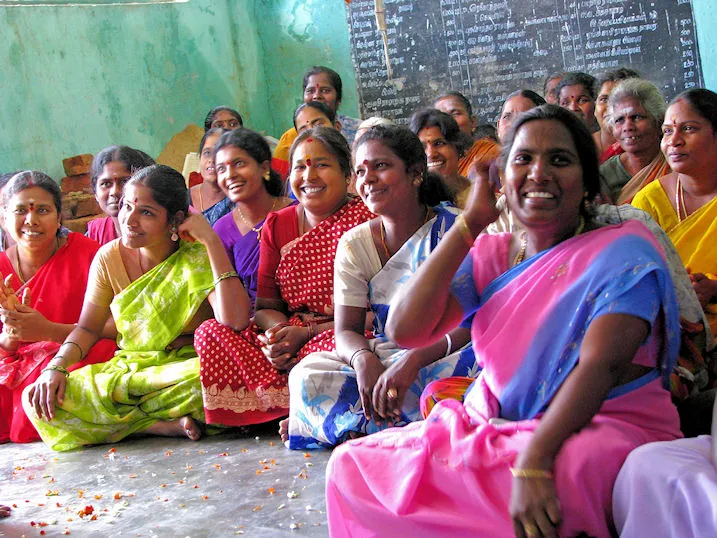
Fig.: स्वतन्त्राः स्त्रियः
Self-help group (SHG), Tamil Nadu = தமிழ்நாடு
(Image source: Details)
दिवानिशम् Adverb: by day and by night
सज्ज् 1P सज्जति : to hang, to adhere
कुमार m.: Child, youth, prince; epithet of कार्तिकेय / Murugan = முருகன் = മുരുകന് / Subrahmanya = ಸುಬ್ರಹ್ಮಣ್ಯ
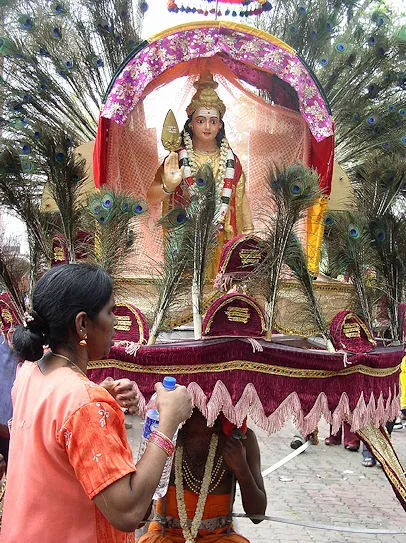
Fig.: कुमारः
Thaipusam festival = தைப்பூசம், Batu Caves, Malaysia
(Image source: Details)
कुमारी f.: Girl, daughter
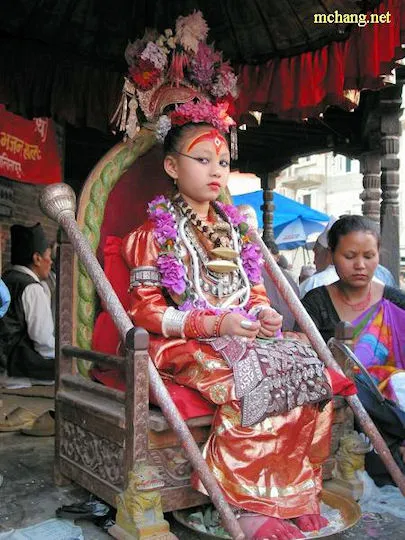
Fig.: कुमारी
नेपाल
(Image source: Details)
कौमर n.: Childhood
यौवन n.: Youth
स्थविर 3: old, aged
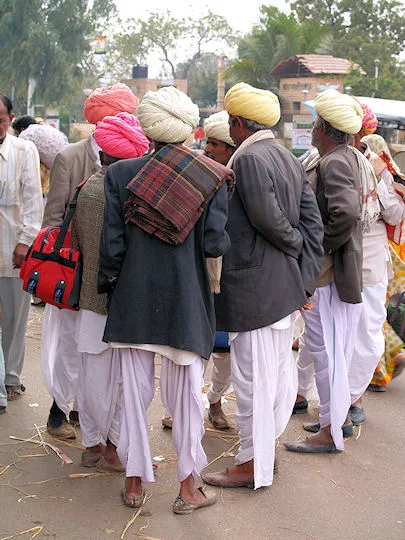
Fig.: स्थविराः
जोधपुर
(Image source: Details)
स्थाविर n.: (high) age
वाच्य 3: also: blameworthy
सूक्ष्म 3: fine, tiny, subtle
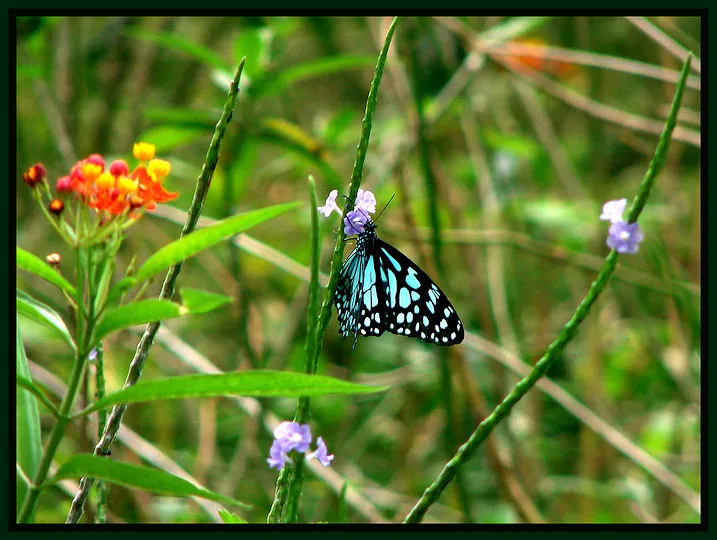
Fig.: सूक्ष्मम्
Karanji Lake = ಕಾರಂಜಿ ಕೆರೆ
(Image source: Details)
प्रसङ्ग m.: attachment, inclination ; opportunity
विशेष m.: difference, peculiarity
प्रसूति f.: birth, offspring
चरित्र n.: custom, habit, customary law ; conduct
जाया f.: wife
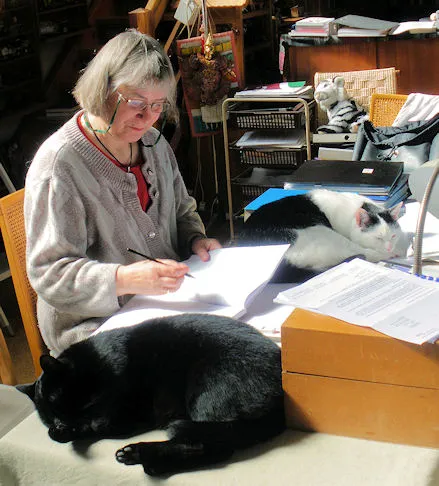
Fig.: मम जाया
(Image: Payer)
(Image source: Details)
48.5. Exercise
A) Translate the सुभाषितानि at the beginning of the lesson.
B) Translate into Sanskrit (use the imperative and preferably roots of the 2nd and 3rd present class):
- After you have received a son, leave the family!
- Offspring of Puru, fear those who have done evil!
- The girls should give food to the beggars.
- We want to speak.
- With the words "Come, monk!" Buddha admitted the man into the monastic order (उपसम्पद् causative).
- Be true descendants of Manu!
- I want to praise शिव and the other gods.
- Tell!
- Measure out the hells!
- They (pl.) should lie on these beds.
- The tiger-like men should kill those who are hostile to Indra.
- Concentrate!
- Sit here!
- We want to eat these fruits.
- The servant should milk the cow.
- King, guard the dharma and the people.
- Teach the students the Veda!
- He should put on new clothes.
- They (pl.) should sit in my house.
- Husbands should maintain their wives (i.e. as in provision).
48.6. Translation exercise
मनुस्मृति ९ (स्त्रीधर्मः):
अस्वतन्त्राः स्त्रियः कार्याः पुरुषैः स्वैर्दिवानिशम् ।
विषयेषु च सज्जन्त्यः संस्थाप्या आत्मनो वशे ॥२॥
पिता रक्षति कौमरे भर्ता रक्षति यौवने ।
रक्षन्ति स्थाविरे पुत्रा न स्त्री स्वातन्त्र्यमर्हति ॥३॥
काले ऽदाता पिता वाच्यो वाच्यश्चानुपनयन्पतिः ।
मृते भर्तरi पुत्रस्तु वाच्यो मातुररक्षिता ॥४॥
सूक्ष्मेभ्यो ऽपि प्रसङ्गेभ्यः स्त्रियो रक्ष्या विशेषतः ।
द्वयोर्हि कुलयोः शोकमावहेयुररक्षिताः ॥५॥
इमं हि सर्ववर्णानां पश्यन्तो धर्ममुत्तमम् ।
यतन्ते रक्षितुं भार्यां भर्तारो दुर्बला अपि ॥६॥
स्वां प्रसूतिं चरित्रं च कुलमात्मानमेव च ।
स्वं च धर्मं प्रयत्नेन जायां रक्षन्हि रक्षति ॥७॥
पतिर्भार्यां संप्रविश्य गर्भो भूत्वेह जायते ।
जायायास्तद्धि जायात्वं यद् अस्यां जायते पुनः ॥८॥
Explanation:
द्वयोर्हि कुलयोः : Gen. (षष्ठी) Dual to द्वे कुले "two families"
lekt4801: [Image source: Gunnlaugur Þ. Briem. -- http://www.flickr.com/photos/gthb/247964428/. -- Accessed on 2009-01-10. -- Creative Commons License (Attribution, non-commercial use, share alike)]
lekt4802: Sualkuchi = সুৱালকুচি, Assam = অসম [Image source: Ken McChesney. -- http://www.flickr.com/photos/kenmak/2083565996/. -- Accessed on 2009-01-10. -- Creative Commons License (Attribution, non-commercial use, share alike)]
lekt4803: Sitar player = सितारवादकः [Image source: Wikipedia. Public domain]
lekt4804: Self-help group (SHG), Tamil Nadu = தமிழ்நாடு [Image source: mckaysavage. -- http://www.flickr.com/photos/mckaysavage/2229752965/. -- Accessed on 2009-01-10. -- Creative Commons License (Attribution, non-commercial use)]
lekt4805: Thaipusam festival = தைப்பூசம், Batu Caves, Malaysia [Image source: tajai. -- http://www.flickr.com/photos/cayce/108707865/. -- Accessed on 2009-01-10. -- Creative Commons License (Attribution)]
lekt4806: नेपाल [Image source: changhg. -- http://www.flickr.com/photos/changhg/100412648/. -- Accessed on 2009-01-10. -- Creative Commons License (Attribution, non-commercial use, no derivatives)]
lekt4807: जोधपुर [Image source: zz77. -- http://www.flickr.com/photos/zz77/2256414024/. -- Accessed on 2009-01-10. -- Creative Commons License (Attribution, non-commercial use, no derivatives)]
lekt4808: Karanji Lake = ಕಾರಂಜಿ ಕೆರೆ [Image source: Nagesh Kamath. -- http://www.flickr.com/photos/nagesh_kamath/2791791571/. -- Accessed on 2009-01-10. -- Creative Commons License (Attribution, share alike)]
lekt4809: (Image: Payer)