
Lesson 53
53.1. नामपदानां द्विवचनम्
The Dual (द्विवचनम्) is used to designate "two":
अश्विनौ "the two Aśvin"
The use of the dual is obligatory where two things, etc., are concerned:
हस्तौ "the hands (of an individual)"
पादौ "the feet (of a human, monkey, or other biped)"
Sometimes the dual designates one male and one female exemplar of the same class (species, genus):
पितरौ "father and mother = parents"
Words meaning "a pair" - e.g. युग n., द्वन्द्व n., द्वय n. - are always used in the singular, unless two or more pairs are meant:
बाहुद्वयम् "a pair of arms"
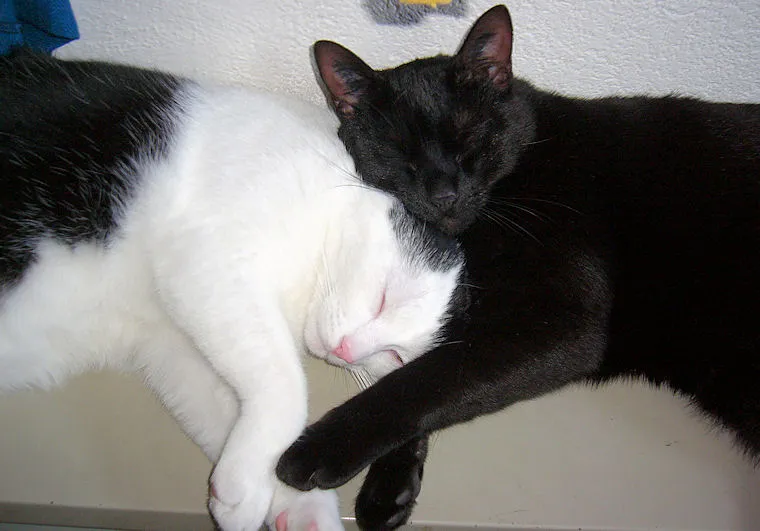
Fig.: मार्जारयुगम्
(Image source: Details)
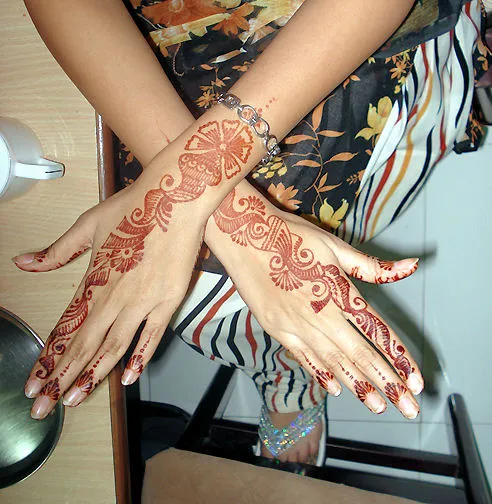
Fig.: हस्तौ
(Image source: Details)
53.2. नामपदानां द्विवचनप्रत्ययाः
| Maskulininum/Feminine पुंस्/स्त्री | Neuter नपुंसक | |
|---|---|---|
| प्रथमा, द्वितीया, आमन्त्रितम् | -au | -ī |
| तृतीया, चतुर्थी, पञ्चमी | -bhyām | |
| षष्ठी, सप्तमी | -os | |
For nouns with stem gradation, the Nom.Acc.Voc. dual m.f. has the strong stem
53.3. हलन्तानां द्विवचनम्
53.3.1. Stems without Stem Gradation
सत्यवाच् 3 "speaking the truth"
| Maskulininum/Feminine पुंस्/स्त्री | Neuter नपुंसक | |
|---|---|---|
| प्रथमा, द्वितीया, आमन्त्रितम् | सत्यवाचौ | सत्यवाची |
| तृतीया, चतुर्थी, पञ्चमी | सत्यवाग्भ्याम् | |
| षष्ठी, सप्तमी | सत्यवाचोस् | |
बलिन 3 "(especially) strong"
| Maskulininum पुंस् | Neuter नपुंसक | |
|---|---|---|
| प्रथमा, द्वितीया, आमन्त्रितम् | बलिनौ | बलिनी |
| तृतीया, चतुर्थी, पञ्चमी | बलिभ्याम् | |
| षष्ठी, सप्तमी | बलिनोस् | |
सुमनस् 3 "well-disposed"
| Maskulininum/Feminine पुंस्/स्त्री | Neuter नपुंसक | |
|---|---|---|
| प्रथमा, द्वितीया, आमन्त्रितम् | सुमनसौ | सुमनसी |
| तृतीया, चतुर्थी, पञ्चमी | सुमनोभ्याम् | |
| षष्ठी, सप्तमी | सुमनसोस् | |
हविस् n. "sacrificial offering"
| Neuter नपुंसक | |
|---|---|
| प्रथमा, द्वितीया, आमन्त्रितम् | हविषी |
| तृतीया, चतुर्थी, पञ्चमी | हविर्भ्याम् |
| षष्ठी, सप्तमी | हविषोस् |
दीर्घायुस् 3 "long-lived"
| Maskulininum/Feminine पुंस्/स्त्री | Neuter नपुंसक | |
|---|---|---|
| प्रथमा, द्वितीया, आमन्त्रितम् | दीर्घायुषौ | दीर्घायुषी |
| तृतीया, चतुर्थी, पञ्चमी | दीर्घायुर्भ्याम् | |
| षष्ठी, सप्तमी | दीर्घायुषोस् | |
53.3.2. Tribes with Tribal Stratification
Present Participle Parasmaipada
भरन्त् 3 "bearing"
| Maskulininum पुंस् | Neuter नपुंसक | |
|---|---|---|
| प्रथमा, द्वितीया, आमन्त्रितम् | भरन्तौ | भरन्ती (!) |
| तृतीया, चतुर्थी, पञ्चमी | भरद्भ्याम् | |
| षष्ठी, सप्तमी | भरतोस् | |
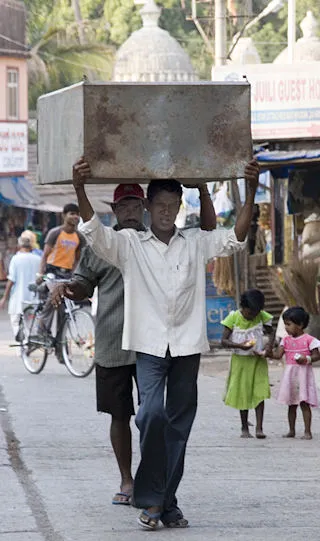
Fig.: भरन्तौ
(Image source: Details)
ददत् 3 "giving"
| Maskulininum पुंस् | Neuter नपुंसक | |
|---|---|---|
| प्रथमा, द्वितीया, आमन्त्रितम् | ददतौ | ददती |
| तृतीया, चतुर्थी, पञ्चमी | ददद्भ्याम् | |
| षष्ठी, सप्तमी | ददतोस् | |
Stems in -mant/-vant
पशुमन्त् 3 "possessing cattle"
| Maskulininum पुंस् | Neuter नपुंसक | |
|---|---|---|
| प्रथमा, द्वितीया, आमन्त्रितम् | पशुमन्तौ | पशुमती |
| तृतीया, चतुर्थी, पञ्चमी | पशुमद्भ्याम् | |
| षष्ठी, सप्तमी | पशुमतोस् | |
महान्त् 3 "great"
| Maskulininum पुंस् | Neuter नपुंसक | |
|---|---|---|
| प्रथमा, द्वितीया, आमन्त्रितम् | महान्तौ | महती |
| तृतीया, चतुर्थी, पञ्चमी | महद्भ्याम् | |
| षष्ठी, सप्तमी | महतोस् | |
आत्मन् m.
| Maskulininum पुंस् | |
|---|---|
| प्रथमा, द्वितीया, आमन्त्रितम् | आत्मानौ |
| तृतीया, चतुर्थी, पञ्चमी | आत्मभ्याम् |
| षष्ठी, सप्तमी | आत्मनोस् |
ब्रह्मन् n.
| Neuter नपुंसक | |
|---|---|
| प्रथमा, द्वितीया, आमन्त्रितम् | ब्रह्मणी |
| तृतीया, चतुर्थी, पञ्चमी | ब्रह्मभ्याम् |
| षष्ठी, सप्तमी | ब्रह्मणोस् |
राजन् m. "king"
| Maskulininum पुंस् | |
|---|---|
| प्रथमा, द्वितीया, आमन्त्रितम् | राजानौ |
| तृतीया, चतुर्थी, पञ्चमी | राजभ्याम् |
| षष्ठी, सप्तमी | राज्ञोस् |
सीमन् f. "boundary"
| Feminine स्त्री | |
|---|---|
| प्रथमा, द्वितीया, आमन्त्रितम् | सीमानौ |
| तृतीया, चतुर्थी, पञ्चमी | सीमभ्याम् |
| षष्ठी, सप्तमी | सीम्नोस् |
नामन् n. "name"
| Neuter नपुंसक | |
|---|---|
| प्रथमा, द्वितीया, आमन्त्रितम् | नाम्नी sig[नामानी] |
| तृतीया, चतुर्थी, पञ्चमी | नामभ्याम् |
| षष्ठी, सप्तमी | नाम्नोस् |
53.4. अजन्तानां द्विवचनम्
Stems in -a
देव m. "god"
फल n. "fruit"
| Maskulininum पुंस् | Neuter नपुंसक | |
|---|---|---|
| प्रथमा, द्वितीया, आमन्त्रितम् | देवौ | फले |
| तृतीया, चतुर्थी, पञ्चमी | देवाभ्याम् | फलाभ्याम् |
| षष्ठी, सप्तमी | देवयोस् | फलयोस् |
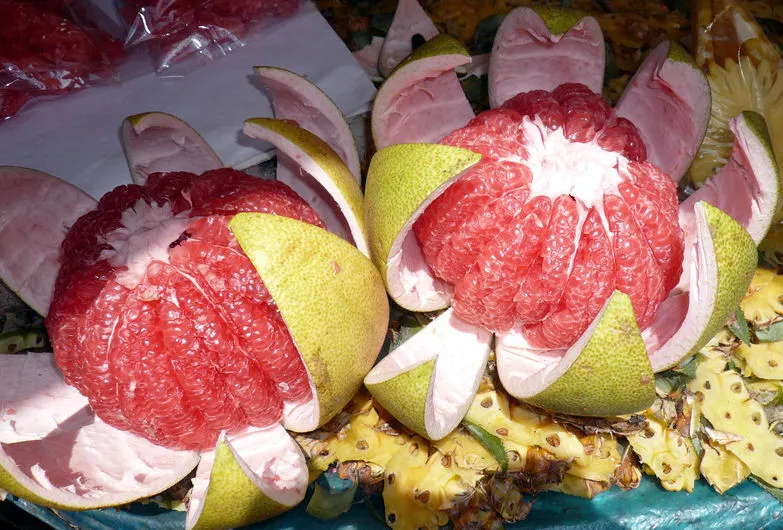
Fig.: फले
(Image source: Details)
Stems in -i
अग्नि m. "fire"
वारि n. "water"
मति f. "thought"
| Maskulininum पुंस् | Feminine स्त्री | Neuter नपुंसक | |
|---|---|---|---|
| प्रथमा, द्वितीया, आमन्त्रितम् | अग्नी | मती | वारिणी |
| तृतीया, चतुर्थी, पञ्चमी | अग्निभ्याम् | मतिभ्याम् | वारिभ्याम् |
| षष्ठी, सप्तमी | अग्न्योस् | मत्योस् | वारिणोस् |
Stems in -u
शत्रु m.
धिनु f.
मधु n.
| Maskulininum पुंस् | Feminine स्त्री | Neuter नपुंसक | |
|---|---|---|---|
| प्रथमा, द्वितीया, आमन्त्रितम् | शत्रू | धेनू | मधुनी |
| तृतीया, चतुर्थी, पञ्चमी | शत्रुभ्याम् | धेनुभ्याम् | मधुभ्याम् |
| षष्ठी, सप्तमी | शत्र्वोस् | धेन्वोस् | मधुनोस् |
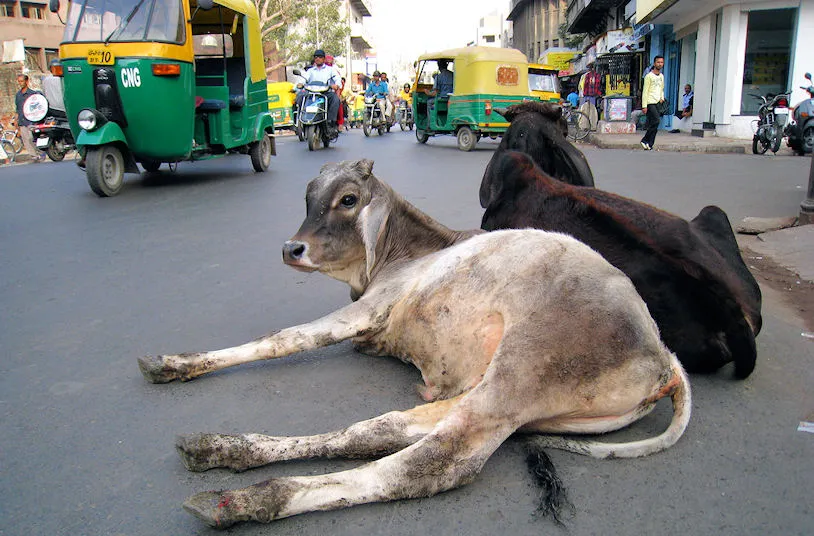
Fig.: धेनू
(Image source: Details)
Stems in -ā
कन्या f. "girl"
| Feminine स्त्री | |
|---|---|
| प्रथमा, द्वितीया, आमन्त्रितम् | कन्ये |
| तृतीया, चतुर्थी, पञ्चमी | कन्याभ्याम् |
| षष्ठी, सप्तमी | कन्ययोस् |
Polysyllabic stems in -ī
देवी f. "goddess"
| Feminine स्त्री | |
|---|---|
| प्रथमा, द्वितीया, आमन्त्रितम् | देव्यौ |
| तृतीया, चतुर्थी, पञ्चमी | देवीभ्याम् |
| षष्ठी, सप्तमी | देव्योस् |
Stems in -ṛ
दातृ 3 "giver"
| Maskulininum/Feminine पुंस्/स्त्री | Neuter नपुंसक | |
|---|---|---|
| प्रथमा, द्वितीया, आमन्त्रितम् | दातारौ | दातृणी |
| तृतीया, चतुर्थी, पञ्चमी | दातृभ्याम् | |
| षष्ठी, सप्तमी | दात्रोस् | |
पितृ m. "father"
| Maskulininum पुंस् | |
|---|---|
| प्रथमा, द्वितीया, आमन्त्रितम् | पितरौ |
| तृतीया, चतुर्थी, पञ्चमी | पितृभ्याम् |
| षष्ठी, सप्तमी | पित्रोस् |
53.5. Dual dvandva
Examples:
अर्थधर्मौ "benefit (अर्थ) and dharma"
युधिष्ठिरार्जुनौ "Yudhiṣṭhira and Arjuna"
सुखदुःखे (alongside: सुखदुःखम्) "happiness and suffering"
शीतोष्णे "cold and heat"
When two kinship terms in -ṛ (or two nouns in -ṛ that are designations for sacrificial priests) are compounded into a dvandva, the first member stands in the form of the nominative singular:
मातापितरौ "mother and father"
The same occurs with such a kinship term in a dvandva before -पुत्र :
पितापुत्रौ "father and son"
When the names of two deities, usually mentioned in sacrifices, form a dvandva, the final vowel of the first member is usually lengthened:
मित्रावरुणौ "Mitra and Varuṇa"
अग्नीसोमौ "Agni and Soma"
This vowel lengthening also occurs with other Dvandva.
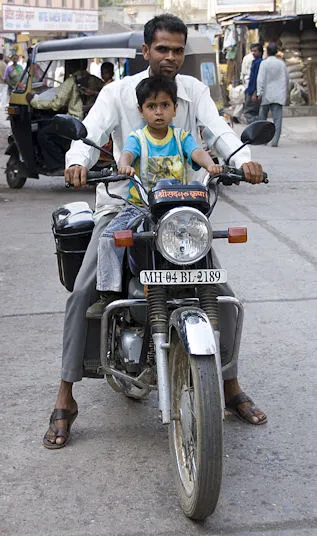
Fig.: पितापुत्रौ
(Image source: Details)
53.6. सर्वनाम्नां द्विवचनम्
| तद् | एतद् | इदम् | यद् | किम् | ||||
|---|---|---|---|---|---|---|---|---|
| Masculine | ||||||||
| प्रथमा | तौ | एतौ | इमौ | यौ | कौ | |||
| द्वितीया | तौ | एतौ एनौ | इमौ एनौ | यौ | कौ | |||
| तृतीया, चतुर्थी, पञ्चमी | ताभ्याम् | एताभ्याम् | आभ्याम् | याभ्याम् | काभ्याम् | |||
| षष्ठी, सप्तमी | तयोस् | एतयोस् एनयोस् | अनयोस् एनयोस् | ययोस् | कयोस् | |||
| Neuter | ||||||||
| प्रथमा | ते | एते | इमे | ये | के | |||
| द्वितीया | ते | एते एने | इमे एने | ये | के | |||
| Rest wie Masculine | ||||||||
| Feminine | ||||||||
| प्रथमा | ते | एते | इमे | ये | के | |||
| द्वितीया | ते | एते एने | इमे एने | ये | के | |||
| Rest wie Masculine | ||||||||
कतर 3 "who of two" and कतम 3 "who of several" are declined in all cases like यद्.
53.7. Pronominal Adjectives
The following pronominal adjectives are declined in all cases like यद्:
अन्य 3 "another"
अन्यतर 3 "one of two"
इतर 3 "the other"
सर्व 3 "every, all" is declined in all cases except the Nom.Akk.sg.n (सर्वम्) like यद्.
उभय 3 "both" has no dual. In the singular and plural masculine and neuter, it is declined like सर्व. Feminine: उभयी (like देवी).
उभ 3 "both" is used only in the dual and is declined like देव m., फल n. or देवता f.
The following pronominal adjectives are declined like सर्व. In the Abl.Lok.sg.m.n as well as in the Nom.pl., they can be declined according to the -a- or -ā-declension:
- अपर 3 "another"
- उत्तर 3 "the upper, northern, following"
- पर 3 "the following, later"
- पूर्व 3 "the preceding, eastern"
- स्व 3 "own (my, your, his ...)"
53.8. Irregular Comparison
A number of adjectives form the comparative or superlative with the following कृत् suffixes (!):
- Comparative: -īyas
- Superlative: -iṣṭha
While the तद्धित suffixes -तर and -तम attach to the masculine stem of the adjective, the suffixes -ईयस् and -इष्ठ are attached to the root from which the adjective is derived (if such a root exists!). The root vowel is in the guṇa grade.
Superlatives in -iṣṭha (Fem.: iṣṭhā) are declined like a- or ā-stems.
Deklination von -īyas siehe unten.
Examples:
| Root | Adjective | Comparative | Superlative |
|---|---|---|---|
| क्षिप् 6P "to throw" | क्षिप्र 3 "fast" | sig[क्षेपीयस्] 3 "schneller" क्षिप्रतर 3 | sig[क्षेपिष्ठ] 3 "am schnellsten" क्षिप्रतम 3 |
| स्था 1P "stand" | स्थिर 3 "constant, firm" | sig[स्थेयस्] 3 "fester" स्थिरतर 3 | sig[स्थेष्ठ] 3 "am festesten" स्थिरतम 3 |
Special rules for the attachment of these suffixes:
Rule 1: The final vowel of a multisyllabic masculine stem, or the final vowel and the preceding vowel, drop.
Examples:
| Adjective | Comparative | Superlative |
|---|---|---|
| पाप 3 "evil" | पापीयस् | पापिष्ठ |
| महान्त् 3 "great" | महीयस् | महिष्ठ |
Rule 2: Possessive suffixes (-mant, vant, -vin, -in, etc.) drop. If the remaining part consists of only one syllable, it is not further changed; only sound changes caused by the connection with the possessive suffix are reversed. If the remainder consists of more than one syllable, Rule 1 applies.
Examples:
| Adjective | Comparative | Superlative |
|---|---|---|
| धनवन्त् 3 "rich" | धनीयस् | धनिष्ठ |
| बलिन् 3 "(especially) strong" | बलीयस् | बलिष्ठ |
| वसुमन्त् "possessing goods" | वसीयस् | वसिष्ठ |
Rule 3: For -ṛ-, preceded by an initial vowel and followed by only a single consonant, -ra- is substituted.
Example:
| Adjective | Comparative | Superlative |
|---|---|---|
| पृथु 3 "broad" | प्रथीयस् | प्रथिष्ठ |
List of the most common inflectional forms of this type for adjectives learned so far:
| Adjective | Comparative | Superlative |
|---|---|---|
| अल्प 3 "small, little" | अल्पीयस् | अल्पिष्ठ |
| क्षिप्र 3 "schnell" (zu क्षिप्) | क्षेपीयस् | क्षेपिष्ठ |
| गुरु 3 "schwer" (zu *गृ) | गरीयस् | गरिष्ठ |
| दीर्घ 3 "lang" (zu *दृघ्) | द्राघीयस् | द्राघिष्ठ |
| दूर 3 "fern" (zu दु/दू) | दवीयस् | दविष्ठ |
| धनवन्त् 3 "rich" | धनीयस् | धनिष्ठ |
| पाप 3 "evil" | पापीयस् | पापिष्ठ |
| पृथु 3 "broad" | प्रथीयस् | प्रथीष्ठ |
| प्रिय 3 "beloved" | प्रेयस् | प्रेष्ठ |
| बलिन् 3 "(especially) strong" | बलीयस् | बलिष्ठ |
| महान्त् 3 "great" | महीयस् | महिष्ठ |
| युवन् 3 "young" | यवीयस् | यविष्ठ |
| स्थिर 3 "fest" (zu स्था) | स्थेयस् | स्थेष्ठ |
| ह्रस्व 3 "short" | ह्रसीयस् | ह्रसिष्ठ |
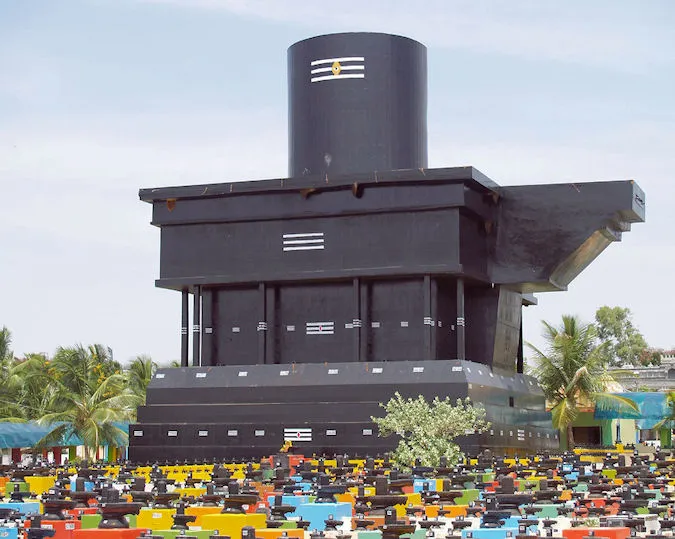
Fig.: द्राघीयो लिङ्गम्
(Image source: Details)
Some inflectional forms of this type have no root-related base form at all; they are "defective". Therefore, the following sequences must be memorized especially well:
| (Adjective) | Comparative | Superlative |
|---|---|---|
| (अल्प 3 "small, little") | कनीयस् vgl. कन्या f. "Mädchen = die Kleine" | कनिष्ठ |
| (प्रशस्य 3 "praiseworthy, good") | श्रेयस् zu श्री f. "Glanz" | श्रेष्ठ |
| (प्रशस्य 3 "praiseworthy, good") | ज्यायस् auch: "älter" zu ज्या f. "Übergewalt" | ज्येष्ठ auch: "am ältesten" |
| (बहु 3 "much") | भूयस् | भूयिष्ठ |
| (वृद्ध 3 "old") | वर्षीयस् zu वर्ष n.m. "Regenzeit, Jahr" | वर्षिष्ठ |
| (वृद्ध 3 "old") | ज्यायस् auch: "besser" zu ज्या f. "Übergewalt" | ज्येष्ठ auch: "bester" |
53.9. Declension of Comparative Adjectives in -īyas
Comparative adjectives in -īyas form the feminine in -īyasī (declension like देवी). The masculine and neuter are declined according to the following paradigm.
| एकवचनम् | द्विवचनम् | बहुवचनम् | ||||
|---|---|---|---|---|---|---|
| पुमान् | नपुंसकम् | पुमान् | नपुंसकम् | पुमान् | नपुंसकम् | |
| प्रथमा | गरीयान् | गरीयस् | गरीयांसौ | गरीयसी | गरीयांसस् | गरीयांसि |
| द्वितीया | गरीयांसम् | गरीयस् | गरीयसस् | |||
| तृतीया | गरीयसा | गरीयोभ्याम् | गरीयोभिस् | |||
| चतुर्थी | गरीयसे | गरीयोभ्यस् | ||||
| पञ्चमी | गरीयसस् | |||||
| षष्ठी | गरीयसस् | गरीयसोस् | गरीयसाम् | |||
| सप्तमी | गरीयसि | गरीयस्सु | ||||
| आमन्त्रितम् | गरीयान् | गरीयस् | गरीयांसौ | गरीयसी | गरीयांसस् | गरीयांसि |
53.10. Metrics (Study of Verse Measures)
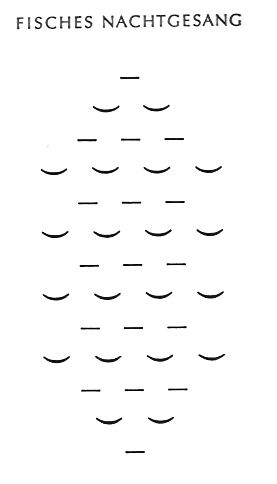
Fig.: क्रिश्चियन-मोर्गन्स्टर्न्
(Image source: Details)
See also:
Payer, Alois <1944 - >: Introduction to the Exegesis of Sanskrit Texts : Script. -- Ch. 8: The Actual Exegesis, Part II: On Specific Questions of Synchronous Understanding. -- Appendix B: On the Metrics of Sanskrit Texts. -- URL: http://www.payer.de/exegese/exeg08b.htm
53.10.1. Significance of Determining the Meter
The determination of the meter is important for the following reasons:
- Aesthetic: The verse measure contributes, among other things, to the beauty of a statement. Furthermore, certain verse measures may serve to express specific moods, or they are associated with specific social classes (वर्ण). The various verse measures are recited differently. :br A good impression of the aesthetic effect can be gained, for example, from the recitation of the शिवताण्डवस्तोत्र (Ode to Śiva's Dance): http://de.youtube.com/watch?v=5KjfiJlkO58
- Text-critical: Errors in the verse measure can be an indication that the text has not been transmitted correctly at a certain point. The verse measure helps to make textual emendations.
- Chronological: certain verse measures underwent specific changes over the course of history. This can assist in the approximate dating of a text. See Oldenberg, Hermann <1854 - 1920>: On the History of the Triṣṭhubh ; idem: On the History of the Śloka. -- Both reprinted in: :br Oldenberg, Hermann <1854 - 1920>: Small Writings / Hermann Oldenberg. Ed. by Klaus L. Janert. -- Wiesbaden : Steiner. -- 3 vols. -- (Glasenapp Foundation ; ...). -- Vol. 2. -- 1967. -- pp. 1188 - 1255.
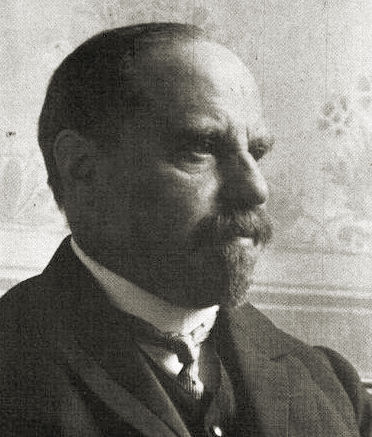
Fig.: हर्मन्-ओल्डन्बेर्ग्
(Image source: Details)
53.10.2. Types of Metres
The Indians distinguish:
- वृत्त n.: metres in which the number of syllables (अक्षर) is fixed
- जाति f.: metres in which the sum of the metrical units of length (मात्रा) (morae) is fixed (regarding these, later)
Regarding the metres in which the number of syllables is fixed (वृत्त), one can initially distinguish further:
- metres in which the number of syllables is fixed, but the quantity of these syllables only partially
- metres in which the number of syllables and their quantity are fixed
53.10.3. The metrical quantity of syllables
Mnemonic verse
सानुस्वारश्च दीर्घश्च
विसर्गी च गुरुर्भवेत् ।
वर्णः संयोगपूर्वश्च
तथा पादान्तगो ऽपि वा ॥
"A syllable is heavy,
- wenn ihr Vokal einen Anusvāra hat,
- if it is long,
- if it has a visarga,
- likewise if it stands before a consonant cluster
- as well as if the syllable stands at the end of a quarter-verse (pāda)."
A syllable is
- either लघु = light
- or गुरु = heavy
लघु = light is a syllable if
- its vowel is short and to this vowel
- kein Anusvāra,
- no visarga,
- not two consonants follow.
Kurze Vokale sind a, i, u, ṛ, ḷ
All other syllables are गुरु = heavy. The last syllable of a quarter-verse (पाद) always counts as गुरु.
In metrical analysis this means:
- ◡ = ल = लघु
- — = ग = गुरु
- × = लघु or गुरु
- / = caesura (word division)
Example: भगवद्गीता १,१:
धर्मक्षेत्रे कुरुक्षेत्रे समवेता युयुत्सवः ।
मामकाः पाण्डवाश्चैव किम् अकुर्वत संजय ॥१॥
Distribution of लघु and गुरु :
— — — — ◡ — — — ◡ ◡ — — ◡ — ◡ —
— ◡ — — ◡ — — — ◡ ◡ — ◡ ◡ — ◡ —
53.10.4. The epic Śloka (श्लोक m.)
Mnemonic verse:
श्लोके षष्ठं गुरु ज्ञेयं
सर्वत्र लघु पञ्चमम् ।
द्विचतुष्पादयोर्ह्रस्वं
सप्तमं दीर्घमन्ययोः ॥
"In the śloka, the sixth syllable of a pāda is heavy,
the fifth in all pādas is light
The seventh syllable is short in the second and fourth pāda, long in the other two."
The most important verse measure in the epics (महाभारत, रामायण) as well as countless other works is the śloka ("call", "sound", "stanza" to श्रु "to hear").
The श्लोक is a double verse consisting of half-verses of 16 syllables each. Each half-verse again divides into two quarter-verses (पाद) of 8 syllables each. Each quarter-verse divides into two parts of 4 syllables each. The entire verse (पद्य n.) thus consists of four पाद (m. "foot, quarter"). The four पाद are numbered consecutively with a, b, c, (क्, ख्, ग्, घ्).
Structure of the śloka:
Basic scheme (पथ्या):
a = c:
× × × × ◡ — — —
b = d:
× × × × ◡ — ◡ —
The second and third syllable of a पाद should not simultaneously be लघु. In b and d, syllables 2–4 may not be ¯ ˘ ¯.
Subsidiary schemes (विपुला) for a and c:
विपुला 1:
× × × — ◡ ◡ ◡ —
विपुला 2:
× — ◡ — — ◡ ◡ —
विपुला 3:
× — ◡ — — / — — —
विपुला 4:
× × × × / — ◡ — —
In all Śloka forms, the main caesura is at the end of the 2. पाद: there is either word end or — in the case of long compounds — end of a compound component.
53.11. Exercise
Determine among all verses learned so far the Ślokas. Write down the metrical scheme for these. Point out any irregularities or Vipulā forms.
Finitum feliciter 1984-02-15
Editio interretialis feliciter finita 2009-01-19
Alois Maria Payer
श्रीगणेशाय नमः
Sources
Payer, Alois <1944 - >: Sanskrit Course. -- 53. Lesson 53 (Semester Break). -- Version from 2009-01-19. -- URL: http://www.payer.de/sanskritkurs/lektion53.htm
Finitum feliciter 1984-02-15
Editio interretialis feliciter finita 2009-01-19
Alois Maria Payer
श्रीगणेशाय नमः
Payer, Alois <1944 - >: Sanskrit Course. -- 53. Lesson 53 (Semester Break). -- Version from 2009-01-19. -- Image source of the original table 53.9: Screenshot of the original source (Payer).