
Exercise 24
A) Form the Dative Singular and the Dative (respectively Ablative) Plural and provide the meaning of the nominal stem:
| Word | Meaning | Dative Sg. | Dative Pl. |
|---|---|---|---|
| १. श्रव | Hearing | श्रवणाय | श्रवणेभ्यः |
| २. भवन | Becoming | भवाय | भवनेभ्यः |
| ३. गति (f.) | Path, Goal | गतये / गत्यै | गतिभ्यः |
| ४. ऋषि | ved. Sage | ऋषये | ऋषिभ्यः |
| ५. सुख | Happiness | सुखाय | सुखेभ्यः |
| ६. गमन | Going | गमनाय | गमनेभ्यः |
| ७. जय | Victory | जयाय | जयेभ्यः |
| ८. साधु | good | साधवे (m.) / साध्व्यै (f.) | साधुभ्यः / साध्वीभ्यः |
| ९. धेनु (f.) | Milk-cow | धेनवे / धेन्वै | धेनुभ्यः |
| १०. शूद्रा | Śūdra-woman | शूद्रायै | शूद्राभ्यः |
| ११. ब्राह्मणी | Brahmin-woman | ब्राह्मण्यै | ब्राह्मणीभ्यः |
| १२. अग्नि | Fire | अग्नye | अग्निभ्यः |
| १३. एतद् | this | एतस्मै (m/n) / एतस्यै (f) | एतेभ्यः / एताभ्यः |
| १४. सन्त् | being, true | सते (m/n) / सत्यै (f) | सद्भ्यः / सतीभ्यः |
| १५. बुद्धिमन्त् | insightful | बुद्धिमते (m/n) / बुद्धिमत्यै (f) | बुद्धिमद्भ्यः / बुद्धिमतीभ्यः |
| १६. यज्ञ | Sacrifice | यज्ञाय | यज्ञेभ्यः |
| १७. वचन | Speech | वचनाय | वचनेभ्यः |
| १८. सत्यवन्त् | truthful | सत्यवते | सत्यवद्भ्यः |
| १९. स्मृति (f.) | Tradition | स्मृतये / स्मृत्यै | स्मृतिभ्यः |
| २०. सर्ग | Creation | सर्गाय | सर्गेभ्यः |
| २१. स्वर्ग | Heaven | स्वर्गाय | स्वर्गेभ्यः |
| २२. दर्शन | Seeing | दर्शनाय | दर्शनेभ्यः |
| २३. सृष्टि (f.) | Creation | सृष्टये / सृष्ट्यै | सृष्टिभ्यः |
| २४. अर्हन्त् | worthy | अर्हते | अर्हद्भ्यः |
| २५. भक्ति (f.) | Devotion | भक्तये / भक्त्यै | भक्तिभ्यः |
| २६. दोष | Fault | दोषाय | दोषेभ्यः |
| २७. पूजा | Veneration | पूजायै | पूजाभ्यः |
| २८. दासी | Servant | दास्यै | दासीभ्यः |
| २९. गुरु | Master | गुरवे (m) / गुर्व्यै (f) | गुरुभ्यः / गुर्वीभ्यः |
B) Translate and resolve the compounds in Sanskrit:
१. ब्राह्मणो देवप्रतिमादर्शनाय गर्भगृहं विशati ॥१॥
(देवस्य प्रतिमाया दर्शनाय । गर्भ एव गृहम्)
The Brahmin enters the inner sanctuary to see the image of the god.
२. नरा धनलाभाय व्रतानि चरन्ति ॥२॥
(धनस्य लाभाय)
People make vows in order to become rich.
३. गुरुर्धर्मोपदेशाय नगरं गतः ॥३॥
(धर्मस्योपदेशाय)
The Master has gone into the city in order to teach Dharma.
४. बाला अपि गुरुवचनश्रुत्यै नगरं गताः ॥४॥
(गुरोर्वचनस्य श्रुत्यै)
Even the children have gone into the city in order to hear the speech of the Master.
५. देवप्रतिमायै गृहं गर्भगृहम् ॥५॥
(देवस्य प्रतिमायै । गर्भ एव गृहम्)
The inner sanctuary is a building for the image of the god.
६. स्वर्गेभ्यो नराः पुण्यं कर्तुमिच्छन्ति ॥६॥
People wish to do meritorious deeds for the sake of Heaven.
७. मोक्षार्थं बुद्धगता बुद्ध्याप्तिमिच्छन्ति ॥७॥
(मोक्षस्यार्थम् । बुद्धं गताः । बुद्धेराप्तिम्)
In order to be liberated, insightful ones wish to attain liberating insight.
८. देवास्तेभ्यो ऽकृतपुजाब्रामणेभ्यः क्रुध्यन्ति ॥८॥
(न कृता पूजा यैस्तेभ्यो ब्राह्मणेभ्यः)
The gods are angry with these Brahmins, who rendered them no veneration.
९. मरणाय जना जायन्ते ॥९॥
To die, beings are born.
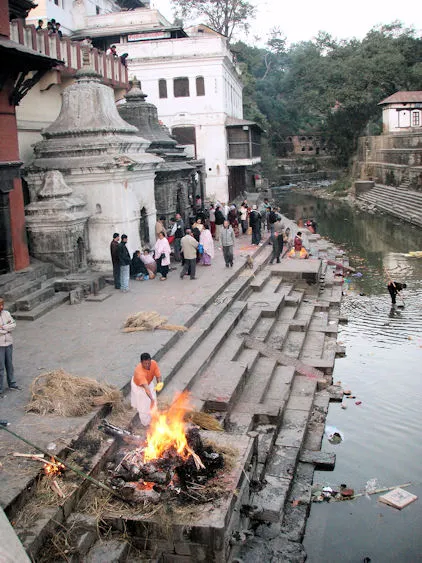
Fig.: मरणाय जना जायन्ते
(Image source: Details)
Syntactic Variations
C) In sentences B) 1–4, replace the Datives with Infinitives (तुमुन्):
१. ब्राह्मणो देवप्रतिमां द्रष्टुं गर्भगृहं विशति ॥
२. नरा धनं लब्धुं व्रतानि चरन्ति ॥
३. गुरुर्धर्ममुपदेष्टुं नगरं गतः ॥
४. बाला अपि गुरुवचनं श्रोतुं नगरं गताः ॥
D) In sentence B) 7, replace the construction with -अर्थ with a Dative:
मोक्षाय बुद्धगता बुद्ध्याप्तिमिच्छन्ति ॥
E) In sentence B) 6, replace the Dative with a construction using -अर्थ:
स्वर्गार्थं (or: स्वर्गार्थाय / स्वर्गार्थेन) नराः पुण्यं कर्तुमिच्छन्ति ॥
Additional Translation Exercises
The goddess, to whom no sacrifice has been made, becomes angry with humans.
अनिष्टदेवी नरेभ्यः क्रुध्यति । (or: कुप्यति ॥)He lets the cow into the village.
ग्रामाय धेनुं मुञ्चति ॥That's enough! (Enough with the patience!)
अलं क्षमया ॥That is good for a Brahmin.
एतद्ब्राह्मणाय सुखम् । (or: हितम् ॥)Salutations to Śiva! Salutations to Śrī Gaṇeśa!
शिवाय नमः । श्रीगणेशाय नमः ॥Farewell! (May you prosper!)
स्वस्ति भवते । (or: भवद्भ्यः / भवत्यै / भवतीभ्यः ॥)This fruit is sufficient for eating.
इदं फलं अलं खादनाय ॥A warrior is a match for (the other) warrior.
शक्तो योधो योधाय ॥Even Viṣṇu does not surpass Śiva.
विष्णुरपि शिवाय न प्रभवति ॥After I have bowed before the three sages... He bows before Narasiṃha.
मुनित्रयं नमस्कृत्य... । नरसिंहाय नमस्करोति ॥Welcome to you! Welcome to the queen!
स्वागतं भवद्भ्यः । स्वागतं देव्यै ॥I wish you prosperity!
भवद्भ्यः कुशलम् ॥He does not regard him as a blade of grass.
न तं तृणाय मन्यते ॥One fruit is sufficient for eating and water for drinking.
अलं फलं खादनाय पानाय जलम् ॥Farewell! (Neo-Sanskrit)
पुनर्दर्शनाय ॥
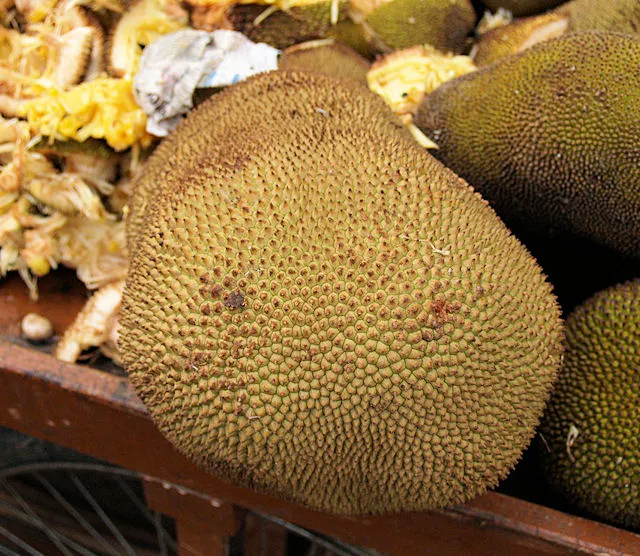
Fig.: इदं फलं अलं खादनाय
(Image source: Details)