
Lesson 25
25.1. Formation of the Ablative (पञ्चमी = "fifth case ending")
Except for masculines/neuters ending in -a as well as the pronouns, in the singular, in all declension classes, the forms of the ablative (पञ्चमी) are identical to those of the genitive (षष्ठी).
Except for the personal pronouns, in all declensions, in the plural, the forms of the ablative are identical to those of the dative (चतुर्थी).
Now you recognize the reason for the order of the cases (विभक्ति) in Sanskrit: they are arranged such that identical forms stand as close together as possible — or among each other.
Ablative singular of masculines/neuters ending in -a
- deva (देव) → devāt (देवात्)
Interrogative, relative, and demonstrative pronouns:
| Ablative Singular Masculine / Neuter | Ablative Singular Feminine | |
|---|---|---|
| किम् | kasmāt (कस्मात्) | kasyāḥ (कस्याः) |
| यद् | yasmāt (यस्मात्) | yasyāḥ (यस्याः) |
| तद् | tasmāt (तस्मात्) | tasyāḥ (तस्याः) |
| एतद् | etasmāt (एतस्मात्) | etasyāḥ (एतस्याः) |
| इदम् | asmāt (अस्मात्) | asyāḥ (अस्याः) |
25.2. Usage of the Ablative (पञ्चमी)
"The ablative denotes that which remains fixed when something departs from it."
Pāṇini 2,3,28 + 1,4,24
The ablative is used primarily for the questions "From where?", "Why?".
1. The ablative thus denotes the starting point, the origin, and the material.
The ablative can therefore also denote the person from whom one buys, hears, wishes, etc.
Examples:
ग्रमादागच्छति = "He comes from the village"
अश्वात्पतितः = "fallen from the horse"
तेभ्यो लब्धम् = "received from them (here)"
Examples:
गुरोर्धर्मं शृणोति = "he hears from the teacher about the dharma"
ब्राह्मणः क्षत्रियाद्धेनुमिच्छति = "the brāhmaṇa wishes from the kṣatriya a milk cow"
2. The ablative is used with verbs meaning "to abstain from", "to protect from", "to defend against", "to fear":
Example:
अरिभ्यो रक्षति = "he protects from the enemies"
3. The ablative denotes the reason or cause:
Examples:
क्रोधात्पुत्रं हन्ति = "He kills his son out of anger"
कृतपापत्वान्नरकं गच्छति = "Because he has done evil, he comes to hell" (« Because he is one through whom evil was done)
पापकरणान्नरकं गच्छति = "Because he does/has done evil, he comes to hell"
Nouns that are not feminines can, to denote the reason for an activity, stand in the instrumental (तृतीया) or ablative (पञ्चमी). Feminines in this sense usually stand in the instrumental, but can occasionally also stand in the ablative.
25.3. The Suffix -तस्
If one wishes to express unambiguously in the singular that the word is used in an ablative sense, one can attach the suffix -तस् to the word stem, which forms adverbs with mostly ablative meaning (answering the question "From where?"):
Examples:
आदितस् = "from the beginning"
धर्मतस् = "on account of dharma, because of dharma"
The suffix -तस् also occurs with pronominal stems:
तद् : ततस् (« ta-tas) "from there, there, thither, upon that, then, therefore"
यद् : यतस् "from which, from what, from where, where, whither, why, because" (relative)
किम् : कुतस् "from where?" "why?"
25.4. Other Ways to Express Reasons
1. Relative Clauses
Relative clauses often express a causal (reasoning), consecutive (consequential), or final (purposive) relationship to the main clause.
Forms of the relative pronoun that serve as causal conjunctions:
- ablative:
- यतस् ... subordinate clause ... ततस् ... main clause ... = "because ..., therefore ..."
- यस्मात् ... subordinate clause ... तस्मात् ... main clause ... = "because ..., therefore ..."
- instrumental:
- येन ... subordinate clause ... तेन ... main clause ... = "by which/because ..., thereby / therefore ..."
Example:
यतो (यस्माद् / येन) धर्ममिच्छति [ततो (तस्माद् / तेन)] रामो व्रतं चरति = "Because Rāma desires prosperity, he practices the vow"
2. हि
Main clauses can be linked with one another using the particle हि "for, because". A sentence with हि (which must not stand in the first position, but must stand in second position in prose) gives a reason either for the preceding sentence or for the following sentence:
Example:
जनाः पुण्यं कुर्वन्ति । स्वर्गं हि गन्तुमिच्छन्ति = "People perform meritorious deeds. They wish, after all, to enter heaven."
3. Instrumental (तृतीया)
In addition to the ablative (पञ्चमी), the instrumental (तृतीया) is used to indicate the reason or cause. With feminine nouns, the instrumental is generally obligatory.
Example:
क्रोधेन पुत्रं हन्ति = "He strikes down his son out of anger" = "He strikes down his son in anger"
4. Nouns
Furthermore, reasons can of course also be expressed through constructions with
- कारण n. "cause": कारणात् । कारणेन
- हेतु m.
- other nouns meaning "cause"
+ Genitive (षष्ठी) or as the second member of compounds:
Example:
पुण्यस्य कारणात् (हेतोः etc.) = "on account of merit"
5. इति
The motive for an action can be specified as a thought with इति:
Example:
सम्यक्संबुद्धः सुगत इत्यानन्दो गौतमं धर्मं पृच्छति = "Because the Sugata has fully awakened to the truth, Ānanda asks Gautama about his teaching" (« "Thinking "The Sugata has fully awakened to the truth" ...)
25.5. Word List
त्यज् 1P त्यजति abandon, give up, leave behind
Fut. त्यक्ष्यति
Pass. त्यज्यते
PPP त्यक्त
Inf. त्यक्तुम्
Absol. 2: -त्यज्य
thereof:
त्याग m.: abandonment, renunciation, avoidance
दार m. pl. (!!!): wife
द्रव्य n.: object, property, material possession, money
धान्य n.: threshed grain
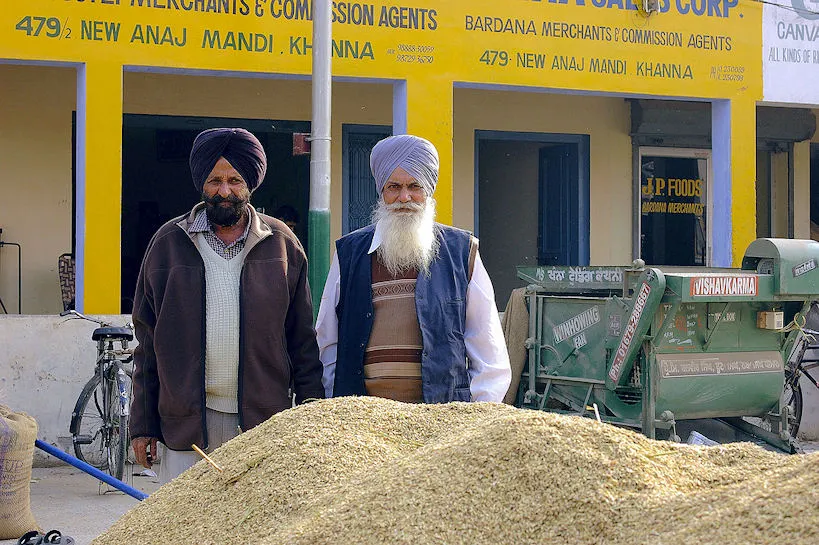
Fig.: धान्यम्
(Image source: Details)
धृ 1U धरति : hold, keep firm
Fut. धरिष्यति
Pass. ध्रियते
PPP धृत
Inf. धर्तुम्
Absol. 2: -धृत्य
thereof:
धर्म m.: that which is firm and holds fast = Dharma
नित्य ३ : constant, steadfast, eternal
नित्यम् Adv.: always, constantly, ever
प्रज्ञा f.: wisdom, knowledge
प्रदान n.: giving, donating; gift, donation
मद् 4 P माद्यति (!) : rejoice, be intoxicated by something (Instr., Gen., Loc.)
Fut. मदिष्यति
Pass. मद्यते
PPP मत्त
Inf. मदितुम्
thereof:
मद m.: intoxication, sensual intoxication = sensual pleasure
मान m.: assessment, reputation, fame, honor, pride, conceit, sense of inferiority; (one measures oneself against others)
यदि Conjunction: if
न्याय m.: rule, principle, method, judgment (juridical), logic (from ni + i + a)
अन्यथा Adv.: otherwise, wrongly, incorrectly
या 2P याति, यान्ति = गम्
Pass. यायते
PPP यात
Inf. यातुम्
Absol. 2: -याय
दारिद्र्य n. = दरिद्रस्य भावः
प्रदान n. = दान
शास् 2P शास्ति, शासति (3. pl.) : command, teach, punish
Pass. शिष्यते
PPP शिष्ट ३ : taught
Absol 1.: शासित्वा / शिष्त्वा
thereof:
शिक्षा f.: science, instruction; phonetics
स्तेन m.: thief
स्तेय n.: theft
किल्बिष n.: guilt, insult, sin
विना Postposition: without, except (with Acc., Instr., Abl.)
मूल n.: root
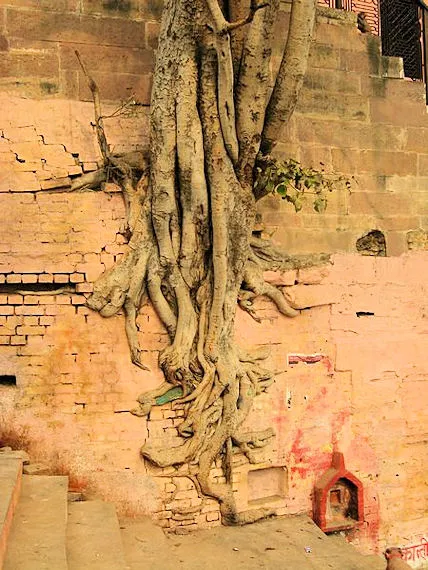
Fig.: मूलानि
(Image source: Details)
लिप् 6U लिम्पति (!): smear, daub
Fut. लेप्स्यति
Pass. लिप्यते
PPP लिप्त
Inf. लेप्तुम्
thereof:
लिप्ति f.: smearing, writing, script
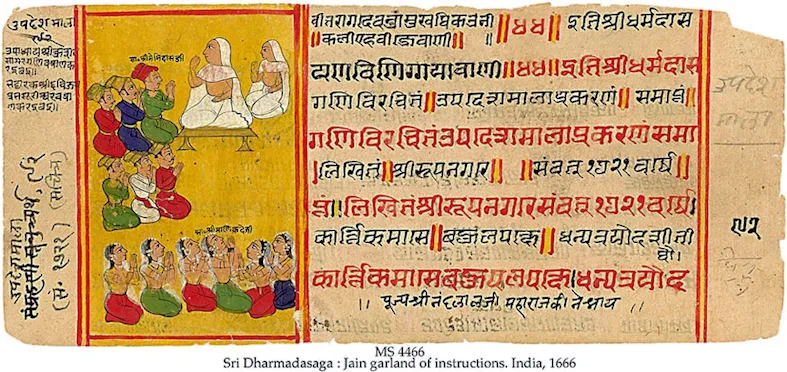
Fig.: लिप्तिः
(Image source: Details)
वर्ष n.,m.: rain, rainy season, year
वह् 1U वहति : lead, drive, blow (wind)
Fut. वक्ष्यति
Pass. उह्यते
PPP ऊढ
Inf. वोढुम्
Absol 2: -उह्य
वह् + वि 1P विवहति : lead away (namely the bride from her parents' house) = marry
thereof:
विवाह m.: leading away, marriage of a woman (Instr., saha) (for marriage see Basham, Wonder pp. 166-171)

Fig.: विवाहः
(Image source: Details)
नी + वि 1U विनयति : lead away, instruct, educate
thereof:
विनय m.: removal, education, discipline, Buddhist: monastic discipline, monastic law
विज्ञान n.: knowledge, cognition
विष्टि f.: work, forced labor
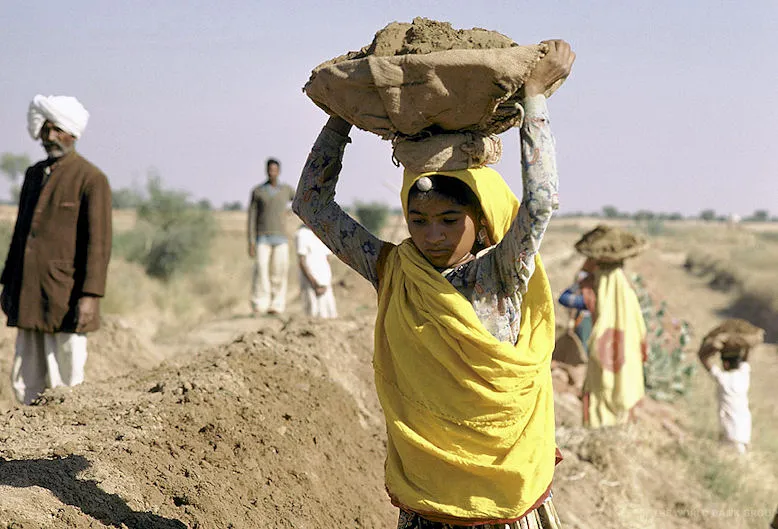
Fig.: विष्टिः
(Image source: Details)
वृध् 1Ā वर्धते : to grow, to become greater
Fut. वर्धिष्यते
Pass. वृध्यते
PPP वृद्ध : grown, old, increased
Inf. वर्धितुम्
thereof:
वृद्धि f.: growth, increase, strengthening (from: vṛdh-ti)
सामर्थ्य n.: that which corresponds to its purpose
स्वभाव m.: being, nature, character
हर्ष m.: (raising of body hair), joy
हिरण्य ३ : golden ; n.: gold, money, wealth

Fig.: हिरण्यम्
(Image source: Details)
अणु ३ : thin, fine, very small ; m.: atom
गोदान n.: giving of cows / of a cow; second hair-cutting ceremony (a संस्कार)
25.6. Exercise
A) Complete the declension examples from Lesson 16, Revision Exercise A, by adding 4. Dative (चतुर्थी) and 5. Ablative (पञ्चमी). Also form declension series with all previously learned forms for
१. सन्त् (m., n.)
२. महान्त् (m., n.)
३. यद् (m., n., f.)
Memorize these declension paradigms!
B) Translate and resolve the compounds in Sanskrit:
गुर्वादेशाद्रामो ग्रामान्नगरं गत्वा साधुगृहं प्रविश्य साधुमुपस्थायालं क्रोधेनेति वक्ति ॥१॥
गुरोरधर्मः श्रोतुं न शक्यत इति श्रुत्या च स्मृतिभिश्चोद्यते ॥२॥
क्षत्रिया जनाञ्छत्रुभ्यो रक्षितुमर्हन्तीति क्षत्रियधर्मः ॥३॥
कृतयज्ञदोषत्वाद्ब्राह्मणो धनं लब्धुं नार्हति ॥४॥
धनलाभहेतोस्ते वैश्या व्रतं कृत्वा ब्रह्मचर्यं चरन्ति ॥५॥
बुद्द्धाश्चार्हन्तश्च दुःखान्मुक्ताः । मुञ्चन्ती बुद्धिर्हि तैः प्राप्ता ॥६॥
लोभेन च क्रोधेन च मोहेन च जना दुष्यन्ति । ततः प्राप्तकाला नरकं पतन्ति ॥७॥
क्षत्रियो महानगरतः शत्रुग्रामं योद्धुं शूरयोधानानयति ॥८॥
पुत्रलाभकारणाद्ब्राह्मणी व्रतं चरति ॥९॥
लब्धपुत्रत्वाद्द्विजेन महासुखमाप्तम् ॥१०॥
विष्णुर्भक्तान्मरणात्पाति ॥११॥
रामाद्विना = रामं विना = रामेण विना ॥१२॥
साधोः शिक्षा गुणाय संपद्यते नासाधोः ॥१३॥
रामः कृष्णाय तिष्ठति ॥१४॥
सुखेन गच्छति ॥१५॥
अलं भयेन ॥१६॥
लोकादधिको हरिः ॥१७॥ (हरi m. = विष्णु / कृष्ण)
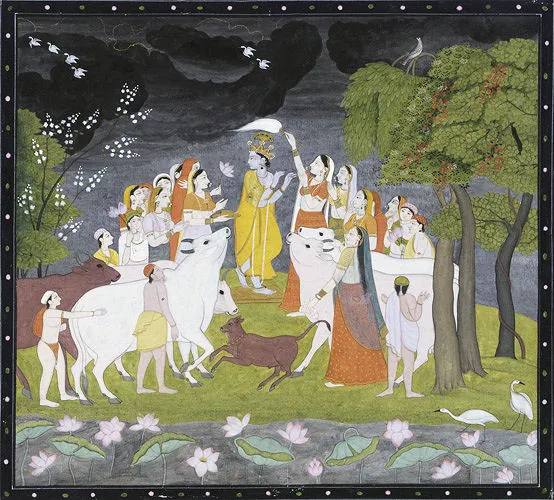
Fig.: लोकादधिको हरिः
25.7. सुभाषितानि
यतो यतो निवर्तते
ततस्ततो विमुच्यते ।
निवर्तनाद्धि सर्वतो
न वेत्ति दुःखमण्वपि ॥१॥
Explanation: सर्वतस् = sarva "every, all" + -tas ; अणु = Nom., Acc. sg. neut.
मानाद्वा यदि वा लोभात्
क्रोधाद्वा यदि वा भयात् ।
यो न्यायमन्यथा ब्रूते
स याति नरकं नरः ॥२॥
भवन्ति नरकाः पापात्
पापं दारिद्र्यसंभवम् ।
दारिद्र्यमप्रदानेन ॥३॥
शासनाद्वा विमोक्षाद्वा
स्तेनः स्तेयाद्विमुच्यते ।
अशासित्वा तु तं राजा
स्तेनस्याप्नोति किल्बिषम् ॥मनुस्मृति ८.३१६॥ ॥४॥
Explanation: राजा = Nom. sg. of राजन् m. = नृप
25.8. Translation Exercise
1. कौटिलीयार्थशास्त्र १.४.१. on the utility of economics:
वार्त्ता धान्यपशुहिरण्यकुप्यविष्टिप्रदानादौपकारिकी ॥
2. कौटिलीयार्थशास्त्र १.५. on the training of a prince:
तस्माद्दण्डमूलास्तिस्रो विद्याः ॥१॥
विनयमूलो दण्डः प्राणभृतां योगक्षेमावहः ॥२॥
कृतकः स्वाभाविकश्च विनयः ॥३॥
क्रिया हि द्रव्यं विनयति नाद्रव्यम् ॥४॥
शुश्रूषाश्रवणग्रहणविज्ञानोहापोहतत्त्वाभिनिविष्टबुद्धिं विद्या विनयति नेतरम् ॥५॥
... ॥
वृत्तचौलकर्मा लिपिं संख्यानं चोपयुन्ञ्जीत ॥७॥
वृत्तोपनयस्त्रयीमान्वीक्षिकीं च शिष्टेभ्यो वार्त्तामध्यक्षेभ्यो दण्डनीतिं वक्तृप्रयोक्तृभ्यः ॥८॥
ब्रह्मचर्यं चा षोडशाद्वर्षाद् ॥९॥
अतो गोदानं दारकर्म चास्य ॥१०॥
नित्यश्च विद्यावृद्धसंयोगो विनयवृद्ध्यर्थम्, तन्मूलत्वाद्विनयस्य ॥११॥
... ॥
श्रुताद्धि प्रज्ञोपजायते प्रज्ञाया योगो योगादात्मवत्तेति विद्यानां सामर्थ्यम् ॥१६॥
... ॥
कामक्रोधलोभमानमदहर्षत्यागात्कार्यः ॥१.६.१.॥
Explanation of the words highlighted in red in the text above:
1.5.1. तिस्रस् : noun, accusative, feminine, derived from त्रि "three"
1.5.2. प्राणभृताम् : genitive plural, masculine, derived from प्राणभृत् m. "living beings"
1.5.5. इतरम् accusative singular, masculine, derived from इतर ३ "other"
1.5.7. कर्मा : nominative singular, masculine, derived from कर्मन् neuter "deed, work" ; उपयुञ्जीत : Optative 3rd singular, Ā-pāṇini, from upa-yuj 7 "to appropriate": "he may appropriate"
1.5.8. वक्तृप्रयोक्तृभ्यस् Ablative, Dative plural, derived from वक्त्र्प्रयोक्तृ (इतरेतरद्वन्द्व) "theorists and practitioners"
1.5.9. षोडश ३ : "sixteenth"
1.5.10. कर्म Nominative, Accusative singular, derived from कर्मन् n. "deed"
1.5.16. धि Sandhi form, derived from हि ; आत्मवत्ता f.: "self-possession"
1.6.1. कार्य ३ "to be done, what must be done"