
Lesson 50
50.1. Noun Formation: Regular Comparison
Regular comparison in Sanskrit is formed with the तद्धित suffixes
- -तर (fem.: तरा) in the "comparative"
- तम (fem.: तमा) in the "superlative"
These suffixes are attached to the masculine stem of adjectives. For nouns with stem alternation, they are attached to the weak stem, which has the same form as before the ending -su of the locative (पञ्चमी) plural.
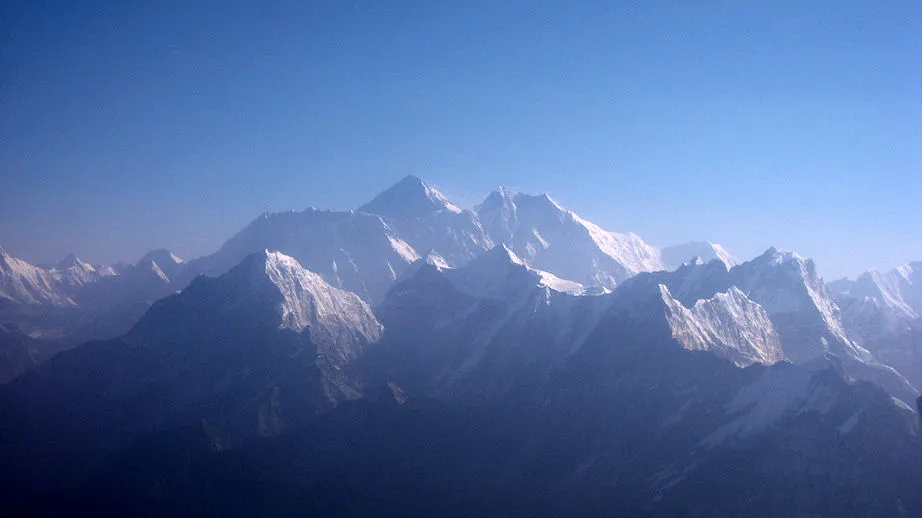
Fig.: लोकस्योत्तमो गिरिः
सगरमाथा = ཇོ་མོ་གླང་མ = 珠穆朗玛峰 = Mount Everest
(Image source: Details)
Meaning:
The "comparative" means, when no compared object is expressed: "rather, very, too":
e.g. सुचितर 3 "rather pure", "very pure", "too pure"
When a compared object is expressed, it stands in the ablative (पञ्चमी). Comparative + ablative corresponds to comparison with "than" in German.
e.g. देवदत्ताद्रामो धीमत्तरः = lit.: "from Devadatta's perspective, Rāma is more sensible" = "Rāma is more sensible than Devadatta"
The "superlative" means, when no compared object is expressed: "extremely, very":
e.g. सत्तम 3 (to सन्त्) "extremely good, very good"
When a compared object is expressed, it stands in the genitive (षष्ठी) ("of", "among") and the superlative corresponds to the German superlative (superlative degree):
e.g. द्विजानां सत्तमः = "the best of the twice-born"
The suffixes -तर and -तम can occur not only with adjectives, but also with nouns, indeclinables, and even verbal forms:
Examples:
गजतम m. "the best elephant" (गज) (also a title of the Buddha)
गोतम m. "the largest ox" (गो) or: "richest in cattle"
उद् Indecl. "on", "up" » उत्तर 3 "higher" » उत्तम 3 "highest"
When these suffixes occur with a verbal form, they always appear in the adverbial form:
- -तराम्
- -तमाम्
Examples:
पचतितराम् "he/she/it cooks better"
पचतितमाम् "he/she/it cooks best"
This form do these suffixes also have, when they occur with an indeclinable and the derived word is used adverbially:
e.g. सुतराम् (to सु) "in a better way" (adverbial)
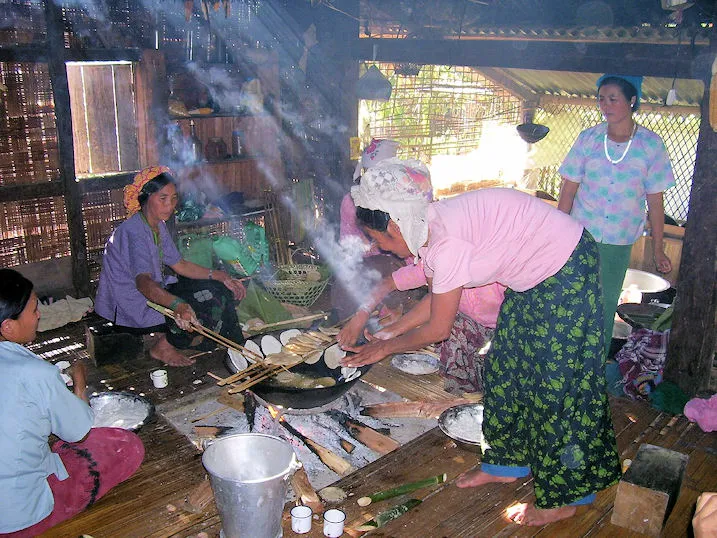
Fig.: का पचतितमाम्
Lisu = 傈僳族, अरुणाचल प्रदेश
(Image source: Details)
50.2. Word List
ध्रुव 3: firm, unchangeable
निषेक m.: sprinkling, fertilization, liquid, ejaculation, ceremony at conception
पण्डित 3: clever, wise, learned
मन् + अव 4Ā अवमन्यते : disregard, despise
मन्त्रिन् 3: advisory; m.: advisor, councilor, minister
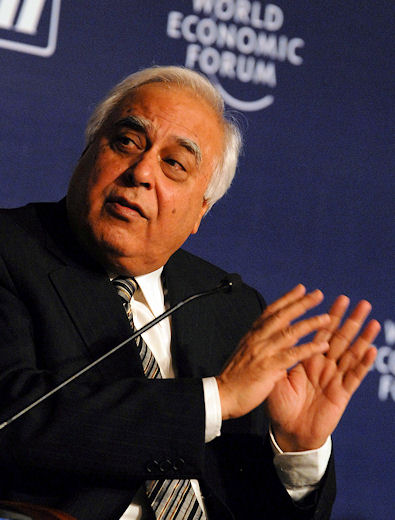
Fig.: मन्त्री
Kapil Sibal (1948 -), Union minister in the Ministry of Science and Technology and the Ministry of Earth Sciences (since 2006)
(Image source: Details)
रहस् n.: secret, solitude
रिष् 1P रिषति 4P रिष्यति : be harmed, fail, be damaged
Perf. II रिरेष, रिरिषुर्
Fut. रेषिष्यति
Pass. रिष्यते
Caus. रेषयति
PPP रिष्ट
लुप् 6U लुम्पति : break, destroy
Perf. II लुलोप, लुलुपे
Fut. लोप्स्यति
Pass. लुप्यते
Caus. लोपयति
PPP लुप्त
Inf. लोप्तुम्
Gerundiv लुप्य । लोप्य
विधि m.: also: fate (from विधा)
वृष् 1P वर्षति : to rain (usually with a कर्तृ -- a god or a cloud)
Perf. II ववर्ष, ववृषुर्
Fut. वर्षिष्यति
Pass. वृष्यते
Caus. वर्षयति
PPP वृष्ट
Inf. वर्षितुम्
Absol. वर्षित्वा । वृष्ट्वा
Absol.-वृष्य
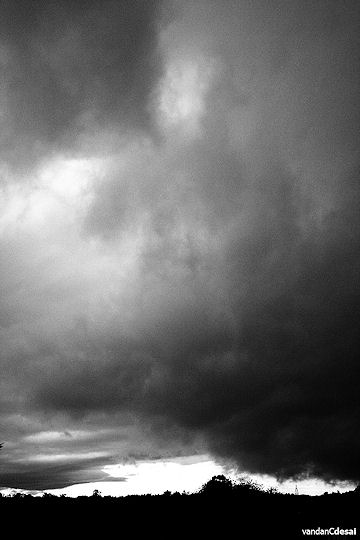
Fig.: महामेघो वर्षिष्यति
Arrival of the monsoon, Bangalore ಬೆಂಗಳೂರು
(Image source: Details)
संयक् Adv.: correct, true, in the proper manner; thoroughly, completely
आदित्य m.: sun; pl.: Āditya : a specific class of gods
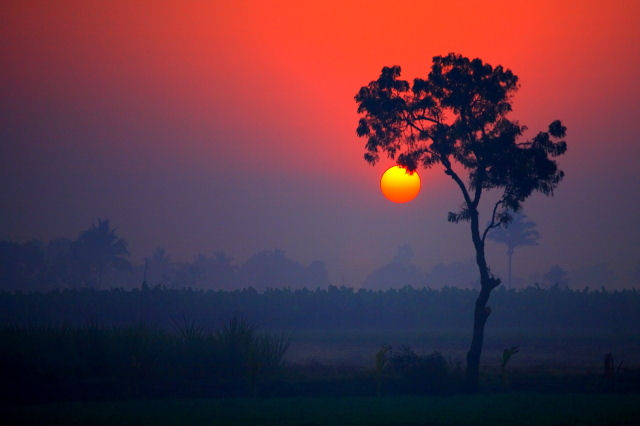
Fig.: आदित्यः
(Image source: Details)
सर्व 3: each, all
Declension like यद् (exception: Nom.Akk.sg.Neuter)
| Singular एकवचनम् | Plural बहुवचनम् | |||||||
|---|---|---|---|---|---|---|---|---|
| Masculine पुंस् | Neuter नपुंसकम् | Feminine स्त्री | Masculine पुंस् | Neuter नपुंसकम् | Feminine स्त्री | |||
| 1. Nominative १. प्रथमा | सर्वस् | सर्वम् | सर्वा | सर्वे | सर्वाणि | सर्वास् | ||
| 2. Accusative २. द्वितीया | सर्वम् | सर्वम् | सर्वाम् | सर्वान् | सर्वाणि | सर्वास् | ||
| 3. Instrumental ३. तृतीया | सर्वेण | सर्वया | सर्वैस् | सर्वाभिस् | ||||
| 4. Dative ४. चतुर्थी | सर्वस्मै | सर्वस्यै | सर्वेभ्यस् | सर्वाभ्यस् | ||||
| 5. Ablative ५. पञ्चमी | सर्वस्मात् | सर्वस्यास् | सर्वेभ्यस् | सर्वाभ्यस् | ||||
| 6. Genitive ६. षष्ठी | सर्वस्य | सर्वस्यास् | सर्वेषाम् | सर्वासाम् | ||||
| 7. Locative ७. सप्तमी | सर्वस्मिन् | सर्वस्याम् | सर्वेषु | सर्वासु | ||||
वै : particle that emphasizes the preceding word: indeed, truly, but
इह Adv.: here, here on earth, hither; now. Before nouns in the locative (षष्ठी) synonymous with अस्मिन्, अस्याम्
कल्प m: ordinance, custom, ritual; World Period (from कॢप्)
कल्याण 3 (f.: कल्याणी) :beautiful
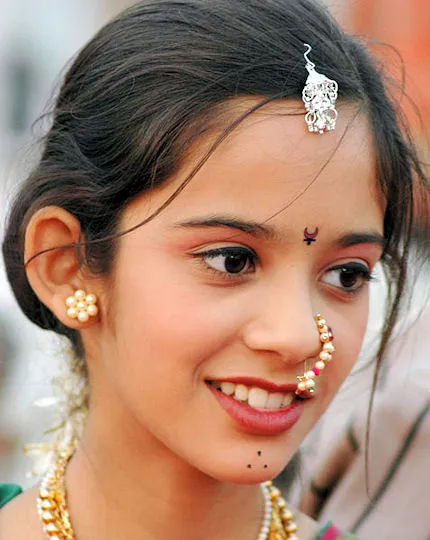
Fig.: कल्याणी
(Image source: Details)
कु- : as the first member of compounds: bad
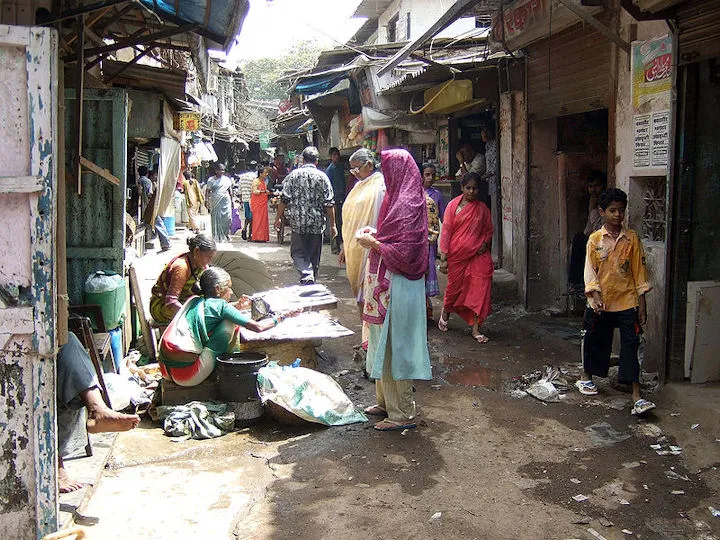
Fig.: कुनगरम्
धारावी, मुंबई
(Image source: Details)
चक्ष् 2Ā चष्टे 2.pl. Ā चड्ढ्वे : to see
Perf. चचक्षे
not used in other tenses
चक्ष् + प्र 2Ā प्रचष्टे : to tell, to consider, to name
देश m.: place, location, country, region
50.3. Translation Exercise
A) To review declension: the following verse contains all singular declension forms for गुरु m.:
गुरुरेव गतिर्गुरुमेव भजे
गुरुणैव सहास्मि नमो गुरवे ।
न गुरोः परमं शिशुरस्मि गुरोर्
मतिरस्ति गुरौ मम पाहि गुरो ॥
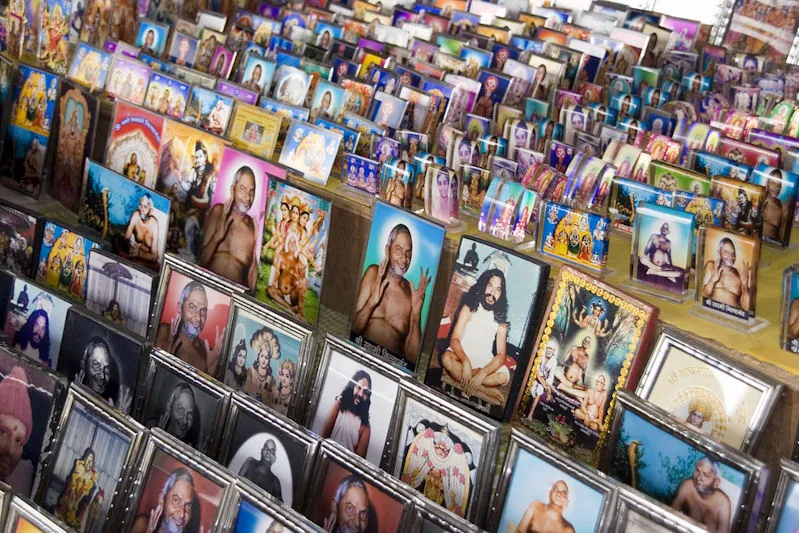
Fig.: गुरुमेव भजे
Ganeshpuri, 80 km from Mumbai (मुंबई)
(Image source: Details)
B) Translate:
मनुस्मृति ४, १७८
येनास्य पितरो याता
येन याताः पितामहाः ।
तेन यायात्सतां मार्गम्
तेन गच्छन्न रिष्यते ॥१॥
मनुस्मृति ३, ६३
कुविवाहैः क्रियालोपैर्
वेदानध्ययनेन च ।
कुलान्यकुलतां यान्ति
ब्राह्मणातिक्रमेण च ॥२॥
मनुस्मृति ३, ६०
संतुष्टो भार्यया भर्ता
भर्त्रा भार्या तथैव च ।
यस्मिन्नेव कुले नित्यम्
कल्याणं तत्र वै ध्रुवम् ॥३॥
मनुस्मृति ३, ७५ - ७६: On the Necessity of Sacrifice
स्वाध्याये नित्ययुक्तः स्याद्
दैवे चैवेह कर्मणि ।
दैवे कर्मणि युक्तो हि
बिभर्तीदं चराचरम् ॥४॥
अग्नौ प्रास्ताहुतिः सम्यग्
आदित्यमुपतिष्ठते ।
आदित्याज्जायते वृष्टिर्
वृष्टेरन्नं ततः प्रजाः ॥५॥
योगसूत्र २, १६ - १७
हेयं दुःखमनागतम् ॥६॥
द्रष्टृदृश्ययोः संयोगो हेयहेतुः ॥७॥
Explanation:
द्रष्टृदृश्ययोः : Gen.Loc.m.n.f.Dual (Dualdvandva)
कौटिलीयार्थशास्त्र १, १५: On the King's Advisors
न किंचिदवमन्येत
सर्वस्य शृणुयानमतम् ।
बालस्याप्यर्थवद्वाक्यम्
उपयुन्जीत पाण्डितः ॥८॥
मनुस्मृति २, १४० - १४२: Definition of आचार्य, उपाध्याय, गुरु
उपनीय तु यः शिष्यं
वेदमधापयेत्द्द्विजः ।
सकल्पं सरहस्यं च
तमाचार्यां प्रचक्षते ॥९॥
एकदेशं तु वेदस्य
वेदाङ्गान्यपि वा पुनः ।
यो ऽध्यापयति वृत्त्यर्थम्
उपाध्यायः स उच्यते ॥१०॥
निषेकादीनि कर्माणि
यः करोति यथाविधि ।
संभावयति चान्नेन
स विप्रो गुरुरुच्यते ॥११॥
Explanations:
निषेकादीनि : Nom.Acc.pl.Neuter
lekt5007: Fig.: सगरमाथा = ཇོ་མོ་གླང་མ = 珠穆朗玛峰 = Mount Everest [Image source: wonker. -- http://www.flickr.com/photos/wonker/2385042288/. -- Accessed on 2009-01-12. -- Creative Commons License (Attribution)]
lekt5006: Lisu = 傈僳族, अरुणाचल प्रदेश [Image source: parrothanging. -- http://www.flickr.com/photos/biligiri/1857068925/. -- Accessed on 2009-01-12. -- Creative Commons License (Attribution, Non-Commercial, No Derivative Works)]
lekt5001: Kapil Sibal (1948 -), Union minister in the Ministry of Science and Technology and the Ministry of Earth Sciences (since 2006) [Image source: World Economic Forum. -- http://www.flickr.com/photos/worldeconomicforum/3038328904/. -- Accessed on 2009-01-12. -- Creative Commons License (Attribution, share alike)]
lekt5002: Arrival of the Monsoon, Bangalore ಬೆಂಗಳೂರು [Image source: vandan desai. -- http://www.flickr.com/photos/vandan/526579892/. -- Accessed on 2009-01-12. -- Creative Commons License (Attribution, no commercial use, no derivatives)]
lekt5005: [Image source: sunder_iyer. -- http://www.flickr.com/photos/sunder_iyer/2225272284/. -- Accessed on 2009-01-12. -- Creative Commons License (Attribution, share alike)]
lekt5003: [Image source: dhyanji. -- http://www.flickr.com/photos/dhyanji/131433199/. -- Accessed on 2009-01-12. -- Creative Commons License (Attribution, no commercial use, no derivatives)]
lekt5004: धारावी, मुंबई [Image source: Kounosu / Wikipedia. GNU FDLicense]
lekt5008: Ganeshpuri, 80 km from Mumbai (मुंबई) away [Image source: Dey. -- http://www.flickr.com/photos/dey/2691860037/. -- Accessed on 2009-01-13. -- Creative Commons License (Attribution, no commercial use, share alike)]