
Lesson 11
In this lesson, you will learn:
- The double accusative (accusative of the person and the thing)
- The usage of the particles iti, evam, and na
- Basic terms such as dharma, adharma, and putra
- The formation of nouns from the roots vad, prach, and iṣ
11.1. Double Accusative
Some verbs can govern a double accusative (dvitīyā): accusative of the person and accusative of the thing.
These include:
- Verbs of speaking: to speak to someone (accusative) about something (accusative); to say something (accusative) to someone (accusative)
- Verbs of asking: to ask someone (accusative) about something (accusative)
- Verbs of teaching: to teach someone (accusative) something (accusative)
- some other verbs, which are noted in the word lists
When such a construction is put into the passive, the person (who is asked, etc.) is put into the nominative (prathamā), and the thing (about which is asked, etc.) remains in the accusative.
e.g. rāmo brāhmaṇaṃ dharmaṃ pṛcchati = रामो ब्राह्मणं धर्मं पृच्छति = "Rāma asks the Brāhmaṇa about the dharma."
» Passive: rāmeṇa brāhmaṇo dharmaṃ pṛcchyate = रामेण ब्राह्मणो धर्मं पृच्छयते
This rule applies only when both person and thing are objects. If a thing is the only object, it stands in the nominative (prathamā) according to the basic scheme of the passive sentence:
e.g. rāmo dharmaṃ pṛcchati = रामो धर्मं पृच्छति = "Rāma asks about the dharma."
» Passive: rāmeṇa dharmaḥ pṛcchyate = रामेण धर्मः पृच्छयते
11.2. Word List
Learn the following words:
iti इति : so
- Stands after the formulation of a thought, wish, utterance, or quote, as it were as quotation marks ("").
- e.g. sādhavaḥ svargaṃ gacchantīti brāhmaṇā vadanti "Brāhmaṇas say: 'The righteous go to heaven'" = "Brāhmaṇas say that the righteous go to heaven".
- In Sanskrit, there is no indirect speech; formations with iti often need to be rendered in indirect speech in German.
- ... (quote) ... iti śrutiḥ = "thus the Veda".
- Often, a verb of thinking is to be understood after iti: "thinking: '...' he does that". Render idiomatically in German (e.g., "Because he is hungry, he goes...").
evam एवम् : so (adverbial, e.g. evaṃ jayati "thus he wins").
na न : not
- Negates individual words (stands immediately before it: na sādhuḥ "a not good") or entire sentences (stands at the beginning or immediately before the verb).
putra m. पुत्र : son (In India, it was necessary to beget a son who could offer sacrifices for the ancestors.)
dharma m. धर्म : ("that which is firm", i.e.) right, law, custom, character.
- Corresponds most closely to natural law/moral law. Everyone has their own duties (svadharma) according to varṇa and āśrama (stage of life).
adharma m. अधर्म : injustice (opposite of dharma).
iṣ 6 P (icchati) इष् इच्छति : to wish (iṣ-ccha-ti).
Some nominal formations:
- vad 1 P वद् : to say
- vāda m. वाद : utterance, statement, word
- vadana n. वदन : speaking; instrument of speech: mouth, face
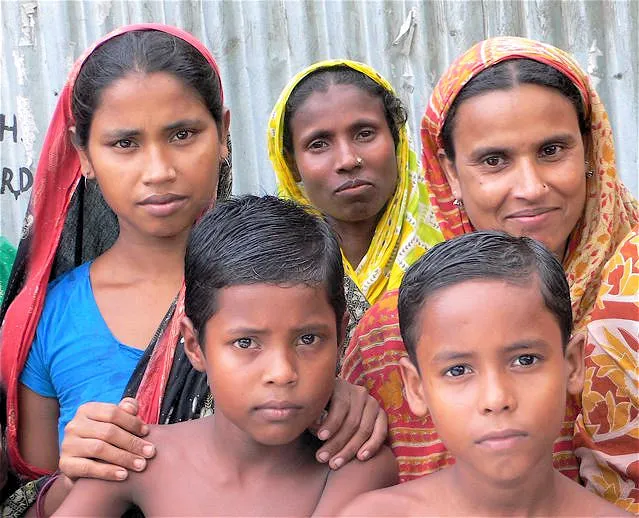
Fig.: vadanāni = वदनानि
(Image source: Details)
prach 6 P प्रच्छ् : to ask
- praśna m. प्रश्न : question (suffix -na as in yaj-ña)
iṣ 6 P इष् : to wish
- iṣṭi f. इष्टि : wish (iṣ + -ti)
11.3. Exercise
A) Translate the following sentences:
- ऋषिः सत्यं वदति ।
- ब्राह्मणः पुत्रमिच्छति ।
- साधुः स्वर्गं गच्छति ।
- ब्राह्मणो ऽनृतं न वदतीति स्मृतिः ।
- क्षत्रियो ब्राह्मणं धर्मं पृच्छति ।
- एवं ब्राह्मणो यज्ञेन देवं यजति ।
- पुत्रः पापं करोतीति वैश्या मन्यते ।
- क्षत्रियः क्षत्रियेण सह युध्यते
- अधर्मो ऽनृतमिति पुत्रः पापं न करोति । |
- अयं क्षत्रियो धर्मं रक्षति । |
- को ऽग्निं यजते । |
- स श्रावको बुद्धं धर्मं पृच्छति ॥
B) Put the sentences from A) into passive constructions.
C) In the sentences from A), where it makes sense, put the subject, object, and predicate into the plural.
D) Form the passive construction for the sentences formed in C).
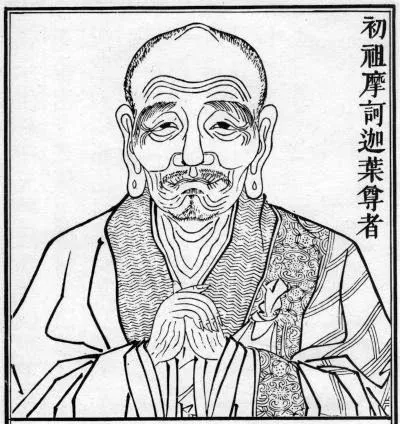
Fig.: śrāvako mahākāśyapaḥ = श्रावको महाकाश्यपः
(Image source: Details)
11.4. Review Exercise
A) Translate into Sanskrit using passive constructions:
- Vaiśya women ask Brahmins about the Dharma.
- The teacher utters a mantra.
- Holy women attain a heaven.
- A Vedic sage does no evil.
- Brahmins, as sacrifice priests, worship the goddess with sacrifices.
- The Śūdra woman goes to the village.
- Who sees the truth?
B)
- State the duties of all twice-born using a Dvandva. Resolve the compound in Sanskrit.
- State the duties of the Vaiśyas using a Dvandva. Resolve the compound in Sanskrit.
C) Translate:
- श्रवणेन श्रूयते । |
- कर्षर्कैः कृष्यते । |
- श्रावकेणेश्वरो नेज्यते । |
- रक्षिक्या गुरू रक्ष्यते । |
- ब्राह्मणेनानृतं नोद्यते । |
- शूद्रेतरा । |
- शिक्षा कल्पो व्याकरणं निरुक्तं छन्दो ज्योतिषमङ्गानि । |
- आन्वीक्षिकीत्रयीवार्त्तादण्डनीतयो विद्याः ॥
D) Translate and put the agent, object, and verb in the plural in Sanskrit:
- फलमश्नुते । |
- गुरुणा सत्यमुद्यते । |
- वैश्यः पशुं लभते । |
- पुत्रः पुण्यं करोति ॥
E) Transform sentences C) 1-5 into active constructions.
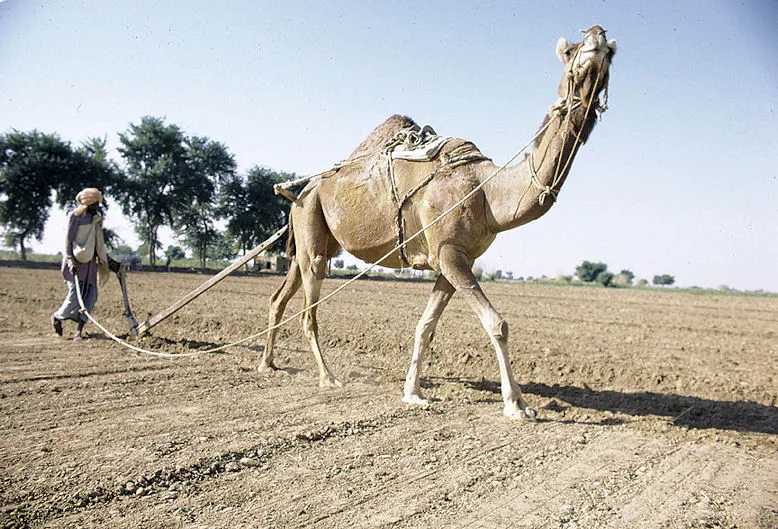
Fig.: karṣakeṇa kṛṣyate = कर्षकेण कृष्यते
(Image source: Details)