
Lectio 45
45.1. Formatios verborum personae secundae (मध्यमः) stemmatibus athematicis sine suffixo vocali terminato (continuatio)
45.1.1. Tertia classis praesentis (जुहोत्यादि)
हु 3P
| परस्मैपदम् | आत्मनेपदम् | |||
|---|---|---|---|---|
| एकवचनम् | बहुवचनम् | एकवचनम् | बहुवचनम् | |
| Indikativ Präsens लट् | जुहोषि | जुहुथ | <जुहुषे> | <जुहुध्वे> |
| Imperfekt लङ् | अजुहोस् | अजुहुत | <अजुहुथास्> | <अजुहुध्वम्> |
| Optativ विधिलिङ् | जुहुयास् | जुहुयात | <जुह्वीथास्> | <जुह्वीध्वम्> |
धा 2U
| परस्मैपदम् | आत्मनेपदम् | |||
|---|---|---|---|---|
| एकवचनम् | बहुवचनम् | एकवचनम् | बहुवचनम् | |
| Indikativ Präsens लट् | दधासि | धत्थ aus: dadh + tha | धत्से | धद्ध्वे |
| Imperfekt लङ् | अदधास् | अधत्त | अधत्थास् | अधद्ध्वम् |
| Optativ विधिलिङ् | दध्यास् | दध्यात | दधीथास् | दधीध्वम् |
45.1.2. Septima classis praesens (रुधादि)
Si consonans finalis k/g radicis inter nasalem ṅ et dentalem terminationis ponitur, potest vel k/g cadere
e.g. युज् 3.sg.Ind.Praes.Ā युङ्क्ते vel युsig[ङ्ते]
युज् 7U
| परस्मैपदम् | आत्मनेपदम् | |||
|---|---|---|---|---|
| एकवचनम् | बहुवचनम् | एकवचनम् | बहुवचनम् | |
| Indikativ Präsens लट् | युनक्षि yu-na-j + si | युङ्क्थ युङ्थ | युङ्क्षे | युङ्ग्ध्वे युङ्ध्वे |
| Imperfekt लङ् | अयुनक् aus: a-yu-na-j + s | युङ्क्त अयुङ्त | अयुङ्क्थास् अयुङ्थास् | अयुङ्ग्ध्वम् अयुङ्ध्वम् |
| Optativ विधिलिङ् | युञ्ज्यास् | युञ्ज्यात | युञ्जीथास् | युञ्जीध्वम् |
रुध् 7U
| परस्मैपदम् | आत्मनेपदम् | |||
|---|---|---|---|---|
| एकवचनम् | बहुवचनम् | एकवचनम् | बहुवचनम् | |
| Indikativ Präsens लट् | रुणत्सि ru + na + dh + si | रुन्द्ध ru-n-dh + tha | रुन्त्से | रुन्द्ध्वे |
| Imperfekt लङ् | अरुणत् aus a-ru-ṇa-dh + s sig[अरुण्स्] (unregelm.!) | अरुन्द्ध a-ru-n-dh + ta | अरुन्द्धास् | अरुन्द्ध्वम् |
| Optativ विधिलिङ् | रुन्ध्यास् | रुन्ध्यात | रुन्धीथास् | रुन्धीध्वम् |
45.2. Vocativus Singularis (आमन्त्रितमेकवचने)
Plurimi vocativi singularis sunt radix cum gradu pleno fine.
e.g. देव, कवे, शत्रो, राजन्, पितर् etc.
Exceptiones sunt feminina in -ā et -ī, necnon radices in -in, quarum vocativus singularis praecipue memorandus est.
| Vocativus Singularis | |
|---|---|
| Neutra in -a | देव |
| Neutra in -a | फल |
| Feminina in -ā | देवते |
| Neutra in -i | कवे |
| Feminina in -i | मते |
| Neutra in -u | शत्रो |
| Feminina in -u | धेनो |
| Feminina in -ī | देवि |
| Neutra in -ṛ | पितर् |
| Feminina in -ṛ | मातर् |
| Neutra in -an | राजन् |
| Neutra in -an | नामन् नाम |
| Neutra in -man/-van | आत्मन् |
| Neutra in -in | बलिन् |
| Neutra in -ant | बलिन् बलि |
| mahānt m. | महन् |
| mahānt n. | महत् = Nominativ |
| Neutra in -mant/-vant | गुणवन् |
| Neutra in -mant/-vant | गुणवत् = Nominativ |
| Pronomina | non fit vocativus |
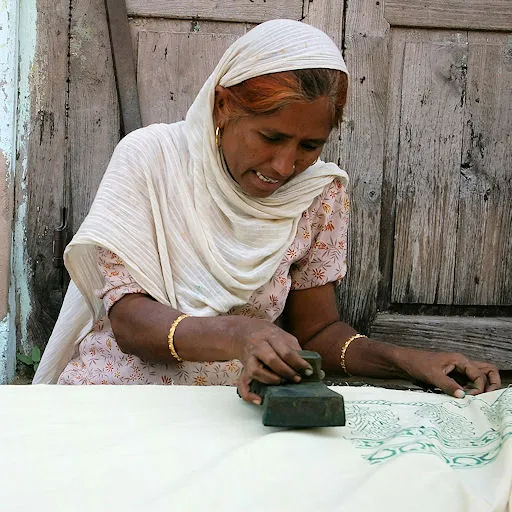
Tab.: भवति किं करोषि
(Fons imaginis: Detalia)
45.3. Lexicon
वा ... वा : sive ... sive
45.4. Exercitatio
A) Vertite in Sanscritum (pro formis praeteriti temporis utere Imperfecto <लङ्>):
Tu scindis (buddhisticam) Ecclesiam.
de scissione Ecclesiae (सङ्घभेद) vide:
Payer, Alois <1944 - >: Vinayamukha : Fundamenta regulorum monasticorum et iuris canonici Theravāda. -- Pars I. -- (Materialia ad fundamenta Buddhismi). -- URL: http://www.payer.de/buddhgrund/vinaya01.htm
Terramne fructu percepisti?
A Rege munus accepisti?
4. Vir sancte, cur non times pericula?
5. Pater, quo relinquis familiam?
6. Śūdrā,ne onus in domum divitis Brahmanae portasti?
7. Dea, debes votum felicitatis Vaiśyae, qui merita fecit, implere.
8. Elephantī, vincula non frangite.
9. Vir leoni similis, cur totam mentem tuam in Absolutum (Brahman) non dirigis?
10. Poeta, mundos mensus esne?
B) Vertite:
अर्जुन हतो वा प्राप्स्यसि स्वर्गं जित्वा वा भोक्ष्यसे महीं । तस्माद्भवता योध्यम् ॥१॥
भवति कथमनन्तदुःखमरुणत् ॥२॥
ब्राह्मण किमग्नौ घृतमजुहोः ॥३॥
शत्रो शस्तेण जीवं न छिनत्सि ॥४॥
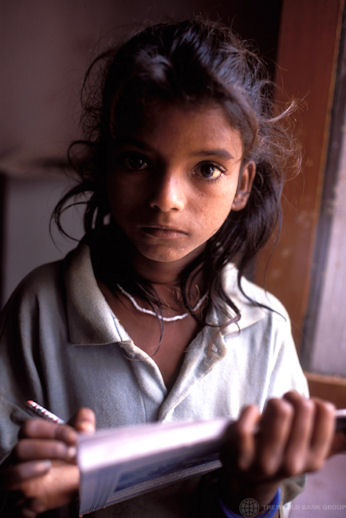
Fig.: कन्ये किं लिखसि
(Fons imaginis: Detalia)
lekt4501.jpg: Textilis impressio blocularis, Ahmedabad. -- Fons imaginis: Daveybot. -- http://www.flickr.com/photos/davemorris/316429534/. -- Accessus die 2009-01-08. -- Licentia Creative Commons (Attributio, usus non commercialis, share alike)
lekt4502.jpg: Fons imaginis: John Isaac / World Bank. -- http://www.flickr.com/photos/worldbank/2348425672/. -- Accessus die 2009-01-08. -- Licentia Creative Commons (Attributio, usus non commercialis, nulla mutatio)