
Pelajaran 47
47.1. Imperatif (लोट्)
The Imperative (लोट्) denotes
- Command (also expressed by the Gerundive (कृत्य))
- Rule
- Demand
- Wish
- Request
- Invitation
- Consideration
- Question
Makna-makna yang tercantum di atas dibagi bersama dengan Optatif (विधिलिङ्).
The Imperative also expresses:
- Izin
- bahwa suatu tindakan itu tepat waktu (juga dinyatakan oleh Gerundiva (कृत्य))
- Berkat
Contoh:
एहि । "Come!"
ग्रामं भवानागच्छतु । or Optative: ग्रामं भवानगच्छेत् । "Come to the village!"
वेदमध्ययै । or Optative: वेदमधीयीय । "I want to study the Veda."
इच्छामि भुङ्क्तां भवान् । or Optative: इच्छामि भुञ्जीत भवान् । "I wish that they may eat."
किं वेदमध्ययै । or Optative: किं वेदमधीयीय । "Should I study the Veda?"
करोतु शस्त्रं भवान् । or Gerundive: भवता शस्त्रं कर्तव्यम् । "Make a knife!" ; "You may make a knife." ; "It is time that you make a knife."
चिरं जीवतु भवान् । "May you live long!"
Polite commands are often expressed through Passive Imperatives.
Examples:
भवता प्रविश्यताम् । "Please enter!"
निषद्यताम् । "Silakan, duduklah!"
Dalam Imperatif Sanskerta Klasik, bentuk-bentuk orang pertama adalah bentuk Subjuntif kuno. Subjuntif Weda terutama merupakan mood yang mengungkapkan harapan: "Mari kita pergi!" "Mari kita pergi!"
Imperatif dibentuk dari stem Present.
47.2. Bildung Imperatifs (लोट्) thematischer Presentstämme
47.2.1. Endungen Imperatif an thematischen Presentstämmen
| परस्मैपदम् | आत्मनेपदम् | |||
|---|---|---|---|---|
| Akhiran | एकवचनम् | बहुवचनम् | एकवचनम् | बहुवचनम् |
| 1. Person तृतीयः | -āni | -āma | -ai | -āmahai |
| 2. Person मध्यमः | -ø / -tāt¹ | -ta | -sva | -dhvam |
| 3. Person प्रथमः | -tu / -tāt¹ | -ntu | -tām | -ntām |
Catatan: ¹ Akhiran orang kedua dan ketiga tunggal dapat diganti dengan -tāt jika sebuah doa restu ingin diungkapkan:
भद्रो भवतात् "May you be happy!" "May he be happy!"
शुभं भवतु or शुभं भवतात् "May it be good!" "All good!"
47.2.2. Erste Presentklasse (भ्वादि)
| परस्मैपदम् | आत्मनेपदम् | |||
|---|---|---|---|---|
| भू 1P | एकवचनम् | बहुवचनम् | एकवचनम् | बहुवचनम् |
| 1. Person तृतीयः | भवानि | भवाम | <भवै> | <भवामहै> |
| 2. Person मध्यमः | भव (bho + a + ø) | भवत | <भवस्व> | <भवध्वम्> |
| 3. Person प्रथमः | भवतु | भवन्तु | <भ्वताम्> | <भवन्ताम्> |
47.2.3. Sechste Presentklasse (तुदादि)
| परस्मैपदम् | आत्मनेपदम् | |||
|---|---|---|---|---|
| विश् 6P | एकवचनम् | बहुवचनम् | एकवचनम् | बहुवचनम् |
| 1. Person तृतीयः | विशानि | विशाम | <विशै> (viś-a + ai) | <विशामहै> |
| 2. Person मध्यमः | विश | विशत | <विशस्व> | <विशध्वम्> |
| 3. Person प्रथमः | विशतु | विशन्तु | <विशताम्> | <विशन्ताम्> |
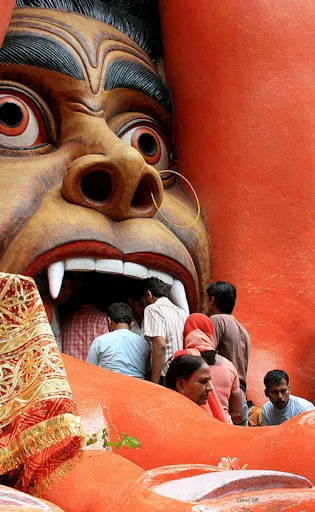
Fig.: प्रविशत
Hanuman Temple, Delhi = हनुमान् मन्दिर, दिल्ली / دہلی
(Image source: Details)
47.2.4. Vierte Presentklasse (दिवादि)
| परस्मैपदम् | आत्मनेपदम् | |||
|---|---|---|---|---|
| नृत् 4P | एकवचनम् | बहुवचनम् | एकवचनम् | बहुवचनम् |
| 1. Person तृतीयः | नृत्यानि | नृत्याम | <नृत्यै> | <नृत्यामहै> |
| 2. Person मध्यमः | नृत्य | नृत्यत | <नृत्यस्व> | <नृत्यध्वम्> |
| 3. Person प्रथमः | नृत्यतु | नृत्यन्तु | <नृत्यताम्> | <नृत्यन्ताम्> |
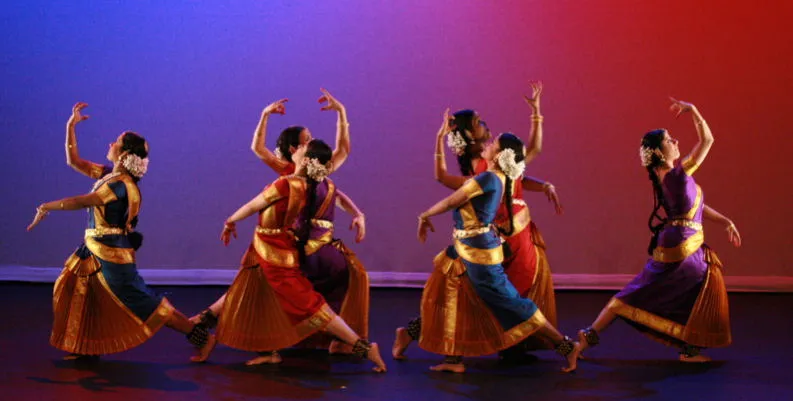
Fig.: नृत्यत
(Image source: Details)
47.2.5. Zehnte Presentklasse (चुरादि) dan Kausatife
चुर् 10U
| परस्मैपदम् | आत्मनेपदम् | |||
|---|---|---|---|---|
| एकवचनम् | बहुवचनम् | एकवचनम् | बहुवचनम् | |
| 1. Person तृतीयः | चोरयानि | चोरयाम | चोरयै | चोरयामहै |
| 2. Person मध्यमः | चोरय | चोरयत | चोरयस्व | चोरयध्वम् |
| 3. Person प्रथमः | चोरयतु | चोरयन्तु | चोरयताम् | चोरयन्ताम् |
47.2.6. Pasif
ईक्ष् 1Ā
| आत्मनेपदम् | ||
|---|---|---|
| एकवचनम् | बहुवचनम् | |
| 1. Person तृतीयः | ईक्ष्यै (īks-ya + ai) | ईक्ष्यामहै |
| 2. Person मध्यमः | ईक्ष्यस्व | ईक्ष्यध्वम् |
| 3. Person प्रथमः | ईक्ष्यताम् | ईक्ष्यन्ताम् |
47.3. Latihan
A) Translate:
यदि गच्छसि गच्छ त्वम् । अहं न गमिष्यामि ॥१॥
आर्य प्रेक्षस्व मे परिभवम् ॥२॥
भो राम यदि मया गन्तव्यं तदैषा कन्यापि मम सहायिनी भवतु ॥३॥
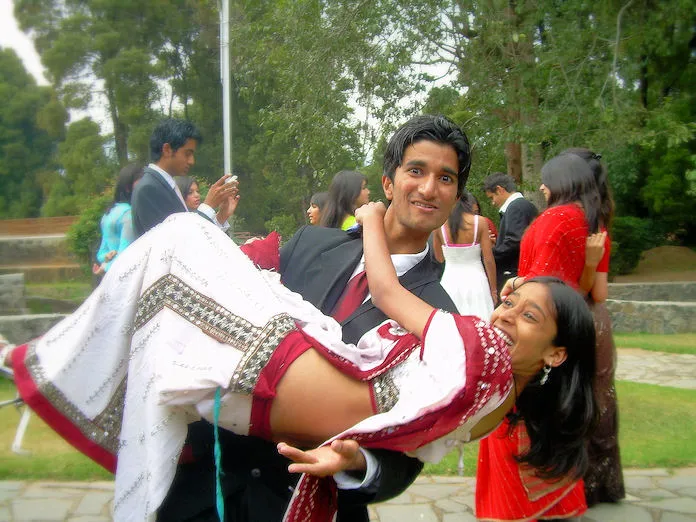
Fig.: भो राम यदि मया गन्तवं तदैषा कन्यापि मम सहायिनी भवतु
(Image source: Details)
आर्ये तिष्ठ तिष्ठ । न त्वया भेतव्यम् ॥४॥
प्रसीदत्वार्यः ॥५॥
आर्ये स्वागतं ते ॥६॥
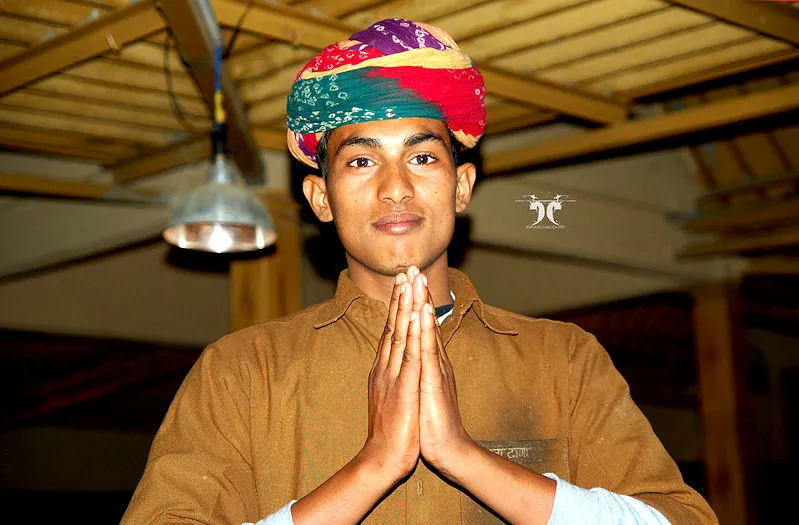
Fig.: आर्ये स्वागतं ते
(Image source: Details)
आज्ञापयत्वार्यः किं मया क्रियतामिति ॥७॥
युद्धाय युज्यस्व नैवं पापमवाप्स्यसि ॥८॥
प्रश्नः : कस्मात्त्वं भीतः । प्रतिवचनम् : तस्य रामस्य गुणेभ्यः । प्रष्टा : के तस्य गुणा यस्य गृहं प्रविश्याशितव्यमपि नास्ति ॥९॥
तवैव हस्ते शस्त्रं तिष्ठतु ॥१०॥
भवति न ते परिभवस्तत्रभवतो रामस्य निवेदयितव्यः ॥११॥
B.) Translate into Sanskrit (use the imperative):
I wish to be obtained.
He should be content.
We wish to call.
I wish to bow to you (चतुर्थ्या).
This deed should be done.
They should sleep (passive construction).
My son, strive for wealth!
Begin the study!
Give (प्र-यम्) rice balls to the ancestors!
They should rejoice!
I wish to look down upon the world.
We wish to go to Benares (पद्).
They (pl.) should worship the gods with a sacrifice as sacrifice-lords.
Sing a hymn of praise!
Sons should be born to me!
I wish to show you my house.
Go away from me!
He should be liberated!
I wish to protect your wife.
Matilah, musuh
Fight!
They (pl.) may command.
We wish to live in your house.
So let it happen!
Strike the horse!
They (pl.) should wander about.
Intoxicate yourselves!
The horse should pull the load.
We wish to set the worlds in order.
Drink the potion!
Think!
They (pl.) should be defeated!
We wish to be led by you.
May it bring good fortune (happen)! (Blessing wish)
lekt4702: Hanuman Temple, Delhi = हनुमान् मन्दिर, दिल्ली / دہلی [Image source: Carol Mitchell. -- http://www.flickr.com/photos/webethere/2607777618/. -- Accessed on 2009-01-09. -- Creative Commons License (Attribution, no derivatives)]
lekt4701: [Image source: lilPiX. -- http://www.flickr.com/photos/lilpixie/464706524/. -- Accessed on 2009-01-09. -- Creative Commons License (Attribution, non-commercial, share alike)]
lekt4703: [Image source: said&done. -- http://www.flickr.com/photos/faraz27989/413649119/. -- Accessed on 2009-01-10. -- Creative Commons License (Attribution)]
lekt4704: [Image source: imchaudhry. -- http://www.flickr.com/photos/imranchaudhry/2120997410/. -- Accessed on 2009-01-10. -- Creative Commons License (Attribution, non-commercial use, no derivatives)]